Wie zukünftige Sicherung von Entscheidungen zur biologischen Beschaffung

“```html
Wie man Entscheidungen zur biologischen Beschaffung zukunftssicher gestaltet
Im sich rasch entwickelnden Bereich der Biotechnologie stehen Forscher und Laborfachleute bei der Beschaffung von biologischen Materialien vor einer Vielzahl von Herausforderungen. Von der Variabilität tierischer Seren bis hin zu ethischen Überlegungen bei humanen biologischen Produkten ist die fundierte Beschaffungsentscheidung entscheidend für die Gewährleistung der experimentellen Konsistenz und Integrität. Dieser Artikel befasst sich mit den Strategien und Überlegungen, die für zukunftssichere Entscheidungen bei der Beschaffung biologischer Materialien unerlässlich sind, und bietet einen umfassenden Leitfaden zur Verbesserung von Forschungsabläufen.
Die Bedeutung von Qualität bei biologischen Produkten tierischen Ursprungs
Verständnis der Chargenschwankungen
Tierische biologische Produkte, wie fetales Rinderserum (FBS) und Rinderplasma, spielen eine entscheidende Rolle bei zellkulturellen Verfahren. Diese Materialien weisen aufgrund von Unterschieden bei den Spenderorganismen, den Entnahmeverfahren und den Handhabungsverfahren eine inhärente Variabilität auf. Die Chargenvariabilität kann die experimentellen Ergebnisse erheblich beeinflussen, weshalb Qualitätskontrolle und Standardisierung unerlässlich sind.
- Führen Sie eine strenge Dokumentation für die Nachverfolgbarkeit.
- Implementieren Sie Batch-Tests, um optimale Losauswahlen zu identifizieren.
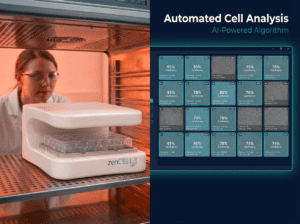
- Nutzen Sie kontinuierliche Überwachungssysteme, wie inkubator-kompatible Live-Cell-Imaging-Lösungen, um das Zellverhalten zu beobachten und die Reproduzierbarkeit sicherzustellen.
Lesen Sie weiter, um tiefere Einblicke und Strategien zu gewinnen.
Ethische und regulatorische Überlegungen bei von Menschen stammenden Materialien
Sicherstellung der Einhaltung von Spenderschwankungen
Menschliche Biologika, einschließlich Humanserum und -plasma, erfordern eine sorgfältige ethische Betrachtung und die Einhaltung regulatorischer Standards. Die Donorvariabilität birgt besondere Herausforderungen, die eine präzise Kontrolle und Dokumentation zur Gewährleistung verlässlicher Ergebnisse bei Anwendungen in den Bereichen Primärzellen und Immunologie notwendig machen.
- Halten Sie sich an die ethischen Richtlinien für die Spenderzustimmung und die Beschaffung von Materialien.
- Wenden Sie strenge Protokolle für die Probenhandhabung an, um die Variabilität zu minimieren.
- Konsultieren Sie die regulatorischen Rahmenbedingungen, um die Einhaltung von Vorschriften und die Genauigkeit bei biomedizinischen Anwendungen sicherzustellen.
Lesen Sie weiter, um tiefere Einblicke und Strategien zu gewinnen.
Optimierung von Zellkulturreagenzien für die Immunologie und Antikörperforschung
Die Rolle funktioneller Reagenzien bei der Reproduzierbarkeit
In der Immunologie und Antikörperforschung ist die Auswahl und Verwendung von Zellkulturreagenzien entscheidend für die Gewährleistung von Reproduzierbarkeit und Zuverlässigkeit. Diese Reagenzien müssen sorgfältig gehandhabt und gelagert werden, um ihre funktionelle Integrität zu erhalten, was diagnostische und therapeutische Anwendungen maßgeblich beeinflusst.
- Lagern Sie Reagenzien unter optimalen Bedingungen, um die Stabilität zu gewährleisten.
- Standardisierte Arbeitsanweisungen für die Reagenzienverwendung festlegen.
- Dokumentieren Sie alle Reagenzienchargen, um die Reproduzierbarkeit in der Forschung zu erleichtern.
Lesen Sie weiter, um tiefere Einblicke und Strategien zu gewinnen.
Wissenschaftliche Dienstleistungen zur Risikominderung und Workflow-Stabilität
Unterstützung bei der Antikörperentwicklung
Der Zugang zu spezialisierten wissenschaftlichen Dienstleistungen kann die Integrität der Forschung und die Langlebigkeit von Projekten erheblich stärken. Antikörperentwicklungsdienste bieten maßgeschneiderte Unterstützung, die den spezifischen Forschungsanforderungen entspricht, die biologische Variabilität reduziert und die Arbeitsablaufstabilität verbessert. Solche Dienstleistungen können Chargenreservierung, proaktive Tests und eine strenge Dokumentation umfassen.
- Nutzen Sie biologische Beschaffung nach Maß, um einzigartige Forschungsanforderungen zu erfüllen.
- Integrieren Sie detaillierte Testdienstleistungen zur Validierung der Materialkonsistenz.
- Für die Sicherung langfristiger Materiallieferungen empfiehlt sich die strategische Chargenreservierung.
Lesen Sie weiter, um tiefere Einblicke und Strategien zu gewinnen.
“`
“```html
Fortgeschrittene Verfolgung und Verwaltung biologischer Materialien
Nutzung von Technologie für Präzision und Effizienz
Die Integration technologiegestützter Lösungen für die Verwaltung biologischer Materialien verbessert sowohl die Präzision als auch die Effizienz in Forschungsumgebungen. Laborinformationsmanagementsysteme (LIMS) bieten einen robusten Rahmen für die Verfolgung biologischer Materialien, die Erfassung detaillierter Informationen über Herkunft, Chargennummern, Verwendung und Lagerbedingungen. LIMS können beispielsweise mit automatisierten Inventarsystemen integriert werden, um eine nahtlose Überwachung von Lagerbeständen und Verfallsdaten zu ermöglichen und menschliche Fehler erheblich zu reduzieren.
- Nutzen Sie LIMS zur Optimierung der Datenverwaltung und zur Verbesserung der Compliance.
- Integrieren Sie Echtzeit-Inventarsysteme zur Sicherstellung einer genauen Nachverfolgung.
Verbesserung der Datenvalidierung durch Bioinformatik
Nutzung von Computerwerkzeugen für genaue Analysen
Bioinformatik ist von zentraler Bedeutung für die Validierung von Daten, die aus biologischem Material gewonnen werden. Durch den Einsatz von computergestützten Werkzeugen können Forscher molekulare Wechselwirkungen vorhersagen und genetische Variationen genauer verstehen. Beispielsweise ermöglicht die Nutzung von Sequenzabgleichssoftware Teams, riesige Datensätze effizient zu vergleichen und somit die Integrität von menschlichen Proben für genetische Studien zu bestätigen.
- Bioinformatische Werkzeuge für die umfassende Datenanalyse einsetzen.
- Entwickeln Sie Protokolle zur frühzeitigen Einbeziehung der Datenvalidierung in die Forschung.
Investition in Personal Schulung für verbesserte biologische Handhabung
Aufbau von Expertise für langfristigen Erfolg
Qualifiziertes Personal ist für die zukunftssichere Gestaltung von Forschungsbetrieben unerlässlich. Kontinuierliche Schulungsprogramme stellen sicher, dass Teams mit den neuesten Methoden im Bereich der biologischen Handhabung Schritt halten. Beispielsweise können Workshops zu aseptischen Techniken und sorgfältiger Chargenhandhabung Kontaminationsrisiken mindern und letztendlich die Integrität von Proben bewahren.
- Planen Sie regelmäßige Schulungsworkshops zur Aktualisierung der Teamfähigkeiten.
- Erstellen Sie ein Online-Repository mit Ressourcen zur einfachen Zugänglichkeit.
Aufbau von Lieferantenbeziehungen für Lieferkettenstabilität
Vertrauensaufbau für eine beständige Versorgung
Robuste Lieferantenbeziehungen sind essenziell zur Aufrechterhaltung einer konsistenten Lieferkette für biologische Schlüsselmaterialien. Durch die Förderung von Vertrauen bei den Lieferanten können Labore Chargenreservierungen, Preisstabilität und schnellere Reaktionen auf Knappheiten aushandeln. Fallstudien haben gezeigt, dass Labore mit starken Lieferantenallianzen während globaler Lieferkettenunterbrechungen weniger Störungen erfahren.
- Führen Sie regelmäßige Kommunikation mit Lieferanten, um Beziehungen zu stärken.
- Implementieren Sie ein Lieferantenbewertungssystem zur Beurteilung der Zuverlässigkeit.
Biosicherheitsmaßnahmen zum Schutz biologischer Materialien
Schutz von Ressourcen vor biologischen Bedrohungen
Biologische Sicherheit ist ein vorrangiges Anliegen beim Schutz von biologischen Substanzen vor externen Bedrohungen. Die Durchsetzung strenger Sicherheitsmaßnahmen gewährleistet, dass biologische Materialien sowohl vor Kontamination als auch vor unbefugtem Zugriff geschützt sind. Insbesondere die Implementierung von Zutrittskontrollsystemen und der Einsatz von Biocontainment-Einrichtungen sind wirksame Strategien, denen viele Hochsicherheitslabore folgen.
- Installieren Sie kontrollierte Zugangspunkte in Lager- und Forschungsbereichen.
- Regelmäßige Überprüfung der Sicherheitsprotokolle zur Gewährleistung von Compliance und Wirksamkeit.
Nachhaltigkeitspraktiken für verantwortungsvolle Beschaffung
Abwägung des Umwelteinflusses mit Forschungsbedarf
Nachhaltige Beschaffungspraktiken, die Nachhaltigkeit priorisieren, können den ökologischen Fußabdruck von Laborbetrieben erheblich reduzieren. Durch die Wahl ethisch einwandfreier Materialien und die Implementierung von Recyclingprogrammen können Labore positiv zum Umweltschutz beitragen. Beispielsweise ist die Umstellung auf biologisch abbaubare Verpackungen für Reagenzienlieferungen ein zukunftsorientierter Ansatz, der von ausgewählten fortschrittlichen Institutionen verfolgt wird.
- Wählen Sie Lieferanten mit nachhaltigen Praktiken und Zertifizierungen aus.
- Implementieren Sie Recyclingprogramme zur Abfallminimierung.
Integration interdisziplinärer Zusammenarbeit für Innovation
Förderung vielfältiger Perspektiven für bahnbrechende Lösungen
Die Kombination von Fachwissen aus verschiedenen wissenschaftlichen Disziplinen kann Innovationen bei Strategien zur biologischen Beschaffung vorantreiben. Kollaborative Bemühungen ermöglichen es Forschern, vielfältige Methodologien zu integrieren, was letztendlich die Problemlösungsfähigkeiten verbessert. Beispielsweise hat die Verknüpfung von Fachwissen aus Materialwissenschaft und Biotechnologie zur Entwicklung verbesserter Konservierungsmittel geführt, die die Lebensdauer empfindlicher biologischer Materialien verlängern.
- Fördern Sie abteilungsübergreifende Projekte zur Förderung von Innovation.
- Halten Sie regelmäßig interdisziplinäre Seminare ab, um die bereichsübergreifende Zusammenarbeit anzuregen.
Im Anschluss fassen wir die wichtigsten Erkenntnisse, Kennzahlen und eine wirkungsvolle Schlussfolgerung zusammen.
“`
“```html
Datengesteuerte Entscheidungsfindung in der biologischen Beschaffung
Nutzung analytischer Werkzeuge zur Strategieoptimierung
Die Übernahme datengesteuerter Ansätze ermöglicht Laboren, fundierte Entscheidungen bezüglich der biologischen Beschaffung zu treffen. Durch den Einsatz von Analysewerkzeugen können Labore den Bedarf prognostizieren, Lieferketten optimieren und das Risikomanagement verbessern. Prädiktive Analysen ermöglichen beispielsweise die Antizipation von Lieferengpässen oder Störungen und verschaffen damit einen entscheidenden Vorteil bei Planungs- und Beschaffungsstrategien. Wenn Labore Dateneinblicke in ihre Beschaffungspraktiken einbeziehen, optimieren sie Ressourcen und minimieren operative Redundanzen.
- Nutzen Sie prädiktive Analytik zur Prognose des Bedarfes und zur Anpassung der Beschaffungsstrategien.
- Analysieren Sie regelmäßig Beschaffungsdaten, um Muster und potenzielle Risiken zu erkennen.
Regulatorische Compliance und ethische Erwägungen
Gewährleistung der Einhaltung für Glaubwürdigkeit und Vertrauen
Die Einhaltung regulatorischer Standards und ethischer Überlegungen bildet das Fundament für eine verlässliche biologische Beschaffung. Strikte Einhaltung gewährleistet nicht nur Glaubwürdigkeit, sondern verankert auch Vertrauen bei Partnern und Stakeholdern. Das auf dem Laufenden bleiben über sich entwickelnde rechtliche Anforderungen und die Förderung transparenter, ethischer Praktiken mindern rechtliche Risiken und stärken den Ruf der Institution. Die Einrichtung von Compliance-Checklisten und regelmäßige Audits stellen sicher, dass Labore den Industriestandards entsprechen und tragen so zur wissenschaftlichen Integrität und gesellschaftlichen Akzeptanz bei.
- Integrieren Sie Compliance-Protokolle in alle Beschaffungsoperationen.
- Ermöglichen Sie regelmäßige Schulungen zu ethischem Verhalten und rechtlichen Standards.
Die Zukunft biologischer Beschaffungsstrategien
Anpassung an aufkommende Trends und Herausforderungen
Die wissenschaftliche Landschaft entwickelt sich weiter, und ebenso müssen die Strategien für biologische Beschaffung angepasst werden. Die Nutzung neuer Technologien und Methoden kann Labore an die Spitze der Innovation bringen. Beispielsweise verspricht die Blockchain-Technologie verbesserte Rückverfolgbarkeit und Transparenz, was entscheidend für den Aufbau von Vertrauen in globale Lieferketten ist. Darüber hinaus sollten sich die Beschaffungsstrategien weiterentwickeln, um kleinere Losgrößen und spezialisierte Materialien zu berücksichtigen, da die Präzisionsmedizin und personalisierte Behandlungen an Bedeutung gewinnen.
- Erkunden Sie Spitzentechnologien zur Verbesserung der Transparenz in der Beschaffung.
- Passen Sie Beschaffungsstrategien an, um sie an den Aufstieg der personalisierten Medizin anzupassen.
Schlussfolgerung
Bei der Navigation im komplexen Bereich der Beschaffung biologischer Materialien sind Labore gefordert, eine vielschichtige Palette von Strategien anzuwenden, die technologische Innovation, behördliche Einhaltung und ethische Erwägungen verbinden. Der umfangreiche Einsatz von Labor-Informations-Managementsystemen (LIMS) erleichtert die effiziente Nachverfolgung und Datenverwaltung, transformiert operative Fähigkeiten und reduziert menschliche Fehler. Gleichzeitig gewährleistet die Integration der Bioinformatik einen robusten Datenvalidierungsprozess, der die Glaubwürdigkeit von Forschungsergebnissen verbessert.
Investitionen in Personal durch gezielte Schulungen und Kapazitätsaufbau sichern nicht nur die Probenintegrität, sondern gewährleisten auch widerstandsfähige und kompetente Forschungsteams, die in der Lage sind, auf dynamische wissenschaftliche Landschaften zu reagieren. Darüber hinaus ermöglicht der Aufbau starker Lieferantenbeziehungen eine stabile Lieferkette, die auf volatilen globalen Märkten unerlässlich ist. Nichtsdestotrotz müssen Laboratorien wachsam gegenüber externen Bedrohungen bleiben und strenge Biosicherheitsmaßnahmen zum Schutz biologischer Materialien einsetzen.
Die Anwendung von Nachhaltigkeit im Beschaffungsprozess fördert nicht nur die ökologische Verantwortung, sondern entspricht auch den globalen Trends hin zu umweltfreundlicheren Praktiken. Da die wissenschaftliche Gemeinschaft zunehmend interdisziplinär wird, ist die Förderung der fächerübergreifenden Zusammenarbeit für bahnbrechende Innovationen im Umgang mit biologischen Materialien unerlässlich.
Letztendlich hängt die Zukunft der biologischen Beschaffung von datengesteuerten Entscheidungen und der Fähigkeit ab, sich flexibel auf aufkommende Trends wie personalisierte Medizin und neue regulatorische Rahmenbedingungen einzustellen. Labore, die die Komplexität moderner Beschaffungsstrategien nutzen, begeben sich auf einen Weg der Innovation, des Vertrauens und der Exzellenz.
Um die Beschaffungsstrategien Ihres Labors im Bereich Biologie weiterzuentwickeln, ist es unerlässlich, nicht nur die aktuelle Situation zu berücksichtigen, sondern auch zukünftige Anforderungen zu antizipieren und sich daran anzupassen. Durch die Implementierung der in diesem Artikel vorgestellten Praktiken und Erkenntnisse können Labore ihre Position als führende Kräfte in ihren jeweiligen Fachgebieten festigen. Setzen Sie diese Methoden mit einer zukunftsorientierten Denkweise um und gehen Sie mit gutem Beispiel voran hin zu einer zuverlässigeren, ethischeren und effektiveren Zukunft in der wissenschaftlichen Forschung.
“`