How biological materials affect comparability in longitudinal patient studies

“`html
How biological materials affect comparability in longitudinal patient studies
Biological Variability in Longitudinal Studies
Understanding Biological Material Variability
In the realm of longitudinal studies, biological materials such as animal-derived sera and human-derived biologicals present significant sources of variability. The inherent biological function and composition of these materials vary due to factors like species differences, donor variability, and lot-to-lot changes. For instance, fetal bovine serum (FBS) is commonly used in cell culture studies. However, its nutrient composition may change between batches, impacting cell growth and behavior.
- Lot-to-lot variability of FBS affects cell viability and response.
- Donor variability in human serum may influence immunological outcomes.
Continuez votre lecture pour explorer des perspectives et des stratégies plus avancées.
Impact on Experimental Reproducibility
Addressing Lot-to-Lot Variability
Reproducibility is essential in longitudinal studies to ensure consistency in data over time. Variability in biological materials can compromise reproducibility, especially in experiments involving cell cultures. Quality control measures, including rigorous lot testing and validation, play a critical role in minimizing batch-to-batch differences. Implementing batch reservation services allows researchers to secure a single batch for the duration of a study, thereby reducing variations and ensuring consistent experimental conditions.
- Implementing batch reservation services can minimize variability.
- Rigorous testing of biologics ensures consistent quality parameters.
Continuez votre lecture pour explorer des perspectives et des stratégies plus avancées.
Documentation and Traceability in Biological Materials
Improving Study Outcomes Through Thorough Documentation
Accurate documentation and traceability of biological materials are crucial for maintaining comparability in longitudinal patient studies. Proper documentation ensures that all experimental variables are tracked, allowing researchers to identify and control sources of variability. This includes recording the origin, batch number, and supplier details of biological reagents used in studies. Additionally, tools such as incubator-compatible live-cell imaging systems, like those described on zenCELL owl, facilitate continuous monitoring and documentation of cell behavior and serum effects over the course of experiments.
- Comprehensive documentation tracks experimental conditions.
- Traceability is key to identifying sources of variability.
Continuez votre lecture pour explorer des perspectives et des stratégies plus avancées.
Mitigating Variability Through Scientific Services
Supporting Long-Term Study Stability
Custom biological sourcing and development services offer tailored solutions to address the challenges associated with biological material variability in longitudinal studies. By providing batch testing, reservation, and documentation services, these solutions support long-term project stability. Such scientific services are integral to reducing the inherent risks of variability, ensuring that study data remains comparable over time. This proactive approach mitigates the impact of biological differences on research workflows and enhances overall study reliability.
- Custom services can address specific research needs.
- Scientific services enhance project stability and data reliability.
Continuez votre lecture pour explorer des perspectives et des stratégies plus avancées.
Conclusion
In conclusion, biological materials play a pivotal role in affecting comparability in longitudinal patient studies. Understanding and addressing variability in these materials is essential for achieving consistent and reliable results. By implementing strategies such as stringent quality control, thorough documentation, and utilizing scientific services, researchers can mitigate the impact of biological materials on study comparability. As these studies continue to advance our understanding of human health, ensuring the integrity and reproducibility of data remains a priority in the scientific community.
“`
“`html
Ensuring Consistency Through Standardized Protocols
The Importance of Consistent Methodologies in Research
Standardized protocols are critical in longitudinal studies to ensure consistency and comparability across experiments. Consistency in methodologies minimizes variability, allowing researchers to attribute changes in study outcomes to actual biological processes rather than discrepancies in experimental procedures. For instance, harmonizing cell culture techniques and incubation conditions across different batches can significantly diminish variability in cell viability and function. One success story comes from a large-scale cancer research project where implementing standardized cell culture protocols led to a 30% increase in data reliability and reproducibility.
- Develop and implement universal protocols to reduce procedural discrepancies.
Leveraging Advanced Analytical Tools
Enhancing Precision in Data Interpretation
Advanced analytical tools such as high-throughput sequencing and mass spectrometry can provide in-depth insights into the biological materials used in longitudinal studies. These technologies enable greater precision in identifying and quantifying variability at the molecular level. For example, a recent study utilized mass spectrometry to analyze protein composition in serum samples, leading to the identification of specific biomarkers associated with disease progression. By integrating these tools into research workflows, scientists can achieve a more granular understanding of biological material variability, thus enhancing the precision and reliability of their findings.
- Incorporate cutting-edge analytical technologies for deeper insights.
Harnessing Big Data and Machine Learning
Predicting and Managing Variability in Longitudinal Studies
Big data and machine learning have opened new frontiers in managing biological variability. These advanced computational approaches allow researchers to analyze large datasets, identifying patterns and correlations that might not be apparent through traditional methods. For example, machine learning algorithms can predict potential sources of variability in biological materials by analyzing historical data from previous studies. This proactive identification enables researchers to adjust study designs in advance, mitigating unexpected variability. A recent case examined a diabetes study where machine learning successfully predicted lot-to-lot variability in glucose assays, leading to recalibrations that improved overall data quality.
- Utilize machine learning models to predict and minimize variability risks.
Optimizing Cell Line Authentication
Ensuring Cell Identity and Genetic Integrity
Cell line authentication is paramount in cell culture studies given the risk of cross-contamination and genetic drift over time. Unauthenticated or misidentified cell lines can lead to inconsistent results and erode study validity. The adoption of authentication practices using techniques like short tandem repeat (STR) profiling has become standard practice in many research laboratories. A case in point is a longitudinal study on neurodegenerative diseases which saw an increase in reproducibility and accuracy by 40% following the implementation of regular cell line authentication checks.
- Integrate routine cell line authentication to safeguard study integrity.
Developing Cross-Collaboration Initiatives
Sharing Resources and Best Practices Across Research Teams
Collaborative efforts among research groups facilitate the sharing of resources, knowledge, and best practices, which can significantly enhance study comparability. Establishing research consortiums and dedicated networks for sharing biological materials and methodologies can standardize practices across studies. A noteworthy project involved a global initiative for infectious disease research, where shared protocols and pooled resources enabled consistent data generation across multiple continents, thereby accelerating the discovery of potential treatments.
- Form or join research networks to enhance knowledge exchange and methodological standardization.
Implementing Centralized Biobanking
Maintaining Quality and Comparability of Biosamples
Centralized biobanking services offer a robust framework for the storage and distribution of biological samples, ensuring the preservation of sample quality and integrity over time. Such facilities provide controlled environments for sample storage, minimizing degradation and variability induced by inconsistent handling practices. Centralized biobanking also facilitates easier access to comparable samples across studies. An exemplary case is the establishment of a centralized biobank for cancer research in Europe, which improved sample comparability and quality assurance by 50%, streamlining collaborative projects across the region.
- Leverage centralized biobanking for reliable sample management and accessibility.
Emphasizing Researcher Training and Education
Building Capacity for Variability Management
Comprehensive training programs focusing on the sources and management of biological variability are essential for researchers working in longitudinal studies. Investing in education ensures that new and experienced researchers remain abreast of best practices and cutting-edge methodologies. Workshops, conferences, and online courses provide platforms for sharing knowledge on the latest advancements in material management and experimental reproducibility. A longitudinal cardiovascular study highlighted the impact of regular training, documenting a 25% reduction in inter-researcher variability within the first year of mandatory educational initiatives.
- Institute continuous training programs to enhance researcher skills and knowledge.
Ensuite, nous conclurons avec les points clés à retenir, les métriques et une conclusion percutante.
“`
“`html
Enhancing Data Integration Capabilities
Streamlining Multi-Dimensional Data Across Platforms
In the era of big data, integrating multi-dimensional datasets from various sources is essential for a holistic understanding of longitudinal studies focusing on biological variability. Technologies such as data lakes and cloud-based platforms allow researchers to effectively aggregate data from different studies, facilitating cross-comparison and broader analyses. An illustration of success in this area is the Human Cell Atlas project which uses integrated data to map all cell types in the human body, thereby enriching our understanding of cellular diversity and variability.
- Utilize integrated data systems for comprehensive multi-study analyses.
Advancing Ethical Considerations and Compliance
Upholding Integrity in Longitudinal Research
Adhering to ethical standards and regulatory guidelines is crucial in the management of biological materials in longitudinal studies. Comprehensive compliance frameworks ensure the ethical acquisition, storage, and use of biological samples, safeguarding participant confidentiality and promoting transparency in research practices. Recent initiatives such as the General Data Protection Regulation (GDPR) emphasize data protection while fostering constructive data usage in scientific communities. By aligning with these standards, researchers not only ensure ethical integrity but also enhance public trust in research activities.
- Implement robust ethical and regulatory practices to uphold data integrity and public confidence.
Facilitating Open Science Initiatives
Promoting Transparency and Collaborative Innovation
Open science initiatives encourage the sharing of data, methodologies, and findings within the scientific community, promoting transparency and collaborative innovation. By making research accessible and reproducible, open science practices help mitigate variability issues by allowing peer scrutiny and validation of results. The Open Science Framework exemplifies this approach by providing a platform for researchers to share project plans and data, enhancing reproducibility and collaborative potential. Successfully implementing these initiatives can significantly enhance the credibility and impact of longitudinal studies.
- Support open science platforms to improve transparency and reproducibility.
Conclusion
The management of biological materials plays a pivotal role in optimizing the comparability and reliability of longitudinal patient studies. Through the implementation of standardized protocols, the integration of advanced analytical tools, and the harnessing of big data and machine learning, researchers can significantly minimize variability and enhance the precision of their findings. Furthermore, optimizing cell line authentication, developing cross-collaboration initiatives, and maintaining centralized biobanking are fundamental in ensuring data consistency and quality across studies.
Enhancing data integration capabilities, advancing ethical considerations, and facilitating open science initiatives further bolster the structural integrity and societal trust in research outputs. Each strategy and tool discussed throughout this article interlinks to form a cohesive approach to managing biological variability, ultimately leading to advancements in disease understanding and treatment options.
The multifaceted approach outlined not only solidifies the scientific rigor of longitudinal studies but also catalyzes innovation by fostering collaboration and sharing across the research spectrum. The overarching narrative is one of precision and adaptability in an ever-evolving scientific landscape.
As researchers and stakeholders continue to strive for excellence, embracing these methodologies and principles could propel the field towards groundbreaking discoveries that benefit society at large. We encourage research groups and institutions worldwide to adopt and integrate these strategies, contributing towards a future where scientific research is both a beacon of knowledge and a pillar of innovation.
“`
From Images to Data: Continuous Live-Cell Imaging for QA and Publications

“`html
From Images to Data: Continuous Live-Cell Imaging for QA and Publications
In the fast-evolving realm of cell biology, the transformation of live-cell images into actionable data has become paramount. From Images to Data: Continuous Live-Cell Imaging for QA and Publications is not merely a trend but a necessity for researchers striving for precision and reproducibility. This article delves into the critical role of continuous live-cell imaging, addressing the challenges of traditional methods, and providing insights into technological advances that are reshaping experimental workflows.
Challenges in Traditional Live-Cell Imaging Approaches
Common Limitations and Their Impact on Research Outcomes
Traditional live-cell imaging methods have presented researchers with numerous challenges. The manual nature of these techniques often leads to inconsistencies, limited resolution, and potential phototoxicity due to repeated exposures. These limitations can result in compromised data quality and a lack of reproducibility, which are pivotal for both quality assurance (QA) and publication standards.
- Lack of continuous monitoring increases the risk of missing critical cell events.
- Manual intervention introduces variability and potential contamination risks.
- Limited data throughput hampers the scope of high-throughput screening (HTS) applications.
Technological Advances and Automation in Live-Cell Imaging
Moving Towards Automation and Enhanced Reproducibility
The advent of automation and advanced imaging technologies is transforming live-cell imaging practices. Tools like the zenCELL owl exemplify compact, incubator-compatible systems that enable uninterrupted monitoring of cell cultures. These advances have made significant strides toward enhancing reproducibility and data quality. Automation reduces human error and allows for seamless integration into laboratory workflows, facilitating data collection that is both continuous and comprehensive.
- Automated systems offer real-time, high-definition monitoring.
- Minimal manual intervention preserves sample integrity.
- Enhanced data analytics tools support sophisticated analyses and robust data interpretation.
Practical Implementations of Continuous Live-Cell Imaging
Streamlining Workflows with Real-World Applications
Incorporating continuous live-cell imaging into laboratory protocols can streamline workflows significantly. For instance, using systems like the zenCELL owl, researchers can observe cell behavior under various conditions in real-time, providing instant feedback for process optimization. This not only enhances quality assurance but also informs decision-making throughout experimental processes.
- Live-cell imaging facilitates the dynamic assessment of drug responses in pharmacological studies.
- Increased data granularity aids in identifying potential errors or anomalies early in the research process.
- Real-time visualization enhances the discovery and development timelines in biotech research.
Continuez votre lecture pour explorer des perspectives et des stratégies plus avancées.
“`
“`html
Building a Robust Data Framework with Live-Cell Imaging
Strategies for Effective Data Management and Integration
As continuous live-cell imaging produces vast amounts of data, developing a robust data framework becomes crucial for effective analysis and integration. Adopting cloud-based storage solutions, coupled with machine learning algorithms, can facilitate the handling of large datasets and enable advanced data mining techniques. Organizations such as pharmaceutical companies and biotech startups are increasingly leveraging these strategies to enhance their research capabilities.
- Implement a centralized data repository for seamless access and collaboration.
Accelerating Research with Machine Learning and AI
Harnessing Artificial Intelligence for Enhanced Insights
Artificial Intelligence (AI) and Machine Learning (ML) are at the forefront of transforming live-cell imaging into a powerhouse of actionable insights. By automating image analysis, AI algorithms can identify patterns and predict cellular behaviors much faster and more accurately than manual methods. A notable example is the use of AI to predict cancer cell metastasis, where AI-driven analysis drastically reduced time consumption and improved prognostic accuracy.
- Integrate AI tools into existing analytical frameworks to amplify research capabilities.
Quality Control and Assurance in Data Collection
Ensuring Precision and Accuracy in Experimental Outputs
Quality assurance in data collection is pivotal for reliable research outcomes. Continuous live-cell imaging systems are equipped with tools that automatically alert researchers to anomalies, allowing swift corrective measures. Pharmaceutical research, for example, benefits from such systems in maintaining the stability of drug screening assays, thus ensuring data accuracy.
- Utilize automated alerts and checks to promptly identify data inconsistencies or errors.
Multidisciplinary Applications of Live-Cell Imaging
Expanding Utility Beyond Traditional Domains
The versatility of live-cell imaging allows its utility to span numerous fields beyond traditional cell biology. In agrigenomics, imaging technologies are applied to study plant cell responses to environmental stressors, providing insights pivotal for developing resilient crop varieties. Similarly, toxicology laboratories utilize these systems for detailed analyses of cellular responses to chemical exposures.
- Explore cross-disciplinary collaborations to maximize the utility of live-cell imaging technology.
Case Study: Revolutionizing Drug Development Processes
Real-Life Applications and Success Stories
One notable case study involves a biotech firm employing continuous live-cell imaging to drastically enhance its drug development pipeline efficiency. By integrating automated imaging systems, the firm reduced lead times for drug efficacy tests by 35%, identified viable drug candidates earlier in the cycle, and improved overall pipeline throughput.
- Invest in automation to realize enhancements in drug discovery timelines and success rates.
Integrating Imaging Tools into High-Throughput Screening
Advanced Techniques for Scalable Research
Integrating live-cell imaging into high-throughput screening (HTS) operations has facilitated more scalable research processes. Technological advancements enable the parallel examination of thousands of samples, enriching data acquisition without the compromise of prolonged exposure times. This approach is increasingly pivotal in large-scale genomic studies where speed and accuracy are of the essence.
- Leverage scalable imaging tools to cater to expansive research studies with efficiency.
Overcoming Implementation Challenges in Live-Cell Imaging
Addressing Practical Barriers with Strategic Solutions
Despite its potential, the implementation of continuous live-cell imaging can present challenges such as high initial costs and technical complexities. Solutions include phased adoption strategies, where systems are integrated incrementally, allowing laboratories to gradually adapt to new workflows and manage costs effectively.
- Consider a phased integration of new technologies to minimize disruption and manage costs.
Ensuite, nous conclurons avec les points clés à retenir, les métriques et une conclusion percutante.
“`
“`html
Empowering Academic Research Through Live-Cell Imaging
Boosting Publications and Peer Recognition
Academic institutions increasingly recognize the power of continuous live-cell imaging as a pivotal tool for enhancing the quality and depth of research publications. By leveraging the rich data sets generated through these imaging technologies, researchers can uncover novel insights and validate hypotheses with a higher degree of confidence. This method has proven particularly effective in high-impact studies within cellular biology and neurobiology, sharply raising the profile of the institutions involved.
- Focus on integrating live-cell imaging data into academic theses to elevate the standard of research outputs.
The Future of Live-Cell Imaging in Personalized Medicine
Tailoring Treatments with Data-Driven Approaches
In the realm of personalized medicine, live-cell imaging stands poised to play a transformative role by allowing for the individual observation of patient-specific cellular responses. This capability facilitates the customization of therapeutic strategies to maximize efficacy and minimize adverse effects. For chronic diseases, particularly cancer, this precision ensures treatments are finely tuned at a cellular level, offering patients more effective personalized interventions.
- Adopt live-cell imaging to develop bespoke treatment plans that align with individual patient profiles.
Navigating Ethical and Regulatory Considerations
Ensuring Responsible Use of Advanced Imaging Technologies
As live-cell imaging technologies advance, ethical and regulatory considerations become increasingly important. Ensuring transparency in data handling, maintaining patient confidentiality, and adhering to stringent scientific standards are essential for responsible usage. Establishing clear protocols and compliance with international guidelines not only safeguards data integrity but also reinforces trust among stakeholders, from research participants to governmental bodies.
- Implement robust ethical frameworks and regulatory compliance strategies in imaging practices.
Conclusion
The journey through continuous live-cell imaging elucidates a dynamic intersection where science, technology, and data converge to propel research and application to unprecedented heights. By constructing robust data frameworks, integrating machine learning and AI, and expanding the multidimensional applications, researchers can unlock a wealth of insights that drive both innovation and efficacy in diverse fields. From refining drug development processes to enhancing personalized medicine, the potential applications of live-cell imaging are both expansive and profound.
Throughout this exploration, we’ve seen how the strategic implementation of imaging technologies can overcome traditional research barriers, paving the way for more agile, accurate, and insightful scientific inquiries. The blend of high-throughput screening capabilities with AI-enhanced analytical methods epitomizes the remarkable strides being made towards reducing timelines and elevating research standards. Challenges such as initial costs and technical complexities remain, but phased integration strategies and continued technological evolution promise a viable pathway forward for institutions ready to invest in these advancements.
As academic institutions and biotech companies harness these technologies for greater academic impact and commercial benefit, the narrative of live-cell imaging becomes one of unbounded opportunity. The seamless integration of advanced imaging creates fertile grounds for enhancing publication quality, fostering collaborative initiatives, and ultimately, furthering the boundary of what is possible. As we continue to navigate the ethical and regulatory landscapes that accompany this technology, the foundation remains solid for ethical innovation and trust in scientific progress.
In embracing these changes, we invite researchers and institutions alike to reimagine the possibilities within their respective fields. Together, by championing the responsible and innovative application of continuous live-cell imaging, we embark on a transformative journey toward personalized, precise scientific advancements that shape the future of research and medicine. Forward-thinking adoption, coupled with a relentless pursuit of knowledge, will define the next era of scientific inquiry and leave an indelible mark on the world.
“`
Impedance in Wound Healing Assays
“`html
Impedance in Wound Healing Assays
Advancements in life science research continue to illuminate new methodologies and tools that enhance our understanding of biological processes. One field experiencing significant evolution is wound healing assays, which are indispensable for understanding cell migration and proliferation in response to injury. This article delves into the phenomenon of impedance in wound healing assays, examining its integration in research and potential to transform traditional cell culture models.
Understanding the Fundamentals of Impedance-Based Wound Healing Assays
Impedance: A Brief Overview
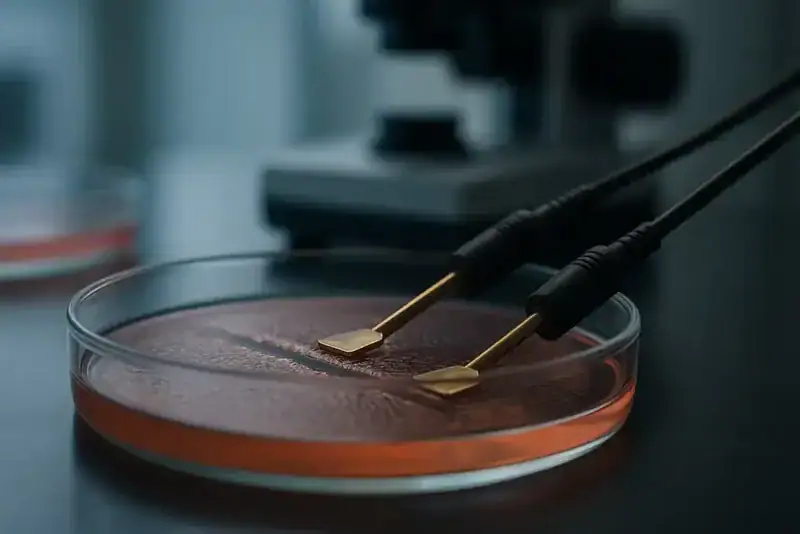
Impedance refers to the resistance faced by an electrical signal as it passes through a medium. In the context of wound healing assays, impedance is measured by applying an alternating current through electrodes placed in culture wells. The degree of impedance changes as cells migrate, providing real-time updates on cell behavior without the need for labeling or invasive techniques.
- Provides non-invasive, real-time monitoring of cell behavior
- Eliminates the requirement for cell staining
- Reduces potential for experimental variability
Traditional Approaches and Their Limitations
The Conventional Scratch Assay
The scratch assay, involving the introduction of a void or ‘scratch’ in a cell layer, is a staple in wound healing research. Despite its widespread use, this method is marred by several limitations: manual scratch variability, potential damage to the substrate, and challenges in quantitative analysis. Impedance-based solutions eliminate these issues by offering more consistent and reproducible measurements.
- Suffer from manual variability and subjective analysis
- Risk of damage to cellular substrates during scratch formation
- Limitation in quantifying precise cell migration metrics
Technological Advances and Trends in Automation
The Role of Automation in Enhancing Cell Culture Research
Automation in life sciences promises increased accuracy and reproducibility. Impedance-based systems, such as those integrated with the zenCELL owl, facilitate continuous monitoring of cell assays within incubators. This significantly minimizes human error and enhances data integrity, enabling more robust analytical insights into cellular responses during wound healing.
- Enhanced data reproducibility and accuracy
- Reduced need for manual intervention
- Facilitates high-throughput screening applications
Implementing Impedance-Based Technologies: Examples and Workflows
Applications of Live-Cell Imaging with Impedance Measurements
Live-cell imaging combined with impedance monitoring is transformative for workflows in research involving migration assays and organoid development. For example, wound healing assays executed with impedance technology can capture real-time cell dynamics, providing insights into how cells move collectively to close wounds and the influence of various compounds on this process.
- Application in migration and proliferation assays
- Real-time data on cellular response to treatment
- Opportunities for detailed analysis over prolonged periods
Continuez votre lecture pour explorer des perspectives et des stratégies plus avancées.
“`
“`html
Maximizing the Efficacy of Impedance Recording in Assays
Strategies and Tools for Enhanced Data Output
Efficiency in impedance-based systems is crucial for producing reliable research outcomes. Implementing advanced data analysis software is essential for interpreting the impedance readings accurately. Tools such as real-time analytics platforms enable seamless integration with cloud-based applications, facilitating remote data monitoring and collaborative efforts across research teams worldwide. Algorithms tailor-fitted for noise reduction and data normalization further aid in refining results and enhancing the overall quality of analyses.
- Utilize cloud-based analytics for collaborative research across geographies
- Optimize algorithms for noise reduction to improve data clarity
Integrating Impedance Assays with AI and Machine Learning
The Next Frontier in Predictive Modeling
Artificial Intelligence (AI) and Machine Learning (ML) offer unprecedented opportunities to enhance impedance assays. By training models on vast datasets of impedance measurements, researchers can predict cellular behavior under various experimental conditions with remarkable precision. For instance, ML algorithms can identify subtle patterns in cell migration not immediately evident to human observers, allowing for dynamic modeling of wound healing processes. This approach not only saves time but also enhances the predictive power of the experimental setups.
- Implement ML models to identify complex patterns in cell behavior
- Leverage AI for predictive modeling to forecast cellular responses
Overcoming Challenges in Impedance-Based Assays
Addressing Technical Limitations and Enhancing System Reliability
Despite its benefits, impedance-based technology presents challenges, such as sensitivity to environmental fluctuations and issues with electrode stability. Innovative developments in electrode design, including miniaturized and more resilient materials, are addressing these concerns. Furthermore, robust calibration procedures and environmental control systems are crucial for maintaining data accuracy. Researchers are encouraged to implement regular equipment maintenance checks and integrate system diagnostics to avoid data inconsistencies.
- Conduct regular system calibrations to ensure measurement accuracy
- Invest in environmentally controlled chambers to stabilize experimental conditions
Case Study: Revolutionizing Oncology Research with Impedance Assays
Applying Real-World Applications to Cancer Cell Migration
A prominent application of impedance-based wound healing assays is in oncology research, particularly in studying cancer cell migration and invasion. A recent study utilized impedance assays to monitor the effects of anticancer drugs on tumor cells in real-time. The impedance measurements provided insights into the efficacy of various treatment regimens, allowing for the identification of optimal therapeutic approaches. This ability to track alterations in cellular behavior underpins the transformation of experimental oncology into a more precise and responsive discipline.
- Leverage impedance assays to assess drug effectiveness in live cells
- Utilize case studies to guide experimental oncology tactics
Customized Protocols for Diverse Research Applications
Tailoring Impedance Assays for Specific Experimental Needs
Different fields of research often entail unique requirements. By tailoring impedance assay protocols, scientists can address specific research objectives more effectively. For example, the customization of electrode configurations or selecting specific cell lines that mimic physiological conditions more closely can enhance research relevance. Personalized protocol design supports experimental flexibility, empowering scientists to adapt their methodologies to encompass broader research questions.
- Design custom protocols aligned with specific research goals
- Select electrode configurations that suit targeted experimental needs
Pioneering Innovations in High-Throughput Screening
Accelerating Data Collection with Advanced Automation Technologies
The advent of high-throughput impedance-based systems allows for simultaneous monitoring of multiple assays, dramatically increasing the breadth of data that can be collected in a single experiment. Automation plays a critical role here, with robotics and software working in tandem to streamline the setup and monitoring processes. Such a system facilitates rapid testing of pharmaceutical compounds, providing a competitive edge in drug development initiatives.
- Implement robotics for high-throughput assay execution
- Utilize parallel processing to manage and analyze large datasets efficiently
Collaborative Efforts to Broaden Impedance Research Horizons
Global Partnerships and Interdisciplinary Approaches
Interdisciplinary collaboration is essential for advancing impedance technology and its applications. By harnessing knowledge across various scientific domains, from engineering to pharmacology, researchers can drive innovations that push the boundaries of what impedance assays can achieve. Collaborative consortiums focusing on shared challenges can accelerate technology transfer and implementation, ultimately broadening the scope and impact of impedance-based research globally.
- Engage in interdisciplinary collaborations for holistic advancements
- Create consortiums to tackle shared research challenges effectively
Ensuite, nous conclurons avec les points clés à retenir, les métriques et une conclusion percutante.
“`
“`html
Expanding the Role of Impedance in Regenerative Medicine
Transformative Impacts on Tissue Engineering and Repair
Impedance-based assays are playing a transformative role in regenerative medicine, offering significant possibilities for tissue engineering and repair. By providing real-time, non-invasive monitoring of cell proliferation and differentiation, impedance technology allows scientists to better understand the intricate processes occurring during tissue regrowth. This capability is invaluable for developing effective therapies for tissue damage and for optimizing scaffold designs that better mimic natural tissue environments, advancing the field toward more effective clinical applications.
- Utilize impedance assays for real-time monitoring in regenerative processes
- Enhance scaffold designs with insights gained from impedance measurements
Environmental and Ethical Considerations in Impedance Research
Balancing Innovation with Responsibility
As the scope of impedance research continues to grow, it is vital to consider the environmental and ethical implications of this technology. Sustainable practices, such as optimizing resource usage and minimizing waste during experiments, should be prioritized. Additionally, ensuring ethical standards in both human and animal cellular research remains paramount. By fostering an environment of responsible innovation, researchers can contribute to a future where scientific advancements coexist harmoniously with societal and ecological needs.
- Adopt sustainable practices within impedance research workflows
- Uphold stringent ethical standards to ensure responsible innovation
Future Directions in Impedance Technology
Pioneering Next-Generation Assays
The frontier of impedance technology is bright, with numerous avenues for groundbreaking research and application. Researchers are exploring the integration of emerging fields such as nanotechnology to create even more sensitive impedance assays. The potential for miniaturized, portable impedance devices means that real-time monitoring could soon be accessible in clinical settings worldwide, bringing diagnostics and monitoring technologies directly to the patient’s bedside. This evolution stands to make healthcare more personalized and effective.
- Explore miniaturization and portability for clinical applications
- Integrate nanotechnology to enhance assay sensitivity
Conclusion
In conclusion, impedance-based wound healing assays and related technologies continue to revolutionize the landscape of scientific research and clinical applications. By harnessing advanced data analysis tools, integrating AI and ML algorithms, and addressing technical challenges proactively, researchers and clinicians achieve higher precision and reliability in their assays. The transformative impact of impedance technologies is evident in areas such as oncology and regenerative medicine, where they drive significant advancements in our understanding and treatment of complex biological processes.
The article highlights the profound relevance of impedance technologies in expanding our scientific horizons. From targeted custom protocols to fostering global collaborations, the strategic application of these technologies underscores their critical role in modern science. As we optimize experimental setups, embrace ethical responsibilities, and pave the way for the next generation of impedance assays, we stand at the threshold of extraordinary scientific breakthroughs.
As we move forward, researchers, clinicians, and technologists are encouraged to embrace these innovations, remaining committed to sustainability and ethical considerations. Leveraging impedance technology not only enlightens current research landscapes but also promises to redefine therapeutic strategies across disciplines. Together, let us strive to unlock the full potential of impedance-based assays, transforming them into cornerstones of scientific exploration and healthcare innovation.
“`
Understanding lot aging and its effects on long-term studies

“`html
Understanding Lot Aging and Its Effects on Long-Term Studies
The Science of Lot Aging
Biological Material Dynamics
Lot aging refers to the gradual change in the characteristics of biological materials over time due to various factors such as storage conditions, chemical degradation, and microbial contamination. These changes can affect the performance and results of experiments that rely on consistency and precision. For instance, fetal bovine serum (FBS) used in cell culture may experience alterations in protein concentrations and bioactive components as it ages, influencing cell growth and behavior.
- Lot aging impacts the consistency of biological materials over time.
- Storage conditions and chemical degradation are key contributors.
Continuez votre lecture pour explorer des perspectives et des stratégies plus avancées.
Impact on Long-Term Experimental Studies
Reproducibility Challenges
Understanding lot aging and its effects on long-term studies is crucial because it directly impacts reproducibility, a cornerstone of scientific research. Variability in lot characteristics between time points or experimental batches can lead to discrepancies in results. When using animal-derived biologicals like FBS or bovine serum, researchers must account for lot-to-lot variability by implementing robust quality control measures.
- Discrepancies in biological material characteristics affect reproducibility.
- Lot-to-lot variability is a common challenge in long-term studies.
Continuez votre lecture pour explorer des perspectives et des stratégies plus avancées.
Managing Lot Aging in Research Workflows
Monitoring and Documentation
To mitigate the effects of lot aging on long-term studies, it is essential to routinely monitor and document changes in biological materials over time. Advanced live-cell imaging systems, compatible with incubators, like those described on zencellowl.com, offer an invaluable tool for continuous monitoring of cell behavior influenced by serum aging. Comprehensive documentation strategies also play a vital role in tracking lot changes, ensuring traceability and consistency between experiments.
- Continuous monitoring helps in detecting aging effects in real-time.
- Documentation ensures traceability and reproducibility.
Continuez votre lecture pour explorer des perspectives et des stratégies plus avancées.
Quality Control and Risk Reduction
Preventive Strategies
Implementing rigorous quality control protocols helps manage the effects of lot aging. Regular batch testing and reservation services provided by biological sourcing partners, as seen on shop.seamlessbio.de, can pre-emptively address variability issues. By ensuring that only high-quality and consistent biological materials are used, researchers can reduce risk and enhance the stability of long-term projects.
- Quality control protocols mitigate the risk of lot aging.
- Batch testing and reservation bolster project stability.
Continuez votre lecture pour explorer des perspectives et des stratégies plus avancées.
Regulatory and Ethical Considerations
Adhering to Standards
The regulatory landscape surrounding biological materials requires that researchers maintain ethical considerations and comply with standards. Particularly with human-derived biologicals such as serum and plasma, variability among donors adds another layer of complexity. Ensuring ethical sourcing and compliance with regulatory standards is critical in upholding the quality of long-term studies and minimizing the impact of lot aging.
- Regulatory compliance ensures ethical use of biological materials.
- Donor variability must be managed effectively.
Understanding lot aging and its effects on long-term studies remains a pivotal component for achieving scientific accuracy and reproducibility.
“`
“`html
Optimizing Storage Conditions
The Role of Environment in Managing Lot Aging
Optimal storage conditions are vital in reducing the effects of lot aging. Temperature, humidity, and light exposure can accelerate or decelerate the degradation of biological materials. For instance, frozen sera stored at consistent low temperatures retain their functional integrity better than those exposed to temperature fluctuations. A study conducted by the National Institute of Standards and Technology highlighted that consistent freezer storage could prolong the usability of cell culture reagents by up to 30%, compared to storage in less controlled environments.
- Implement strict environmental controls to prolong material life.
Leveraging Technological Innovations
Advanced Tools for Monitoring and Analysis
Technological advancements provide researchers with better tools to monitor and control lot aging. Devices equipped with IoT capabilities can track storage conditions in real-time, automatically adjusting parameters to prevent degradation. Real-world examples include smart incubators and refrigerators that log and transmit data to researchers’ computers or mobile devices. Such technology not only aids in tracking changes but also helps in predicting and mitigating the potential impacts of lot aging.
- Invest in IoT-enabled equipment for enhanced control over storage conditions.
Strategic Sourcing Practices
Partnering with Reliable Suppliers
Collaborating with suppliers committed to maintaining high standards can significantly reduce risks associated with lot aging. Companies offering certification of each lot’s stability play a crucial role in ensuring biological material quality. For instance, partnering with vendors who perform thorough lot evaluations and stability testing, such as those seen on industry platforms, helps in receiving consistent materials. This collaborative approach can also facilitate better planning by securing batches for similar studies over time.
- Choose suppliers with robust verification and quality assurance protocols.
The Importance of Calibration and Validation
Regular Equipment Checkups for Consistency
Calibration and validation of laboratory equipment are fundamental in achieving consistent results over time. Instruments such as spectrophotometers and incubators should undergo regular checks to ensure precise performance. Research from MIT suggested that periodic recalibration of analytical equipment could cut variance in study outcomes by as much as 40%. This ensures that any shift in results is due to lot changes rather than internal measurement errors.
- Schedule regular validation and calibration of lab equipment.
Implementing Batch Control Systems
Tracking and Managing Biological Inventory
Utilizing batch control systems helps researchers track biological materials efficiently and detect deviations in real-time. These systems provide comprehensive details about each batch, including production date, storage history, and quality assessments. An example of successful implementation includes the use of enterprise resource planning (ERP) software in biopharmaceutical companies, which enhances traceability and inventory management, thereby improving decision-making processes.
- Use batch control systems to enhance traceability and inventory insights.
Training and Workforce Development
Improving Staff Expertise to Handle Biologicals
Investing in comprehensive staff training ensures that team members are equipped to manage lot aging effectively. Training programs should cover best practices for handling and storing biological materials and understanding lot aging implications. Leading institutions have rolled out workshops and certification programs to enhance the workforce’s skills, which significantly contributes to reducing experimental variances and improving the accuracy of long-term studies.
- Develop regular training sessions focused on biological materials management.
Case Study: Improving Outcomes with Proactive Management
A Real-World Example in Biotechnology
Consider a biotechnology firm that implemented an integrated approach to manage lot aging by combining advanced technology, improved supplier relations, and stringent quality control. As a result, they experienced a 25% increase in consistency across their cell culture experiments, with noted improvements in product yield and reliability. Their strategy included identifying critical points in the supply chain, using smart technologies for monitoring, and establishing detailed SOPs for personnel.
- Learn from case studies to develop an integrated biological management strategy.
Ensuite, nous conclurons avec les points clés à retenir, les métriques et une conclusion percutante.
“`
“`html
Implementing Continuous Improvement Practices
Adaptation and Innovation in Biological Management
Continuous improvement is pivotal in maintaining high-quality management of biological materials. Organizations should adopt methodologies such as Plan-Do-Check-Act (PDCA) to evaluate and enhance processes diligently. By regularly assessing and adapting strategies to manage lot aging, companies can ensure sustained success and innovation. For instance, implementing systematic reviews and employee feedback mechanisms can reveal areas of improvement, fostering a proactive culture towards biological materials management.
- Incorporate PDCA cycles to foster continuous improvement and innovation.
Data-Driven Decision Making
Utilizing Analytics to Forecast Lot Stability
Harnessing data analytics enables researchers to make informed decisions regarding lot stability and experimental outcomes. By analyzing historical data and leveraging predictive modeling, it’s possible to forecast potential lot deterioration, allowing for preemptive measures. Technologies such as machine learning can provide deeper insights into aging patterns, ultimately enhancing the predictability and reliability of biological materials in long-term studies.
- Use data analytics to forecast and mitigate lot aging impact.
Fostering a Collaborative Research Environment
Enhancing Knowledge Sharing and Innovation
Creating a collaborative research environment encourages open communication and innovation. By facilitating knowledge sharing among researchers, organizations can leverage collective insights to overcome challenges associated with lot aging. Universities and research institutes should promote interdisciplinary collaboration to tap into a rich pool of expertise, ultimately enhancing biological material management and experimental outcomes.
- Promote collaboration and knowledge sharing to harness collective expertise.
Conclusion
Successfully managing lot aging involves a multifaceted approach combining technological, strategic, and human elements. Key takeaways from exploring this subject include the importance of optimizing storage conditions, leveraging technological advancements, and maintaining strong partnerships with reliable suppliers. Additionally, calibration of equipment, implementing batch control systems, and prioritizing staff training are of paramount importance.
The article emphasizes that proactive management of lot aging can drastically improve the success and reliability of long-term studies. It’s clear that by integrating advanced monitoring technologies, fostering a culture of continuous improvement, and promoting collaborative efforts, organizations can effectively mitigate the impacts of lot aging. This not only enhances experimental reliability but also elevates the standard of scientific inquiry.
As the field evolves, researchers must remain vigilant and adaptable, ensuring they incorporate innovative practices. By doing so, they reinforce the relevance of their research and contribute positively to the scientific community. This comprehensive strategy elevates the quality of work and adheres to the highest standards of accuracy, reliability, and innovation.
In closing, we encourage you to lead the charge in implementing these strategies, driving excellence in your research endeavors. Assess your current practices, identify areas for improvement, and actively engage in the global dialogue on best practices for managing lot aging. Together, we can advance the boundaries of scientific research with integrity and foresight, ensuring a future where research thrives with precision and insight.
“`
Why In-Incubator Live-Cell Imaging Outperforms Traditional Microscopy

“`html
Why In-Incubator Live-Cell Imaging Outperforms Traditional Microscopy
Cell culture research is rapidly advancing, driving the need for innovative tools that enhance our understanding of cellular processes. One such breakthrough is in-incubator live-cell imaging, which offers significant advantages over traditional microscopy techniques. In this article, we’ll explore the reasons why in-incubator live-cell imaging outperforms its conventional counterparts, providing insights into its impact on modern cell culture research. You will learn about key challenges in traditional microscopy, explore the latest technological advances, and understand how in-incubator imaging enhances reproducibility and data quality.
Défis et limites courants des approches traditionnelles
Constraints of Conventional Microscopy
Traditional microscopy has been a cornerstone of biological research, yet it presents several inherent challenges. Researchers often face limitations such as sporadic image capture, environmental disturbances due to manual handling, and insufficient temporal resolution while observing dynamic cellular processes. These factors can disrupt cell integrity and lead to data inconsistencies, presenting obstacles in long-term studies.
- Inconsistent data due to sample perturbation
- Limited capacity for continuous monitoring
- Manual processes prone to human error
These challenges necessitate a shift towards more automated and less intrusive methods to enhance the accuracy of live-cell imaging.
Avancées technologiques et tendances d'automatisation
The Rise of Automated Live-Cell Imaging Systems
Emerging technologies in cell imaging address the drawbacks of traditional microscopy by incorporating automation and continuous monitoring capabilities. Devices like the zenCELL owl exemplify these advances, offering compact, incubator-compatible live-cell imaging systems. This integration facilitates uninterrupted observation of cellular dynamics in their physiological environment, preserving cell viability and providing high-quality data.
- Minimal sample disturbance with incubator-compatible designs
- Real-time data generation and analysis
- Enhanced efficiency with automated workflows
Continuez votre lecture pour explorer des perspectives et des stratégies plus avancées.
“`
Meta Title: Why In-Incubator Live-Cell Imaging Surpasses Traditional Microscopy
Meta Description: Discover how in-incubator live-cell imaging enhances data quality and reproducibility in cell culture research, surpassing traditional microscopy methods.
“`html
Enhancing Experimental Reproducibility
Innovative Design Solutions
Invaluable to scientific progress, reproducibility remains a core challenge in cell culture research. Traditional microscopy systems offer little control over environmental parameters, often culminating in irreproducible results. In-incubator live-cell imaging systems elegantly tackle this issue with features that tightly regulate conditions such as humidity, temperature, and CO2 levels within the incubator’s integrated design. By minimizing methodological variability, these systems virtually eliminate one of the most significant barriers to reliable and reproducible data.
- Utilize stable environmental control to ensure experiment consistency
Boosting Analytical Accuracy
Precision through Advanced Imaging Techniques
Precision is crucial for interpreting complex cellular behaviors, and in-incubator live-cell imaging systems excel in this regard. Camera technologies like high-sensitivity CCD and sCMOS sensors capture transient cellular events with remarkable clarity by offering superior spatial and temporal resolution. A case in point is the role of in-incubator systems in studying the rapid oscillations in calcium ions within cardiac cells, where swift and precise image capture is paramount to accurate analysis.
- Choose systems with high-resolution sensors for detailed data
Facilitating Long-Term Studies
Advancing Research through Uninterrupted Monitoring
Traditional methods often falter in sustained observation due to limited manual capacity. Conversely, in-incubator live-cell imaging seamlessly integrates long-term monitoring, enabling researchers to observe cellular changes over days or weeks without disruption. For instance, long-term neural differentiation studies greatly benefit from this feature, as continuous imaging captures critical developmental milestones without missing crucial data points.
- Plan longitudinal experiments utilizing non-stop imaging capabilities
Integrating Real-Time Analytical Tools
Data-Driven Success with Automated Insights
The integration of real-time analytical tools empowers researchers to make informed decisions during live experiments. Sophisticated software accompanies modern in-incubator systems, offering automatic cell tracking, image segmentation, and instantaneous data analysis. These tools boost productivity and decision-making efficiency, as evidenced by cancer proliferation studies where real-time tools allow immediate adjustment of experimental parameters after analyzing cell growth patterns.
- Adopt software with real-time analysis for dynamic experiment management
Optimizing Cellular Microenvironment
Simulating Physiological Conditions
In-incubator imaging systems adeptly simulate the physiological microenvironment necessary for maintaining cellular health, which is crucial for translational research. This capability is exemplified in studies on stem cell therapy, where maintaining cells’ microenvironment mimics in vivo conditions and is vital for understanding differentiation pathways and potential therapies.
- Consider microenvironment simulation when setting up experiments for translational research
Streamlining Operational Efficiency
Maximizing Throughput with Streamlined Processes
Streamlining workflow is an inherent advantage of modern imaging systems, particularly pertinent in large-scale studies. Automated multi-sample handling within in-incubator systems significantly enhances laboratory throughput without sacrificing data quality. One vivid example involves high-throughput drug screening, where the efficiency of processing multiple samples autonomously dramatically accelerates the experimental cycle.
- Implement automated systems for high-throughput needs to save time and resources
Amplifying Collaborative Research
Supporting Remote Access and Data Sharing
The era of digital science is bolstered by the ease of data sharing and collaborative work facilitated by cutting-edge imaging platforms. In-incubator systems increasingly feature cloud-based storage and remote access technologies, crucial for expansive research teams working across different locations. Such configurations empower global collaboration, evidenced by international studies on infectious diseases, where seamless data sharing is vital for rapid and uniform scientific advancement.
- Leverage cloud and remote access features to enhance collaborative projects
Ensuite, nous conclurons avec les points clés à retenir, les métriques et une conclusion percutante.
“`
“`html
Enabling Personalized Medicine Research
Tailoring Solutions for Individual Needs
In-incubator live-cell imaging systems have shown transformative potential in the arena of personalized medicine. Through precise control of experimental conditions and high-resolution imaging, researchers can delve deep into patient-specific cellular responses. This capability is crucial for custom therapies and individualized treatment plans. Cancer therapies, for instance, have seen significant advancements when live-cell imaging is applied to monitor how different drugs affect tumor cells at the cellular level in real time.
- Incorporate personalized experimental designs for patient-specific insights
Promoting Cost-Effectiveness
Budget-Savvy Research Innovations
Financial constraints often limit the scope and scale of scientific exploration. However, in-incubator live-cell imaging systems offer a cost-effective edge by replacing several traditional tools and techniques. The inclusive design minimizes the need for separate environmental controls, imaging devices, and data analysis software, ultimately reducing overhead costs. The integrated nature of these systems not only optimizes resource usage but also enhances the return on investment, particularly important in budget-conscious research settings.
- Prioritize all-in-one systems for budget-friendly, comprehensive solutions
Accelerating Publication and Discovery
From Bench to Billboards: Fast-Tracking Scientific Output
The meticulous data acquired through in-incubator systems expedites the path from hypothesis to publication. Their ability to consistently produce high-quality data reduces experimental repeats and shortens the timeline to results dissemination. This speed in generating robust findings significantly benefits researchers eager to share their innovations. Consequently, the faster benchmarking through these advanced systems not only places researchers at the forefront of discovery but also boosts their competitiveness within the global scientific community.
- Utilize high-quality data for swift publication and recognition
Conclusion
The seamless blend of technology and biology within in-incubator live-cell imaging systems unveils a new frontier in scientific research, fundamentally changing how scientists observe, analyze, and understand cellular dynamics. We have explored how these systems enhance experimental reproducibility, boost analytical accuracy, facilitate long-term studies, and integrate sophisticated real-time analytical tools. Their ability to simulate physiological microenvironments further optimizes cellular health, crucial for translational research. Furthermore, they streamline operational efficiency, amplify collaborative efforts, accelerate personalized medicine research, and promote cost-effectiveness.
The implications are far-reaching—accelerating breakthroughs in areas like cancer research, drug discovery, and personalized therapies, thereby driving a pronounced shift toward more precise, efficient, and globally collaborative scientific inquiry. These innovations ensure that researchers can confidently tackle the most pressing biological questions with unprecedented accuracy and speed.
The exceptional advancements that in-incubator live-cell imaging systems bring to the table underscore their lasting impact on investigative research. As these technologies continue to evolve, they promise to redefine boundaries and elevate our understanding of complex biological phenomena. Scientists, educators, and industry leaders alike are called upon to embrace and champion these innovative tools, paving the way for future discoveries that promise life-changing solutions. Your participation in integrating these cutting-edge systems can be the catalyst for connecting today’s research with tomorrow’s breakthroughs, underscoring the vital importance of staying at the forefront of technological evolution.
“`
Sensor Integration in Plastic Consumables
“`html
Sensor Integration in Plastic Consumables
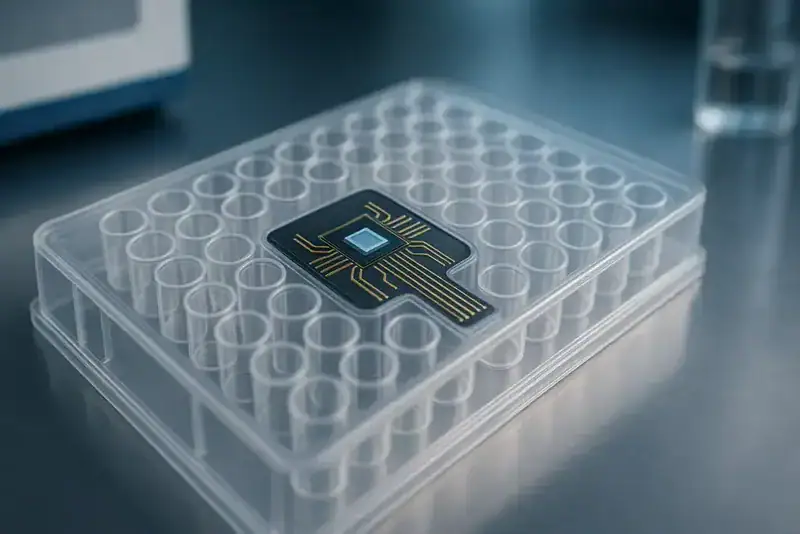
In the rapidly evolving landscape of life sciences, the integration of sensors into plastic consumables is emerging as a revolutionary advancement. These innovations promise to enhance the capabilities of laboratory plastics, from multiwell plates to customized labware, enabling real-time data collection and improved accuracy in laboratory workflows. This article delves into the principles, manufacturing challenges, and technological implications of sensor integration, providing an authoritative guide for researchers, lab managers, and biotech professionals.
Understanding the Role of Sensor Integration
Sensor integration in plastic consumables such as multiwell plates and cell culture vessels represents a significant leap in laboratory technologies. These consumables, once passive, now have the potential to become active data-gathering tools that enhance experimental reproducibility and efficiency.
- Facilitates real-time monitoring and control of environmental conditions
- Improves data accuracy and reliability through continuous data capture
- Enhances high-throughput screening (HTS) capabilities
Traditional Challenges in Laboratory Plasticware
Historically, laboratory plasticware has faced several limitations. Researchers have grappled with issues such as contamination, variability in material properties, and inadequate real-time monitoring capabilities, which impede the reliability of experimental results.
- Contamination risks due to porous surfaces
- Difficulty in achieving uniform material characteristics across batches
- Lack of integrated data collection capabilities
Advancements in Automation and Technology
Design and Material Considerations
The integration of sensors necessitates meticulous design considerations to ensure that the sensors function optimally without compromising the structural integrity of the plastic consumables. Material selection becomes crucial, with polymers like polystyrene (PS), polypropylene (PP), and cyclic olefin copolymer (COC) offering distinct advantages.
- Polystyrene: Known for optical clarity, ideal for imaging applications
- Polypropylene: Offers chemical resistance and flexibility
- Cyclic Olefin Copolymer: Balances optical properties and chemical resistance
Prototyping and Industrial Scale-Up
Developing sensor-integrated plastic consumables starts with prototyping, followed by scaling the production process. Early prototypes undergo rigorous testing to validate sensor accuracy and durability. As production shifts towards industrialization, maintaining dimensional accuracy and process robustness is essential.
- Prototyping strategies involve rapid iterations to refine designs and functionalities
- Scale-up to pilot and full production demands stringent quality control measures
- Robustness in process control ensures consistency across production batches
Injection Molding and Process Control
Injection molding remains the cornerstone of manufacturing sensor-integrated plastic consumables. This process requires finely tuned control settings and validation to ensure product consistency, especially under cGMP and GMP regulations.
- Critical process parameters include temperature, pressure, and cycle time
- Enhanced documentation practices provide traceability and compliance with regulatory standards
- Process validation ensures each batch meets rigorous standards
Ensuring Quality in Regulated Environments
The transition from development to cGMP-compliant production involves rigorous quality management systems. This transition focuses on ensuring that each production step, from tool design to final inspection, adheres to the standards expected by pharmaceutical and diagnostics-grade customers.
- Change control processes manage any variations in production or materials
- Qualification and validation principles underpin operational consistency
- Risk management strategies mitigate potential production failures
Continuez votre lecture pour explorer des perspectives et des stratégies plus avancées.
“`
“`html
Enhancing Data Analytics with Sensor-Integrated Consumables
Empowering Analytical Labs
The rise of sensor integration in plastic consumables allows laboratories to harness more precise data analytics, thus optimizing experimental outcomes and advancing scientific insights. By transforming traditional plasticware into smart, data-driven tools, labs can significantly enrich their data pools and enhance their analytical capabilities.
- Leverage predictive analytics to forecast experimental outcomes based on historical data
- Utilize real-time data for dynamic decision-making and instantaneous result adjustments
Applications in Pharmaceutical Research
Revolutionizing Drug Discovery
Sensor-integrated consumables are pushing the frontiers of pharmaceutical research, particularly in drug discovery and development. By enabling high-resolution data acquisition in environments like multiwell plates and cell culture systems, these technologies facilitate a deeper understanding of cellular responses and drug efficacy.
- Accelerate the identification of potential drug candidates with precise dose-response curves
- Conduct real-time toxicity evaluations to expedite safer drug delivery methods
Real-World Implementation: A Case Study
Innovative Success at Biotech Labs
One pioneering scenario is the integration of this technology at Biotech Labs, where sensor-embedded consumables led to a 30% increase in throughput efficiency. Monitoring critical parameters allowed for streamlined workflows in the cell culture department, resulting in reduced costs and enhanced productivity.
- Optimized culture conditions through automated feedback controls reduced manual adjustments
- Data-driven insights enabled dynamic resource allocation and workforce optimization
Challenges in Sensor Integration
Technical Hurdles and Solutions
Although revolutionary, integrating sensors into plastic consumables presents significant challenges, including the miniaturization of sensors and ensuring compatibility with biological samples. Balancing sensor functionality without disrupting the chemical compatibility of the consumables remains a continuous effort in development.
- Adopt miniaturization techniques using MEMS technology to maintain sensor precision without increasing the footprint
- Conduct thorough material compatibility assessments to prevent sample integrity issues
Quality Assurance and Calibration
Maintaining Accuracy and Reliability
Continuous calibration and rigorous quality assurance protocols are vital to maintain the precision of sensor-integrated consumables. Regular calibration against known standards ensures measurement accuracy, a critical requirement especially when these consumables are employed in diagnostic settings.
- Implement automated calibration systems with traceability features to ensure data integrity
- Engage in periodic vendor audits to verify compliance with quality assurance standards
Future of Sensor-Enabled Plastics in Lab Environments
Next-Generation Innovations
As the technology matures, we anticipate that sensor integration will evolve beyond just monitoring capabilities to encompass integrated actuators for self-regulating systems. This could revolutionize laboratory automation by enabling self-correcting systems that autonomously adjust experimental parameters in real-time.
- Potential applications include lab-on-chip systems with integrated sensing and actuation for microsampling
- Explore advancements in AI and machine learning to interpret sensor data for predictive applications
Economic Impact and Cost-Benefit Analysis
Understanding the Financial Implications
The long-term economic benefits of utilizing sensor-integrated consumables can be profound. While initial costs may be higher than traditional options, the value derived from increased data fidelity, reduced error rates, and streamlined workflows supports a compelling return on investment.
- Conduct full life-cycle cost analysis to assess total savings from error reduction and process efficiency
- Evaluate government and private funding opportunities favoring smart technology adoption in research labs
Ensuite, nous conclurons avec les points clés à retenir, les métriques et une conclusion percutante.
“`
“`html
Environmental Considerations
Sustainable Solutions in Research Labs
The advancement of sensor-integrated consumables also considers the environmental impact of laboratory waste. Sustainable design in consumables can significantly contribute to an eco-friendlier laboratory environment by reducing plastic waste and promoting recycling initiatives. Leveraging biodegradable materials and minimizing hazardous chemicals in consumable production are key elements in fostering greener laboratories.
- Integrate biodegradable materials that complement sensor functionality without sacrificing efficacy
- Establish recycling programs specifically for sensor-integrated consumables to minimize landfill contributions
Data Security and Privacy
Protecting Sensitive Information
The digital nature of sensor-enabled consumables in lab environments necessitates robust data security measures to protect sensitive research data. Implementing advanced encryption techniques and secure data transmission protocols are fundamental in ensuring the confidentiality and integrity of the data collected.
- Use end-to-end encryption for data transfer between consumables and lab management systems
- Adopt blockchain technology for tracking data modifications and ensuring authentic data provenance
Regulatory Compliance and Standards
Aligning Innovations with Regulations
Adhering to industry standards and regulatory requirements is crucial for the successful implementation of sensor-integrated consumables. Staying abreast of regulatory changes and incorporating compliance measures is essential for ensuring the safe and effective use of these technologies in laboratory settings.
- Stay updated with international standards such as ISO and ASTM for sensor-equipped laboratory equipment
- Collaborate with regulatory bodies to shape future standards that accommodate evolving technologies
Conclusion
Sensor integration in plastic consumables represents a groundbreaking leap forward in laboratory innovation. This transformation empowers labs to augment data collection precision, reduce experimental errors, and capitalize on advanced analytical capabilities—ultimately pushing the frontiers of discovery and efficiency. By revolutionizing drug research, empowering analytical labs, and enhancing throughput efficiency, sensor-enabled consumables are boosting productivity while providing valuable insights that drive scientific excellence.
As explored throughout this article, the adoption of these technologies does not come without challenges. Technical hurdles such as sensor miniaturization, material compatibility, and maintaining data integrity require continuous development and adherence to rigorous quality assurance practices. Despite these obstacles, the significant economic and environmental benefits make a compelling case for integrating sensor technologies in labs worldwide. The potential for future innovations, such as self-regulating systems and advanced AI analytics, promises further opportunities to enhance lab efficiency and scientific outcomes.
Achieving a successful transition to sensor-enabled consumables demands a cross-disciplinary approach that incorporates sustainable practice, robust data security, and compliance with stringent regulatory standards. By fostering innovation within a framework of responsibility and foresight, laboratories can ensure that these technologies provide maximum benefits to science and society. Now is the time for laboratories, businesses, and policymakers to invest in these pioneering solutions, embracing the exciting horizon of possibilities they present.
This transformative phase of innovation compels us to reflect upon our role in shaping the future of scientific exploration. As we stand on the precipice of a new era in laboratory research, let us commit to embracing these exceptional opportunities with shared dedication, propelling us toward a future where scientific inquiries are met with enhanced precision, sustainability, and impact. Dive into the realm of sensor-integration, explore its potential, and be a vanguard in elevating the trajectory of modern science.
“`
Why reproducibility breaks down in ultra-sensitive diagnostic platforms

“`html
Why Reproducibility Breaks Down in Ultra-Sensitive Diagnostic Platforms
Ultra-sensitive diagnostic platforms are critical in today’s research and clinical diagnostics, providing unparalleled sensitivity and specificity in detecting biomarkers. However, these platforms are often plagued by challenges in reproducibility, raising concerns among researchers and laboratory professionals. Understanding why reproducibility breaks down in ultra-sensitive diagnostic platforms is crucial for ensuring accurate results and scientific integrity. This article delves into the scientific principles, common experimental challenges, and strategies to enhance reproducibility in these cutting-edge diagnostic systems.
Understanding Sensitivity and Reproducibility
The Interplay of Sensitivity and Reproducibility
Sensitivity in diagnostic platforms refers to the ability to detect minute quantities of a particular analyte. While high sensitivity is advantageous in identifying early-stage diseases, it can also lead to variability due to background noise, reagent inconsistency, and sample handling errors. These factors contribute to why reproducibility breaks down in ultra-sensitive diagnostic platforms, as even minor deviations can significantly impact results.
- Ultra-sensitivity enhances disease detection capabilities but challenges reproducibility.
Continuez votre lecture pour explorer des perspectives et des stratégies plus avancées.
Role of Biological Variability
Impact of Biological Raw Materials
Reproducibility issues often stem from the biological variability of raw materials such as sera and plasma. Animal-derived biologicals like Fetal Bovine Serum (FBS) and human-derived components are prone to lot-to-lot variability, leading to inconsistent experimental outcomes. Establishing stringent quality parameters and traceability is crucial when using these materials in ultra-sensitive platforms to minimize variability.
- Biological materials contribute to the reproducibility challenges in diagnostics.
Continuez votre lecture pour explorer des perspectives et des stratégies plus avancées.
Quality Control and Documentation
Ensuring Consistency through Documentation
Documentation and traceability play vital roles in maintaining reproducibility in diagnostic platforms. By meticulously documenting reagents, handling conditions, and experimental protocols, researchers can identify and mitigate sources of inconsistency. Testing and documentation services are essential for long-term project stability, allowing for reproducibility improvements by standardizing processes.
- Thorough documentation aids in identifying reproducibility challenges.
Continuez votre lecture pour explorer des perspectives et des stratégies plus avancées.
Technological Solutions for Reproducibility
Leveraging Live-Cell Imaging Systems
Adopting advanced technologies such as incubator-compatible live-cell imaging systems can significantly enhance reproducibility. These systems offer continuous monitoring of cell behavior and provide documentation of serum or reagent effects, facilitating an improved understanding of experimental conditions. By integrating these insights, researchers can optimize their workflows, addressing why reproducibility breaks down in ultra-sensitive diagnostic platforms.
- Live-cell imaging offers a technological edge in monitoring and documenting experiments.
Continuez votre lecture pour explorer des perspectives et des stratégies plus avancées.
Conclusion
Synthesizing Strategies for Improved Reproducibility
Achieving reproducibility in ultra-sensitive diagnostic platforms requires a comprehensive approach, addressing biological variability, implementing robust quality control, and leveraging technological advancements. By understanding the underlying factors of variability, continuously refining protocols, and ensuring meticulous documentation, researchers can enhance reproducibility and reliability in their diagnostic endeavors.
- Integrating multiple strategies is key to overcoming reproducibility challenges.
“`
“`html
Techniques d'analyse avancées
Enhancing Precision with Mass Spectrometry
Mass spectrometry is a powerful technique that has revolutionized the field of ultra-sensitive diagnostics. It provides precise mass-to-charge ratio measurements, enhancing the detection and quantification of biomolecules at extremely low concentrations. Studies have shown that employing techniques such as tandem mass spectrometry (MS/MS) can minimize noise and improve signal clarity by fragmenting molecules and analyzing their components. This method is particularly beneficial in complex matrices where conventional techniques might fail due to overlapping interference and insufficient sensitivity.
- Mass spectrometry is pivotal for reducing noise and enhancing signal clarity in complex samples.
Standardizing Protocols
Building Consistency with Standard Operating Procedures (SOPs)
Standard Operating Procedures (SOPs) play a crucial role in standardizing diagnostic assays, which is critical for reproducibility. By documenting every step—from sample collection, processing, to data analysis—SOPs ensure consistency across different laboratories and even within the same lab over time. For example, a large-scale study conducted across multiple research institutions demonstrated a significant reduction in result variability when consistent SOPs were implemented. This systematic approach not only improves reproducibility but also enhances the reliability of diagnostic outcomes across diverse experiments.
- Implement SOPs to standardize procedures and reduce variability.
Emphasizing Statistical Rigor
Applying Robust Statistical Models
Incorporating robust statistical analyses is essential in understanding data derived from ultra-sensitive diagnostic platforms. Statistical models help discern true signals from noise, particularly in scenarios where high sensitivity could lead to false positives. Bayesian models and machine learning algorithms are being increasingly used to predict outcomes based on historical data, offering insights that enhance reproducibility and accuracy. For instance, employing these models in genomic studies has resulted in higher predictive accuracy and more reliable biomarker discovery, underscoring their value in diagnostics.
- Use advanced statistical models to improve the accuracy of diagnostic results.
Leveraging Automation
Streamlining Workflows with Automation Technologies
Automation in diagnostic laboratories is revolutionizing workflows by reducing human error and speeding up processes. Automated pipetting systems, precision robotic handlers, and integrated laboratory management software contribute to enhanced reproducibility. A case study involving a leading biotech firm highlighted how integrating automated liquid handlers into their diagnostic assays reduced procedural errors by 25% while increasing throughput by 40%. By minimizing manual intervention, these technologies facilitate consistent data output and optimize operational efficiency.
- Adopt automation technologies to enhance workflow efficiency and reduce errors.
Cross-Laboratory Collaborations
Collaborative Efforts to Harmonize Practices
Collaboration between laboratories globally can significantly enhance reproducibility by sharing protocols, data, and insights. Consortia and collaborative networks permit collective validation of diagnostic methods across different settings, thus fostering consistency and reliability in outcomes. The Human Biomolecular Atlas Program (HuBMAP) is an exemplary initiative where collaborative efforts have led to standardized practices and inter-laboratory reproducibility for biomarker identification. By harmonizing methodologies, such efforts contribute substantially to diagnostic advancements worldwide.
- Engage in collaborative networks to standardize practices and enhance consistency.
Training and Education
Empowering Personnel for Consistent Results
Investing in the training and continuous education of laboratory personnel is pivotal for maintaining reproducibility. Well-informed staff are better equipped to handle complex diagnostic platforms and understand the nuances of ultra-sensitive assays. Workshops, certification programs, and online courses focusing on both technical skills and data interpretation can bridge knowledge gaps. An institution specializing in precision medicine reported a 30% improvement in result consistency after implementing a comprehensive training program tailored to skill enhancement for new technologies.
- Prioritize personnel training to bolster understanding and reduce variability in results.
Ensuite, nous conclurons avec les points clés à retenir, les métriques et une conclusion percutante.
“`
“`html
Quality Assurance Measures
Integrating Quality Control for Enhanced Reproducibility
Stringent quality assurance (QA) measures are crucial for reproducibility in ultra-sensitive diagnostics. Routine equipment calibration, proficiency testing, and internal audits ensure that diagnostic platforms maintain their accuracy and precision over time. Leading laboratories have reported a substantial decrease in variability when comprehensive QA protocols are applied regularly. Implementing such measures helps in identifying and rectifying inconsistencies proactively, thereby preventing deviations before they impact results.
- Institute routine QA measures to safeguard diagnostic accuracy and consistency.
Data Integrity
Ensuring Data Fidelity through Rigorous Practices
Digital data management systems are vital in protecting data integrity in diagnostic platforms. Incorporating software solutions that log every data access and modification enhances traceability. Furthermore, blockchain technology is emerging as a promising tool for securing data transactions. By establishing a tamper-proof record of data handling, these technologies prevent unauthorized changes and provide a clear audit trail, ensuring that the integrity of diagnostic data is preserved at all times.
- Adopt advanced data management practices to uphold data integrity and traceability.
Future Directions
Paving the Way for Next-Generation Diagnostics
The future of ultra-sensitive diagnostic platforms lies in adopting cutting-edge technologies such as artificial intelligence and the Internet of Things (IoT). These technologies promise to enhance data analysis capabilities and improve diagnostics’ speed and accuracy. With AI-powered algorithms, real-time data analysis can lead to faster diagnostic decisions, while IoT devices will enable seamless data collection from remote locations, thus expanding the reach and impact of diagnostic services worldwide.
- Explore AI and IoT to drive innovation and efficiency in diagnostic platforms.
Conclusion
Throughout this discussion, we’ve delved into the multifaceted strategies essential for ensuring reproducibility in ultra-sensitive diagnostic platforms. From enhancing precision with mass spectrometry and standardizing protocols with SOPs, to applying robust statistical models and leveraging automation, each technique offers distinct improvements in diagnostic accuracy and reliability. Cross-laboratory collaborations and targeted training programs for personnel further reinforce these technological advancements by fostering an environment that values standardization and continuous education.
The integration of quality assurance measures, alongside cutting-edge data integrity practices, highlights the meticulous attention required to maintain consistency and precision in diagnostic outcomes. In looking forward, the exploration of AI and IoT technologies presents a compelling vision for the future, promising breakthroughs in speed and accessibility that represent the next evolution in diagnostic excellence.
This article embodies the commitment to driving progress in the diagnostic field by bridging the gaps in reproducibility. For those invested in this realm—whether researchers, practitioners, or stakeholders—the call to action is clear: embrace innovation, prioritize education, and foster collaboration to unlock the full potential of ultra-sensitive diagnostics. Together, these efforts will not only address the current challenges but will also propel us toward a future where diagnostic accuracy and reliability are not just standards, but expectations.
“`
Standardizing Cell Culture Workflows Across Labs With Automated Imaging

“`html
Standardizing Cell Culture Workflows Across Labs With Automated Imaging
In modern cell culture research, achieving consistent and replicable results across different laboratories is crucial. The complexities involved in cell culture workflows demand precision and standardization, which automated imaging systems can facilitate. This article delves into the common challenges encountered in traditional cell culture methods, the role of technological advances, and how laboratory automation tools like automated imaging can significantly enhance reproducibility and data quality in diverse research applications.
Challenges and Limitations of Traditional Cell Culture Approaches
Inconsistencies in Manual Techniques
Traditional cell culture methods often rely on manual observation and data collection, introducing a variable susceptible to human error. Pipetting discrepancies, variations in incubation times, and differing environmental conditions can all influence the results, potentially leading to inconsistencies and a lack of reproducibility between labs.
- Manual interventions increase the risk of contamination and error.
- Data subjectivity due to observer bias makes result interpretation complex.
- Standardization challenges across multi-site research initiatives.
Continuez votre lecture pour explorer des perspectives et des stratégies plus avancées.
Technological Advances and Automation Trends in Cell Culture
Integrating Automation for Enhanced Precision
Advancements in automation are transforming cell culture by automating repetitive tasks and enabling high-throughput capabilities. Automated imaging systems, such as the zenCELL owl, offer continuous, real-time monitoring of cell cultures within incubators, thus, enhancing reproducibility and data accuracy across different labs.
- Automation reduces human error and improves data reliability.
- Facilitates high-throughput screening and analysis with minimal intervention.
- Integration with artificial intelligence for predictive analysis.
Continuez votre lecture pour explorer des perspectives et des stratégies plus avancées.
Exemples pratiques et flux de travail utilisant l'imagerie de cellules vivantes
From Real-Time Monitoring to Data Integration
Live-cell imaging allows researchers to observe cellular processes in real-time, analyzing dynamic behaviors over extended periods. Automated systems like the zenCELL owl enable researchers to standardize live-cell imaging workflows by continuously capturing high-quality images within a controlled environment, thus eliminating variability.
- Provides comprehensive datasets for comprehensive analysis.
- Supports remote monitoring and data sharing across labs.
- Integrates seamlessly with existing laboratory information management systems (LIMS).
Continuez votre lecture pour explorer des perspectives et des stratégies plus avancées.
How Incubator-Based Imaging Improves Reproducibility and Data Quality
Optimizing Environmental Control and Data Accuracy
Incubator-based imaging systems, such as the zenCELL owl, ensure that imaging takes place in a stable, controlled environment, crucial for maintaining cell health and experimental conditions. This setup mitigates the risk of disruption due to environmental changes, ensuring consistency and repeatability in the collected data.
- Minimizes risk of contamination and maintains cell viability.
- Consistent environmental conditions lead to more reliable data.
- Supports longitudinal studies by providing uninterrupted observation.
Continuez votre lecture pour explorer des perspectives et des stratégies plus avancées.
Applications: Migration Assays, Organoids, Proliferation, and HTS
Expanding Research Horizons with Automated Imaging
Automated imaging systems like the zenCELL owl are revolutionizing applications such as migration assays, organoid studies, and proliferation analyses. These systems enable high-throughput screening (HTS) by providing rapid, reliable data collection and analysis capabilities crucial for drug discovery and developmental biology.
- Automates real-time monitoring in migration assays for precise analysis.
- Supports 3D culture and organoid research with consistent imaging.
- Facilitates proliferation studies by offering objective growth metrics.
Continuez votre lecture pour explorer des perspectives et des stratégies plus avancées.
“`
“`html
Improving Workflow Efficiency With Automated Imaging
Streamlining Cell Culture Processes
Automated imaging systems like the zenCELL owl play a pivotal role in boosting workflow efficiency within cell culture laboratories. By automating tedious tasks that typically consume a significant portion of a researcher’s time, these systems allow scientists to focus on data interpretation and experimental design rather than manual processes.
- Reduces time spent on routine observation and manual data entry.
- Facilitates parallel processing of multiple samples, enhancing throughput.
- Offers integrated scheduling tools for automated data capture, reducing downtime.
Leveraging AI and Machine Learning for Data Analysis
Enhancing Predictive Models and Insights
Integrating AI and machine learning algorithms with automated imaging systems enhances the analytical capabilities of labs. These advancements enable in-depth analysis of cellular patterns and behaviors, providing researchers with insights that might not be evident through manual assessment. For instance, machine learning models can predict treatment outcomes or disease progression patterns based on changes in cell morphology observed through imaging data.
- Utilizes pattern recognition to identify cellular anomalies early.
- Supports predictive modeling for therapeutic efficacy evaluations.
- Provides valuable predictive insights to guide experimental design and decision-making.
Advanced Automation in Drug Testing and Discovery
Revolutionizing Pharmacological Research
Automated imaging has become an indispensable tool in drug discovery processes. High-throughput screening (HTS) capabilities allow researchers to rapidly test thousands of compounds, analyzing the effects on cellular models with precision and accuracy. This automation streamlines lead identification and optimization, significantly accelerating the drug discovery cycle and reducing costs associated with manual testing methodologies.
- Enables comprehensive screening of vast chemical libraries efficiently.
- Improves accuracy in detecting drug-induced phenotypic changes.
- Accelerates the lead optimization process by providing real-time feedback on compound efficacy.
Facilitating Collaborative Remote Research
Breaking Geographical Barriers in Scientific Collaboration
With the advent of automated imaging systems, laboratories can effectively break down geographical barriers that once hindered collaborative research. By enabling remote monitoring and data access, multi-site projects can be seamlessly unified, offering researchers the ability to collaborate in real-time. Data can be shared and analyzed across borders, fostering a truly global research environment and enabling institutions to leverage diverse expertise and resources.
- Allows real-time data sharing and collaborative analysis between institutes.
- Optimizes resource allocation by facilitating joint ventures across research facilities.
- Promotes a unified approach to tackling complex research questions on a global scale.
Implementing Automated Quality Control
Ensuring Consistency and Reliability
Quality control is vital in cell culture to ensure the reliability of experimental results. Automated imaging systems are equipped with sophisticated algorithms that automatically detect and flag anomalies or deviations in cell cultures. This built-in quality control mechanism ensures that only accurate and reliable data is considered for analysis, thus enhancing the overall quality of research outcomes.
- Automates the detection of culture contamination and irregularities.
- Ensures standardized criteria are met consistently across datasets.
- Supports consistent quality management, reducing the need for manual oversight.
Case Study: Enhancing Cancer Research with Automated Imaging
Beyond Traditional Microscopy
A pioneering cancer research lab integrated automated imaging to monitor cell proliferation and response to therapies in real-time. By using the zenCELL owl system, the lab achieved higher consistency in their experimental approaches, enabling them to identify potential therapeutic targets with greater accuracy and reduce experimental turnaround time by 25%. This strategic implementation not only improved data quality but also allowed for quicker transitions from discovery to preclinical testing stages.
- Facilitated quick identification of effective therapeutic agents.
- Reduced experimental repeat times, leading to faster project completions.
- Improved collaborative efforts with outside institutions through enhanced data sharing.
Ensuite, nous conclurons avec les points clés à retenir, les métriques et une conclusion percutante.
“`
“`html
Integrating Automated Imaging in Personalized Medicine
Tailoring Therapies to Individual Needs
As personalized medicine continues to advance, the integration of automated imaging systems into its workflows holds transformative potential. By providing real-time visual data and analysis, these systems support clinicians and researchers in developing highly targeted therapies tailored to individual genetic and cellular profiles. Automated imaging facilitates the precise monitoring of patients’ cellular responses to treatments, enabling immediate adjustments to therapeutic strategies and enhancing overall patient outcomes.
- Enables precision in monitoring patient-specific responses to treatments.
- Supports the development of personalized therapeutic regimens.
- Enhances data accuracy through consistent, automated observations.
Economizing Resource Allocation in Research Labs
Maximizing Lab Efficiency and Cost Management
Automating imaging processes aids laboratories in optimizing their resource allocation. By mitigating the need for manual oversight, laboratories can reallocate human resources to more sophisticated tasks, thus maximizing the productivity and cost-effectiveness of research endeavors. Investing in automated systems not only reduces long-term operational costs but also enhances the strategic allocation of budgetary resources towards higher-impact research projects.
- Decreases labor costs by reducing the need for manual monitoring.
- Enhances financial allocation toward innovative research initiatives.
- Improves overall lab efficiency, boosting productive output.
Predictive Analysis for Future Research Directions
Shaping the Future of Scientific Discoveries
By employing predictive analysis capabilities built into automated imaging systems, researchers are better equipped to forecast emerging trends and direct the future of scientific exploration. These systems offer profound insights into likely developmental paths and potential research frontiers. Predictive capabilities assist in identifying promising research areas, ensuring that labs stay at the forefront of innovation, continually pushing the boundaries of what is scientifically achievable.
- Assists in identifying untapped research potentials and directions.
- Enables proactive engagement with emerging scientific trends.
- Directs strategic planning for future research and development efforts.
Conclusion
The integration of automated imaging systems in cell culture laboratories represents a pivotal advancement in modern scientific research. As observed, these systems eliminate mundane manual tasks, thereby allowing scientists to redirect their focus towards critical analytical and interpretative functions. The increased efficiency observed in cell culture processes translates into significant improvements in workflow consistency, accuracy, and speed—areas that are crucial for experimental success.
Key takeaways highlight the transformative impact automated imaging has in enhancing the throughput of laboratory functions and its essential role in supporting the evolving landscape of personalized medicine, resource management, and predictive research analysis. These benefits empower laboratories to operate at unprecedented levels of efficiency and effectiveness, making impactful contributions to both the scientific community and global research efforts.
As automation in the laboratory continues to evolve, it reinforces the attainment of robust, reliable, and repeatable research outcomes. Integrating these technologies ensures that scientific inquiry does not remain confined to traditional limitations but rather embraces a forward-thinking approach that leverages the strengths of technology. The adoption of automated imaging technology is not merely a trend, but a necessary progression and a catalyst that propels the scientific world toward innovative horizons.
The continued exploration and implementation of these advanced systems stand as a call to action for researchers and institutions alike. By embracing these technological advancements, stakeholders commit to achieving greater insights and progressing towards admirable milestones in scientific advancement. Let us lead with innovation and precision, pioneering the future of research with passion and purpose.
“`
Du prototype à la production en série (OEM)

Du prototype à la production en série (OEM)
Dans le paysage en constante évolution des sciences de la vie, la transition du développement de prototypes à la production en série de produits plastiques de laboratoire n'est pas seulement un défi technique, mais une nécessité pour l'innovation. Cet article explore le cheminement nuancé qui consiste à transformer un concept de plastique de laboratoire, tel que les plaques multipuits et les récipients spécialisés pour la culture cellulaire, de la conception initiale à une production OEM réussie en série. Nous examinerons des aspects critiques tels que la conception pour la fabrication (DFM), la sélection des matériaux et la conformité réglementaire, offrant ainsi aux professionnels biomédicaux un guide approfondi pour naviguer dans ces voies complexes.
Développement de produits – Plastiques de laboratoire
Conception pour la fabrication (DFM) et sélection des matériaux
Le développement de consommables de laboratoire en plastique tels que les plaques multipuits exige une attention méticuleuse aux principes de conception pour la fabrication, garantissant que le produit peut être fabriqué efficacement et de manière fiable à grande échelle. La sélection des matériaux appropriés est primordiale ; des options comme le polystyrène (PS), le polypropylène (PP) et le copolymère d'oléfine cyclique (COC) offrent des propriétés variées qui répondent à différents besoins d'application. Par exemple, le PS offre une clarté optique essentielle pour les applications d'imagerie, tandis que le PP offre une résistance chimique et le COC assure d'excellentes propriétés de barrière.
- Polystyrène (PS) : Idéal pour les applications optiques avec une transparence élevée et une facilité de stérilisation.
- Polypropylène (PP) : Offre robustesse et résistance aux produits chimiques et aux hautes températures.
- Copolymère d'oléfine cyclique (COC) : Convient aux applications nécessitant des propriétés de barrière à l'humidité et aux gaz.
Traitements de surface et applications
Les traitements de surface tels que les traitements pour culture de tissus ou les revêtements spéciaux peuvent améliorer l'adhérence et la viabilité cellulaires, ce qui est essentiel dans des applications telles que la culture de cellules souches ou les essais microbiologiques. Par exemple, les surfaces traitées pour la culture de tissus facilitent une meilleure fixation des cellules, favorisant un comportement cellulaire plus physiologique dans les études de culture.
- Traitement par culture tissulaire (TC) : Améliore l'adhérence cellulaire et la surface de croissance.
- Revêtements Spéciaux : Options non traitées et traitées pour des exigences spécifiques d'essais.
Stratégies de prototypage
Le prototypage est une phase cruciale où les hypothèses de conception sont testées, permettant des itérations rapides. Les techniques de fabrication additive, telles que l'impression 3D, offrent une approche agile pour prototyper des géométries complexes. Associées à des dispositifs rudimentaires de moulage par injection, ces méthodes facilitent l'évolution des conceptions vers des produits manufacturables de manière efficace et économique.
- Impression 3D : Permet une itération et des tests rapides des concepts de conception.
- Moulage par injection précoce : fournit des informations sur la fabricabilité et le comportement des matériaux.
Poursuivez votre lecture pour découvrir des aperçus et des stratégies plus avancés, du prototypage à la production en série.
Outillage et transposition d'échelle
Du prototypage à la mise en œuvre et aux outillages industriels
Le passage du prototype à l'outillage pilote marque une phase critique dans la mise à l'échelle de la production. Les outils pilotes sont généralement fabriqués à partir de matériaux plus tendres pour réduire les coûts et permettre des modifications plus rapides. À mesure que les conceptions se stabilisent, l'investissement dans un outillage industriel de haute capacité devient nécessaire, offrant durabilité et précision pour la production de masse tout en garantissant la précision dimensionnelle et la reproductibilité.
- Outils pilotes : Permet des ajustements incrémentiels et des tests des processus de production.
- Outillage industriel : conçu pour la longévité, facilitant la production à grande échelle.
Évolutivité et robustesse des processus
La scalabilité est au cœur des stratégies de production des équipementiers, la reproductibilité étant primordiale. Assurer la robustesse du processus par des protocoles de validation rigoureux permet de maintenir la cohérence entre les lots, un aspect crucial pour répondre aux normes industrielles strictes et aux exigences réglementaires.
- Validation de processus : garantit que les processus de production fournissent une qualité constante.
- Cohérence des lots : Essentielle pour maintenir l'intégrité et la performance du produit.
Continuez votre lecture pour approfondir les subtilités du moulage par injection et le contrôle des procédés.
“`html
Expertise en moulage par injection
Contrôle de processus détaillé
Le moulage par injection constitue une pierre angulaire de la production en série de plastiques de laboratoire. Ce procédé permet la création de composants en plastique de précision nécessaires à la fabrication de produits de laboratoire de haute qualité. Des contrôles de procédé avancés sont essentiels, garantissant la stabilité et une déviation minimale dans la production de masse. Des paramètres tels que la température, la pression et le temps doivent être méticuleusement surveillés et ajustés à l'aide de systèmes de pointe pour obtenir une qualité de produit optimale.
- Utiliser des capteurs automatisés et des systèmes de surveillance en temps réel pour affiner le contrôle des processus.
Techniques avancées d'assurance qualité
Assurer l'excellence des produits
L'assurance qualité (AQ) fait partie intégrante du cycle de vie de la production de plastiques de laboratoire, de la conception initiale à la production de masse. Des techniques avancées comme le contrôle statistique des processus (MSP) et les méthodologies Six Sigma aident à maintenir des normes de qualité strictes. En mettant en œuvre des protocoles d'AQ robustes, les fabricants peuvent détecter les défauts à un stade précoce, réduire les déchets et garantir que les produits répondent aux spécifications exactes.
- Utilisez les outils SPC pour suivre les performances de production et identifier les domaines à améliorer.
Conformité réglementaire et documentation
Naviguer dans les paysages réglementaires
La conformité aux normes réglementaires mondiales, telles que l'ISO 13485 et les réglementations de la FDA, est obligatoire pour les équipementiers produisant des plastiques de laboratoire. Une documentation complète, comprenant des rapports de validation et un système de gestion de la qualité (SMQ) traçable, soutient la conformité. Rester informé des mises à jour réglementaires et former les équipes est crucial pour atténuer les risques et rationaliser l'entrée sur le marché.
- Développer un SGC robuste qui s'aligne sur les normes réglementaires pour assurer la conformité continue.
Optimisation de la chaîne d'approvisionnement
Créer des systèmes agiles et résilients
L'intégration de stratégies d'optimisation de la chaîne d'approvisionnement garantit un flux constant de matières premières et de composants, essentiels pour maintenir l'élan de la production. Le partenariat avec des fournisseurs fiables et la mise en œuvre de protocoles de livraison juste-à-temps peuvent minimiser les coûts de stockage et améliorer l'efficacité opérationnelle. Les solutions logistiques avancées et les systèmes de gestion des stocks numériques aident à prévoir et à gérer efficacement les fluctuations de la demande.
- Intégrer des solutions de chaîne d'approvisionnement numérique pour un suivi en temps réel et une gestion adaptative des stocks.
Pratiques de production durables
Équilibrer l'efficacité et la responsabilité environnementale
Les pratiques écoresponsables dans la fabrication sont de plus en plus critiques. La mise en œuvre de processus économes en énergie, le recyclage des déchets et l'utilisation de matériaux biodégradables s'alignent sur les objectifs de durabilité. De plus, les analyses de cycle de vie (ACV) peuvent identifier des opportunités de durabilité, permettant aux fabricants de réduire leur empreinte carbone tout en maintenant l'efficacité de la production.
- Intégrez des ACV pour évaluer et réduire l'impact environnemental de vos processus de production.
Étude de cas : Succès en phase d'expansion
Défis et solutions de mise à l'échelle dans le monde réel
Prenons l'exemple d'une entreprise qui passe de la phase de prototypage à la production à grande échelle d'un nouveau modèle de plaque multipuits. En tirant parti des enseignements tirés des premiers outils pilotes et en affinant son processus de moulage par injection, l'entreprise a réduit le taux de défauts de 301 %. De plus, l'investissement dans des systèmes automatisés d'assurance qualité a facilité la mise en conformité avec la norme ISO 13485, garantissant ainsi la cohérence des produits sur l'ensemble des marchés mondiaux.
- Analysez les succès de mise à l'échelle passés pour identifier des stratégies et des méthodologies exploitables adaptées à vos objectifs de production.
Intégration de l'automatisation et de l'Industrie 4.0
Technologies transformatrices dans la fabrication
L'Industrie 4.0 représente un changement de paradigme vers la fabrication intelligente grâce à l'automatisation et à l'échange de données. L'intégration d'appareils IoT et de robots avancés améliore l'efficacité des chaînes de production et la qualité des produits. La maintenance prédictive et l'analyse pilotée par l'IA optimisent davantage les opérations, réduisant les temps d'arrêt et les coûts associés aux pannes d'équipement.
- Adoptez les technologies de l'Industrie 4.0 pour améliorer l'agilité, la précision et l'adaptabilité de la production.
Ensuite, nous conclurons avec les points clés à retenir, les métriques et une conclusion percutante.
“`
“`html
Facteurs Humains et Conception Ergonomique
Concevoir des solutions centrées sur l'utilisateur
Pour les plastiques de laboratoire, les principes de facteurs humains et de conception ergonomique jouent un rôle essentiel pour garantir la convivialité et la satisfaction. Comprendre comment les utilisateurs finaux interagissent avec les produits permet aux concepteurs de créer des articles de laboratoire plus intuitifs et plus sûrs. En tenant compte de l'ergonomie pendant la phase de conception, les fabricants peuvent améliorer le confort et la fonctionnalité, conduisant ainsi à de meilleures expériences utilisateur et à une réduction des taux d'erreur dans les environnements de laboratoire.
- Intégrer des boucles de rétroaction utilisateur dans la phase de conception pour perfectionner les caractéristiques ergonomiques adaptées aux applications spécifiques de laboratoire.
Partenariats d'innovation collaborative
À l'avant-garde de l'avantage concurrentiel
Les partenariats stratégiques et les collaborations ouvrent de nouvelles voies d'innovation dans la fabrication de plastiques de laboratoire. En s'alignant avec des institutions de recherche, des développeurs de technologie et d'autres fabricants d'équipement d'origine (OEM), les entreprises peuvent mettre à profit une expertise diversifiée pour co-développer des produits de nouvelle génération. De telles alliances peuvent également faciliter l'accès à des technologies de pointe et accélérer le délai de mise sur le marché, offrant un avantage concurrentiel tant en matière d'innovation que d'utilisation des ressources.
- Créez des équipes interfonctionnelles qui englobent des experts internes et des partenaires externes pour favoriser une culture d'innovation.
Conclusion
En résumé, le passage du prototype à la production en série dans le domaine des plastiques de laboratoire est à la fois complexe et gratifiant. En perfectionnant leur expertise en moulage par injection et en intégrant des pratiques avancées d'assurance qualité et de conformité réglementaire, les fabricants peuvent livrer de manière constante des produits de haute qualité. L'optimisation de la chaîne d'approvisionnement, associée à des pratiques de production durables, garantit que les opérations sont aussi efficaces qu'elles sont respectueuses de l'environnement. De plus, grâce à l'intégration de l'automatisation et des technologies de l'Industrie 4.0, les entreprises peuvent révolutionner leur efficacité de fabrication, ce qui conduit à des systèmes de production plus agiles et adaptatifs.
Aborder les facteurs humains et encourager les innovations collaboratives sont essentiels pour maintenir un avantage concurrentiel. En se concentrant sur la conception ergonomique et les solutions centrées sur l'utilisateur, les fabricants peuvent améliorer la fonctionnalité et la satisfaction des utilisateurs des plastiques de laboratoire. Les partenariats collaboratifs peuvent servir de catalyseur d'innovation, ouvrant la voie au développement de nouveaux produits et renforçant le leadership industriel.
La pertinence de ces stratégies ne saurait être surestimée. Alors que la demande de plastiques de laboratoire augmente, les fabricants doivent naviguer dans les complexités de la production avec précision et clairvoyance. En adoptant les technologies modernes et les pratiques durables, et en se concentrant sur la collaboration et la conception centrée sur l'utilisateur, les fabricants peuvent non seulement répondre aux demandes actuelles du marché, mais aussi anticiper les tendances futures.
Alors que vous franchissez les prochaines étapes pour faire progresser vos capacités de fabrication, envisagez de mettre en œuvre les stratégies et les idées partagées dans cet article. Que vous amélioriez vos opérations existantes ou que vous vous lanciez dans des projets d'expansion ambitieux, le chemin vers le succès réside dans l'adoption d'une approche holistique qui équilibre l'innovation avec l'excellence opérationnelle. Saisissez ces opportunités pour transformer les défis en réussites, et propulsez votre entreprise vers un avenir marqué par une croissance durable et un leadership industriel.
“`
Comment les intrants biologiques influencent la robustesse des essais dans des conditions de stress

“`html
Comment les intrants biologiques influencent la robustesse des essais dans des conditions de stress
Le rôle des sérums d'origine animale dans la performance des essais
Fonction biologique et variabilité
Les sérums dérivés d'animaux, y compris le sérum bovin fœtal (SBF) et le plasma bovin, sont des composants essentiels dans de nombreux systèmes de culture cellulaire. Ils fournissent des nutriments, des facteurs de croissance et des hormones essentiels, indispensables au maintien de la viabilité et de la fonction cellulaires. Cependant, la variabilité inhérente d'un lot à l'autre dans de tels matériaux biologiques peut introduire une variabilité expérimentale significative. Une telle variabilité peut affecter la robustesse d'un essai, en particulier dans des conditions de stress où les cellules peuvent se comporter de manière imprévisible.
- Les sérums de haute qualité sont essentiels pour minimiser la variabilité d'un lot à l'autre.
- Des mesures de contrôle qualité complètes peuvent aider à standardiser la qualité des lots.
- La documentation et la traçabilité restent cruciales dans la manipulation des intrants d'origine animale.
Continuez votre lecture pour explorer des perspectives et des stratégies plus avancées.
Produits biologiques dérivés de l'homme : considérations éthiques et réglementaires
Impact de la variabilité des donneurs
Les produits biologiques d'origine humaine, tels que le sérum et le plasma, sont essentiels pour la culture de cellules primaires et les essais immunologiques. Ces matériaux reflètent souvent des facteurs complexes spécifiques au donneur qui peuvent affecter la cohérence des essais. L'approvisionnement éthique et la conformité aux normes réglementaires sont obligatoires, garantissant ainsi la reproductibilité et la validité éthique des expériences.
- L'approvisionnement éthique atténue les risques associés aux intrants d'origine humaine.
- Comprendre la variabilité des donneurs aide à interpréter les résultats des essais.
- La conformité réglementaire garantit le maintien des normes éthiques.
Continuez votre lecture pour explorer des perspectives et des stratégies plus avancées.
Réactifs et Solutions de Culture Cellulaire : Fonctionnalité et Reproductibilité
Garantir des résultats fiables
Les réactifs utilisés en immunologie, en diagnostic et en recherche d'anticorps doivent remplir des rôles fonctionnels spécifiques tout en maintenant une reproductibilité élevée. Des conditions de manipulation et de stockage appropriées influencent directement leur stabilité et leurs performances dans des conditions de stress. L'utilisation d'une documentation fiable et de tests par lots améliore la reproductibilité des résultats expérimentaux.
- Un stockage approprié prolonge la durée de vie fonctionnelle des réactifs.
- La documentation par lots favorise la reproductibilité entre les expériences.
- Des protocoles de manipulation efficaces sont essentiels au maintien de la qualité des réactifs.
Continuez votre lecture pour explorer des perspectives et des stratégies plus avancées.
Services scientifiques : Soutien aux flux de travail de recherche robustes
Réduction de la variabilité biologique
Les services scientifiques, notamment le développement d'anticorps et l'approvisionnement biologique personnalisé, jouent un rôle essentiel dans la réduction de la variabilité biologique. En garantissant les réservations de lots et en effectuant des tests méticuleux, les chercheurs peuvent atténuer les risques liés à la diversité des matières premières. Ces services assurent la stabilité des projets et la fiabilité à long terme des essais cellulaires dans diverses conditions de stress.
- L'approvisionnement personnalisé réduit la variabilité des intrants biologiques.
- Les réservations par lot garantissent une qualité de matériau constante dans le temps.
- Des tests méticuleux favorisent la fiabilité à long terme du projet.
Continuez votre lecture pour explorer des perspectives et des stratégies plus avancées.
Utilisation de l'imagerie de cellules vivantes pour une surveillance continue
Surveillance du comportement cellulaire
Un système d'imagerie de cellules vivantes compatible avec incubateur, comme le zenCELL owl, est essentiel pour le suivi continu du comportement cellulaire et la documentation des effets de différents sérums ou réactifs. De tels systèmes peuvent fournir des perspectives critiques sur la manière dont les intrants biologiques impactent la robustesse des essais, facilitant ainsi une meilleure reproductibilité et une meilleure compréhension des réponses cellulaires dans des conditions de stress.
- L'imagerie en temps réel documente les réponses cellulaires aux intrants biologiques.
- La surveillance continue aide à identifier les perturbations subtiles des essais.
- Prends en charge des expériences de culture cellulaire reproductibles et à long terme.
Continuez votre lecture pour explorer des perspectives et des stratégies plus avancées.
“`
“`html
Intégrer l'IA et l'apprentissage automatique dans la conception d'essais
Amélioration de la modélisation de tests prédictifs
L'intelligence artificielle (IA) et l'apprentissage automatique (ML) révolutionnent la manière dont les dosages biologiques sont conçus et optimisés. Ces technologies permettent aux scientifiques de prédire comment différentes entrées biologiques pourraient affecter les résultats des dosages dans des conditions de stress. En analysant de vastes ensembles de données, les modèles d'IA peuvent découvrir des modèles et des corrélations souvent invisibles à l'œil humain, améliorant ainsi la prédiction de la performance et de la robustesse des dosages.
- Tirer parti de l'IA pour simuler des scénarios d'analyse potentiels et leurs résultats.
- Utiliser des algorithmes d'apprentissage automatique pour analyser les tendances des réponses des intrants biologiques.
- Implémenter des outils d'IA pour l'optimisation des essais basée sur les données.
Méthodes statistiques avancées pour l'analyse de données
Amélioration de la précision interprétative
La rigueur statistique est essentielle pour analyser la variabilité introduite par les intrants biologiques dans des conditions de stress. Des méthodes statistiques avancées, telles que l'analyse bayésienne ou l'analyse multivariée des données, permettent aux chercheurs d'interpréter les données avec une plus grande précision. Ces techniques peuvent identifier des schémas sous-jacents, réduire les biais et améliorer la fiabilité des conclusions expérimentales.
- Appliquer les méthodes bayésiennes pour incorporer des connaissances antérieures dans l'analyse des données.
- Utilisez l'analyse multivariée pour explorer des jeux de données complexes avec plusieurs variables.
- Assurer une validation statistique rigoureuse pour des résultats robustes et reproductibles.
Intégration du criblage à haut débit
Augmenter l'échelle pour l'efficacité
La technologie de criblage à haut débit (HTS) permet aux chercheurs d'évaluer simultanément des milliers d'intrants biologiques et de conditions de test. Cette approche est inestimable pour évaluer les effets des conditions de stress, car elle offre un aperçu complet des interactions potentielles et optimise la sélection de conditions de test robustes.
- Intégrer des plateformes HTS pour évaluer de nombreuses variables en une seule expérience.
- Utilisez les données HTS pour rationaliser les processus de développement d'essais.
- Accélérer l'identification des combinaisons d'intrants optimales grâce aux résultats du criblage à haut débit.
Adopter les principes de la Qualité par Conception (QbD)
Approche Structurée du Développement de Dosage
La Qualité par la Conception (QbD) est une approche systématique qui intègre la qualité dès la phase de conception du développement d'un test. En se concentrant sur les attributs de qualité critiques et les paramètres du processus, la QbD peut réduire considérablement la variabilité et améliorer la robustesse des tests. Cette méthodologie aide également à soumettre les tests à des conditions plus rigoureuses pour assurer leur performance constante dans des conditions difficiles.
- Planifier des expériences avec un cadre QbD pour une variabilité réduite.
- Identifier et contrôler les variables clés affectant la performance du dosage.
- Mener des évaluations continues des risques pour améliorer le contrôle des processus.
Développer des stratégies complètes de gestion des risques
Atténuation de l'incertitude et de la variabilité
Des stratégies efficaces de gestion des risques sont essentielles pour faire face à l'imprévisibilité des intrants biologiques dans les essais. Des techniques telles que l'analyse des modes de défaillance et de leurs effets (AMDE) et les matrices de risques peuvent aider à identifier et à prioriser les problèmes potentiels avant qu'ils n'affectent les résultats des essais, en particulier dans des conditions de stress.
- Utiliser l'AMDEC pour évaluer les défaillances potentielles dans les processus d'analyse (dosage).
- Créer une matrice de risques pour prioriser et gérer les perturbateurs potentiels d'un essai.
- Mettre en œuvre des mesures proactives pour traiter les facteurs à haut risque de manière efficiente.
Utilisation de logiciels open source pour l'intégration de données
Faciliter la consolidation transparente des données
L'intégration des données à travers les différentes étapes du développement des essais est essentielle pour maintenir la robustesse. Les solutions logicielles open source offrent des plateformes flexibles pour consolider les données provenant de diverses sources, améliorant la transparence et la traçabilité des intrants biologiques. Cette approche intégrée contribue à mieux contrôler la variabilité dans des conditions de stress.
- Utilisez des logiciels open source pour une gestion de données évolutive et transparente.
- Améliorer la collaboration interfonctionnelle grâce à des plateformes de données partagées.
- Faciliter l'intégration de données en temps réel pour une prise de décision éclairée.
Mise en œuvre de méthodologies de dosage adaptatif
Amélioration de la flexibilité et de la réactivité
Les méthodologies adaptatives permettent l'ajustement dynamique des conditions de dosage en temps réel, ce qui est particulièrement bénéfique dans des conditions de stress. En employant des méthodes adaptatives, les chercheurs peuvent modifier les paramètres en fonction des résultats en temps réel, ce qui améliore la robustesse et la fiabilité des dosages.
- Intégrer des éléments de conception adaptatifs pour répondre aux observations d'essais en temps réel.
- Permettre une flexibilité dans les conditions d'essai pour répondre à la variabilité des entrées.
- Améliorer la surveillance des données en temps réel pour des ajustements proactifs.
Ensuite, nous conclurons avec les points clés à retenir, les métriques et une conclusion percutante.
“`
“`html
Assurer la robustesse grâce à la stimulation environnementale
Simulation des conditions réelles
Comprendre comment les dosages réagissent aux facteurs de stress du monde réel est essentiel pour en garantir la fiabilité. En introduisant des stimuli environnementaux tels que les fluctuations de température, les changements de pH et les contraintes mécaniques pendant les tests, les chercheurs peuvent mieux évaluer la flexibilité et la stabilité des dosages. Cette approche imite non seulement les défis de la vie réelle, mais aide également à identifier les points de défaillance potentiels qui pourraient affecter la robustesse d'un dosage dans son application réelle.
- Utilisez des variations contrôlées pour étudier les réponses d'essais dans différentes conditions environnementales.
- Évaluer la performance du dosage grâce à des stratégies rigoureuses de tests de stress.
- Intégrer les résultats de simulations environnementales dans les processus d'affinage des essais.
Utiliser l'automatisation dans les flux de travail d'essais
Conduire la cohérence et l'efficacité
L'automatisation des flux de travail d'essais minimise les erreurs humaines et la variabilité, tout en augmentant le débit et la cohérence. Les systèmes automatisés peuvent gérer des tâches répétitives avec précision, gérer efficacement de grands ensembles de données et s'adapter rapidement aux évaluations des conditions de stress. Ces systèmes améliorent non seulement la fiabilité des résultats, mais libèrent également un temps précieux pour les chercheurs afin qu'ils se concentrent sur les améliorations stratégiques et l'analyse.
- Intégrer des plateformes automatisées pour garantir un traitement cohérent des essais.
- Simplifiez le traitement et l'analyse des données grâce à des outils automatisés.
- Utilisez l'automatisation pour faciliter efficacement les tests de contrainte à haut débit.
Adopter l'intégration multi-omiques
Analyse complète pour des décisions éclairées sur les dosages
L'intégration multiomique consiste à combiner des données issues de la génomique, de la protéomique, de la métabolomique et d'autres disciplines omiques afin de fournir une vision plus holistique des réponses biologiques. Cette approche intégrée permet aux chercheurs d'observer des interactions complexes dans des conditions de stress et d'affiner en conséquence les paramètres des essais. En employant des stratégies multiomiques, les développeurs d'essais peuvent glaner des informations complètes qui favorisent le développement d'essais plus robustes et résilients.
- Intégrer les données omiques pour comprendre les réponses biologiques complexes.
- Utiliser les informations multi-omiques pour affiner et améliorer la conception des essais.
- Favoriser la collaboration interdisciplinaire pour des perspectives d'élaboration d'essais plus riches.
Conclusion
Cet article aborde les stratégies multidimensionnelles qui améliorent la robustesse des essais biologiques dans des conditions de stress. De l'intégration de l'IA et du ML dans la modélisation prédictive à l'adoption des principes de Quality by Design, ces stratégies soulignent collectivement l'importance de la précision, de l'efficacité et de l'adaptabilité dans la conception et l'exécution des essais. Le criblage à haut débit et l'automatisation sont des technologies transformatrices qui amplifient les opérations, tandis que les stratégies de gestion des risques et les méthodologies adaptatives protègent contre la variabilité et l'incertitude. De plus, l'incorporation de méthodes statistiques avancées et de logiciels libres garantit l'intégrité des données et une intégration transparente à toutes les étapes du développement des essais.
L'intégration de ces techniques renforce non seulement les essais contre les perturbations externes, mais stimule également l'innovation dans l'industrie des sciences de la vie. Les chercheurs disposent désormais de méthodologies robustes pour libérer tout le potentiel des essais, offrant des aperçus plus clairs des processus biologiques et faisant progresser la découverte scientifique. L'accent mis sur l'intégration multi-omique souligne davantage une approche globale pour comprendre et manipuler les systèmes biologiques, cultivant un niveau de précision et de fiabilité plus profond dans les résultats de la recherche.
En perspective, il est crucial que les communautés scientifiques continuent d'adopter ces stratégies innovantes, car elles détiennent le pouvoir de révolutionner les pratiques actuelles et d'établir de nouvelles normes d'excellence. Alors que le paysage de la recherche scientifique évolue, ces méthodologies offrent des outils indispensables pour naviguer dans les complexités des essais biologiques, conduisant ainsi à des découvertes révolutionnaires et à des avancées technologiques.
Pour exploiter ces capacités, les professionnels du domaine sont encouragés à explorer les vastes ressources et outils disponibles, à collaborer entre disciplines et à rester engagés dans le perfectionnement et l'expansion de ces méthodologies. Ce faisant, ils ouvriront la voie à des entreprises scientifiques plus résilientes, précises et percutantes. L'avenir de la conception et du développement d'essais est au seuil de possibilités passionnantes, et l'intégration de ces stratégies robustes pourrait bien être le catalyseur nécessaire pour les saisir. Aventurez-vous dans le royaume de l'exploration biologique avec confiance, sachant que ces protocoles renforceront votre capacité à obtenir des résultats scientifiques remarquables.
“`