Barrier Function & TEER-like Readouts
“`html
Barrier Function & TEER-like Readouts
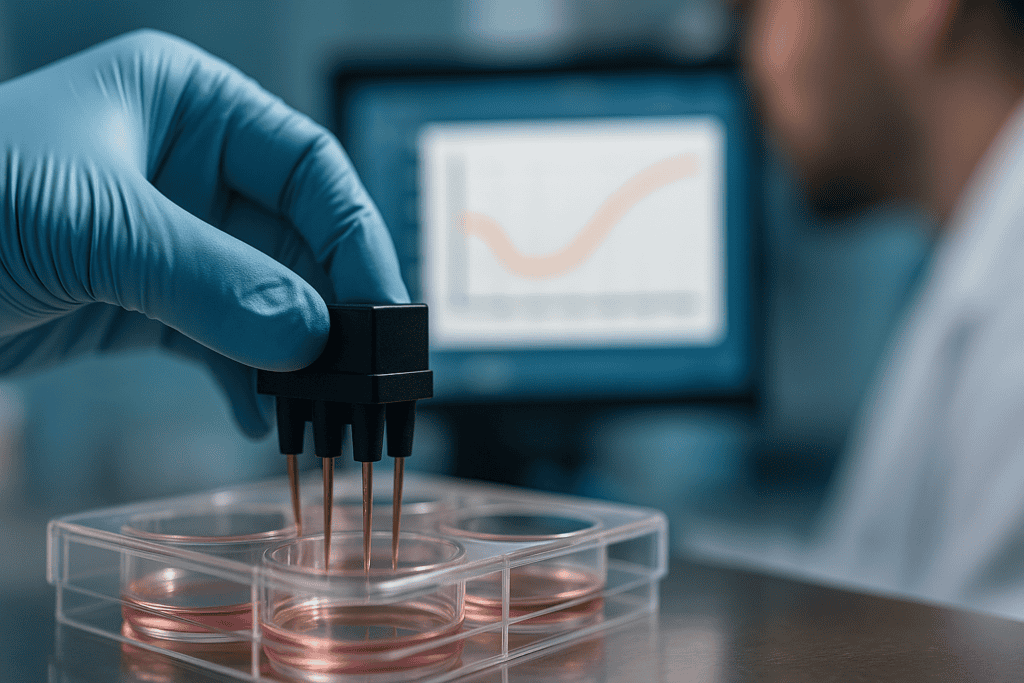
In the realm of modern cell culture research, the importance of measuring epithelial barrier function and electrical resistance cannot be overstated. Techniques such as Transepithelial Electrical Resistance (TEER) are critical in understanding the barriers formed by cell cultures, playing a pivotal role in pharmacological research, toxicity testing, and wound healing studies. This article delves into the intricacies of barrier function analysis, the challenges faced with traditional methodologies, and technological advances that are redefining laboratory workflows.
Challenges of Traditional Approaches in Barrier Function Measurement
The conventional methods of evaluating barrier integrity, while foundational, come with a range of limitations. Issues such as the need for manual operations and susceptibility to errors are commonplace. These methods often lack the precision required for high-throughput and real-time analysis, making them less efficient for modern-day research requirements.
- High variance between measurements due to manual handling.
- Time-consuming procedures limiting throughput.
- Inability to provide continuous, real-time data.
Technological Advances and Automation Trends
Emergence of Automated TEER Systems
Recent advancements in technology have brought forth automated systems that leverage real-time monitoring capabilities. These systems provide a more efficient and accurate means of assessing barrier function, bridging gaps left by traditional techniques. The integration of such advancements minimizes human error, ensures consistency across experiments, and enhances reproducibility, which are paramount in regulated environments.
- Enhanced precision and consistency with automation.
- Capability for continuous monitoring leading to more robust data sets.
- Reduction in labor costs and time with less manual intervention.
Real-World Application: Live-Cell Imaging Workflows
Leveraging live-cell imaging, researchers can now visualize and quantify barrier functions in real-time. This not only provides insights into cell behavior and monolayer formation but also enables the study of dynamic processes such as junction formation and disruption under various conditions.
- Facilitates observation of cellular responses to stimuli in real-time.
- Enables high-throughput screening, improving workflow efficiency.
- Provides deeper insights into cellular processes and interactions.
Role of Incubator-Based Imaging in Enhancing Data Quality
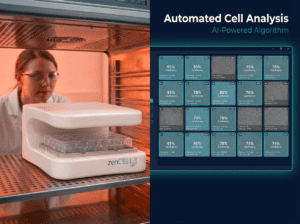
Incubator-based imaging systems like zenCELL owl are revolutionizing the field by allowing for non-disruptive and continuous observation. These compact systems are designed to fit within standard laboratory incubators, maintaining environmental stability while providing high-quality imaging data.
- Ensures environmental stability essential for accurate live-cell imaging.
- Reduces the frequency of sample handling, protecting delicate structures.
- Generates comprehensive datasets enhancing long-term study validity.
Applications of Barrier Function Studies
Barrier function studies have a wide range of applications in research areas such as drug development, toxicology, and regenerative medicine. Tools like TEER and live-cell imaging facilitate deeper exploration and understanding of these fields through high-throughput and precise data acquisition.
- Migration assays: Study of cell movement across barriers.
- Organoids: Model complex tissue structures and functions.
- Proliferation and HTS: High-throughput screening for drug discovery.
Continue reading to explore more advanced insights and strategies.
“`
“`html
Innovations in Sensor Technologies for Barrier Function Measures
Advancements in Sensor Design
The convergence of microelectronics and biotechnology has led to innovative sensor technologies that enhance the accuracy of barrier function assessments. Modern sensors are now capable of detecting minute changes in electrical resistance with high precision, offering unparalleled insights into cellular monolayers’ health and integrity.
- Increased sensitivity and precision in detecting barrier disruptions.
- Reduction in signal noise with advanced electronic filtering.
- Compatibility with a range of biological assays and formats.
Impact of AI and Machine Learning in Data Analysis
Transformative Potential of AI in Laboratory Settings
Artificial intelligence (AI) and machine learning (ML) are revolutionizing how researchers interpret data from barrier function studies. These technologies facilitate the rapid analysis of complex datasets, identifying patterns and predicting outcomes that may not be immediately apparent to human researchers.
- Enhanced pattern recognition in large datasets.
- Predictive analytics for outcome forecasting and trend analysis.
- Automation in data categorization and error detection.
Optimizing Workflow with Integrated Software Solutions
Streamlining Data Acquisition and Analysis
The integration of advanced software solutions provides a seamless workflow from data collection to analysis. These platforms are designed to handle vast amounts of data, offering researchers real-time insights and visualization tools that enhance decision-making processes.
- User-friendly interfaces reducing the learning curve for new technologies.
- Seamless integration with existing laboratory instruments and databases.
- Automated reporting tools enabling quick dissemination of results.
Cost Efficiency through Scalable Solutions
Balancing Budget Constraints with Technological Needs
Incorporating scalable solutions ensures that laboratories can adapt to evolving technological needs without overextending their budgets. These solutions allow for incremental enhancements, permitting laboratories to gradually upgrade their systems in alignment with financial capabilities.
- Modular systems that expand functionalities over time.
- Cost-effective upfront investment with scalable expansion options.
- Long-term cost savings through reduced operational costs and increased productivity.
Safety and Compliance in Barrier Function Testing
Ensuring Adherence to Regulatory Standards
Maintaining safety and compliance within laboratory environments is essential, particularly in regulated industries. State-of-the-art TEER systems and barrier function methodologies are designed to comply with stringent regulatory standards, ensuring ethical and safe research practices.
- Regular system calibration to maintain compliance with industry standards.
- Adoption of non-invasive methods reducing potential sample contamination.
- Documentation and reporting features aiding in audit compliance.
Collaborative Platforms for Global Research
Enhancing Research Collaboration through Technology
Modern collaborative platforms allow researchers from around the world to share insights, data, and findings in real-time, fostering a culture of open science. These platforms support comprehensive data sharing and collaborative analysis, accelerating advancements in barrier function studies.
- Global collaboration leading to diverse and inclusive research perspectives.
- Instant communication features enabling real-time discussions and idea sharing.
- Cloud-based infrastructures for secure and scalable data management.
Integration with Multi-Omics Techniques
Comprehensive Analysis through Multi-Omics Approaches
By integrating multi-omics techniques with barrier function studies, researchers gain a multi-dimensional view of cellular behaviors. This comprehensive approach allows for the exploration of genetic, proteomic, and metabolomic factors influencing barrier integrity and function.
- Holistic understanding of cell behavior through integrated data analysis.
- Identification of biomarkers and pathways critical for barrier formation.
- Customizable analysis pipelines tailored to specific research needs.
Next, we’ll wrap up with key takeaways, metrics, and a powerful conclusion.
“`
“`html
Data Security and Privacy in Barrier Function Research
Protecting Sensitive Research Data
Ensuring the security and privacy of data in barrier function research is paramount, particularly with the increasing volume of data generated. Implementing robust security protocols and data encryption methods helps safeguard sensitive information, maintaining the integrity and confidentiality of research outputs.
- Advanced encryption techniques to protect data at rest and in transit.
- Regular security audits to identify and mitigate vulnerabilities.
- Compliance with international data protection regulations.
Environmental Considerations and Sustainable Practices
Tracking the Environmental Impact of Research Activities
As laboratories strive to become more environmentally sustainable, integrating eco-friendly practices in barrier function research is crucial. Implementing energy-efficient systems and reducing waste can significantly decrease a lab’s ecological footprint, aligning scientific pursuits with global sustainability goals.
- Adoption of low-energy consumption equipment.
- Minimization of chemical waste through greener alternatives.
- Initiatives for recycling and reusing laboratory materials.
Future Directions in Barrier Function Measures
Exploring New Horizons in Barrier Function Research
The future of barrier function research holds immense potential, driven by technological advancements and multidisciplinary collaboration. As new methodologies emerge and current technologies evolve, researchers are poised to uncover ground-breaking discoveries that could redefine our understanding of cellular barriers.
- Integration of advanced imaging techniques for real-time monitoring.
- Development of personalized medicine approaches utilizing barrier function assessments.
- Cross-disciplinary partnerships fostering innovation and discovery.
Conclusion
The rapid advancements in technology and methodology within the realm of barrier function and TEER-like readouts have revolutionized our ability to understand and manipulate cellular barriers. Through the innovative sensor technologies that offer exceptional sensitivity and precision, to the transformative power of AI and machine learning that enhances data interpretation, we have gained remarkable insights into the dynamic nature of cellular monolayers.
The integration of software solutions, alongside scalable and cost-efficient systems, has streamlined workflows, ensuring that research can progress without financial overextension. By adopting robust safety and compliance measures, and embracing global collaboration via secure platforms, researchers around the world can now contribute to an ever-expanding pool of knowledge with confidence and integrity.
Furthermore, the adoption of multi-omics techniques and environmentally conscious practices underscores the importance of a holistic and sustainable approach to scientific inquiry. These comprehensive strategies promise not only to enhance our understanding but also to ensure the longevity of research efforts.
In our quest to probe the unknowns of barrier function, there remains an affinity towards the future—an unwavering resolve to transcend current paradigms and to pioneer new frontiers in biotechnology. The journey ahead calls for continuous exploration, collaborative synergies, and an adaptable mindset that embraces technological innovations.
We invite researchers, practitioners, and enthusiasts alike to engage actively with these emerging technologies, and to contribute to a legacy of scientific exploration and discovery. Let us channel our collective efforts into leveraging these advancements for improved health outcomes and broadened scientific horizons. Together, we stand on the verge of redefining what is possible in barrier function research, poised to make impactful breakthroughs that will resonate globally for generations to come.
“`