“`
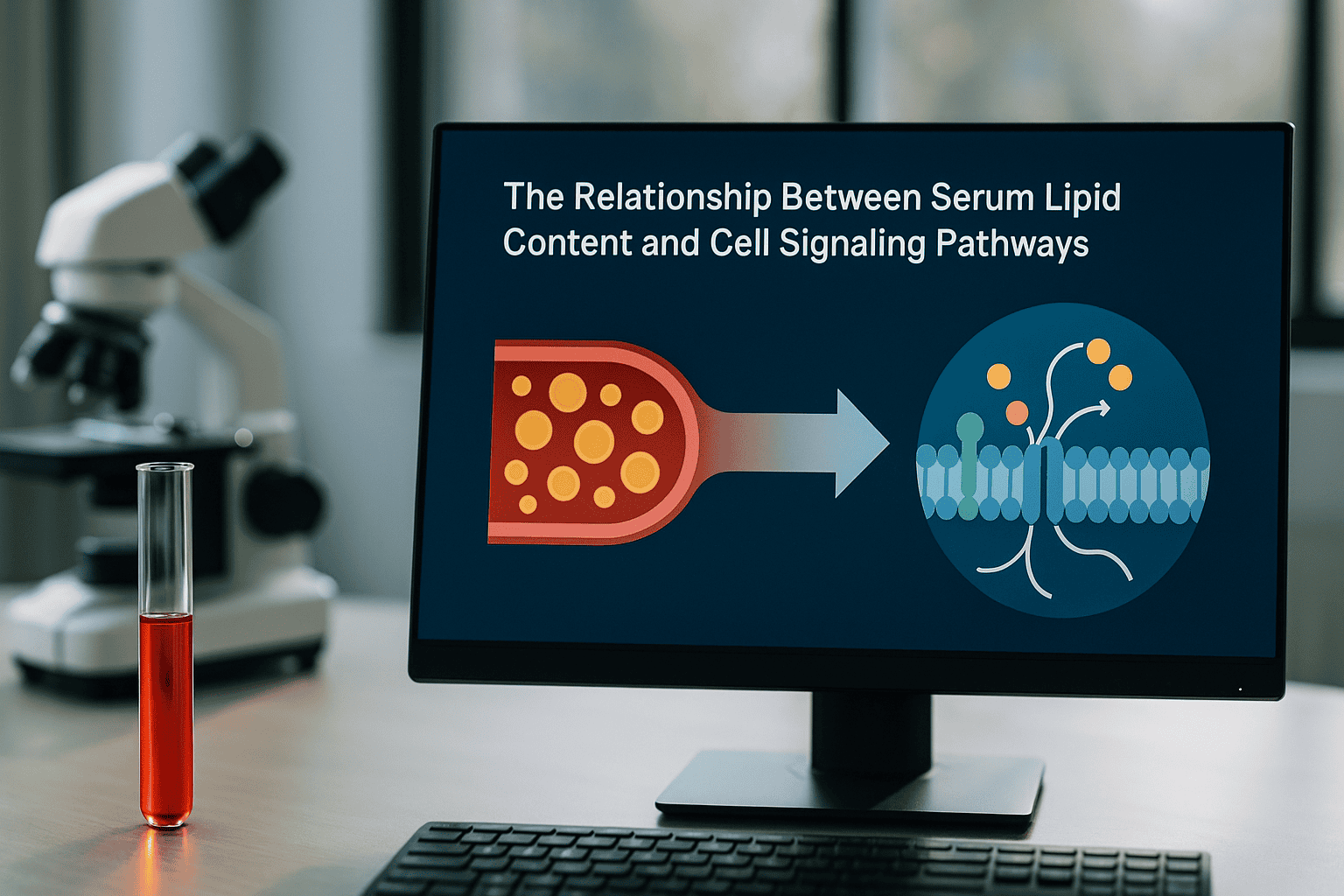
The Relationship Between Serum Lipid Content and Cell Signaling Pathways
The intricate dance between serum lipid content and cell signaling pathways plays a critical role in numerous physiological and pathological processes. Understanding this relationship informs researchers of how cellular functions, health, and disease mechanisms are influenced. This exploration will delve into the scientific principles behind lipid signaling, variability in serum lipid content, and potential experimental challenges researchers face. Moreover, it will elucidate the mechanisms through which lipids affect cell behavior, ensuring a comprehensive academic discussion relevant to professionals in cell culture and immunology.
The Biological Function of Serum Lipids
Understanding the Foundation
Serum lipids, including cholesterol, phospholipids, and triglycerides, are essential components of cellular function, particularly in modulating cell membrane structure and signaling. These lipids participate in creating lipid rafts, which are microdomains within the cell membrane that serve as platforms for cell signaling. As such, lipid rafts facilitate the congregation of receptors and signaling molecules, influencing diverse pathways crucial for cell communication and response to extracellular stimuli.
- Lipid rafts impact signal transduction by clustering receptors and associated proteins.
- Cholesterol is a key regulator of membrane fluidity and functionality.
- Phospholipids contribute to membrane curvature and cellular compartmentalization.
Continúe leyendo para explorar información y estrategias más avanzadas.
Mechanisms of Lipid-Driven Cell Signaling Pathways
From Surface to Nucleus
Lipids influence cell signaling pathways by acting as secondary messengers or through direct interaction with receptors. For example, phosphatidylinositol 4,5-bisphosphate (PIP2) plays a crucial role in the inositol phosphate pathway, while diacylglycerol (DAG) acts as a cofactor in protein kinase C activation. Furthermore, lipids can modulate the activity of ion channels and thus indirectly affect intracellular signaling cascades that prompt transcriptional changes in the nucleus.
- PIP2 conversion to IP3 and DAG is pivotal in calcium signaling.
- DAG facilitates the activation of protein kinase C, pivotal for numerous cellular responses.
- Lipid influence on ion channels alters cellular excitability and cellular response.
Continúe leyendo para explorar información y estrategias más avanzadas.
Variability and Quality Control in Serum Lipid Content
Challenges in Cell Culture Experiments
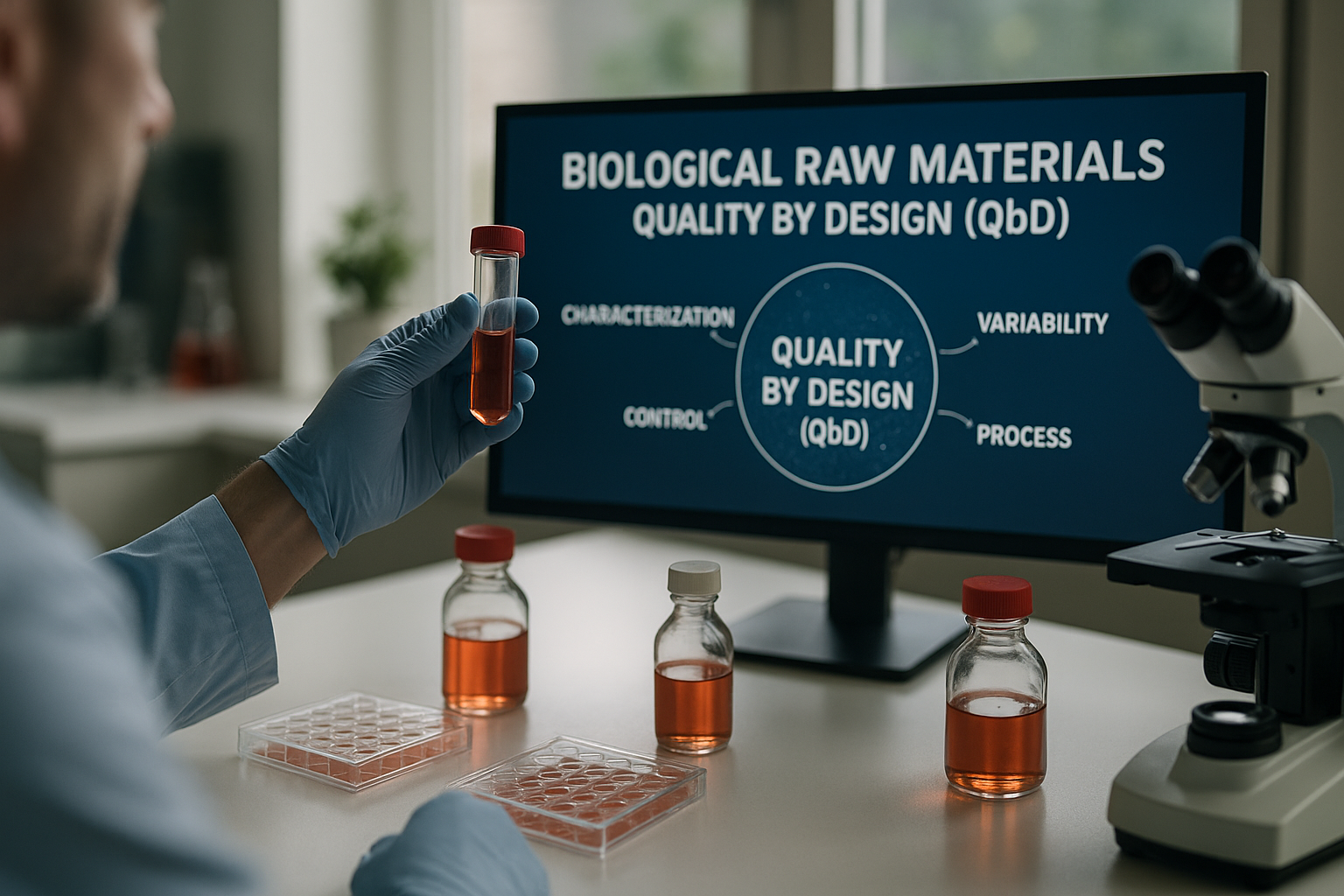
Variability in serum lipid content poses significant challenges in cell culture, affecting reproducibility and consistency in experimental outcomes. This variability can stem from lot-to-lot differences in animal-derived products, such as fetal bovine serum (FBS), or from human donor variability in human sera. Rigorous quality control, including lipid profiling and batch testing, is essential to mitigate the impact of these disparities. Understanding and documenting lipid content is vital for reproducibility.
- Careful selection of serum batches based on lipid content profiling reduces variability.
- Quality control measures support more reliable experimental outcomes.
- Documentation of serum characteristics ensures traceability and consistency.
Continúe leyendo para explorar información y estrategias más avanzadas.
Implications for Research and Clinical Applications
Broadening Scientific Horizons
The relationship between serum lipid content and cell signaling pathways extends its implications into numerous research and clinical areas. In cancer research, for instance, disrupted lipid signaling pathways can lead to uncontrolled cell proliferation and tumor growth. In metabolic disorders, altered lipid profiles can exacerbate insulin resistance and inflammatory pathways. Understanding these complex interactions assists scientists in unraveling disease mechanisms and developing targeted therapeutic interventions.
- In cancer, targeting lipid signaling pathways offers new therapeutic strategies.
- In metabolic diseases, lipid modulation can affect disease progression.
- Advanced imaging and profiling technologies are invaluable for studying lipid functions.
Continúe leyendo para explorar información y estrategias más avanzadas.
Advanced Monitoring Techniques
Live-Cell Imaging and Documentation
Advanced monitoring techniques such as incubator-compatible live-cell imaging systems, exemplified by solutions like the zenCELL owl, enable researchers to continuously observe the impact of serum lipids on cell behavior. These systems enhance reproducibility by documenting changes in real-time, providing insights into lipid-induced alterations in cellular activities and ensuring accurate, reliable data collection across multiple experimental runs.
- Real-time monitoring captures dynamic responses to lipid stimuli.
- Documenting cellular changes improves experimental repeatability.
- Long-term observation provides deeper insights into cell signaling dynamics.
Continúe leyendo para explorar información y estrategias más avanzadas.
“`
“`
Precision Lipid Quantification Techniques
The Cornerstone of Accurate Research
In the quest to decode the relationship between serum lipid content and cell signaling pathways, precision lipid quantification techniques serve as essential tools. Mass spectrometry (MS) and nuclear magnetic resonance (NMR) spectroscopy are at the forefront. Through MS, researchers can accurately detect and quantify lipid molecules, providing a molecular fingerprint of the serum lipids. This high sensitivity and specificity enable the detailed composition analysis necessary for reliable cell signaling studies.
- Deploy MS for precise identification and quantification of diverse lipid species.
- Leverage NMR spectroscopy for non-destructive, comprehensive lipid profiling.
- Employ internal standards to improve accuracy and reproducibility in measurements.
Integrating Systems Biology Approaches
Holistic Analysis of Lipid Interactions
The integration of systems biology approaches with lipid research enhances our understanding of complex biological networks. This interdisciplinary field combines genomics, proteomics, and metabolomics to provide a comprehensive view of how lipids interact in signaling pathways. By utilizing computational models, researchers can predict lipid behavior and interactions under varying physiological conditions, deepening insights into cellular processes and identifying potential therapeutic targets.
- Use computational models to simulate lipid involvement in signaling pathways.
- Apply integrative omics to understand lipid-mediated regulatory networks.
- Cross-validate data from multiple platforms for robust pathway analysis.
Case Studies in Lipidomics Applications
Trailblazing Research and Discoveries
Notable case studies have leveraged lipidomics in groundbreaking discoveries. For instance, the role of lipids in neurodegenerative diseases has been extensively studied, revealing how alterations in lipid metabolism can contribute to conditions like Alzheimer’s and Parkinson’s disease. Additionally, lipidomic analyses in cardiovascular research have uncovered lipid biomarkers that aid in early diagnosis and risk assessment, fostering preventive and personalized medicine.
- Analyze lipidomic data to identify biomarkers for neurodegenerative diseases.
- Implement lipid profiling in cardiovascular disease risk management.
- Use findings to develop targeted interventions and personalized treatment plans.
Advanced Imaging and Analytical Tools
Pioneering Technologies in Lipid Research
Advanced imaging and analytical tools, such as matrix-assisted laser desorption/ionization (MALDI) imaging and fluorescent lipid probes, have revolutionized lipid research. MALDI imaging allows spatial visualization of lipid distribution within tissues, offering insights into site-specific lipid alterations that might be missed by traditional methods. Fluorescent probes enable real-time tracking of lipid dynamics in live cells, providing critical data on lipid signaling pathways affected by stimuli.
- Use MALDI imaging for spatial analysis of lipid distributions in tissue samples.
- Employ fluorescent lipid probes for dynamic study of lipid cell signaling.
- Integrate imaging data with metabolic profiles for comprehensive analysis.
Role of Machine Learning in Lipidomics
Enhanced Data Interpretation and Prediction
Machine learning (ML) algorithms are becoming increasingly pivotal in interpreting complex lipidomic data sets. ML facilitates the identification of patterns and relationships within large-scale lipidomic data, enhancing predictive accuracy for disease progression or response to therapies. For example, ML models can identify lipid signatures linked to particular physiological states, allowing for early disease detection or the design of targeted therapeutic strategies.
- Utilize ML to process extensive lipidomic datasets efficiently.
- Apply predictive modeling to forecast lipid-related disease outcomes.
- Combine ML with biochemical validation for enhanced research insights.
Ethical and Biostatistical Considerations in Lipid Research
Ensuring Integrity and Accuracy
Ethical and biostatistical considerations are critical in lipid research involving human subjects. Ethical practices ensure that participant rights are respected, providing informed consent and guaranteeing confidentiality. Biostatistics, meanwhile, involves appropriate study design and data analysis techniques to draw valid conclusions from lipid research. Proper statistical methodologies, such as adequately powered studies and rigorous data validation techniques, are vital in avoiding biased or inaccurate findings.
- Implement ethical guidelines rigorously in human lipid studies.
- Adopt robust biostatistical methods for data analysis integrity.
- Ensure transparency and reproducibility in research findings.
A continuación, concluiremos con los puntos clave, métricas y una conclusión contundente.
“`
“`
Future Directions in Lipidomics
Charting New Frontiers
As lipidomics continues to evolve, future research avenues abound. The development of even more sensitive and specific instrumentation, along with cutting-edge computational tools, promises to overcome current analytical limitations. Moreover, the increasing integration of lipidomics with other “omics” fields, such as transcriptomics and proteomics, offers a more holistic understanding of lipid functions in health and disease. The future also holds potential for innovations in personalized medicine, where tailored lipid profiles provide specific recommendations for dietary and therapeutic interventions.
- Innovate new technologies to advance lipid detection sensitivity and specificity.
- Explore multi-omics strategies for comprehensive healthcare insights.
- Pioneer personalized approaches in lipid-focused healthcare.
Collaboration and Knowledge Sharing
Interdisciplinary Synergies in Lipid Research
The increasingly collaborative nature of lipid research underscores the importance of interdisciplinary alliances. By merging expertise from molecular biology, chemistry, data science, and clinical medicine, researchers can pool resources and insights to tackle complex lipid-related challenges. Initiatives such as multi-institutional research projects and international symposia provide platforms for knowledge exchange, fostering innovations that are unattainable in isolated efforts. Furthermore, open-access repositories and databases are essential for ensuring that data and findings are available to the global scientific community.
- Encourage interdisciplinary collaborations for groundbreaking research.
- Facilitate knowledge sharing through international forums and symposia.
- Contribute to open-access data banks for widespread scientific accessibility.
Conclusión
In this exploration of the relationship between serum lipid content and cell signaling pathways, we have traversed the intricate landscape of lipidomics and its profound impact on modern biomedical research. Key takeaways highlight the indispensable role of precision lipid quantification techniques such as mass spectrometry and nuclear magnetic resonance spectroscopy, which enable detailed and accurate analysis of lipid molecules. Furthermore, the pivotal integration of systems biology and advanced imaging tools, alongside machine learning, marks an era of unprecedented insights into lipid functions.
The relevance of this article rests not only in showcasing the current methodologies and applications but also in shaping future research directions through a collaborative, multi-disciplinary approach. As lipidomics continues to intertwine with various scientific domains, the potential to unravel new therapeutic targets and pave the path for precision medicine becomes increasingly attainable. The continuous progression in analytical technology and data interpretation methods promises to enhance our understanding of complex lipid networks in human health and disease.
As we close, it is imperative to acknowledge the ethical and biostatistical considerations that ensure research integrity. The commitment to rigorous methodological standards preserves the validity and applicability of research findings, fostering trust and progression in the field. The journey of lipidomics is a testament to the power of innovation and collaboration, where each discovery fuels the engine of insight, drawing us closer to a future where lipid profiles guide personalized health strategies.
We invite you to join this vibrant community of researchers and practitioners aiming to decode the secrets of lipids for better health outcomes. Stay engaged, contribute to open-data platforms, and champion the integration of multi-omics for a comprehensive understanding of life’s subtle intricacies. Together, we can forge pathways to transformative health interventions, making a lasting impact on scientific and medical landscapes worldwide.
“`