“```html
Kinetic Insights: Why “T-Half” is More Important Than a Single Migration Image
In the dynamic field of cell culture research, capturing the kinetic profile of cellular behaviors is paramount. Traditional single point-end measurements have served their purpose, yet the evolving complexity of biological inquiries calls for more comprehensive insights. Enter “T-Half,” a crucial kinetic parameter revealing cellular dynamics over time, promising deeper understanding beyond what a single migration image can offer. Throughout this article, we will delve into the relevance of T-Half in modern cell culture, exploring its implications across various experimental workflows.
Challenges in Traditional Cell Migration Approaches
Limitations of Single Image Analysis
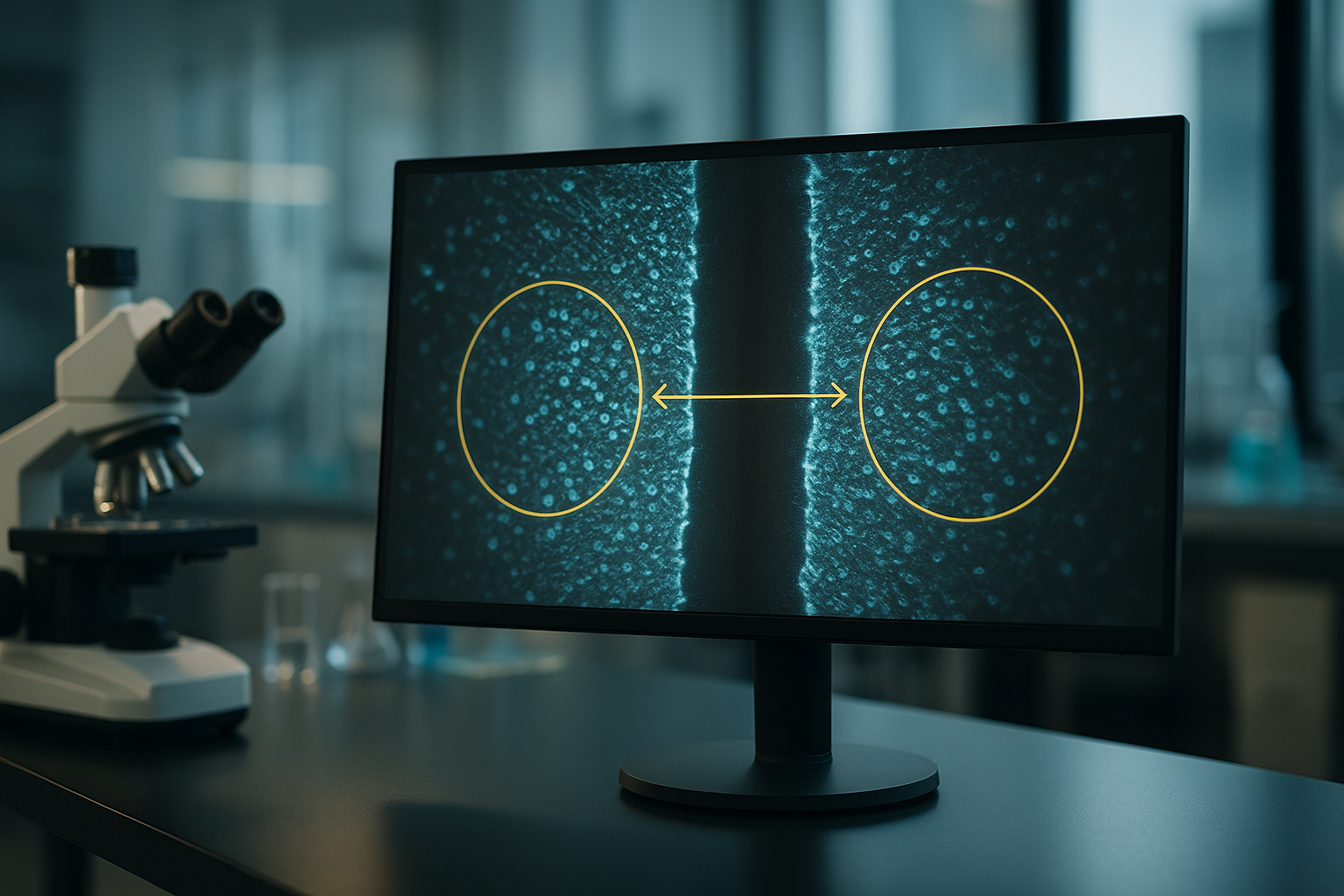
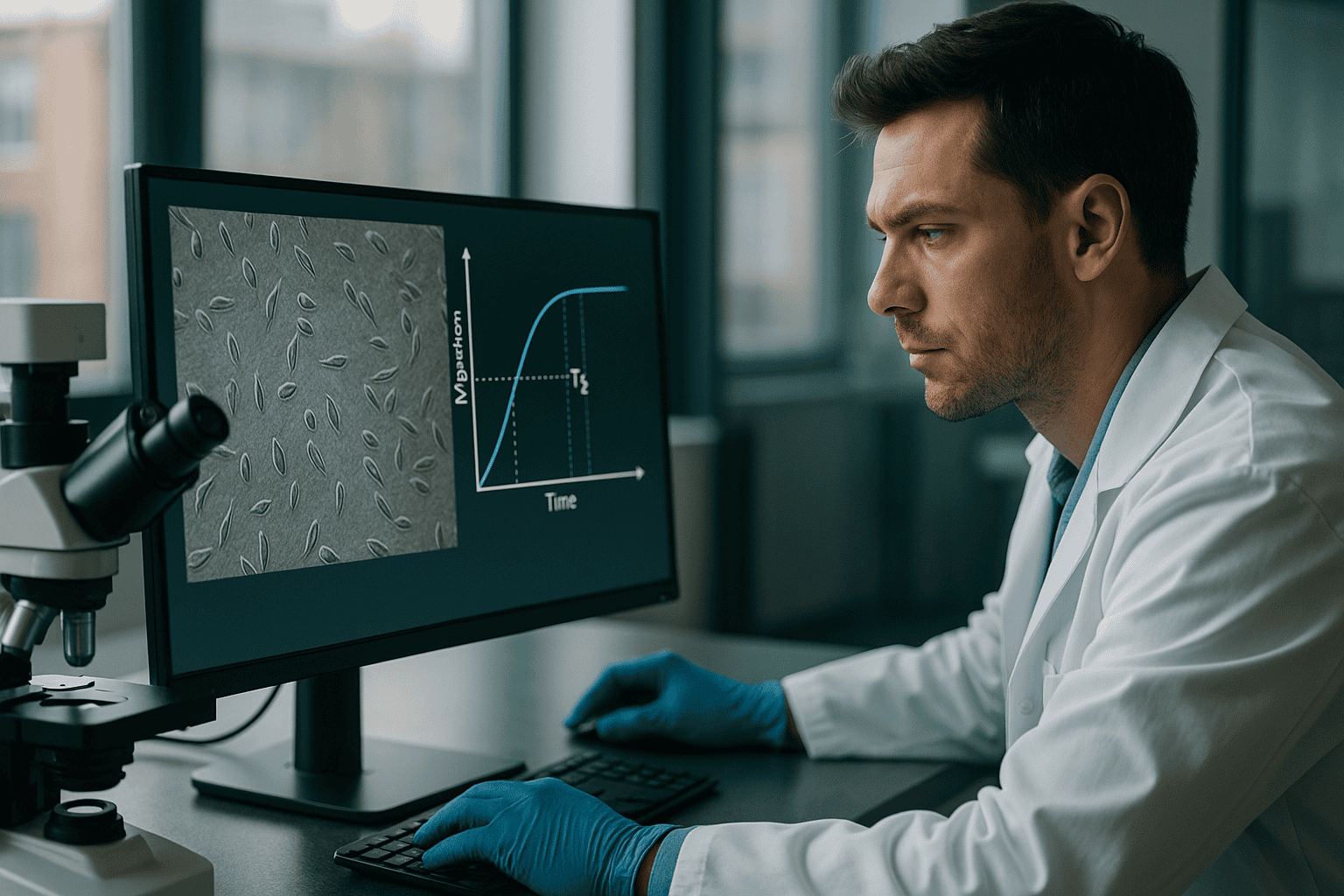
Traditional methods of assessing cell migration typically rely on endpoint imaging. A singular snapshot in time fails to encapsulate the ongoing dynamic processes. This method overlooks critical kinetic information, such as the speed and directionality of cell movement. Even with high-resolution captures, such images may not adequately represent the complexity of cellular interactions within a given environment.
- Endpoint data can be misleading or incomplete.
- Lack of temporal resolution restricts insights into true dynamic behavior.
Technologische Fortschritte und Automatisierungstrends
Embracing Live-Cell Imaging
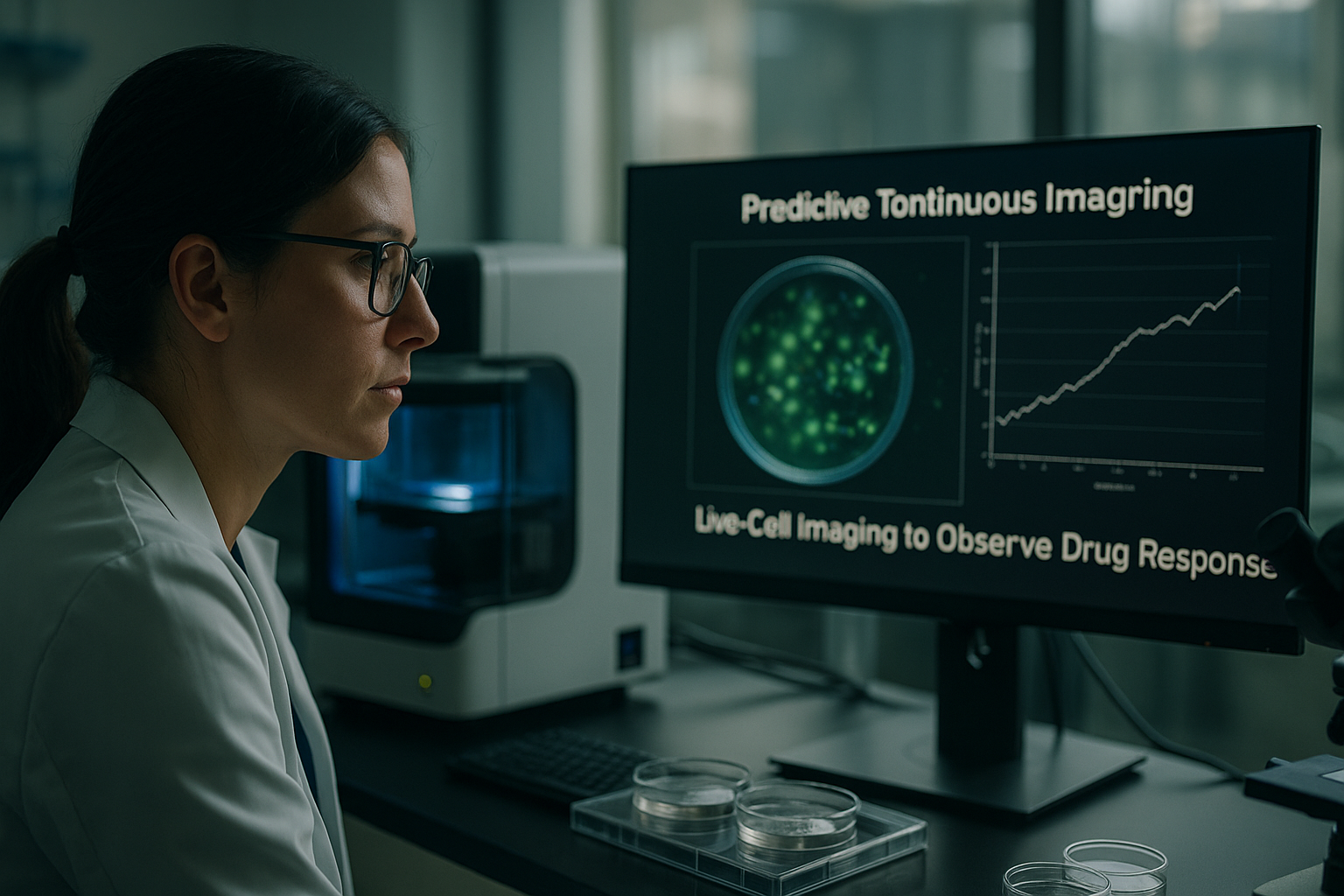
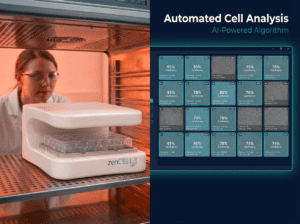
Advancements in live-cell imaging technologies have revolutionized how researchers track cellular events. By enabling continuous monitoring, these technologies provide comprehensive datasets reflecting the temporal progression of cellular behaviors. Automation in live-cell imaging, exemplified by systems like the zenCELL owl, has made it feasible to perform long-duration studies without manual intervention, thereby increasing reproducibility and efficiency across labs.
- Continuous data collection yields richer, more reliable datasets.
- Automated workflows reduce human error and enhance reproducibility.
Practical Examples and Workflows
Case Study: Using Incubator-Based Imaging
The integration of imaging systems within incubation environments, such as with zenCELL owl, offers significant advantages. Incubator-based systems maintain optimal conditions for cell growth while providing uninterrupted monitoring. This approach not only enhances data quality but also enables the observation of cellular kinetics in real time. Such systems facilitate a more nuanced understanding of T-Half, a parameter critical for assessing the kinetics of cell migration.
- Ensures stable environmental conditions for accurate kinetic measurement.
- Reduces experimental variability, improving data consistency.
Applications in Various Experimental Setups
Migration Assays and Beyond
Cell migration assays are foundational for studying processes such as wound healing, cancer metastasis, and immunological responses. Understanding T-Half can refine these assays by offering better temporal insights. Moreover, the application extends to organoid cultures, where tracking growth and differentiation dynamics becomes crucial. The rise of high-throughput screening benefits from the ability to monitor changes in proliferation rates over time, enhancing the predictability and relevance of assay results.
- Improved accuracy in migration and proliferation assessments.
- Enhanced insights into organoid development and behavior.
Lesen Sie weiter, um tiefere Einblicke und Strategien zu gewinnen.
“`
“```html
Refining Data Interpretation: The Role of T-Half in Precision Medicine
T-Half’s Impact on Personalized Therapeutics
In precision medicine, the ability to tailor treatments to individual patient profiles is critical. The inclusion of T-Half in the analytical process can significantly enhance the accuracy of predictions regarding treatment efficacy. For example, in oncology, the kinetic profiles obtained through T-Half measurements can provide vital information about how cancer cells respond to various therapeutic agents over time. This predictive capacity allows for better therapeutic target identification and dosage optimizations based on real-time data.
- Leverage T-Half measurements for tailored therapeutic strategies.
- Utilize real-time kinetic data for optimizing treatment plans.
Advanced Imaging Techniques: Unlocking the Power of T-Half
Integrating Fluorescent and Phase-Contrast Imaging
Fluorescent and phase-contrast imaging are powerful tools in capturing detailed cellular processes. By integrating these techniques with T-Half analysis, researchers can differentiate between cellular components, such as the nucleus and cytoplasm, and monitor their movements independently. This level of detail is crucial for understanding the distinct roles these components play in disease progression and response to treatment. The combination of these imaging techniques provides a comprehensive view of cellular dynamics, offering unparalleled insights into cellular behavior over time.
- Combine imaging modalities for enhanced cellular insights.
- Distinguish and analyze the roles of various cellular components.
Streamlining Workflow Efficiency: Automation in Kinetic Analysis
Utilizing Artificial Intelligence for Data Processing
The sheer volume of data generated by continuous live-cell imaging necessitates efficient processing and analysis. Artificial intelligence (AI) has become an indispensable tool in this process, allowing for rapid analysis of vast datasets. Machine learning algorithms can be trained to identify patterns in T-Half data, providing researchers with predictive models that can forecast cell behavior under various experimental conditions. Through AI, the analysis of kinetic data becomes faster, more accurate, and easier to interpret, freeing researchers to focus on experimental design and interpretation.
- Implement AI tools for efficient analysis of complex datasets.
- Develop predictive models to foresee cellular responses.
Translational Research: From Bench to Bedside
Bridging Laboratory Insights and Clinical Applications
Translational research aims to progress laboratory findings into actionable clinical solutions. T-Half serves as a critical bridge in this transition, assisting researchers in aligning their in vitro findings with potential clinical outcomes. By linking cellular kinetic behaviors observed in the lab with patient data, researchers can enhance the predictability of clinical trials. This approach not only informs the development of new therapies but also refines existing treatment protocols, ensuring they are aligned with the dynamic nature of disease processes.
- Translation of lab-based kinetic insights for clinical application.
- Enhance trial predictability through integrated kinetic analysis.
Educational Platforms: Empowering the Next Generation of Scientists
Integrating Kinetic Insights into Biology Curricula
As the field of cell culture research evolves, so too must the education of upcoming scientists. Incorporating the principles of real-time kinetic analysis and the significance of T-Half into educational programs can provide students with a more robust foundation in experimental biology. This enduring knowledge prepares students for the challenges of modern research environments, equipping them with the skills necessary to apply kinetic insights in innovative ways. Educational platforms that emphasize experiential learning through technologies like live-cell imaging can foster critical thinking and problem-solving skills.
- Incorporate kinetic parameters into biology-related curricula.
- Prepare students with hands-on experience in modern technologies.
Exploring Molecular Mechanisms: A Deeper Dive into Cellular Dynamics
Understanding the Subcellular Environment
The refinement of cell culture techniques and the advent of T-Half analysis have opened new vistas in understanding biological mechanisms at the molecular level. By examining cellular dynamics at such granularity, researchers can explore how microenvironments influence cell behavior. These insights can lead to the discovery of novel drug targets and therapeutic pathways. Understanding these microenvironmental interactions is increasingly recognized as essential for deciphering complex disease landscapes such as neurodegenerative disorders and autoimmune diseases.
- Investigate the interplay between cells and their microenvironments.
- Identify novel pathways contributing to disease states.
Im Anschluss fassen wir die wichtigsten Erkenntnisse, Kennzahlen und eine wirkungsvolle Schlussfolgerung zusammen.
“`
“```html
Embracing Interdisciplinary Collaboration: A New Frontier
Fostering Innovation Through Cross-Discipline Engagement
The integration of T-Half analysis in biological research stands at the crossroads of multiple scientific disciplines. By fostering collaboration among biologists, data scientists, and medical professionals, T-Half can be leveraged to yield innovation across various fields. The synergy created through interdisciplinary efforts enhances the depth of insights, facilitating the exploration of biological phenomena from multiple lenses, leading to more robust and integrative solutions in both therapeutic and diagnostic arenas.
- Encourage collaborative research for broader scientific discoveries.
- Blend expertise across fields for improved research outcomes.
Policy Implications: Supporting Ethical and Effective Research
Aligning Research Practices with Regulatory Guidelines
As technological advancements in kinetic insights advance, ethical considerations and policy implications must follow suit. Ensuring that T-Half and related methodologies are governed by comprehensive regulations is essential for maintaining public trust and promoting responsible application of scientific findings. Collaboration with regulatory bodies helps streamline the transition of laboratory innovations to clinical settings, ensuring safety, efficacy, and ethical compliance in line with international standards.
- Promote ethical guidelines for the use of kinetic technologies.
- Support regulatory alignment to facilitate clinical translations.
Empowering Clinical Capabilities: Towards Personalized Health
Harnessing T-Half for Precision Health Outcomes
T-Half methodologies provide clinicians with powerful tools to refine diagnostics and therapeutics, tailoring interventions to the individual’s unique biological profile. The integration of real-time kinetic data in clinical practice suggests a new era of personalized medicine, where treatments are optimized for maximum efficacy and minimal side effects. The application of these insights holds the promise of revolutionizing patient care by informing individualized therapy decisions and ensuring better health outcomes.
- Optimize clinical strategies through personalized treatment plans.
- Enhance patient care with data-driven therapeutic insights.
Schlussfolgerung
The exploration of T-Half and its application in advanced cell culture research has opened new horizons across various scientific and clinical disciplines. Key takeaways from this discourse highlight the profound impact of integrating real-time kinetic insights within the frameworks of precision medicine, translational research, and clinical applications. T-Half’s role in enhancing the predictability of therapeutic outcomes, refining educational curricula, and steering collaborative research stands at the forefront of innovation.
This article underscores the immense value and relevance of T-Half within the broader scientific landscape. As the boundaries between laboratory research and clinical practice blur, T-Half serves as a crucial connector, driving progress from bench to bedside. The collaboration between scientists and healthcare practitioners is vital for realizing the full potential of T-Half, ensuring that scientific progress translates into tangible benefits for patients worldwide.
The journey of integrating T-Half into research and clinical practices is an inspiring tale of scientific evolution, marked by collaboration, innovation, and a steadfast commitment to advancing human health. Researchers, clinicians, and educators are encouraged to embrace T-Half’s capabilities, fostering an environment where science and care meet to create life-changing possibilities.
As we move forward, let this exploration act as a catalyst for further inquiry and discovery. The capacity to leverage kinetic insights effectively in our ongoing pursuit of knowledge serves as a testament to human ingenuity. Together, let us advance the frontier of biomedical science and inspire the next generation to push beyond the known, embracing the promise of T-Half to transform lives.
“`