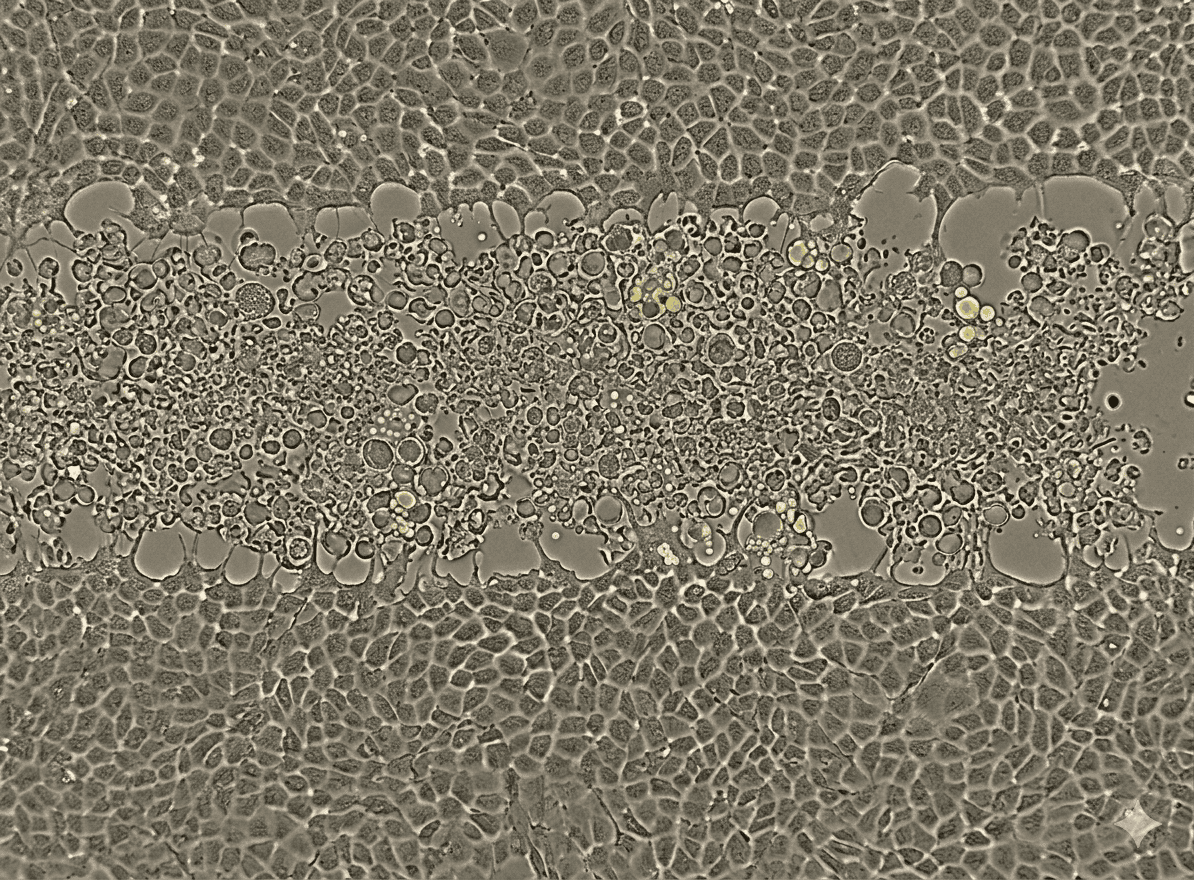
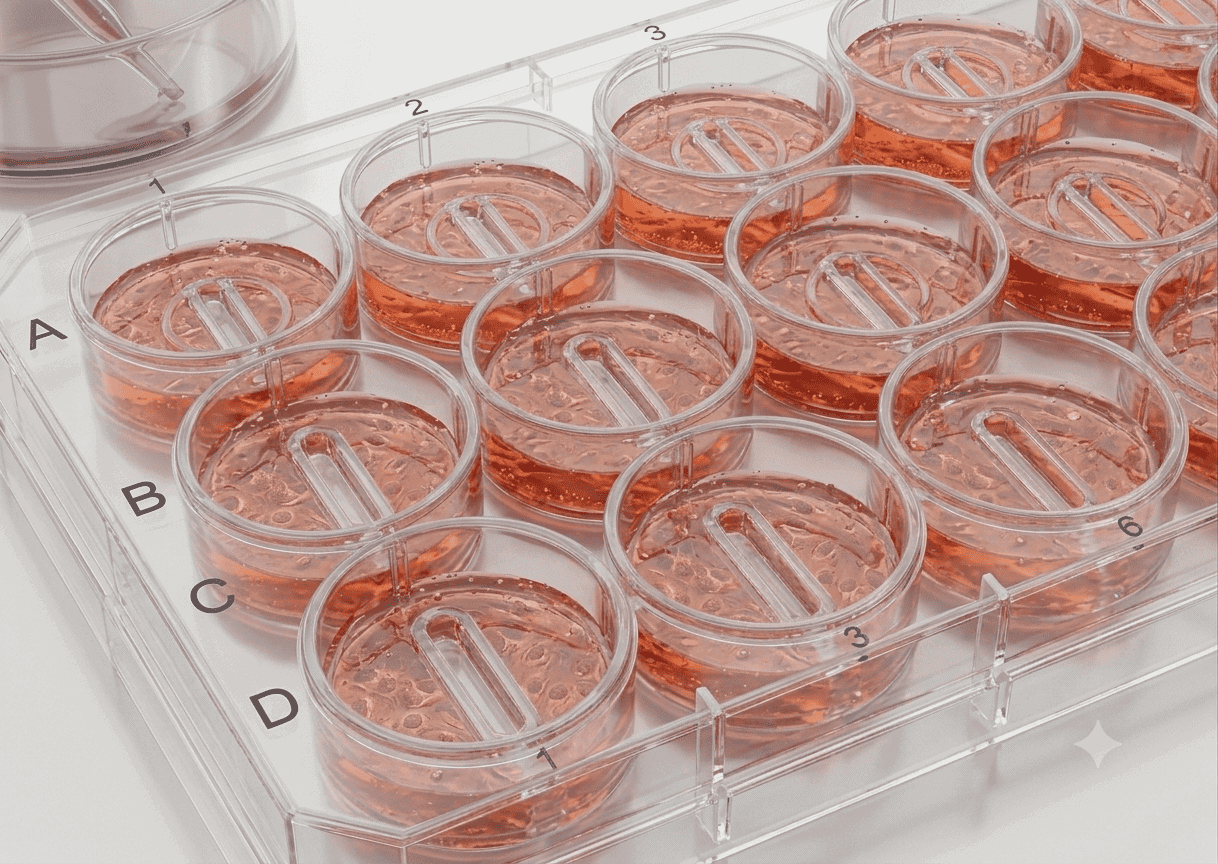
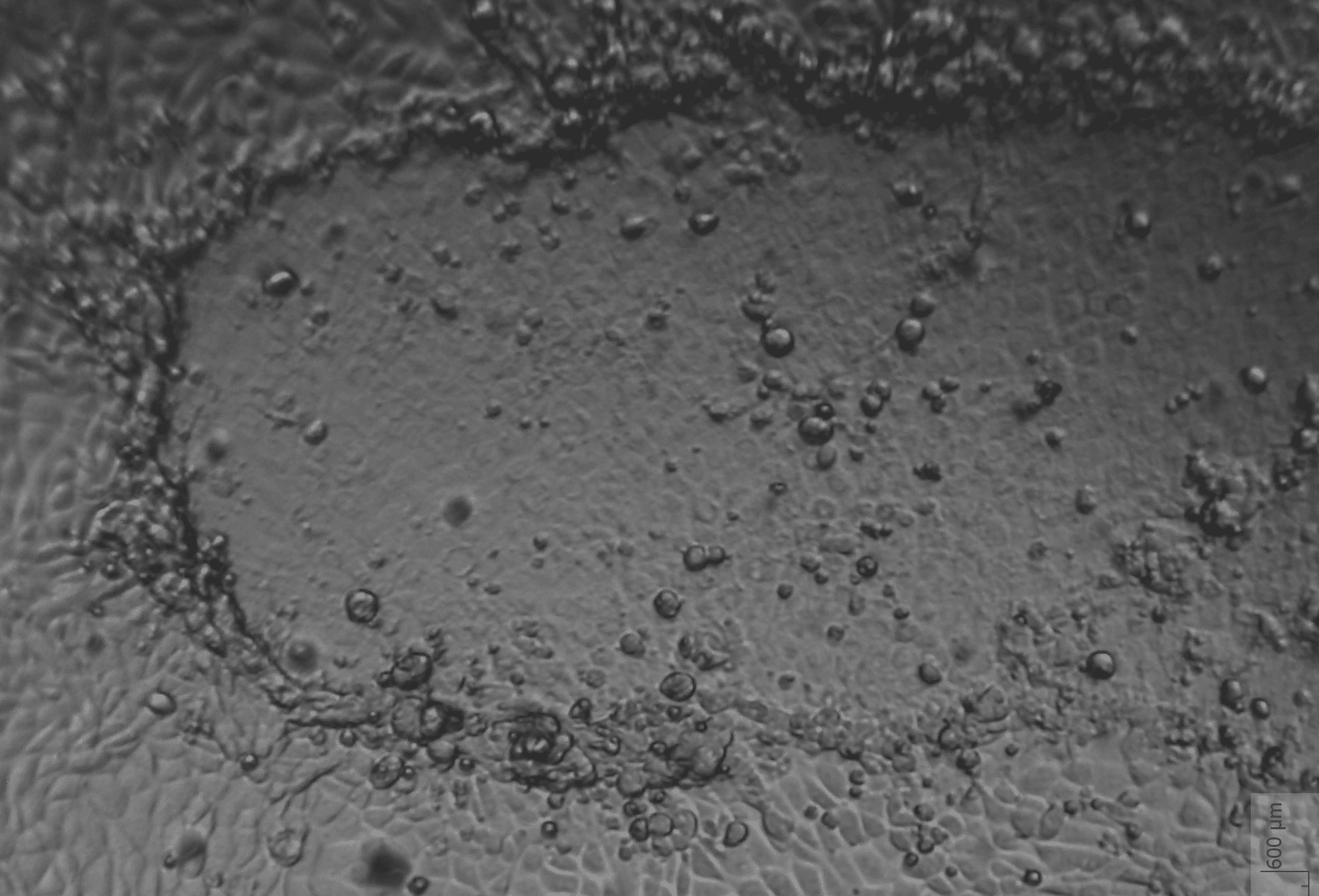
ScratchMaker scratch assay plates feature photosensitizer-coated bottoms for standardized, reproducible wound healing assays. Available in 6-, 24-, and 96-well format. Requires a fluorescence microscope with blue/violet excitation (~385-408 nm, DAPI channel) – 3 cm distance, 60 sec per well. No washing step or medium change required.
For new customers: we create a personal offer based on your format and quantity needs.
The method you use to create a wound determines what biology you can study. Not all scratch assay plates are equal — the wound type matters. Studien zur Zellmigration. konsequent aufzeigen, dass die physiologische Relevanz der entscheidende Unterschied zwischen Insert-basierten und photochemischen Wundmodellen ist.


Most labs still create scratch wounds by dragging a pipette tip across the monolayer by hand. This mechanically ruptures cells at the wound edge — width, angle, and depth vary with every pass, every operator, every plate. ScratchMaker scratch assay plates replace this manual step entirely with a precisely defined, reproducible photochemical wound.
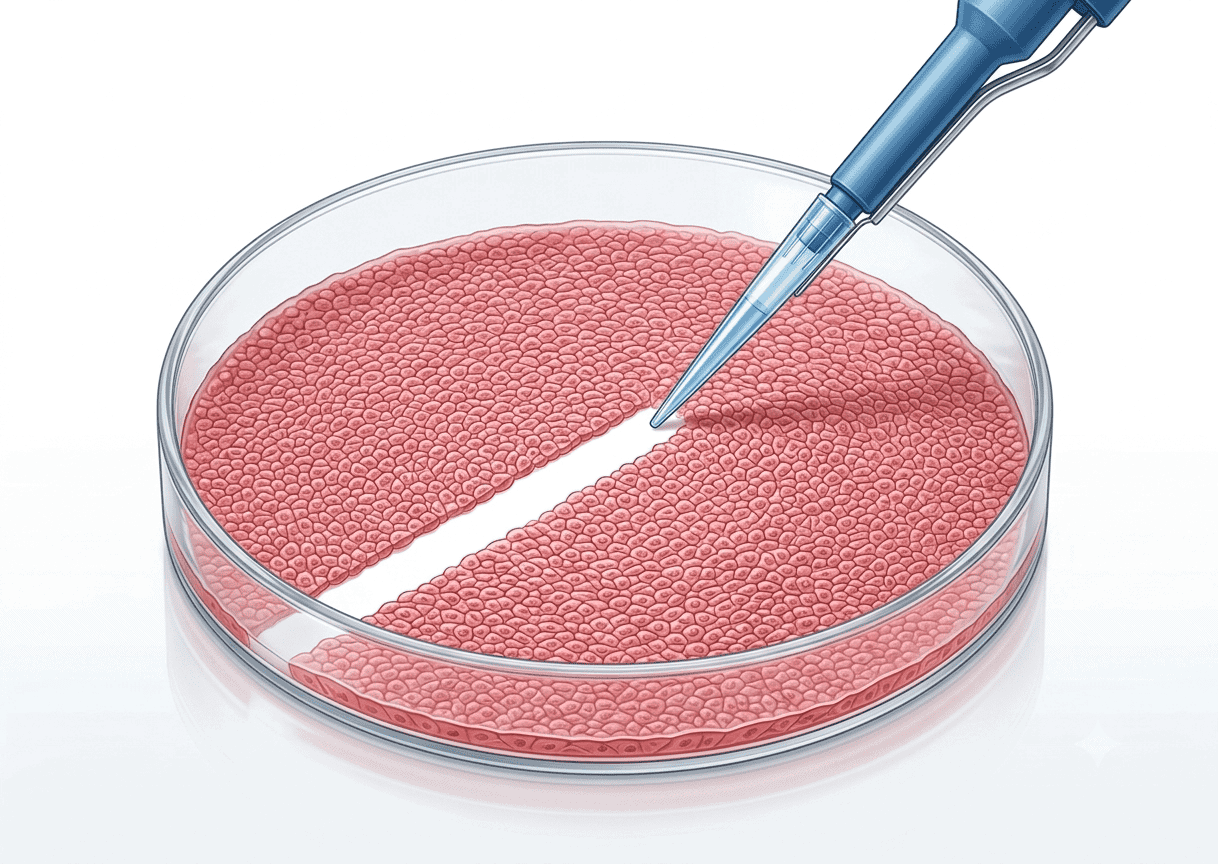
"Die Zellen, wenn sie sich zur Wunde bewegen, schließen nicht nur die Wunde, sondern verdauen auch die Zellkörper, die sich auf dem Weg befinden. Wir glauben daher, dass dies die physiologische Situation, die Echtzeitsituation, die auf biologischer Ebene stattfindet, sehr genau nachahmt."
— Forscherfeedback, zenCELL owl Live-Demo · Juni 2026UV-A/visible light (wavelength typically ~340–408 nm). Standard fluorescence microscopes with Hg-vapour lamp (DAPI filter cube) or 405 nm laser are fully compatible. Photosensitizer absorption maximum: ~395 nm. No dedicated UV lamp or laser required — exposure time 20–60 seconds per well.
Rund 12.000 PubMed-Einträge beinhalten Scratch-Assays – die meisten davon werden manuell mit Pipettenspitzen durchgeführt. Die interassay-Variabilität ist die am häufigsten genannte Einschränkung in Publikationen zu Wundheilungsassays.
Die Kratzer bei manuellen Pipetten variieren erheblich je nach Anpressdruck des Bedieners, Winkel und Pipettenspitzen-Größe, was eine Quantifizierung unzuverlässig macht.
Die Ergebnisse sind nicht direkt zwischen Experimenten, Zeitpunkten oder Bedienern vergleichbar – dies vernichtet die statistische Aussagekraft.
Der Mangel an Standardisierung ist ein häufiger Grund für die Ablehnung von Studien zur Migration und Wundheilung im Peer-Review-Verfahren.
96 manuelle Kratzer pro Platte sind zeitaufwendig und fehleranfällig – Hochdurchsatz-Screening ist nicht realistisch.
Die Pipettenspitze reißt Zellen am Wundrand physisch auf, was zu unkontrollierten Trümmern und Stressreaktionen führt, die Migrationsmessungen verfälschen.
Jeder Brunnen wird in einem leicht unterschiedlichen Moment und mit einer leicht unterschiedlichen Handbewegung eingeritzt – Timing und Technik driften über eine Platte hinweg.
Most labs start with the scratch assay plates alone and grow into the full ScratchMaker workflow step by step.
Sie erstellen reproduzierbare, photochemische Kratzwunden – und bilden jede Platte manuell unter Ihrem Fluoreszenzmikroskop ab.
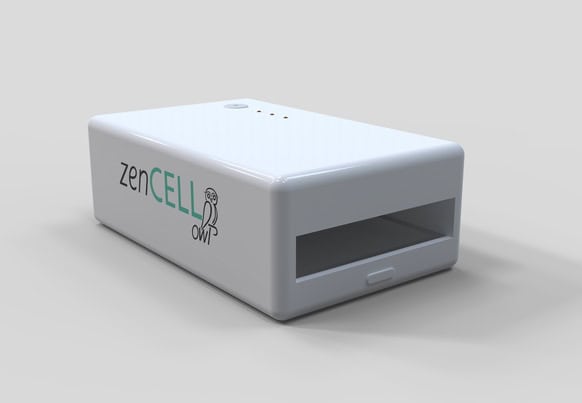
Die ScratchMaker-Platte befindet sich in der zenCELL-Eule und erfasst alle Wells automatisch über 24–72 Stunden – keine manuelle Bildgebung erforderlich.
Ist die Standardquantifizierung nicht ausreichend? Wir können einen kundenspezifischen Analysealgorithmus entwickeln, der auf Ihren Zelltyp, Ihre Wundgeometrie oder Ihr Ausleseverfahren zugeschnitten ist – erzählen Sie uns von Ihrem Projekt.
Available in 6-, 24-, and 96-well format. Order plates and masks separately or as a complete Starter Kit. Individual sample offers available for new customers.
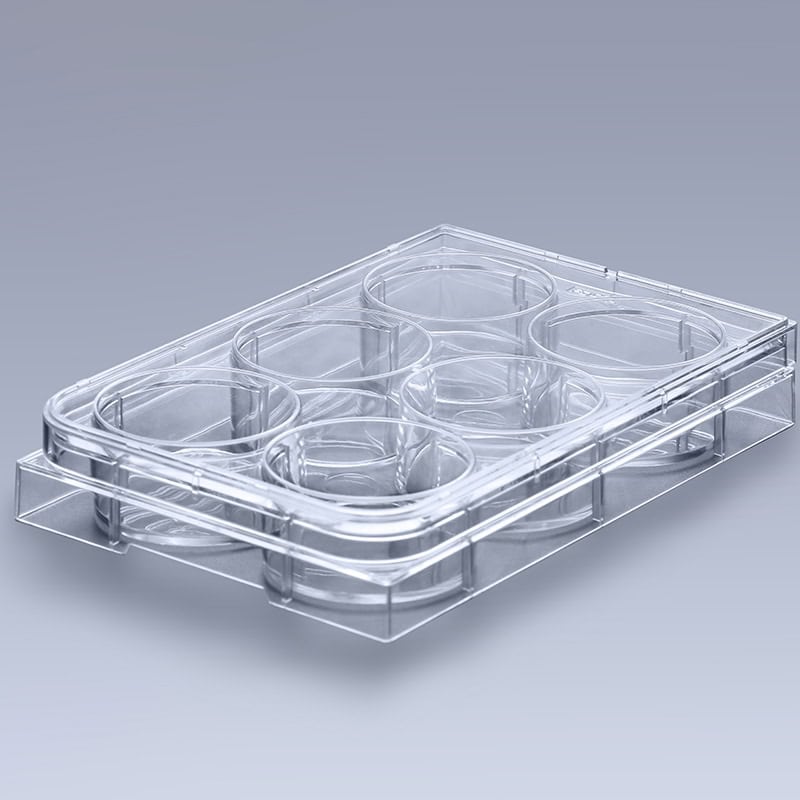
Photosensitizer-coated glass bottom plates for standardized, reproducible wound healing assays. Available in 6-, 24-, and 96-well format. No washing step or medium change required after light exposure.
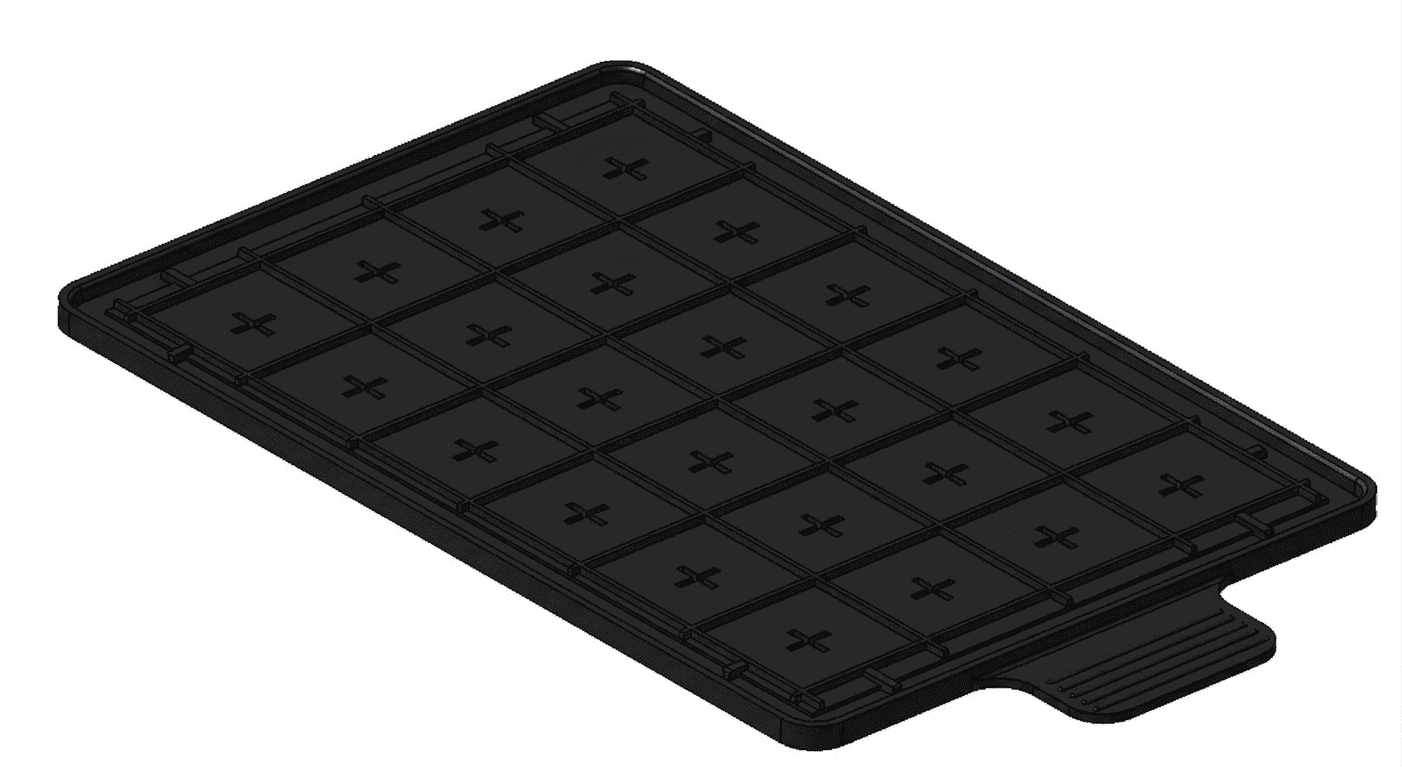
The light mask clips under the ScratchMaker plate and defines exactly where the photosensitizer is activated. Ensures identical wound geometry across all wells, all experiments, all operators. One mask per format — reusable.
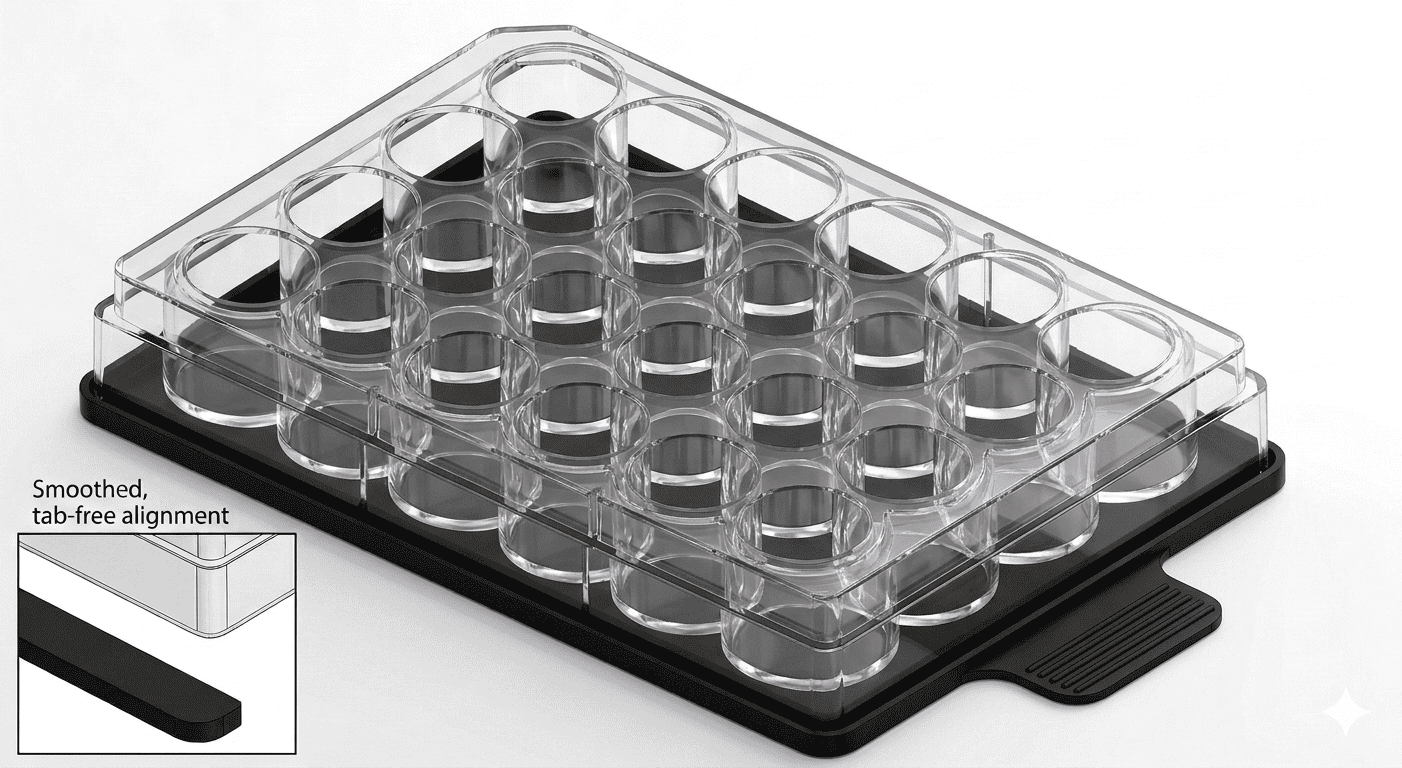
Everything you need to run your first standardized scratch assay. Includes ScratchMaker plates in your chosen format, the matching light mask, and a step-by-step protocol. Up to 50% off for new customers.
Ideal for larger cell populations, higher cell input, or applications requiring more image area per well. Compatible with most brightfield and fluorescence microscopes.
The standard format for scratch assay experiments. Fits directly into the zenCELL owl 24-channel imager. Best balance between throughput and image quality.
For high-throughput screening applications. Compatible with zenCELL owl XYZ SCAN stage add-on. Screen up to 96 conditions in a single experiment.
All ScratchMaker plates and masks are available for individual sample offers. Contact us at info@innome.de with your format, quantity, and institution — we will create a personal quote within 24 hours. New customers receive up to 50% off their first Starter Kit order.
ScratchMaker plates with integrated Microelectrode Array (MEA) compatibility — precisely defined wound position relative to the electrode for electrical cell migration measurements. Contact us for early access.
From confluent monolayer to defined photochemical wound – a standardized workflow in four steps. Compatible with 6-, 24-, and 96-well formats.
Seed cells, incubate to ≥95% confluency
Mask clips under the plate, defines exposure zone
Blue/violet light (~408 nm, DAPI channel), 3 cm distance, per well
No washing, no medium change – ready to go
Säen Sie Ihre Zellen in der entsprechenden Dichte auf die ScratchMaker-Scratch-Assay-Platte aus. Inkubieren Sie die Zellen, bis eine Konfluenz von ≥95 % erreicht ist – je nach Zelllinie dauert dies in der Regel 16–24 Stunden.
Befestigen Sie die ScratchMaker-Lichtmaske an der Unterseite der Wellplatte. Die Maske dient als Halterung und Lichtleiter – sie definiert exakt, welcher Bereich jedes Wells belichtet wird.
Place each well under your fluorescence microscope light source for 60 seconds at a distance of 3 cm. The blue/violet excitation light resonantly activates the photosensitizer embedded in the glass coating, generating singlet oxygen (¹O₂) precisely within the illuminated area. This induces localized cell death only where the light hits – cells just outside the exposed zone remain completely unaffected.
The scratch assay plate is ready immediately after light exposure. No washing or medium change is required – cells remain in their original medium. Place directly under your microscope or into the zenCELL owl and start live-cell monitoring.

Funktioniert mit 6-Well, 24-Well und 96-Well ScratchMaker Scratch-Assay-Platten. Das gleiche Lichtmaskensystem gilt für alle Formate – aufstecken, belichten, mit der Bildaufnahme beginnen.
Ein direkter Vergleich der drei gängigsten Ansätze für Wundheilungs-Assays – und warum photochemische Scratch-Assay-Platten die physiologisch relevantesten Daten liefern.
| Merkmal | ScratchMaker Platten | Pipettenspitze | Ibidi Einsatz |
|---|---|---|---|
| Wundart | Photochemischer Zelltod | Mechanische Ruptur | Lücke – keine Zellzersetzung |
| Physiologische Relevanz | Hoch – simuliert in vivo | Mäßig | Gering – keine Trümmerbeseitigung |
| Entfernung von Zelltrümmern | Ja, definierte Zone | Ja, unkontrolliert | Nein |
| Schadensrisiko einfügen | Keine Einfügung | Keine Einfügung | Ja – nach über 2 Stunden |
| Reproduzierbarkeit von Scratch | Hoch | Niedrig (±30–60%) | Hoch |
| 6-Well-Platte | Ja | Ja | Ja |
| 24-Well-Platte | Ja | Ja | Ja |
| 96-Well-Platte | Ja | Mühsam | Ja |
| Anforderung an ein Mikroskop | Fluoreszenzmikroskop (min.) · 3 cm Abstand | Irgendein | Irgendein |
| Teilprothesenverwendung | Ja – Brunnentests Schritt für Schritt (steril) | Ja | Nein |
| Wundreinigung | Nicht erforderlich | Erforderlich | Erforderlich |
| Kosten pro Teller | ab 59 € | ~€0 | 50–80 € |
| Mikroelektroden-Array (MEA) | Kompatibel | Alternative Methode | Alternative Methode |
| Veröffentlichungseignung | Ja | Begrenzt | Ja |
ScratchMaker-Platten sind mit der Microelectrode Array (MEA)-Technologie kompatibel und bieten eine präzise Alternative zu Einsteck- oder manuellen Kratzmethoden für elektrische Migrationsmessungen. Da die Wundposition durch die Lichtmaske präzise definiert wird, befindet sich die MEA-Elektrode immer an derselben Position relativ zur Wunde – dies macht elektrische Migrationsmessungen wesentlich reproduzierbarer und valider.
ScratchMaker-Mikroplatten für Scratch-Assays sind für die direkte Verwendung mit dem zenCELL owl Inkubations-Imager konzipiert. Legen Sie die Platte ein, drücken Sie Start – das System erfasst jede Kavität, jede Stunde, automatisch.
Vollautomatische photochemische Wundgenerierung für unsere Scratch-Assay-Platten – 96 identische Wunden in unter 60 Sekunden. Derzeit in der Prototypenentwicklung.

Illuminate all wells simultaneously in one step using UV-A/visible light (~385–408 nm) illumination. Compatible with all ScratchMaker scratch assay plates – 24-well and 96-well. Early access on request.
Antworten auf die häufigsten Fragen zu Lichtquellen, Wundgeometrie, Plattenverwendung und Kompatibilität.
A washing step is not strictly required — cells remain in their original medium and the plate is ready for imaging immediately after light exposure.
However, many researchers perform a medium change before and/or after illumination to remove floating dead cells and improve image quality, as well as to wash out any potentially generated by-products.
When adding reagents such as migration inhibitors or stimulants, a medium change is recommended to introduce them at a defined time point relative to wound creation — either before or after illumination depending on your experimental design.
Protocol guidance validated in collaboration with Stefanie Michaelis, Fraunhofer EMFT / University of Regensburg.
Preisliste, Protokoll-PDF und Musterbestellung für ScratchMaker Kratztest-Platten – kontaktieren Sie uns direkt.
Kontaktieren Sie uns
In return, we ask for a short application note, video clip, or written statement within 90 days — your experience helps other researchers discover ScratchMaker.