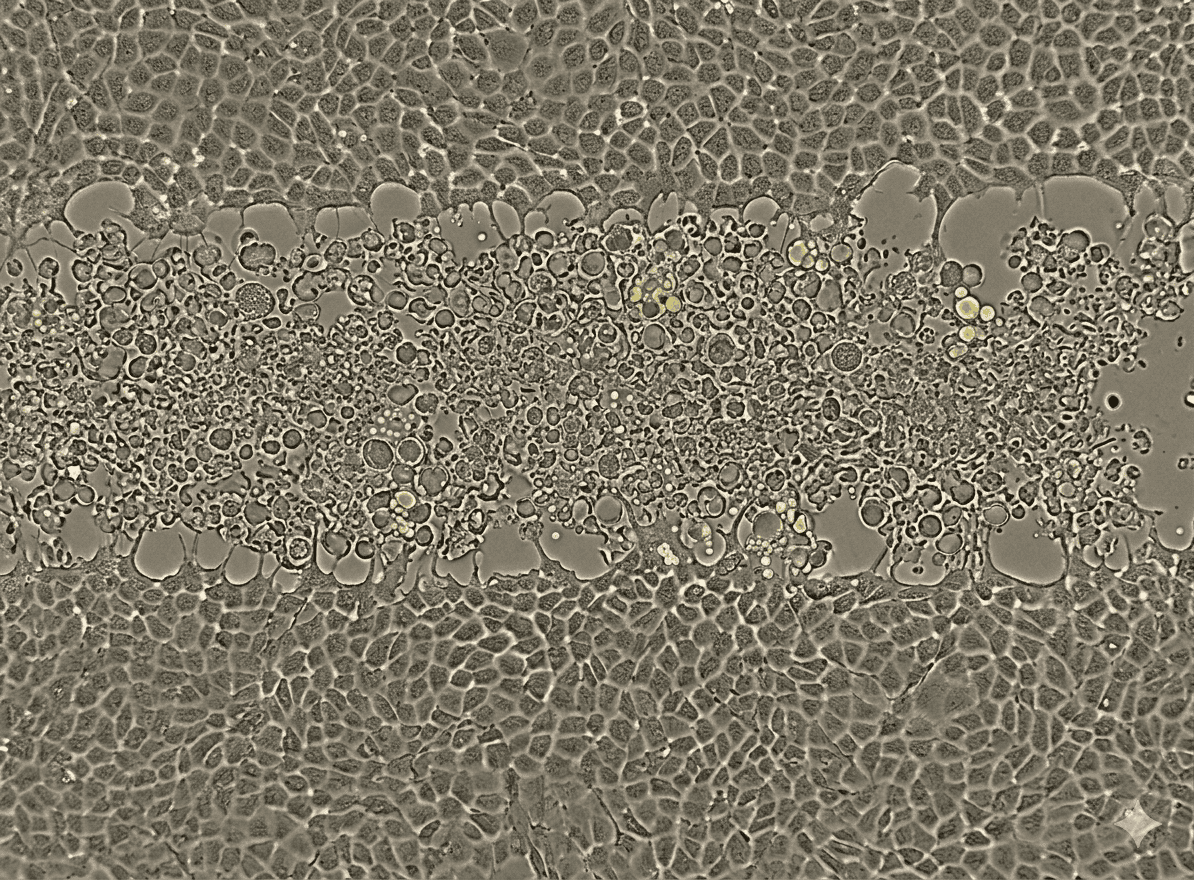
The method you use to create a wound determines what biology you can study. Not all scratch assay plates are equal — the wound type matters. 细胞迁移测定研究 持续表明生理相关性是基于插入和光化学伤口模型之间的关键区别。.
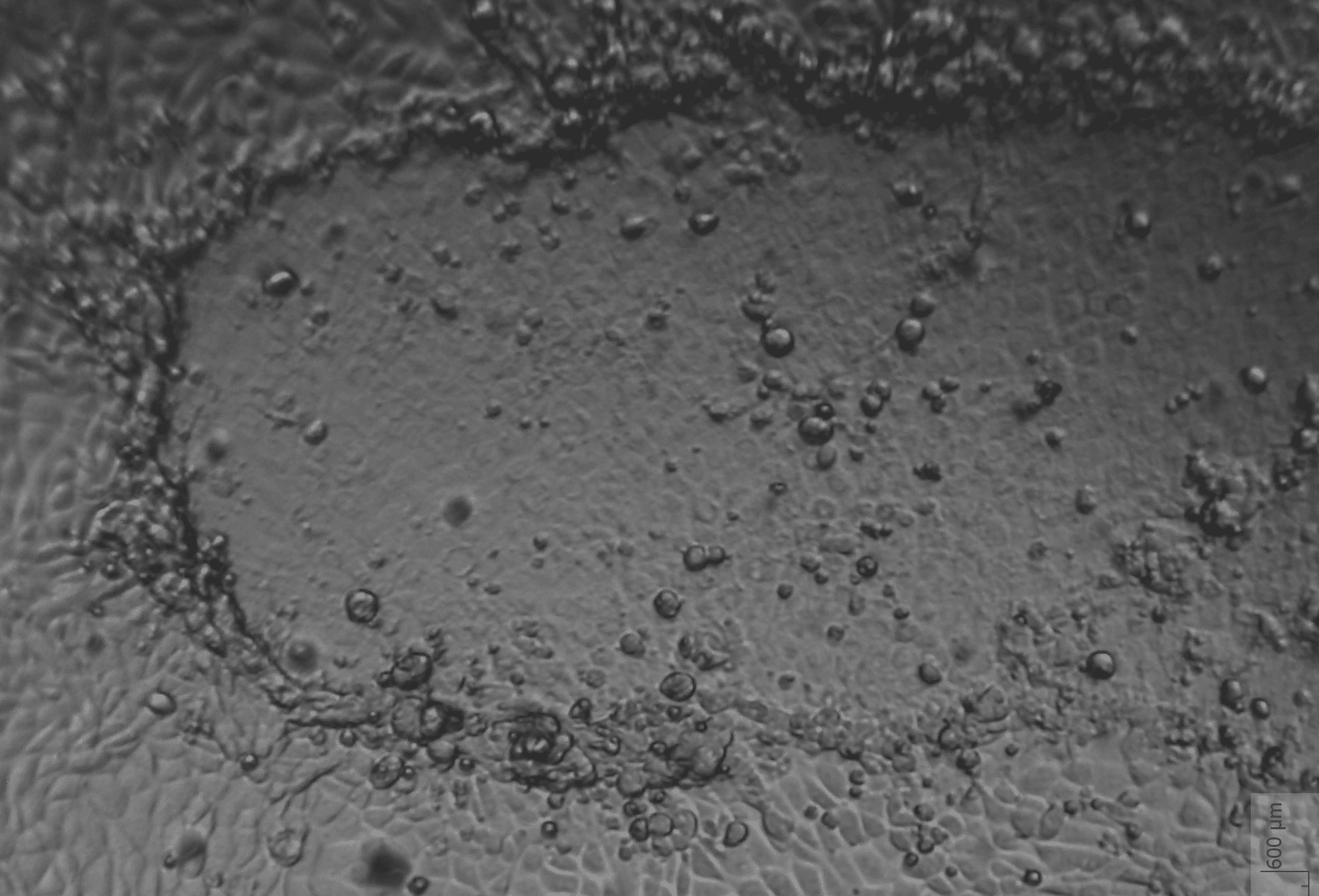
Most labs still create scratch wounds by dragging a pipette tip across the monolayer by hand. This mechanically ruptures cells at the wound edge — width, angle, and depth vary with every pass, every operator, every plate. ScratchMaker scratch assay plates replace this manual step entirely with a precisely defined, reproducible photochemical wound.
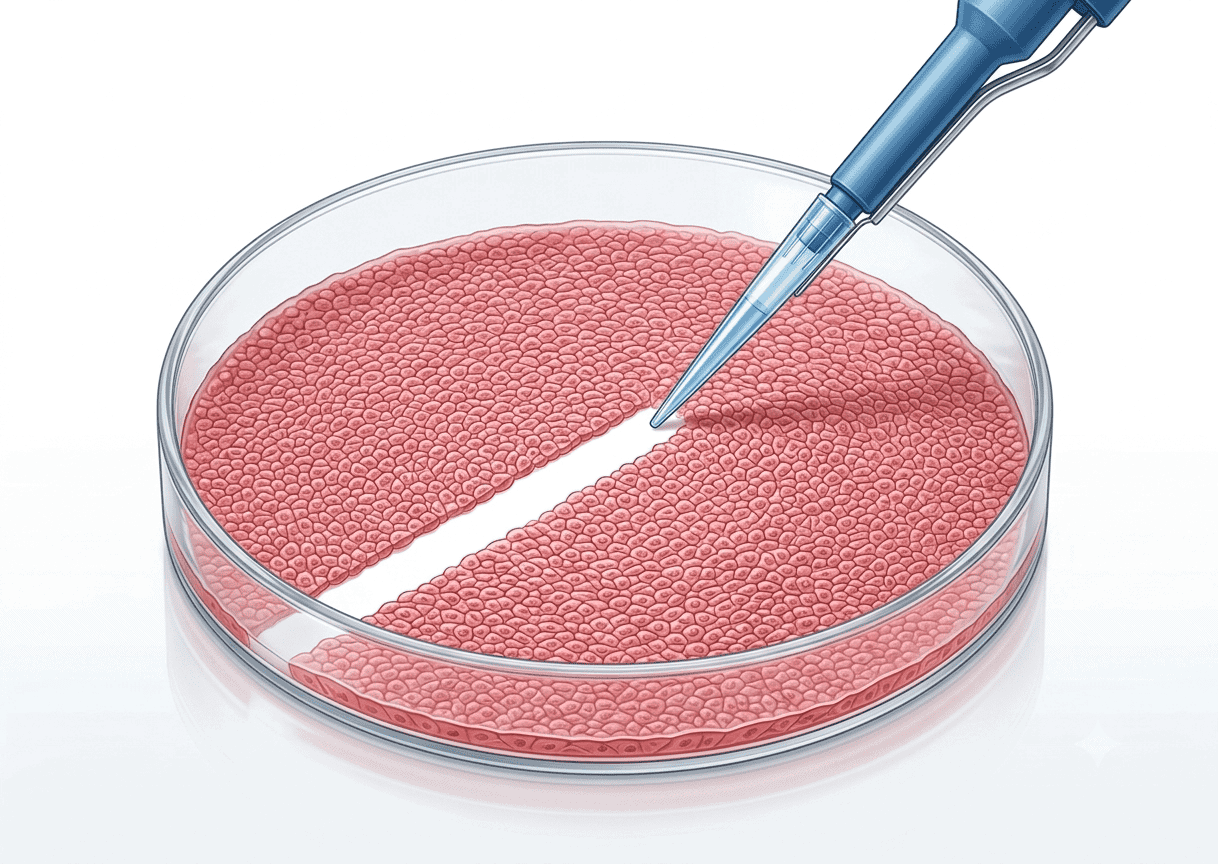
"细胞在向伤口移动时,不仅能闭合伤口,还能消化沿途的细胞体。所以我们认为这非常接近生理状况,即生物层面上正在发生的实时情况。"
— 研究人员反馈,zenCELL owl 现场演示 · 2026年6月UV-A/visible light (wavelength typically ~340–408 nm). Standard fluorescence microscopes with Hg-vapour lamp (DAPI filter cube) or 405 nm laser are fully compatible. Photosensitizer absorption maximum: ~395 nm. No dedicated UV lamp or laser required — exposure time 20–60 seconds per well.
Available in 6-, 24-, and 96-well format. Order plates and masks separately or as a complete Starter Kit. Individual sample offers available for new customers.
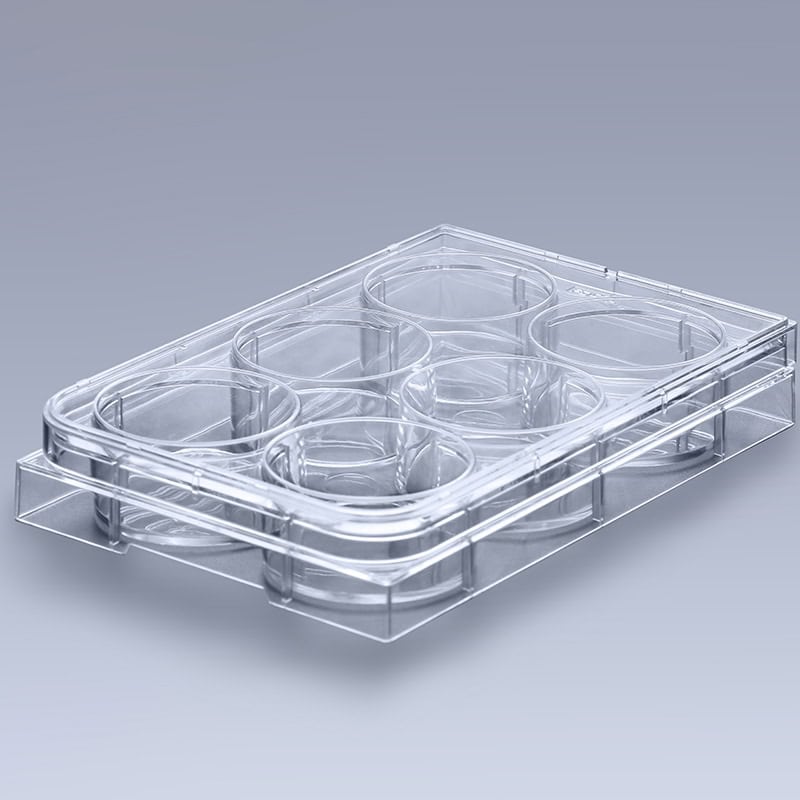
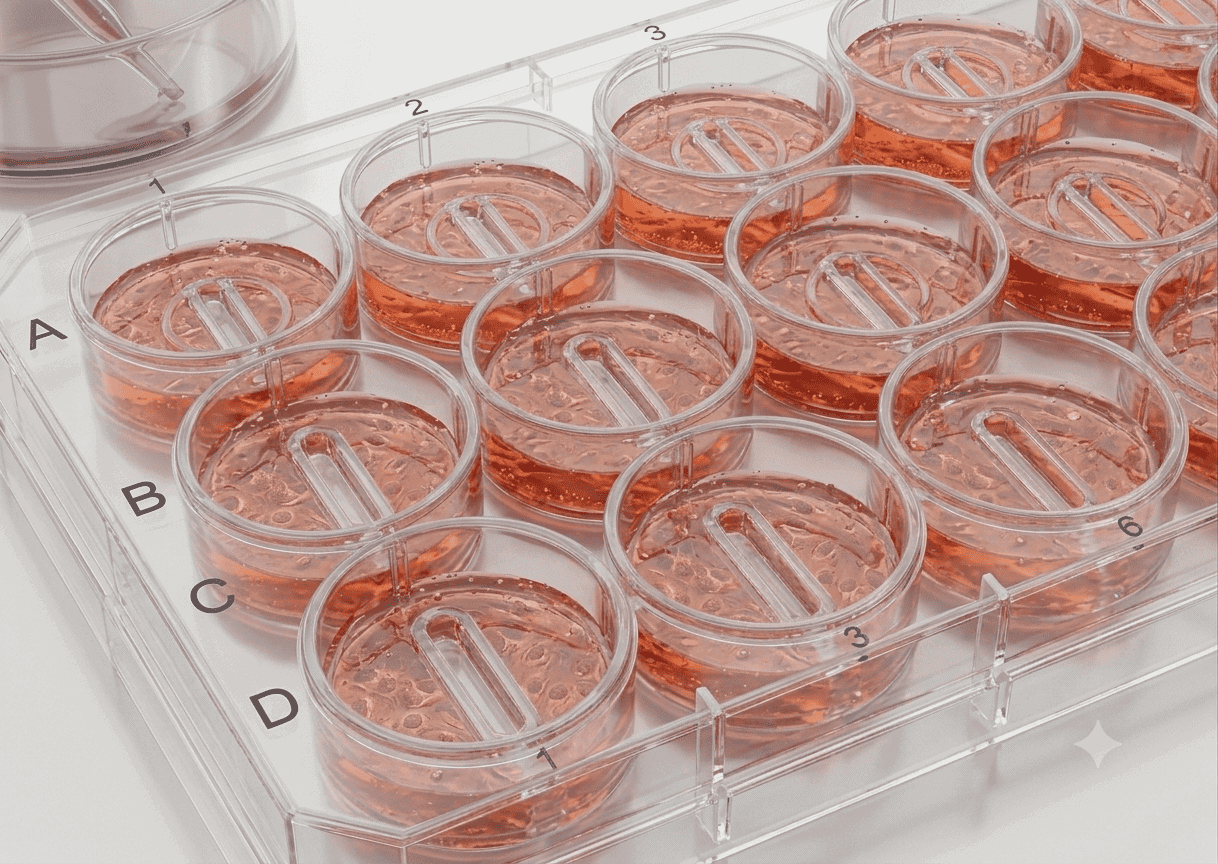
Photosensitizer-coated glass bottom plates for standardized, reproducible wound healing assays. Available in 6-, 24-, and 96-well format. No washing step or medium change required after light exposure.
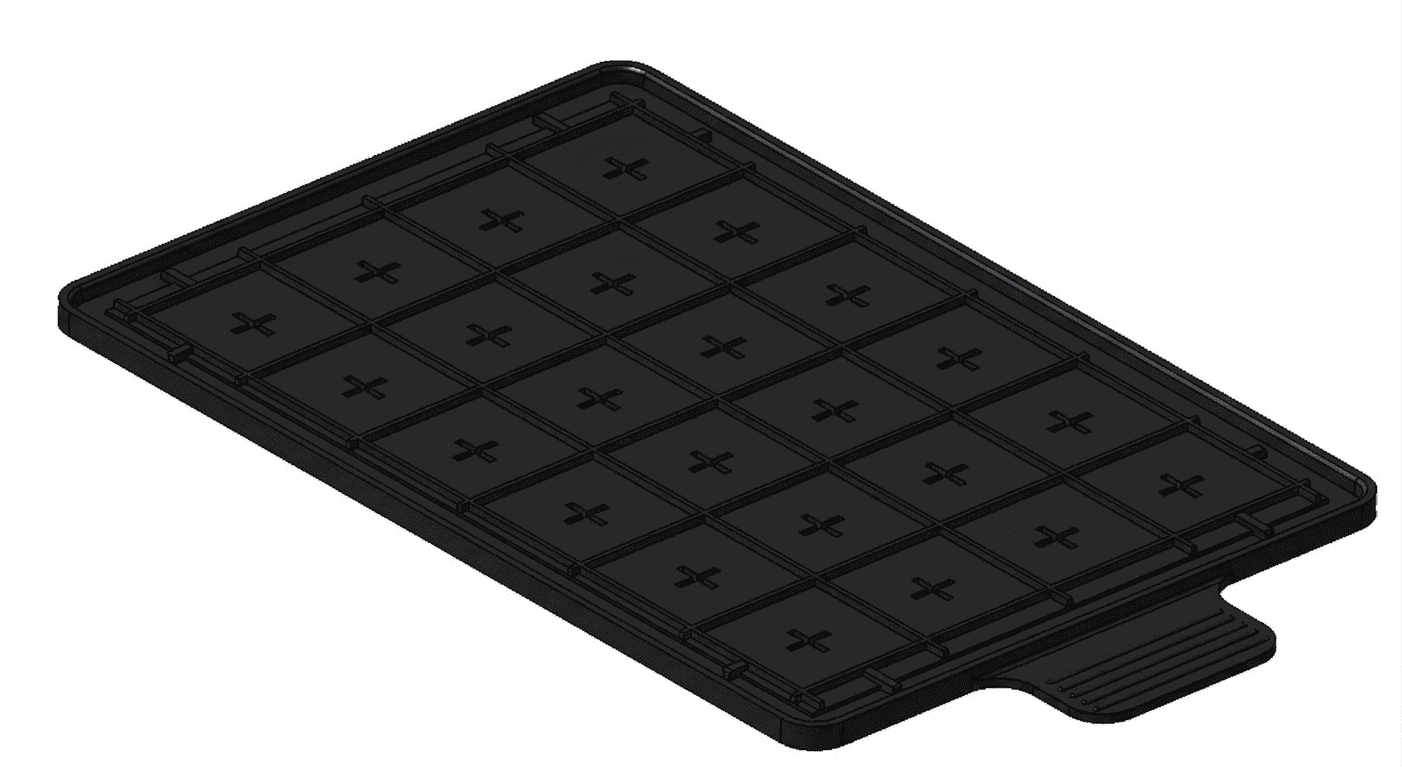
The light mask clips under the ScratchMaker plate and defines exactly where the photosensitizer is activated. Ensures identical wound geometry across all wells, all experiments, all operators. One mask per format — reusable.
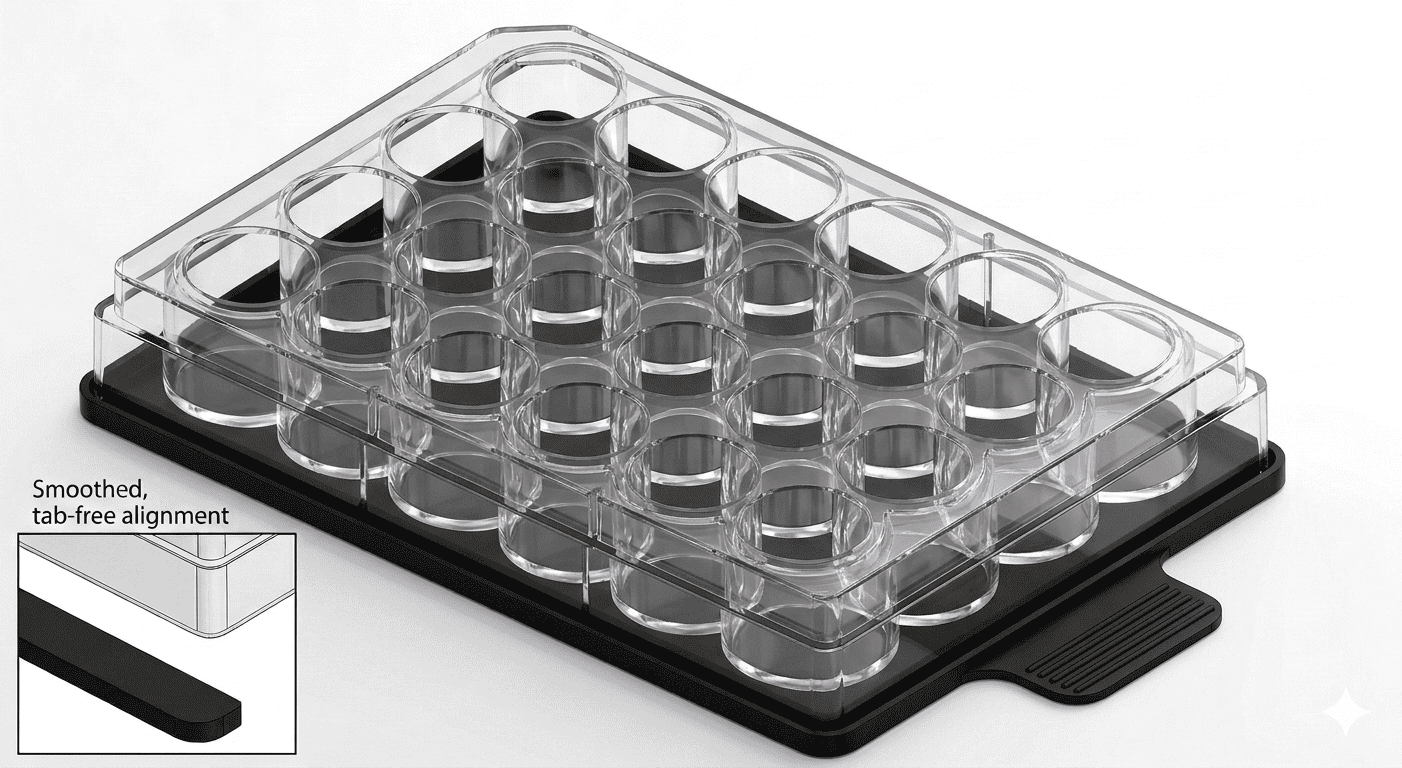
Everything you need to run your first standardized scratch assay. Includes ScratchMaker plates in your chosen format, the matching light mask, and a step-by-step protocol. Up to 50% off for new customers.
Ideal for larger cell populations, higher cell input, or applications requiring more image area per well. Compatible with most brightfield and fluorescence microscopes.
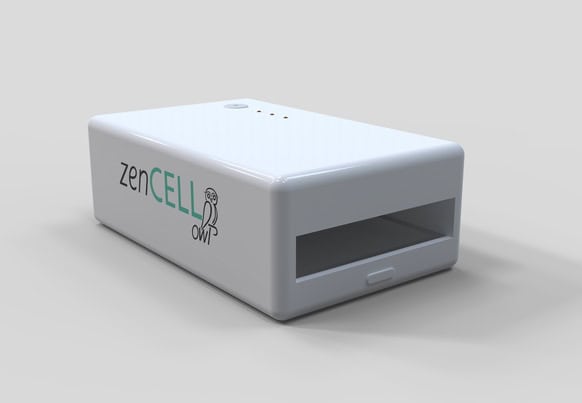
The standard format for scratch assay experiments. Fits directly into the zenCELL owl 24-channel imager. Best balance between throughput and image quality.
For high-throughput screening applications. Compatible with zenCELL owl XYZ SCAN stage add-on. Screen up to 96 conditions in a single experiment.
All ScratchMaker plates and masks are available for individual sample offers. Contact us at info@innome.de with your format, quantity, and institution — we will create a personal quote within 24 hours. New customers receive up to 50% off their first Starter Kit order.
ScratchMaker plates with integrated Microelectrode Array (MEA) compatibility — precisely defined wound position relative to the electrode for electrical cell migration measurements. Contact us for early access.
From confluent monolayer to defined photochemical wound – a standardized workflow in four steps. Compatible with 6-, 24-, and 96-well formats.
Seed cells, incubate to ≥95% confluency
Mask clips under the plate, defines exposure zone
Blue/violet light (~408 nm, DAPI channel), 3 cm distance, per well
No washing step required — image immediately. Medium change optional for long-term assays (>24h).
将细胞以适当密度接种到ScratchMaker划痕实验板上。培养直至细胞汇合度达到≥95%——通常需16–24小时,具体时间取决于细胞系。.
将 ScratchMaker 浅膜夹在微孔板底部。该浅膜充当支架和光导管——它确切地定义了每个微孔的哪个区域将被暴露。.
Place each well under your fluorescence microscope light source for 60 seconds at a distance of 3 cm. The blue/violet excitation light resonantly activates the photosensitizer embedded in the glass coating, generating singlet oxygen (¹O₂) precisely within the illuminated area. This induces localized cell death only where the light hits – cells just outside the exposed zone remain completely unaffected.
The scratch assay plate is ready immediately after light exposure. No washing or medium change is required – cells remain in their original medium. Place directly under your microscope or into the zenCELL owl and start live-cell monitoring.
全自动光化学伤口生成,用于我们的划痕实验板——96个相同的伤口,不到60秒即可完成。目前处于原型开发阶段。.
Illuminate all wells simultaneously in one step using UV-A/visible light (~385–408 nm) illumination. Compatible with all ScratchMaker scratch assay plates – 24-well and 96-well. Early access on request.
 English English
 Deutsch
 Français
 Español
 简体中文
简体中文