
“`html
Understanding Variability Introduced During Serum Processing Steps
Biological Function of Serum in Cell Culture
The Role of Serum
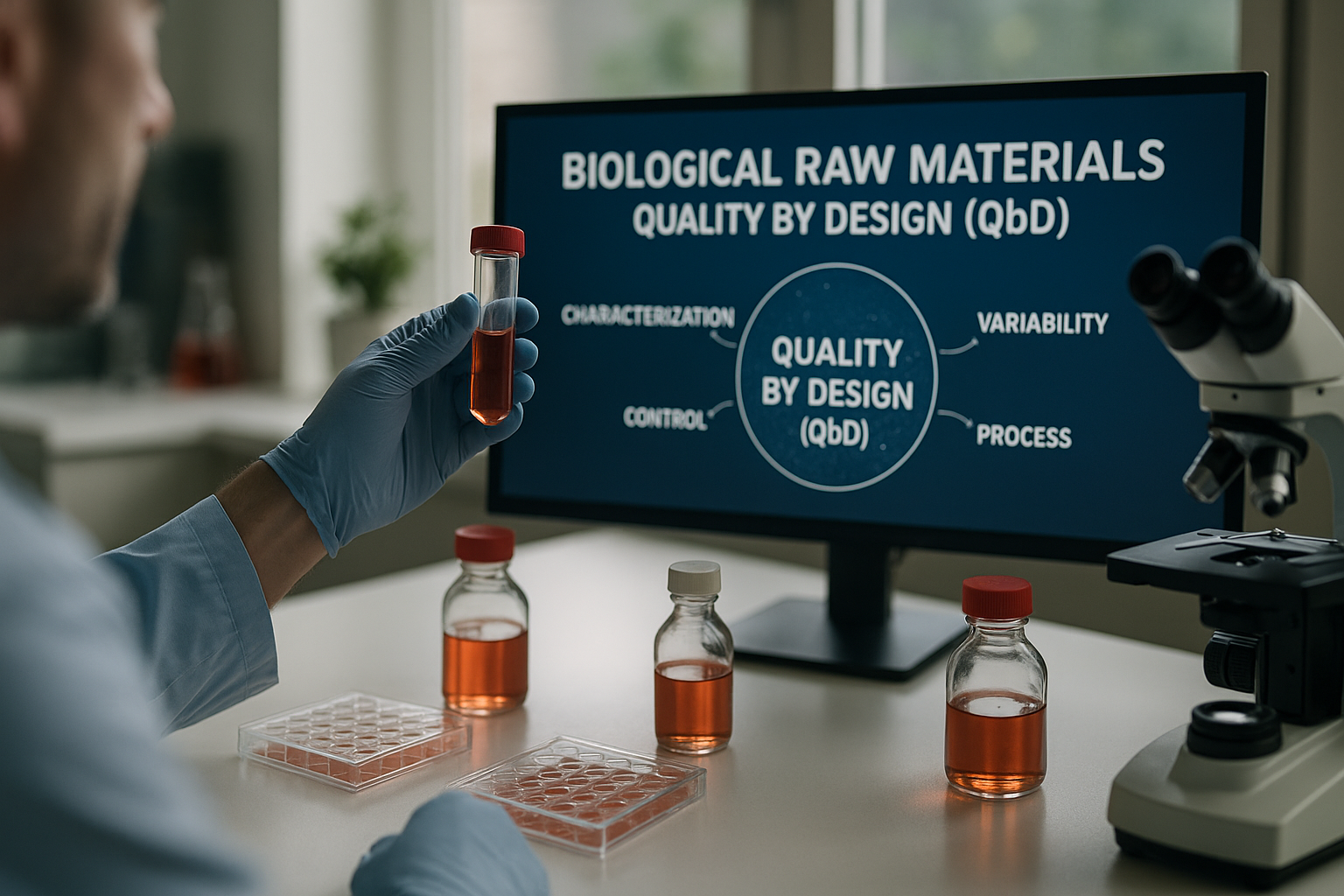
Serum is a complex mixture of proteins, nutrients, hormones, and growth factors essential for cell growth and maintenance in vitro. It acts as a source of attachment factors and mitogenic stimuli while also providing protective buffering capacities against fluctuations in pH. Understanding the variability introduced during serum processing steps is crucial because even slight deviations can lead to altered cell behavior.
- Supplies critical growth factors and hormones
- Provides cell anchorage and buffering capacity
- Protein content supports cell metabolism
Continue reading to explore more advanced insights and strategies.
Lot-to-Lot Variability: A Fundamental Challenge
Understanding the Sources
Lot-to-lot variability in serum arises due to differences in animal sources, processing methods, and storage conditions. As each batch of serum is derived from different donor animals, variations in their diet, age, and health can lead to inconsistencies in serum composition. This biological diversity introduces variability during serum processing steps, significantly affecting reproducibility in cell culture experiments.
- Differential animal sources contribute to compositional variability
- Different processing techniques affect serum performance
- Storage and handling conditions play a crucial role
Continue reading to explore more advanced insights and strategies.
Reducing Variability in Serum-Based Experiments
Strategies for Mitigation
Minimizing variability introduced during serum processing steps requires stringent quality control measures and selection of appropriate batch management techniques. Researchers are advised to test serum batches for compatibility with their specific cell lines before large-scale application. Additionally, using defined fetal bovine serum with established functional performance characteristics can help reduce experimental inconsistencies.
- Conduct pre-experimental testing of serum batches
- Employ standardized processing protocols
- Use high-quality, batch-specific documentation
Continue reading to explore more advanced insights and strategies.
Documentation and Traceability in Serum Processing
Ensuring Reliable Source Identification
Documentation and traceability play pivotal roles in tackling variability. Each serum batch should have detailed records of its origins and processing conditions. Reliable traceability ensures that any variations affecting cell culture performance can be tracked back to their source. This approach is integral to understanding variability introduced during serum processing steps as it fosters transparency and reproducibility in research.
- Maintain comprehensive documentation from sourcing to processing
- Implement traceability protocols for each serum batch
- Use rigorous testing and reporting standards
Continue reading to explore more advanced insights and strategies.
Advanced Monitoring with Live-Cell Imaging Solutions
Continuous Tracking of Serum Effects on Cell Culture
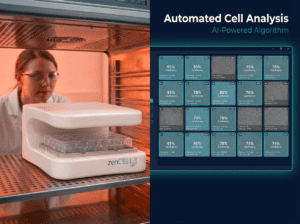
Live-cell imaging systems, such as an incubator-compatible solution like the zenCELL owl, play a critical role in continuously monitoring cell behavior under varying serum conditions. They provide real-time insights into cell morphology and growth patterns, allowing researchers to document serum or reagent effects meticulously. Such technology can significantly improve reproducibility by providing documented evidence of how variability introduced during serum processing steps impacts cell culture outcomes.
- Facilitates continuous monitoring of cellular responses
- Enables real-time documentation of experimental conditions
- Supports reproducibility by tracking physical changes systematically
Continue reading to explore more advanced insights and strategies.
“`
“`html
Impact of Serum Variability on Experimental Outcomes
Implications for Cell Culture Studies
The variability introduced during serum processing steps can profoundly alter cellular experimental outcomes. Discrepancies in protein concentration or growth factor presence can directly influence cell proliferation rates and viability, leading to inconsistent data across different studies. A study published in the ‘Journal of Cell Science’ highlighted that different serum batches led to observable changes in the morphology and metabolic activity of cultured cardiomyocytes. Such variations can skew data interpretation, impacting the reproducibility of cell-based assays.
- Evaluate serum batch history before application
- Implement control experiments to identify serum-specific effects
Innovations in Serum Quality Control
Novel Approaches to Assure Consistency
Quality control in serum processing is evolving with the integration of advanced analytical techniques such as proteomics and metabolomics. These approaches enable detailed characterization of serum components, ensuring minimal batch-to-batch variability. For instance, utilizing mass spectrometry for protein profiling helps identify and quantify differences in key functional proteins between batches, thus enabling smarter selection of sera tailored for specific cell applications.
- Adopt routine proteomic analysis to assess serum quality
- Utilize technology for real-time quality assurance
Standardizing Serum Processing Protocols
Establishing Universal Guidelines
Developing standardized protocols for serum processing can significantly reduce variability. Guidelines encompassing the source selection, processing temperatures, filtration methods, and storage specifics ensure reproducibility in downstream experiments. The ‘Serum Standards Consortium’ has made strides to define such criteria, offering a robust framework for laboratories to align their serum processing techniques.
- Implement protocols recommended by industry bodies
- Ensure consistent storage conditions for long-term serum use
The Role of Defined Serum Alternatives
Exploring Synthetic and Supplemented Options
Amidst challenges with natural serum variabilities, defined serum alternatives composed of known quantities of purified components present a viable solution. These alternatives provide enhanced control over experimental conditions, as seen in research conducted by ‘Cell Biologics’, demonstrating how defined serum improved macrophage differentiation with consistent results across experiments.
- Consider substituting with defined serum products
- Select alternatives tested for specific cell lines and applications
Batch Testing: A Critical Prerequisite
Ensuring Compatibility with Cell Lines
Before introducing a new serum batch into routine usage, batch testing provides insights into its compatibility and effect on specific cell lines. This step involves comparing the effects of new serum batches to previously validated batches under control conditions. Robust batch testing ensures continuity in experimental outcomes and minimizes disruptions caused by serum variability.
- Perform pilot tests using small-scale cultures
- Document all variations encountered during testing phases
Integrating Predictive Modeling in Serum Analysis
Using Data to Predict Serum Batch Performance
Predictive modeling leverages historical data and machine learning algorithms to forecast likely outcomes of serum performance. By analyzing patterns from past serum usage, models can predict potential inconsistencies, helping labs preemptively adjust their experiments. For instance, integrating AI-driven analytics allowed a leading biotechnology firm to reduce variability in oncological research involving complex serum components by 20%.
- Implement AI tools to anticipate and manage variability
- Use algorithmic insights for serum batch adjustment strategies
Collaborative Efforts in Serum Research
Fostering Industry-Wide Solutions
The challenge of serum variability is not isolated, and collaborative efforts among academia, industry, and regulatory bodies are essential. Initiatives such as the ‘Global Serum Research Coalition’ encourage sharing of data and best practices. This collective approach is pivotal for advancing transparency in serum research and driving innovations to minimize inconsistencies.
- Participate in inter-laboratory collaborations
- Advocate for sharing transparency in data and research findings
Next, we’ll wrap up with key takeaways, metrics, and a powerful conclusion.
“`
“`html
Impact of Storage Conditions on Serum Efficacy
Ensuring Optimal Preservation for Consistent Results
Proper storage of serum is essential to maintain its efficacy over time. Temperature fluctuations, exposure to light, and repeated freeze-thaw cycles can degrade serum components, altering their biological activity. Research underscores that maintaining constant storage conditions, such as keeping sera at -20°C for short-term use and -80°C for long-term storage, preserves the integrity of growth factors and proteins within the serum. Adopting these guidelines helps ensure reproducibility and reliability in cell culture applications.
- Avoid repeated freeze-thaw cycles
- Store under industry-recommended conditions
Regulatory Influence and Compliance
Guiding Standards for Serum Processing
Regulatory agencies play a crucial role in shaping the standards for serum processing and usage. The need for compliance with guidelines ensures uniformity, safety, and efficacy of serum products utilized in laboratories worldwide. Organizations such as the ‘Food and Drug Administration’ (FDA) and ‘European Medicines Agency’ (EMA) establish stringent policies that serum manufacturers must adhere to, including traceability and quality assurance practices. This regulatory oversight promotes the advancement of global harmonization in serum usage and research methodologies.
- Ensure compliance with international guidelines
- Stay informed about changes in regulatory requirements
Future Directions in Serum Research
Charting the Path Forward
The future of serum research is poised for transformation driven by technological advancements and collaborative networks. Incorporating blockchain technology to enhance traceability, leveraging big data for deeper insights, and continuous collaboration among stakeholders are set to redefine serum standards and applications. With ongoing initiatives and innovations, the field progresses toward less variability and more reliable outcomes, ultimately accelerating scientific breakthroughs and benefiting diverse research domains.
- Adopt emerging technologies in serum optimization
- Engage with collaborative research initiatives
Conclusion
The exploration of variability in serum processing and its profound impact on experimental outcomes highlights the nuanced challenges faced by modern laboratories. This article underscores the critical importance of implementing advanced quality control measures, embracing standardized protocols, and exploring defined serum alternatives to mitigate inconsistencies. As scientific inquiry transcends borders, maintaining rigorous serum standards becomes imperative for generating reproducible and valid research findings.
Our journey through the complexities of serum research reveals a landscape rich with opportunity for innovation. From utilizing cutting-edge proteomics to integrating machine learning for predictive modeling, researchers and industry leaders are well-equipped to master serum variability. By fostering transparency and collaboration, the scientific community can harness collective expertise, drive meaningful progress, and address some of the most pressing challenges faced by life sciences today.
The steadfast pursuit of excellence in serum research depends on the unified efforts of academia, industry, and regulatory bodies. By embracing these shared goals, stakeholders can establish a future of heightened consistency and reliability, paving the way for groundbreaking discoveries across diverse fields including oncology, regenerative medicine, and beyond. We encourage all research professionals to actively engage in dialogues and innovations that propel serum science into its next chapter.
Let this serve as both a call-to-action and an inspiration—commit to advancing your serum handling protocols, advocate for collaborative solutions, and remain steadfast in pursuit of experimental rigor. Your contributions are pivotal as we shape the future of scientific research, driving transformative change and ensuring that every experiment paints a clear picture of discovery.
“`