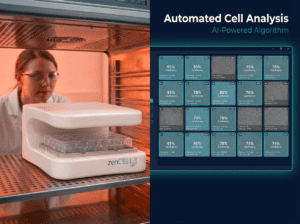
Barrierefunktion & TEER-ähnliche Messwerte
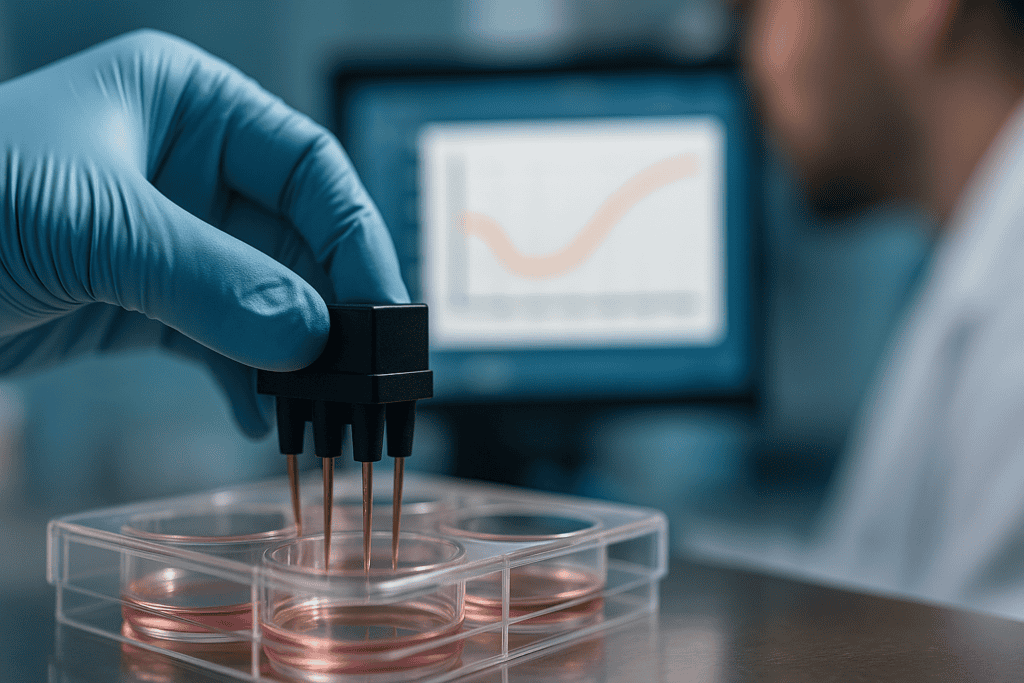
“```html
Barrierefunktion & TEER-ähnliche Messwerte
In the realm of modern cell culture research, the importance of measuring epithelial barrier function and electrical resistance cannot be overstated. Techniques such as Transepithelial Electrical Resistance (TEER) are critical in understanding the barriers formed by cell cultures, playing a pivotal role in pharmacological research, toxicity testing, and wound healing studies. This article delves into the intricacies of barrier function analysis, the challenges faced with traditional methodologies, and technological advances that are redefining laboratory workflows.
Challenges of Traditional Approaches in Barrier Function Measurement
The conventional methods of evaluating barrier integrity, while foundational, come with a range of limitations. Issues such as the need for manual operations and susceptibility to errors are commonplace. These methods often lack the precision required for high-throughput and real-time analysis, making them less efficient for modern-day research requirements.
- High variance between measurements due to manual handling.
- Time-consuming procedures limiting throughput.
- Inability to provide continuous, real-time data.
Technologische Fortschritte und Automatisierungstrends
Emergence of Automated TEER Systems
Recent advancements in technology have brought forth automated systems that leverage real-time monitoring capabilities. These systems provide a more efficient and accurate means of assessing barrier function, bridging gaps left by traditional techniques. The integration of such advancements minimizes human error, ensures consistency across experiments, and enhances reproducibility, which are paramount in regulated environments.
- Enhanced precision and consistency with automation.
- Capability for continuous monitoring leading to more robust data sets.
- Reduction in labor costs and time with less manual intervention.
Real-World Application: Live-Cell Imaging Workflows
Leveraging live-cell imaging, researchers can now visualize and quantify barrier functions in real-time. This not only provides insights into cell behavior and monolayer formation but also enables the study of dynamic processes such as junction formation and disruption under various conditions.
- Facilitates observation of cellular responses to stimuli in real-time.
- Enables high-throughput screening, improving workflow efficiency.
- Provides deeper insights into cellular processes and interactions.
Role of Incubator-Based Imaging in Enhancing Data Quality
Incubator-based imaging systems like zenCELL owl are revolutionizing the field by allowing for non-disruptive and continuous observation. These compact systems are designed to fit within standard laboratory incubators, maintaining environmental stability while providing high-quality imaging data.
- Ensures environmental stability essential for accurate live-cell imaging.
- Reduces the frequency of sample handling, protecting delicate structures.
- Generates comprehensive datasets enhancing long-term study validity.
Applications of Barrier Function Studies
Barrier function studies have a wide range of applications in research areas such as drug development, toxicology, and regenerative medicine. Tools like TEER and live-cell imaging facilitate deeper exploration and understanding of these fields through high-throughput and precise data acquisition.
- Migration assays: Study of cell movement across barriers.
- Organoids: Model complex tissue structures and functions.
- Proliferation and HTS: High-throughput screening for drug discovery.
Lesen Sie weiter, um tiefere Einblicke und Strategien zu gewinnen.
“`
“```html
Innovations in Sensor Technologies for Barrier Function Measures
Advancements in Sensor Design
The convergence of microelectronics and biotechnology has led to innovative sensor technologies that enhance the accuracy of barrier function assessments. Modern sensors are now capable of detecting minute changes in electrical resistance with high precision, offering unparalleled insights into cellular monolayers’ health and integrity.
- Increased sensitivity and precision in detecting barrier disruptions.
- Reduction in signal noise with advanced electronic filtering.
- Compatibility with a range of biological assays and formats.
Impact of AI and Machine Learning in Data Analysis
Transformative Potential of AI in Laboratory Settings
Artificial intelligence (AI) and machine learning (ML) are revolutionizing how researchers interpret data from barrier function studies. These technologies facilitate the rapid analysis of complex datasets, identifying patterns and predicting outcomes that may not be immediately apparent to human researchers.
- Enhanced pattern recognition in large datasets.
- Predictive analytics for outcome forecasting and trend analysis.
- Automation in data categorization and error detection.
Optimizing Workflow with Integrated Software Solutions
Streamlining Data Acquisition and Analysis
The integration of advanced software solutions provides a seamless workflow from data collection to analysis. These platforms are designed to handle vast amounts of data, offering researchers real-time insights and visualization tools that enhance decision-making processes.
- User-friendly interfaces reducing the learning curve for new technologies.
- Seamless integration with existing laboratory instruments and databases.
- Automated reporting tools enabling quick dissemination of results.
Cost Efficiency through Scalable Solutions
Balancing Budget Constraints with Technological Needs
Incorporating scalable solutions ensures that laboratories can adapt to evolving technological needs without overextending their budgets. These solutions allow for incremental enhancements, permitting laboratories to gradually upgrade their systems in alignment with financial capabilities.
- Modular systems that expand functionalities over time.
- Cost-effective upfront investment with scalable expansion options.
- Long-term cost savings through reduced operational costs and increased productivity.
Safety and Compliance in Barrier Function Testing
Ensuring Adherence to Regulatory Standards
Maintaining safety and compliance within laboratory environments is essential, particularly in regulated industries. State-of-the-art TEER systems and barrier function methodologies are designed to comply with stringent regulatory standards, ensuring ethical and safe research practices.
- Regular system calibration to maintain compliance with industry standards.
- Adoption of non-invasive methods reducing potential sample contamination.
- Documentation and reporting features aiding in audit compliance.
Collaborative Platforms for Global Research
Enhancing Research Collaboration through Technology
Modern collaborative platforms allow researchers from around the world to share insights, data, and findings in real-time, fostering a culture of open science. These platforms support comprehensive data sharing and collaborative analysis, accelerating advancements in barrier function studies.
- Global collaboration leading to diverse and inclusive research perspectives.
- Instant communication features enabling real-time discussions and idea sharing.
- Cloud-based infrastructures for secure and scalable data management.
Integration with Multi-Omics Techniques
Comprehensive Analysis through Multi-Omics Approaches
By integrating multi-omics techniques with barrier function studies, researchers gain a multi-dimensional view of cellular behaviors. This comprehensive approach allows for the exploration of genetic, proteomic, and metabolomic factors influencing barrier integrity and function.
- Holistic understanding of cell behavior through integrated data analysis.
- Identification of biomarkers and pathways critical for barrier formation.
- Customizable analysis pipelines tailored to specific research needs.
Im Anschluss fassen wir die wichtigsten Erkenntnisse, Kennzahlen und eine wirkungsvolle Schlussfolgerung zusammen.
“`
“```html
Data Security and Privacy in Barrier Function Research
Protecting Sensitive Research Data
Ensuring the security and privacy of data in barrier function research is paramount, particularly with the increasing volume of data generated. Implementing robust security protocols and data encryption methods helps safeguard sensitive information, maintaining the integrity and confidentiality of research outputs.
- Advanced encryption techniques to protect data at rest and in transit.
- Regular security audits to identify and mitigate vulnerabilities.
- Compliance with international data protection regulations.
Umweltaspekte und nachhaltige Praktiken
Tracking the Environmental Impact of Research Activities
As laboratories strive to become more environmentally sustainable, integrating eco-friendly practices in barrier function research is crucial. Implementing energy-efficient systems and reducing waste can significantly decrease a lab’s ecological footprint, aligning scientific pursuits with global sustainability goals.
- Adoption of low-energy consumption equipment.
- Minimization of chemical waste through greener alternatives.
- Initiatives for recycling and reusing laboratory materials.
Future Directions in Barrier Function Measures
Exploring New Horizons in Barrier Function Research
The future of barrier function research holds immense potential, driven by technological advancements and multidisciplinary collaboration. As new methodologies emerge and current technologies evolve, researchers are poised to uncover ground-breaking discoveries that could redefine our understanding of cellular barriers.
- Integration of advanced imaging techniques for real-time monitoring.
- Development of personalized medicine approaches utilizing barrier function assessments.
- Cross-disciplinary partnerships fostering innovation and discovery.
Schlussfolgerung
The rapid advancements in technology and methodology within the realm of barrier function and TEER-like readouts have revolutionized our ability to understand and manipulate cellular barriers. Through the innovative sensor technologies that offer exceptional sensitivity and precision, to the transformative power of AI and machine learning that enhances data interpretation, we have gained remarkable insights into the dynamic nature of cellular monolayers.
The integration of software solutions, alongside scalable and cost-efficient systems, has streamlined workflows, ensuring that research can progress without financial overextension. By adopting robust safety and compliance measures, and embracing global collaboration via secure platforms, researchers around the world can now contribute to an ever-expanding pool of knowledge with confidence and integrity.
Furthermore, the adoption of multi-omics techniques and environmentally conscious practices underscores the importance of a holistic and sustainable approach to scientific inquiry. These comprehensive strategies promise not only to enhance our understanding but also to ensure the longevity of research efforts.
In our quest to probe the unknowns of barrier function, there remains an affinity towards the future—an unwavering resolve to transcend current paradigms and to pioneer new frontiers in biotechnology. The journey ahead calls for continuous exploration, collaborative synergies, and an adaptable mindset that embraces technological innovations.
We invite researchers, practitioners, and enthusiasts alike to engage actively with these emerging technologies, and to contribute to a legacy of scientific exploration and discovery. Let us channel our collective efforts into leveraging these advancements for improved health outcomes and broadened scientific horizons. Together, we stand on the verge of redefining what is possible in barrier function research, poised to make impactful breakthroughs that will resonate globally for generations to come.
“`
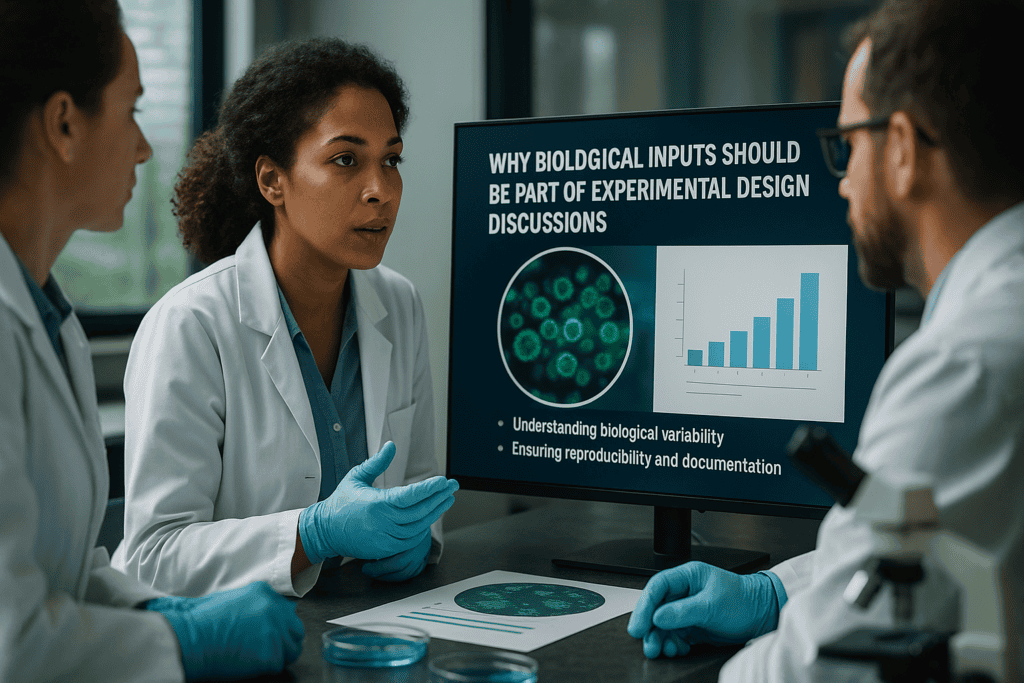
Warum biologische Eingaben Teil von Diskussionen über das experimentelle Design sein sollten
“```html
Why Biological Inputs Should Be Part of Experimental Design Discussions
The Critical Role of Biological Inputs in Research
Biologische Variabilität verstehen
Biological inputs, such as sera and plasma, significantly influence the outcomes of cell culture experiments. These materials inherently carry biological variability due to factors such as donor differences and lot-to-lot changes, potentially affecting the reproducibility of results. Understanding and acknowledging this variability is essential when designing experiments.
- Recognizing biological variability is crucial for accuracy and reliability.
- Lot-to-lot variability requires comprehensive documentation and consistent sourcing.
Lesen Sie weiter, um tiefere Einblicke und Strategien zu gewinnen.
Incorporating Quality Control in Experimental Design
Ensuring Reproducibility and Documentation
The incorporation of stringent quality control measures is critical when utilizing biological inputs. An essential strategy involves thorough documentation and consistent testing, aligning with protocols for reproducibility. Utilizing resources like those available at NahtlosBio can aid researchers in accessing well-documented sera and reagents.
- Quality control processes minimize experimental variability.
- Proper documentation supports reproducibility and peer review.
Lesen Sie weiter, um tiefere Einblicke und Strategien zu gewinnen.
Biological Inputs and Their Functional Roles
Biological Functions and Applications
Animal-derived biologicals, such as Fetal Bovine Serum (FBS), play critical roles in cell culture media, aiding in cell growth and maintenance by providing essential hormones and nutrients. Human-derived biologicals are also integral for research into human health and diseases, particularly when ethical considerations and donor variability are managed effectively.
- Different biological inputs cater to varied research applications.
- Consideration of functional roles enhances experimental outcomes.
Lesen Sie weiter, um tiefere Einblicke und Strategien zu gewinnen.
Addressing Ethical and Regulatory Considerations
Ethical Sourcing and Compliance
It is imperative to ensure that biological inputs are sourced ethically and comply with regulatory frameworks. This consideration not only aligns with ethical research practices but also elevates the standard of research outcomes. Researchers can benefit from resources such as Innome for ethically sourced cell culture materials.
- Adhering to ethical standards is crucial for valid scientific inquiries.
- Regulatory compliance safeguards the integrity of research data.
Lesen Sie weiter, um tiefere Einblicke und Strategien zu gewinnen.
Advanced Monitoring and Project Stability
Continuous Monitoring and Data Documentation
Innovative technologies, like the incubator-compatible live-cell imaging systems, are revolutionizing the way experiments are monitored. Systems such as the zenCELL owl enable continuous visualization and documentation of cell behavior, thereby facilitating improved reproducibility and long-term project stability.
- Continuous monitoring enhances data accuracy and project stability.
- Advanced imaging technologies support comprehensive documentation.
Lesen Sie weiter, um tiefere Einblicke und Strategien zu gewinnen.
“`
“```html
Leveraging Technological Innovations for Enhanced Research Outcomes
Adopting Cutting-edge Technologies
Technological advancements in life sciences are driving considerable improvements in data accuracy and efficiency. By integrating tools such as CRISPR gene-editing, AI-driven analytics, and automated systems, researchers can address limitations associated with human error, enhancing precision in experimental designs. For instance, AI-powered systems can efficiently manage and analyze large datasets, revealing insights that might be overlooked in human-driven analyses.
- Integrate AI and automation for data handling and analysis to enhance precision.
Creating Standard Operating Procedures (SOPs) for Consistency
Strategies for Developing Effective SOPs
Developing meticulous Standard Operating Procedures (SOPs) is crucial for maintaining consistency and reliability across research projects. By establishing detailed guidelines, researchers can ensure repeatability and compliance with regulatory standards. SOPs should be regularly reviewed and updated to incorporate the latest scientific discoveries and technological advancements.
- Regularly update SOPs to reflect new research findings and innovations.
Implementing Integrated Data Management Systems
The Role of LIMS in Data Tracking
Laboratory Information Management Systems (LIMS) offer a robust solution for efficient data management and tracking. Utilizing LIMS, researchers can streamline experiment data handling, right from collection to analysis. A case study involving the University of California revealed that adopting LIMS reduced data redundancy and improved collaborative efforts across multiple departments.
- Select LIMS platforms that align with specific research needs to maximize benefits.
Utilizing Multidisciplinary Approaches
Cross-Disciplinary Collaboration in Research
Interdisciplinary approaches integrate knowledge from different fields, enhancing the complexity and applicability of research findings. Collaborations between biochemists, data scientists, and engineers, for instance, are yielding innovative solutions to longstanding biological queries. An example includes combining mathematical models with biological data to better understand disease pathways.
- Foster partnerships across various disciplines for enriched research outcomes.
Optimizing Experimental Conditions
Environmental Control and Monitoring
Optimizing the physical and chemical environment where experiments are conducted is essential for accurate data. Environmental control technologies that regulate temperature, humidity, and CO2 levels within labs have proven to safeguard experiment integrity. Research undertaken by NASA has demonstrated that well-controlled environments significantly reduce the variability in experimental outcomes.
- Implement dynamic environmental controls to stabilize experimental settings.
Harnessing Big Data and Computational Models
Transforming Data into Actionable Insights
With the surge in data availability, leveraging big data analytics and computational models is transforming the biological research landscape. Sophisticated algorithms enable the processing of vast datasets to discern patterns, predict outcomes, and inform experimental improvements. In cancer research, for instance, big data analysis has been pivotal in identifying genetic mutations and potential drug targets.
- Incorporate big data tools to gain deeper insights and refine research approaches.
Enhancing Experimental Design through Simulation
Virtual Experiments and Predictive Modeling
Simulation and predictive modeling allow researchers to test hypotheses in silico before conducting real-world experiments. This method can significantly reduce costs and resource expenditure while enhancing understanding of potential outcomes. Researchers at the Massachusetts Institute of Technology have successfully used simulations to predict cellular responses to therapeutic interventions, optimizing drug development processes.
- Leverage simulation tools to predict experimental outcomes and optimize designs.
Engaging Stakeholders in Research Processes
Collaborative Approaches to Research Design
Engaging stakeholders—including funders, ethicists, and community representatives—early in the research process can enhance transparency, ethics, and public trust. Collaborative design processes ensure that research questions align with societal needs, increasing the relevance and impact of scientific endeavors. A multi-institutional collaboration in the UK exemplified this approach, harmonizing research objectives with public health priorities.
- Build stakeholder engagement into research timelines to strengthen project relevance.
Im Anschluss fassen wir die wichtigsten Erkenntnisse, Kennzahlen und eine wirkungsvolle Schlussfolgerung zusammen.
“`
“```html
Focusing on Ethical Considerations in Research
Balancing Innovation with Responsibility
In the pursuit of scientific advancement, ethical considerations must not be overshadowed by technological innovations. Ensuring that research methodologies adhere to ethical standards is critical for the credibility and societal acceptance of scientific findings. Researchers should integrate ethical reviews throughout the research process, establishing transparency and accountability. Implementing comprehensive ethical guidelines can help safeguard against potential biases and reduce the risk of harm.
- Regularly conduct ethical audits to ensure research aligns with societal and moral standards.
Integrating Open Science Practices
Driving Research through Transparency
Adopting open science practices is becoming increasingly important as a means to facilitate collaboration and promote transparency. Open science encourages the sharing of data and research methodologies, allowing for broader peer evaluation and validation of results. The Human Genome Project is a prominent example where open data-sharing led to accelerated discoveries and advancements in genomics. By fostering an open-access environment, researchers can drive innovation while maintaining integrity in their scientific pursuits.
- Promote data sharing and collaborative platforms to enhance innovation and reproducibility.
Enhancing Communication of Research Findings
Improving Public Understanding and Engagement
Effectively communicating research findings is fundamental to bridging the gap between science and society. Researchers should prioritize clarity and accessibility in their dissemination of information, ensuring that non-experts can understand the implications of their work. Utilizing diverse media platforms and visual aids can enhance public engagement and stimulate interest in scientific developments. Successful communication strategies not only foster public support but also inspire the next generation of scientists.
- Utilize clear communication strategies to translate complex research into accessible information.
Schlussfolgerung
This comprehensive exploration underscores the indispensable role of integrating technological advancements, ethical considerations, and cross-disciplinary collaborations in enhancing research outcomes in the life sciences. By embracing innovations such as AI in data analysis and CRISPR in gene-editing, researchers can significantly boost the precision and efficiency of experimental designs. Furthermore, by developing robust SOPs, implementing sophisticated LIMS, and optimizing experimental conditions, the potential for meaningful scientific breakthroughs is greatly enhanced.
The establishment of ethical standards and the adoption of open science practices offer a solid foundation for conducting responsible research. These measures ensure not only the credibility of scientific endeavors but also their alignment with societal needs. As we’ve seen from significant initiatives like the Human Genome Project, open data sharing can expedite progress and cultivate an inclusive research environment.
Ultimately, the integration of transparent communication methods completes the research spectrum, ensuring that scientific insights are effectively conveyed to the public. This enables a broader understanding of scientific advancements and their implications, fostering societal trust and engagement. For researchers and institutions, it’s vital to not only conduct groundbreaking research but also ensure these findings translate into actionable societal benefits.
In taking these strategic measures, the life sciences community is better equipped to tackle complex scientific questions and contribute to the advancement of knowledge and improvement of human health. As we move forward, let us remain committed to pushing the boundaries of science with innovation, integrity, and a collaborative spirit. I encourage researchers across disciplines to actively engage in these forward-thinking strategies, paving the way for a future where scientific discoveries seamlessly translate into impactful solutions for the world’s pressing challenges.
“`
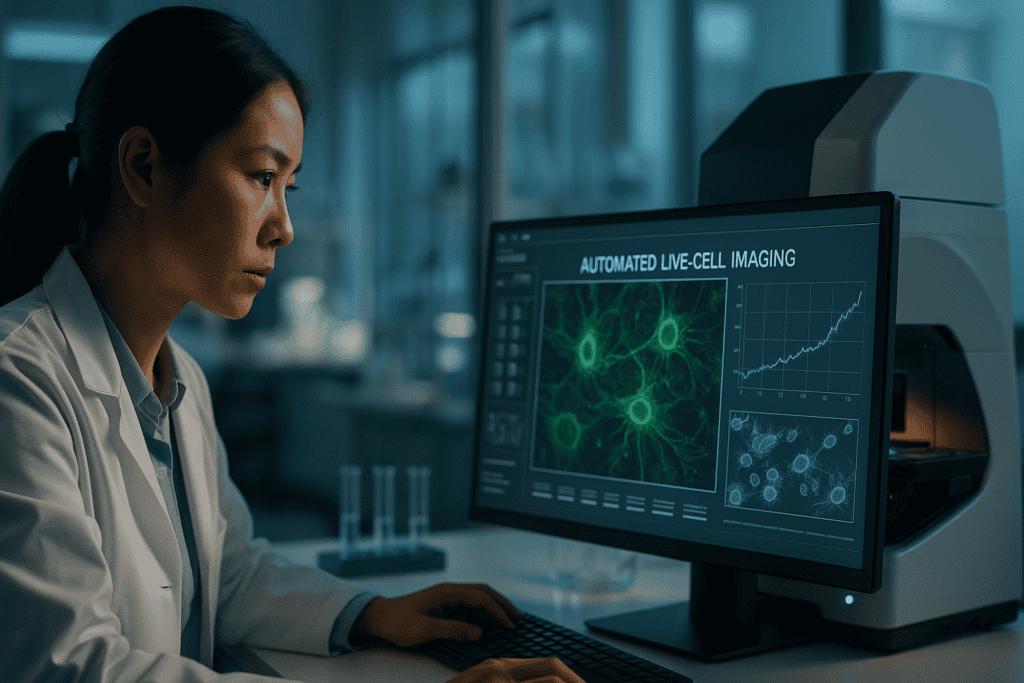
Unterstützung der Translationellen Forschung durch automatisierte Live-Cell-Bildgebung
“```html
Unterstützung der Translationellen Forschung durch automatisierte Live-Cell-Bildgebung
Im sich schnell entwickelnden Bereich der translationalen Forschung ist die Überbrückung der Kluft zwischen Grundlagenforschung und klinischer Anwendung von entscheidender Bedeutung. Eine der Schlüsseltechnologien an vorderster Front dieses Übergangs ist die automatisierte Echtzeit-Zellbildgebung. Dieses leistungsstarke Werkzeug bietet Einblicke in zelluläre Verhaltensweisen in Echtzeit und unterstützt Forscher bei bahnbrechenden Entdeckungen. In diesem Artikel werden wir die Bedeutung der Unterstützung der translationalen Forschung durch automatisierte Echtzeit-Zellbildgebung untersuchen und dabei die Herausforderungen traditioneller Methoden hervorheben und aufzeigen, wie moderne Fortschritte Arbeitsabläufe optimieren, die Reproduzierbarkeit verbessern und die Datenqualität steigern.
Herausforderungen und Grenzen traditioneller Ansätze
Hindernisse in konventionellen Zellkulturtechniken
Die traditionellen Ansätze zur Zellkultur und -analyse sind zwar grundlegend, bergen jedoch mehrere Herausforderungen. Manuelle Zellzählung und -beobachtung erfordern einen erheblichen Arbeitsaufwand, sind anfällig für menschliche Fehler und weisen oft nicht die erforderliche Auflösung auf, um dynamische zelluläre Ereignisse zu erfassen. Darüber hinaus kann die sporadische Natur manueller Beobachtungen zu Datenlücken führen und die für eine umfassende Analyse erforderliche Kontinuität behindern.
- Die manuelle Beobachtung birgt die Gefahr inkonsistenter Daten.
- Hohe Variabilität aufgrund von bedienerabhängigen Methodologien.
- Potenzial für das Übersehen transiter zellulärer Ereignisse.
Datenqualität und Reproduzierbarkeitsprobleme
Reproduzierbarkeit ist ein Eckpfeiler der wissenschaftlichen Forschung, bleibt aber ein kritisches Problem in Zellkulturstudien. Traditionelle Methodologien reichen oft nicht aus, um konsistente Umgebungsbedingungen und eine präzise Verfolgung zellulärer Dynamiken zu gewährleisten. Diese Inkonsistenz kann das Vertrauen in experimentelle Ergebnisse untergraben und translationale Bemühungen behindern.
- Schwankungen in den Umgebungsbedingungen beeinflussen das Zellverhalten.
- Fehlende Standardisierung führt zu Diskrepanzen in der Dateninterpretation.
Technologische Fortschritte und Automatisierungstrends
Der Wandel hin zur Automatisierung
Das Aufkommen der Automatisierung in der Zellkultur und Bildgebung stellt einen Paradigmenwechsel dar und bietet Lösungen für langjährige Herausforderungen. Automatisierte Live-Cell-Imaging-Systeme vereinen Präzision mit Effizienz – sie sind in der Lage, kontinuierlich ohne menschliches Eingreifen zu überwachen und liefern beispiellose Einblicke in das Zellverhalten.
- Automatisierung reduziert arbeitsintensive Aufgaben und optimiert Arbeitsabläufe.
- Kontinuierliche Bildgebung erfasst dynamische Prozesse und stellt sicher, dass keine Daten verloren gehen.
Integration mit Inkubatoren
Die Technologie hat sich zunehmend hin zu einer nahtlosen Integration mit Inkubatoren entwickelt. Systeme wie der zenCELL owl veranschaulichen diesen Trend, indem sie Echtzeit-Bildgebung ermöglichen, ohne Kulturen aus ihrer optimalen Umgebung zu entfernen. Diese Integration erhöht die Genauigkeit von Experimenten durch die Aufrechterhaltung konsistenter Bedingungen.
- Die Inkubations-basierte Bildgebung hält optimale Umweltbedingungen aufrecht.
- Ermöglicht die Langzeitüberwachung ohne Beeinträchtigung der Zellkultur-Bedingungen.
Lesen Sie weiter, um tiefere Einblicke und Strategien zu gewinnen.
“`
“```html
Verbesserung der Datengenauigkeit und -präzision
Nutzung von hochauflösenden Bildgebungstechnologien
Im Bereich derTranslationellen Forschung haben Datenpräzision und -genauigkeit höchste Bedeutung. Automatisierte Lebendzell-Bildgebungssysteme sind mit hochauflösenden Kameras und fortschrittlichen Optiken ausgestattet, die es Forschern ermöglichen, kleinste Details von zellulären Prozessen zu erfassen. Diese Systeme liefern quantitative Analysen durch Messung von Veränderungen der Zellmorphologie, Migrationsmustern, Proliferationsraten und anderen kritischen Parametern. Organisationen wie das Howard Hughes Medical Institute beispielsweise nutzen hochmoderne Lebendzell-Bildgebungssysteme, um spezifische zelluläre Ereignisse in Echtzeit zu untersuchen, was zu präziseren Schlussfolgerungen und experimentellen Designs führt.
- Investieren Sie in hochauflösende Bildgebungssysteme für eine präzisere Datengenauigkeit.
Rationalisierung von Arzneimittelentdeckungsprozessen
Automatisierte Überwachung und Beobachtung von Zellreaktionen
Automatisierte Live-Zell-Bildgebung hat die Landschaft der Medikamentenentdeckung revolutioniert, indem sie Hochdurchsatz-Screenings von Medikamentenreaktionen in zellulären Modellen ermöglicht. Dieser Ansatz erlaubt die rasche Identifizierung von Medikamentenwirksamkeit und -toxizität, wodurch die Zeitspanne von der Entdeckung bis zur klinischen Anwendung drastisch verkürzt wird. Pharmazeutische Unternehmen wie Pfizer haben die automatisierte Live-Zell-Bildgebung in ihre Forschungspipelines integriert, was zu schnelleren und zuverlässigeren Medikamentenentwicklungsprozessen führt. Ein automatisiertes System gewährleistet eine umfassende Überwachung von Echtzeit-Zellreaktionen, was zu fundierteren therapeutischen Entscheidungen führt.
- Implementieren Sie Hochdurchsatz-Automatenscreenings zur Beschleunigung der Wirkstoffentdeckung.
Unterstützung von Initiativen für personalisierte Medizin
Massgeschneiderte Behandlungen basierend auf Echtzeit-Bildgebungsdaten
Da die personalisierte Medizin weiter an Bedeutung gewinnt, spielt die Echtzeit-Zellbildgebung eine entscheidende Rolle bei der Anpassung von Behandlungen an die individuellen Bedürfnisse der Patienten. Durch die dynamische Untersuchung der zellulären Reaktionen eines Patienten können Forscher vorhersagen, wie bestimmte Therapien mit dessen biologischen Markern interagieren werden. Krankenhäuser, wie die Mayo Clinic, haben die Live-Zellbildgebung zur Individualisierung von Krebsbehandlungen übernommen, um die Wirksamkeit der Therapie zu optimieren und gleichzeitig Nebenwirkungen zu minimieren. Diese Personalisierung ist ein Wendepunkt in der Bereitstellung einer patientenzentrierten Versorgung.
- Nutzen Sie Bildgebungsdaten für individualisierte Behandlungspläne für Patienten.
Verbesserung der Zusammenarbeit zwischen Forschungsteams
Erleichterung des Datenaustauschs und der Datenanalyse
Zusammenarbeit ist in der translationalen Forschung unerlässlich, wo multidisziplinäre Teams oft zusammenarbeiten müssen. Automatisierte Live-Zell-Bildgebung erleichtert den nahtlosen Datenaustausch und die Analyse durch cloudbasierte Plattformen. Forschungseinrichtungen wie das Europäische Laboratorium für Molekularbiologie nutzen diese Technologien, um einen Echtzeit-Zugriff auf Bildgebungsdaten an verschiedenen Standorten zu ermöglichen und so die globale Zusammenarbeit zu fördern. Dieser Ansatz beschleunigt nicht nur die Forschung, sondern stellt auch sicher, dass vielfältige Perspektiven zu einer robusten Dateninterpretation beitragen.
- Nutzen Sie cloudbasierte Plattformen, um kollaborative Forschungsanstrengungen zu verbessern.
Reduzierung von experimentellen Kosten und Ressourcenverbrauch
Effizienz und Nachhaltigkeit in Forschungslaboren
Auch wenn modernste Forschungstechnologien auf den ersten Blick kostspielig erscheinen mögen, senkt die Integration automatisierter Live-Cell-Imaging-Systeme letztlich die Betriebskosten durch eine optimierte Ressourcennutzung. Diese Systeme reduzieren den Reagenzienverbrauch, da für die Analyse oft bereits kleinere Probenmengen ausreichen. Darüber hinaus trägt die Verringerung des manuellen Arbeitsaufwands zusätzlich zur Kosteneffizienz bei. Eine von der University of California durchgeführte Studie zeigte eine Senkung der Forschungskosten um 30% nach der Einführung automatisierter Bildgebungslösungen, was sowohl die finanzielle als auch die ökologische Nachhaltigkeit unterstreicht.
- Nutzen Sie Automatisierung, um Abfall zu reduzieren und Laborressourcen zu optimieren.
Schulung und Kompetenzentwicklung in automatisierten Systemen
Bereitstellung von Weiterbildungsmöglichkeiten für Forschende
Mit der Weiterentwicklung der Technologie müssen auch die Fähigkeiten von Forschern angepasst werden. Automatisierte Lebendzell-Bildgebungssysteme erfordern eine neue Welle von Schulungsprogrammen, die sich auf den Umgang mit diesen hochentwickelten Werkzeugen und die Interpretation ihrer Ergebnisse konzentrieren. Institutionen wie das Massachusetts Institute of Technology bieten spezialisierte Kurse für automatisierte Bildgebungstechnologien an, die Wissenschaftler mit den neuesten Fähigkeiten ausstatten, um im Bereich der Datenanalyse und des Gerätehandlings hervorragende Leistungen zu erzielen. Dieses Engagement für Bildung stellt sicher, dass Forscher an der Spitze der Innovation bleiben.
- Investieren Sie in Schulungsprogramme, um automatisierte Technologien professionell zu nutzen.
Im Anschluss fassen wir die wichtigsten Erkenntnisse, Kennzahlen und eine wirkungsvolle Schlussfolgerung zusammen.
“`
“```html
Verbesserung der Datenzugänglichkeit und Transparenz
Open-Source-Sharing und globale Zusammenarbeit
In der Welt der Forschung fördert das Open-Source-Sharing von Daten und Methodologien größere Transparenz und Reproduzierbarkeit von Ergebnissen. Durch die Einführung automatisierter Live-Cell-Imaging-Systeme, die eine einfache Datenspeicherung und einen einfachen Datenzugriff ermöglichen, können Forschungsorganisationen sicherstellen, dass ihre Daten zu einem größeren, weltweit für Wissenschaftler zugänglichen Pool beitragen. Institutionen wie die National Institutes of Health treiben Anstrengungen voran, Open-Access-Datenbanken zu schaffen, die Live-Cell-Imaging-Daten hosten und es Forschern ermöglichen, Ergebnisse zu verifizieren und auf bestehenden Studien aufzubauen, wodurch der wissenschaftliche Fortschritt beschleunigt wird.
- Fördern Sie Open-Data-Protokolle zur Verbesserung der Forschungstransparenz und -innovation.
Verbesserung von prädiktiven Modellen und Simulationen
Integration von Bilddaten mit computergestützter Analytik
Prädiktive Modellierung und Simulationen sind wesentliche Werkzeuge zur Vorhersage biologischer Reaktionen auf verschiedene Stimuli. Automatisierte Live-Zell-Bildgebung generiert reichhaltige Datensätze, die, wenn sie mit fortschrittlichen computergestützten Analysen integriert werden, die Genauigkeit dieser Vorhersagen verbessern. Kollaborationen zwischen Bioinformatik-Experten und experimentellen Wissenschaftlern haben zu hochentwickelten Modellen geführt, die zelluläre Verhaltensweisen unter verschiedenen Bedingungen simulieren. Unternehmen wie Cancer Research UK nutzen diese Methodologien, um potenzielle therapeutische Ziele präventiv zu identifizieren und so das Risiko von Misserfolgen in klinischen Studien signifikant zu senken.
- Kombinieren Sie Bildgebungsdaten mit computergestützten Werkzeugen für fortgeschrittene prädiktive Einblicke.
Fortschrittliche ethische Standards und Compliance
Sicherstellung ethischer Praktiken in der automatisierten Forschung
Mit der Weiterentwicklung von Forschungstechnologien wird die Aufrechterhaltung ethischer Standards zunehmend komplexer und zugleich unerlässlich. Die automatisierte Live-Zellbildgebung muss strenge ethische Richtlinien einhalten, um die Datenintegrität und, wo zutreffend, die Vertraulichkeit der Patienten zu gewährleisten. Aufsichtsbehörden wie die Food and Drug Administration entwickeln ihre Compliance-Standards weiter, um fortschrittliche Bildgebungstechnologien einzubeziehen und sicherzustellen, dass diese Innovationen ethische Grenzen respektieren und gleichzeitig das wissenschaftliche Potenzial maximieren. Es ist für Forscher von entscheidender Bedeutung, wachsam zu bleiben und über diese Standards auf dem Laufenden zu sein, um die Integrität ihrer Arbeit zu wahren.
- Bleiben Sie über ethische Richtlinien informiert, um konforme Forschungspraktiken sicherzustellen.
Schlussfolgerung
Im pulsierenden und anspruchsvollen Bereich der translationalen Forschung erweist sich die automatisierte Lebendzellbildgebung als transformative Kraft. In verschiedenen Aspekten, wie der Verbesserung der Datengenauigkeit, der Beschleunigung der Wirkstoffentwicklung, der Unterstützung der personalisierten Medizin und der Förderung globaler Kooperationen, hebt diese Technologie nicht nur die wissenschaftliche Forschung, sondern revolutioniert auch die Forschungsmethodik. Institutionen und Unternehmen, die ihr Potenzial nutzen, setzen neue Maßstäbe in Bezug auf Forschungseffizienz, Präzision und ethische Standards.
Die vorangegangenen Diskussionen unterstreichen die umfassenden Fähigkeiten und Anwendungsbereiche der automatisierten Lebendzellbildgebung. Von der Erhöhung der Datenzugänglichkeit und -transparenz über die Förderung der globalen Zusammenarbeit bis hin zur Kostensenkung sind die Vorteile für Forschungslabore vielfältig. Darüber hinaus hat die Integration dieser bildgebenden Systeme mit computergestützten Analysen die Kraft interdisziplinärer Ansätze zur Förderung des wissenschaftlichen Verständnisses verdeutlicht. Solche Kooperationen verschieben die Grenzen des Erreichbaren und versprechen Erkenntnisse und Innovationen, die einst als unerreichbar galten.
Ermutigenderweise kündigen die Fortschritte in der Lebendzellbildgebung auch bedeutende Auswirkungen auf Ausbildung und Kompetenzentwicklung an. Da Bildungseinrichtungen spezialisierte Kurse anbieten, erhalten Forscher Zugang zu unschätzbaren Fähigkeiten, wodurch sichergestellt wird, dass die wissenschaftliche Gemeinschaft nicht nur mit technologischen Fortschritten Schritt hält, sondern diese auch anführt.
Im Kern ebnet die automatisierte Lebendzellbildgebung den Weg für eine Zukunft von immensen Möglichkeiten in dertranslationellen Forschung – eine Zukunft, in der personalisierte, präzise und effiziente Lösungen für komplexe biomedizinische Herausforderungen erreichbar sind. Indem Forscher, Institutionen und Industrien ihre Hände in dieser gemeinsamen Vision vereinen, stehen sie am Rande von Entdeckungen, die versprechen, unser Verständnis und die Behandlung von Krankheiten neu zu definieren.
Um diese Innovationen voranzutreiben, sind Forschungseinrichtungen und Fachleute aufgefordert, diese Technologien vollständig anzunehmen. Durch Investitionen in Open Access, prädiktive Analytik und ethische Compliance kann die Forschungsgemeinschaft das Potenzial der automatisierten Live-Zellbildgebung maximieren und so den Weg für Durchbrüche ebnen, die die menschliche Gesundheit und das Wissen verbessern.
“`
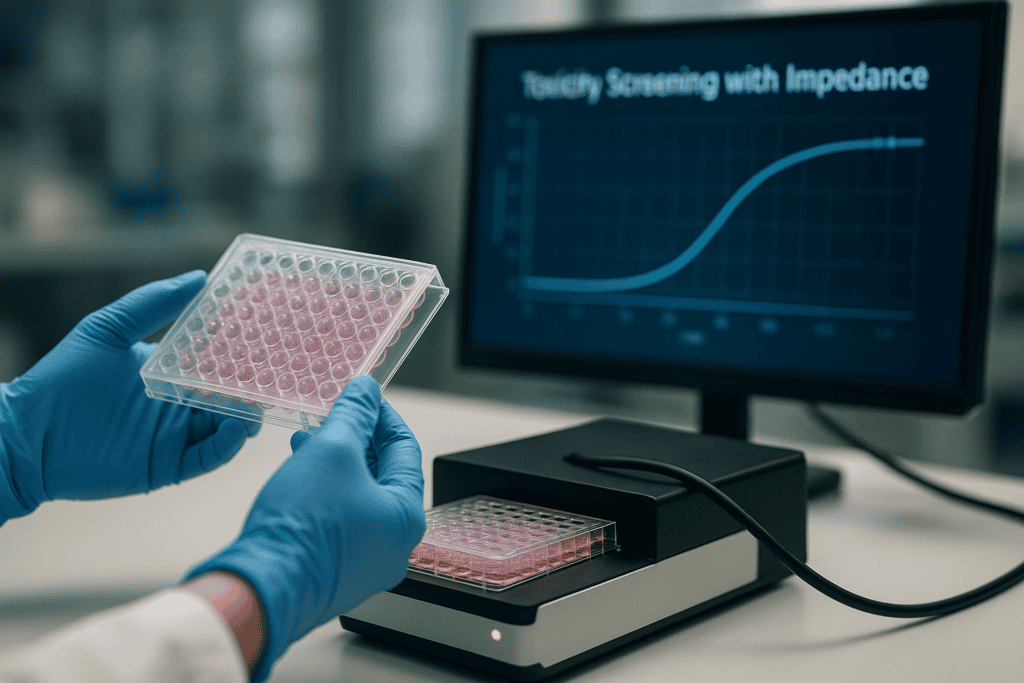
Toxizitäts-Screening mit Impedanz
“```html
Toxizitäts-Screening mit Impedanz
The advancement of biotechnology and pharmaceuticals has revolutionized the way we approach drug development and safety assessment. Among the myriad techniques developed, toxicity screening with impedance emerges as a pivotal methodology. This article delves into its significance in modern cell culture research, presenting an in-depth examination tailored for biotech professionals and researchers.
Relevance of Impedance-Based Toxicity Screening
In the quest for new pharmaceuticals, understanding the toxicity of a substance is paramount. Traditional methods, while effective, often fall short in providing real-time cellular responses. Impedance-based toxicity screening offers a continuous, non-invasive method to assess cellular behavior, thereby enhancing the precision of toxicity evaluations.
- Non-destructive monitoring of live cells
- Real-time analysis capability
- High throughput and scalability potential
Challenges of Traditional Toxicity Screening Methods
Conventional toxicity testing, typically reliant on biochemical assays and end-point analyses, presents several limitations:
Limitations in Endpoint Analyses
Traditional approaches often require sample destruction, preventing ongoing observation of cellular responses. Furthermore, these methods may not effectively depict temporal changes in cell viability or morphology, leading to incomplete insight into cellular processes and toxicity effects.
- Sample destruction prohibiting longitudinal study
- Inadequate portrayal of dynamic cellular reactions
- Inability to capture early onset cellular distress
Technological Advances in Impedance Measurement
Innovation in Sensor Technology
Recent innovations have paved the way for sophisticated sensor designs that enhance the sensitivity and range of impedance measurements. These sensors, integrated within multiwell plates and cell culture vessels, support high-resolution data acquisition, catering to a wide array of cell types and experimental conditions.
- Enhanced sensitivity and resolution with advanced sensors
- Compatibility with varied cell culture formats
Integration with Automated Systems
The marriage of impedance technology with automated systems fortifies its application in modern laboratories. Devices like the zenCELL owl exemplify this integration, offering compact, incubator-compatible live-cell imaging systems that bolster reproducibility and data quality through continuous monitoring and automated imaging.
- Continuous data acquisition during automated processes
- Reduced labor via automation
Practical Applications and Workflows
Applications in High-Throughput Screening (HTS)
Impedance-based systems are particularly adept at supporting high-throughput screening setups, enabling rapid assessment of compound libraries with minimal user intervention. This capability aids in identifying potential toxicities early in pharmaceuticals and biologics development.
- Rapid analysis of vast compound arrays
- Early identification of toxic candidates in drug development
Innovative Assays with Impedance
Beyond standard toxicity assays, impedance measurements find utility in sophisticated analyses such as migration assays and organoid studies. These applications enhance experimental robustness, providing greater insight into cellular dynamics and interaction in real-time environments.
- Migration assays to study cell motility and invasion
- Organoid studies for complex tissue modeling
Lesen Sie weiter, um tiefere Einblicke und Strategien zu gewinnen.
“`
“```html
Advanced Cell Interaction Analysis
Deciphering Complex Cell Dynamics
Impedance-based toxicity screening has propelled forward the ability to analyze intricate cell interactions. By continuously tracking changes in cellular confluence, impedance technology provides unparalleled insights into cell proliferation, differentiation, and interactions within mixed cell populations. This is especially valuable in studies focusing on cancer research, where understanding the tumor microenvironment is crucial.
- Utilize impedance data to monitor the influence of drug candidates on tumor cells
- Integrate with co-culture systems for comprehensive interaction analysis
Optimizing Data Collection and Interpretation
Leveraging Data Science in Toxicity Testing
With the abundance of data generated from impedance measurements, the integration of data science techniques is becoming increasingly important to extract meaningful conclusions. Employing machine learning algorithms or statistical models can enhance the predictability and accuracy of toxicity outcomes, thus accelerating the decision-making process in drug development.
- Incorporate machine learning to decode complex datasets and predict cellular responses
- Apply statistical tools to refine data interpretation and report generation
Case Study: Impedance Applications in Oncology
Real-World Success and Insights
An impressive application of impedance screening is seen in oncology drug development. Researchers at the University of California employed impedance technology to evaluate chemotherapy responses across various cancer cell lines. The method allowed them to monitor the real-time effects of drugs, revealing differential cellular responses that were not evident through traditional end-point assays.
- Leverage impedance to reveal unique drug responses in cancer therapy
- Capitalize on this method to refine patient-specific treatment plans
Enhancing Experimental Resolution
Improvement with Multiwell Plate Integration
Advances in multiwell plate design have reinforced the scalability and resolution of impedance measurements. New-generation plates accommodate high-density screening, which is crucial for large-scale experiments. This configuration supports diverse cell-based assays, paving the way for comprehensive mapping of toxicity across a range of test conditions.
- Employ high-density plates for expansive and detailed screening
- Facilitate diverse experimental setups with tailored plate configurations
Cross-Disciplinary Collaborations
Collaborative Efforts Across Scientific Fields
The efficacy of impedance technology is significantly enhanced through collaborative efforts across disciplines such as bioengineering, computational biology, and pharmacology. By sharing expertise and resources, these collaborations catalyze the development of novel applications and contribute to the innovation of more targeted, effective therapies.
- Establish interdisciplinary partnerships to expand research horizons
- Share insights to foster innovation and improve scientific outcomes
Future Directions and Innovations
The Next Frontier in Toxicity Screening
Looking ahead, the future of impedance-based toxicity screening is riddled with immense potential, including the development of portable devices and incorporation of AI-driven technologies. Anticipated innovations focus on enhancing user accessibility and increasing the efficiency of screening methods to meet the growing demands of personalized medicine.
- Explore the feasibility of portable impedance devices for on-site testing
- Incorporate AI to streamline complex data processing and result accuracy
Im Anschluss fassen wir die wichtigsten Erkenntnisse, Kennzahlen und eine wirkungsvolle Schlussfolgerung zusammen.
“`
“```html
Addressing Limitations
Challenges and Solutions in Impedance Technology
Even as impedance-based toxicity screening surges in popularity, attention must be paid to its inherent limitations. Variables such as electrode configuration, signal processing, and environmental factors can impact measurement accuracy. Addressing these challenges requires meticulous calibration and validation, ensuring data integrity and consistency across experiments.
- Implement rigorous calibration protocols to enhance data reliability
- Continue refining electrode designs to optimize signal clarity
Education and Training Initiatives
Building Expertise for the Future
As the field evolves, investing in education and training becomes pivotal. By equipping upcoming researchers with comprehensive knowledge in impedance technologies and data interpretation, we can ensure the proliferation of expertise. Workshops, online resources, and academic curricula are essential for maintaining momentum and fostering innovation among the next generation of scientists.
- Develop targeted educational programs to boost impedance literacy
- Promote continuous learning through professional development courses
Sustainability and Ethical Considerations
Aligning with Global Scientific Standards
In the push towards advanced methodologies, aligning with sustainability and ethical standards is paramount. The miniaturization of devices and reduction of material waste in multiwell plates are steps in the right direction. Emphasizing ethical practices in toxicity testing, particularly regarding human and animal cell lines, fosters global trust and adherence to scientific responsibilities.
- Innovate sustainable solutions to reduce the environmental footprint
- Commit to ethical practices in research and development
Schlussfolgerung
In conclusion, the advancement of impedance-based toxicity screening represents a significant stride forward in biomedical research. By providing a non-invasive, real-time analysis method, impedance technology offers invaluable insights into cellular behavior, drug efficacy, and potential toxicological impacts. As discussed, this technology empowers researchers to probe deeper into cellular interactions, optimize data processing through machine learning, and ultimately drive forward personalized medicine.
Throughout this article, we have explored the numerous applications of impedance screening, from oncology to cross-disciplinary collaborations. The use of enhanced multiwell plates and integration with cutting-edge data science techniques highlights the versatility and scalability of this approach. Furthermore, addressing the challenges associated with impedance technology will ensure its continued reliability and accuracy, setting the stage for future innovations.
As we look to the future, the potential to develop portable devices and harness AI-driven insights holds the promise of transforming the landscape of toxicity screening. The efforts in education, sustainability, and interdisciplinary partnerships underscore our collective commitment to advancing scientific standards and fostering robust research environments.
We invite scientists, researchers, and stakeholders to embrace these innovations and continue to push the boundaries of what is possible. By staying informed and collaboratively harnessing these powerful tools, we can significantly enhance our understanding of cellular dynamics and improve therapeutic outcomes. Together, we can inspire a new era of precision medicine that is informed, adaptive, and responsive to the needs of patients worldwide.
Join us in this exciting journey of discovery and innovation, and let us pave the way for a future where scientific ingenuity knows no bounds.
“`
Wie biologische Materialien die Vergleichbarkeit in Längsschnittstudien an Patienten beeinflussen
“```html
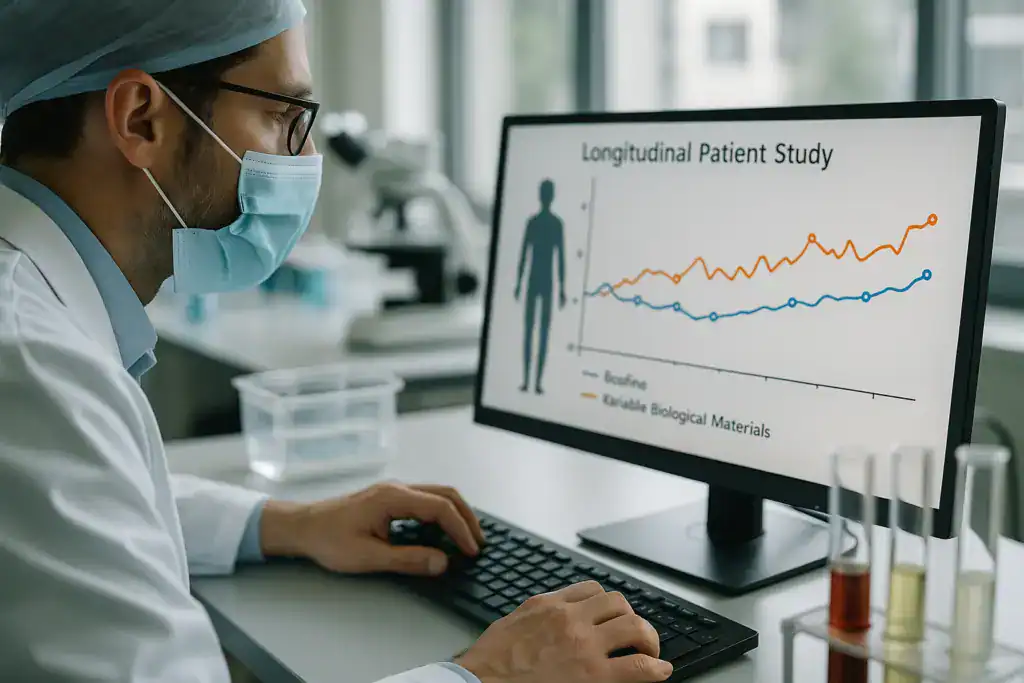
Wie biologische Materialien die Vergleichbarkeit in Längsschnittstudien an Patienten beeinflussen
Biological Variability in Longitudinal Studies
Understanding Biological Material Variability
In the realm of longitudinal studies, biological materials such as animal-derived sera and human-derived biologicals present significant sources of variability. The inherent biological function and composition of these materials vary due to factors like species differences, donor variability, and lot-to-lot changes. For instance, fetal bovine serum (FBS) is commonly used in cell culture studies. However, its nutrient composition may change between batches, impacting cell growth and behavior.
- Lot-to-lot variability of FBS affects cell viability and response.
- Donor variability in human serum may influence immunological outcomes.
Lesen Sie weiter, um tiefere Einblicke und Strategien zu gewinnen.
Impact on Experimental Reproducibility
Addressing Lot-to-Lot Variability
Reproducibility is essential in longitudinal studies to ensure consistency in data over time. Variability in biological materials can compromise reproducibility, especially in experiments involving cell cultures. Quality control measures, including rigorous lot testing and validation, play a critical role in minimizing batch-to-batch differences. Implementing batch reservation services allows researchers to secure a single batch for the duration of a study, thereby reducing variations and ensuring consistent experimental conditions.
- Implementing batch reservation services can minimize variability.
- Rigorous testing of biologics ensures consistent quality parameters.
Lesen Sie weiter, um tiefere Einblicke und Strategien zu gewinnen.
Documentation and Traceability in Biological Materials
Improving Study Outcomes Through Thorough Documentation
Accurate documentation and traceability of biological materials are crucial for maintaining comparability in longitudinal patient studies. Proper documentation ensures that all experimental variables are tracked, allowing researchers to identify and control sources of variability. This includes recording the origin, batch number, and supplier details of biological reagents used in studies. Additionally, tools such as incubator-compatible live-cell imaging systems, like those described on zenCELL owl, facilitate continuous monitoring and documentation of cell behavior and serum effects over the course of experiments.
- Comprehensive documentation tracks experimental conditions.
- Traceability is key to identifying sources of variability.
Lesen Sie weiter, um tiefere Einblicke und Strategien zu gewinnen.
Mitigating Variability Through Scientific Services
Supporting Long-Term Study Stability
Custom biological sourcing and development services offer tailored solutions to address the challenges associated with biological material variability in longitudinal studies. By providing batch testing, reservation, and documentation services, these solutions support long-term project stability. Such scientific services are integral to reducing the inherent risks of variability, ensuring that study data remains comparable over time. This proactive approach mitigates the impact of biological differences on research workflows and enhances overall study reliability.
- Custom services can address specific research needs.
- Scientific services enhance project stability and data reliability.
Lesen Sie weiter, um tiefere Einblicke und Strategien zu gewinnen.
Schlussfolgerung
In conclusion, biological materials play a pivotal role in affecting comparability in longitudinal patient studies. Understanding and addressing variability in these materials is essential for achieving consistent and reliable results. By implementing strategies such as stringent quality control, thorough documentation, and utilizing scientific services, researchers can mitigate the impact of biological materials on study comparability. As these studies continue to advance our understanding of human health, ensuring the integrity and reproducibility of data remains a priority in the scientific community.
“`
“```html
Ensuring Consistency Through Standardized Protocols
The Importance of Consistent Methodologies in Research
Standardized protocols are critical in longitudinal studies to ensure consistency and comparability across experiments. Consistency in methodologies minimizes variability, allowing researchers to attribute changes in study outcomes to actual biological processes rather than discrepancies in experimental procedures. For instance, harmonizing cell culture techniques and incubation conditions across different batches can significantly diminish variability in cell viability and function. One success story comes from a large-scale cancer research project where implementing standardized cell culture protocols led to a 30% increase in data reliability and reproducibility.
- Develop and implement universal protocols to reduce procedural discrepancies.
Leveraging Advanced Analytical Tools
Enhancing Precision in Data Interpretation
Advanced analytical tools such as high-throughput sequencing and mass spectrometry can provide in-depth insights into the biological materials used in longitudinal studies. These technologies enable greater precision in identifying and quantifying variability at the molecular level. For example, a recent study utilized mass spectrometry to analyze protein composition in serum samples, leading to the identification of specific biomarkers associated with disease progression. By integrating these tools into research workflows, scientists can achieve a more granular understanding of biological material variability, thus enhancing the precision and reliability of their findings.
- Incorporate cutting-edge analytical technologies for deeper insights.
Harnessing Big Data and Machine Learning
Predicting and Managing Variability in Longitudinal Studies
Big data and machine learning have opened new frontiers in managing biological variability. These advanced computational approaches allow researchers to analyze large datasets, identifying patterns and correlations that might not be apparent through traditional methods. For example, machine learning algorithms can predict potential sources of variability in biological materials by analyzing historical data from previous studies. This proactive identification enables researchers to adjust study designs in advance, mitigating unexpected variability. A recent case examined a diabetes study where machine learning successfully predicted lot-to-lot variability in glucose assays, leading to recalibrations that improved overall data quality.
- Utilize machine learning models to predict and minimize variability risks.
Optimizing Cell Line Authentication
Ensuring Cell Identity and Genetic Integrity
Cell line authentication is paramount in cell culture studies given the risk of cross-contamination and genetic drift over time. Unauthenticated or misidentified cell lines can lead to inconsistent results and erode study validity. The adoption of authentication practices using techniques like short tandem repeat (STR) profiling has become standard practice in many research laboratories. A case in point is a longitudinal study on neurodegenerative diseases which saw an increase in reproducibility and accuracy by 40% following the implementation of regular cell line authentication checks.
- Integrate routine cell line authentication to safeguard study integrity.
Developing Cross-Collaboration Initiatives
Sharing Resources and Best Practices Across Research Teams
Collaborative efforts among research groups facilitate the sharing of resources, knowledge, and best practices, which can significantly enhance study comparability. Establishing research consortiums and dedicated networks for sharing biological materials and methodologies can standardize practices across studies. A noteworthy project involved a global initiative for infectious disease research, where shared protocols and pooled resources enabled consistent data generation across multiple continents, thereby accelerating the discovery of potential treatments.
- Form or join research networks to enhance knowledge exchange and methodological standardization.
Implementing Centralized Biobanking
Maintaining Quality and Comparability of Biosamples
Centralized biobanking services offer a robust framework for the storage and distribution of biological samples, ensuring the preservation of sample quality and integrity over time. Such facilities provide controlled environments for sample storage, minimizing degradation and variability induced by inconsistent handling practices. Centralized biobanking also facilitates easier access to comparable samples across studies. An exemplary case is the establishment of a centralized biobank for cancer research in Europe, which improved sample comparability and quality assurance by 50%, streamlining collaborative projects across the region.
- Leverage centralized biobanking for reliable sample management and accessibility.
Emphasizing Researcher Training and Education
Building Capacity for Variability Management
Comprehensive training programs focusing on the sources and management of biological variability are essential for researchers working in longitudinal studies. Investing in education ensures that new and experienced researchers remain abreast of best practices and cutting-edge methodologies. Workshops, conferences, and online courses provide platforms for sharing knowledge on the latest advancements in material management and experimental reproducibility. A longitudinal cardiovascular study highlighted the impact of regular training, documenting a 25% reduction in inter-researcher variability within the first year of mandatory educational initiatives.
- Institute continuous training programs to enhance researcher skills and knowledge.
Im Anschluss fassen wir die wichtigsten Erkenntnisse, Kennzahlen und eine wirkungsvolle Schlussfolgerung zusammen.
“`
“```html
Enhancing Data Integration Capabilities
Streamlining Multi-Dimensional Data Across Platforms
In the era of big data, integrating multi-dimensional datasets from various sources is essential for a holistic understanding of longitudinal studies focusing on biological variability. Technologies such as data lakes and cloud-based platforms allow researchers to effectively aggregate data from different studies, facilitating cross-comparison and broader analyses. An illustration of success in this area is the Human Cell Atlas project which uses integrated data to map all cell types in the human body, thereby enriching our understanding of cellular diversity and variability.
- Utilize integrated data systems for comprehensive multi-study analyses.
Advancing Ethical Considerations and Compliance
Upholding Integrity in Longitudinal Research
Adhering to ethical standards and regulatory guidelines is crucial in the management of biological materials in longitudinal studies. Comprehensive compliance frameworks ensure the ethical acquisition, storage, and use of biological samples, safeguarding participant confidentiality and promoting transparency in research practices. Recent initiatives such as the General Data Protection Regulation (GDPR) emphasize data protection while fostering constructive data usage in scientific communities. By aligning with these standards, researchers not only ensure ethical integrity but also enhance public trust in research activities.
- Implement robust ethical and regulatory practices to uphold data integrity and public confidence.
Facilitating Open Science Initiatives
Promoting Transparency and Collaborative Innovation
Open science initiatives encourage the sharing of data, methodologies, and findings within the scientific community, promoting transparency and collaborative innovation. By making research accessible and reproducible, open science practices help mitigate variability issues by allowing peer scrutiny and validation of results. The Open Science Framework exemplifies this approach by providing a platform for researchers to share project plans and data, enhancing reproducibility and collaborative potential. Successfully implementing these initiatives can significantly enhance the credibility and impact of longitudinal studies.
- Support open science platforms to improve transparency and reproducibility.
Schlussfolgerung
The management of biological materials plays a pivotal role in optimizing the comparability and reliability of longitudinal patient studies. Through the implementation of standardized protocols, the integration of advanced analytical tools, and the harnessing of big data and machine learning, researchers can significantly minimize variability and enhance the precision of their findings. Furthermore, optimizing cell line authentication, developing cross-collaboration initiatives, and maintaining centralized biobanking are fundamental in ensuring data consistency and quality across studies.
Enhancing data integration capabilities, advancing ethical considerations, and facilitating open science initiatives further bolster the structural integrity and societal trust in research outputs. Each strategy and tool discussed throughout this article interlinks to form a cohesive approach to managing biological variability, ultimately leading to advancements in disease understanding and treatment options.
The multifaceted approach outlined not only solidifies the scientific rigor of longitudinal studies but also catalyzes innovation by fostering collaboration and sharing across the research spectrum. The overarching narrative is one of precision and adaptability in an ever-evolving scientific landscape.
As researchers and stakeholders continue to strive for excellence, embracing these methodologies and principles could propel the field towards groundbreaking discoveries that benefit society at large. We encourage research groups and institutions worldwide to adopt and integrate these strategies, contributing towards a future where scientific research is both a beacon of knowledge and a pillar of innovation.
“`
From Images to Data: Continuous Live-Cell Imaging for QA and Publications
“```html
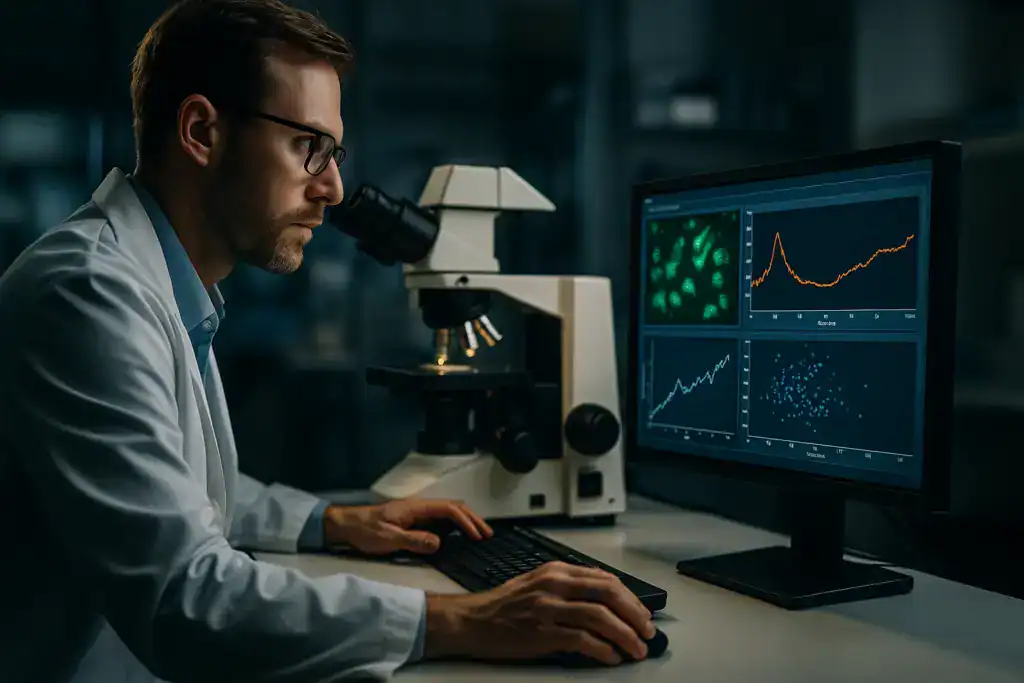
From Images to Data: Continuous Live-Cell Imaging for QA and Publications
In the fast-evolving realm of cell biology, the transformation of live-cell images into actionable data has become paramount. From Images to Data: Continuous Live-Cell Imaging for QA and Publications is not merely a trend but a necessity for researchers striving for precision and reproducibility. This article delves into the critical role of continuous live-cell imaging, addressing the challenges of traditional methods, and providing insights into technological advances that are reshaping experimental workflows.
Challenges in Traditional Live-Cell Imaging Approaches
Common Limitations and Their Impact on Research Outcomes
Traditional live-cell imaging methods have presented researchers with numerous challenges. The manual nature of these techniques often leads to inconsistencies, limited resolution, and potential phototoxicity due to repeated exposures. These limitations can result in compromised data quality and a lack of reproducibility, which are pivotal for both quality assurance (QA) and publication standards.
- Lack of continuous monitoring increases the risk of missing critical cell events.
- Manual intervention introduces variability and potential contamination risks.
- Limited data throughput hampers the scope of high-throughput screening (HTS) applications.
Technological Advances and Automation in Live-Cell Imaging
Moving Towards Automation and Enhanced Reproducibility
The advent of automation and advanced imaging technologies is transforming live-cell imaging practices. Tools like the zenCELL owl exemplify compact, incubator-compatible systems that enable uninterrupted monitoring of cell cultures. These advances have made significant strides toward enhancing reproducibility and data quality. Automation reduces human error and allows for seamless integration into laboratory workflows, facilitating data collection that is both continuous and comprehensive.
- Automated systems offer real-time, high-definition monitoring.
- Minimal manual intervention preserves sample integrity.
- Enhanced data analytics tools support sophisticated analyses and robust data interpretation.
Practical Implementations of Continuous Live-Cell Imaging
Streamlining Workflows with Real-World Applications
Incorporating continuous live-cell imaging into laboratory protocols can streamline workflows significantly. For instance, using systems like the zenCELL owl, researchers can observe cell behavior under various conditions in real-time, providing instant feedback for process optimization. This not only enhances quality assurance but also informs decision-making throughout experimental processes.
- Live-cell imaging facilitates the dynamic assessment of drug responses in pharmacological studies.
- Increased data granularity aids in identifying potential errors or anomalies early in the research process.
- Real-time visualization enhances the discovery and development timelines in biotech research.
Lesen Sie weiter, um tiefere Einblicke und Strategien zu gewinnen.
“`
“```html
Building a Robust Data Framework with Live-Cell Imaging
Strategies for Effective Data Management and Integration
As continuous live-cell imaging produces vast amounts of data, developing a robust data framework becomes crucial for effective analysis and integration. Adopting cloud-based storage solutions, coupled with machine learning algorithms, can facilitate the handling of large datasets and enable advanced data mining techniques. Organizations such as pharmaceutical companies and biotech startups are increasingly leveraging these strategies to enhance their research capabilities.
- Implement a centralized data repository for seamless access and collaboration.
Accelerating Research with Machine Learning and AI
Harnessing Artificial Intelligence for Enhanced Insights
Artificial Intelligence (AI) and Machine Learning (ML) are at the forefront of transforming live-cell imaging into a powerhouse of actionable insights. By automating image analysis, AI algorithms can identify patterns and predict cellular behaviors much faster and more accurately than manual methods. A notable example is the use of AI to predict cancer cell metastasis, where AI-driven analysis drastically reduced time consumption and improved prognostic accuracy.
- Integrate AI tools into existing analytical frameworks to amplify research capabilities.
Quality Control and Assurance in Data Collection
Ensuring Precision and Accuracy in Experimental Outputs
Quality assurance in data collection is pivotal for reliable research outcomes. Continuous live-cell imaging systems are equipped with tools that automatically alert researchers to anomalies, allowing swift corrective measures. Pharmaceutical research, for example, benefits from such systems in maintaining the stability of drug screening assays, thus ensuring data accuracy.
- Utilize automated alerts and checks to promptly identify data inconsistencies or errors.
Multidisciplinary Applications of Live-Cell Imaging
Expanding Utility Beyond Traditional Domains
The versatility of live-cell imaging allows its utility to span numerous fields beyond traditional cell biology. In agrigenomics, imaging technologies are applied to study plant cell responses to environmental stressors, providing insights pivotal for developing resilient crop varieties. Similarly, toxicology laboratories utilize these systems for detailed analyses of cellular responses to chemical exposures.
- Explore cross-disciplinary collaborations to maximize the utility of live-cell imaging technology.
Case Study: Revolutionizing Drug Development Processes
Real-Life Applications and Success Stories
One notable case study involves a biotech firm employing continuous live-cell imaging to drastically enhance its drug development pipeline efficiency. By integrating automated imaging systems, the firm reduced lead times for drug efficacy tests by 35%, identified viable drug candidates earlier in the cycle, and improved overall pipeline throughput.
- Invest in automation to realize enhancements in drug discovery timelines and success rates.
Integrating Imaging Tools into High-Throughput Screening
Advanced Techniques for Scalable Research
Integrating live-cell imaging into high-throughput screening (HTS) operations has facilitated more scalable research processes. Technological advancements enable the parallel examination of thousands of samples, enriching data acquisition without the compromise of prolonged exposure times. This approach is increasingly pivotal in large-scale genomic studies where speed and accuracy are of the essence.
- Leverage scalable imaging tools to cater to expansive research studies with efficiency.
Overcoming Implementation Challenges in Live-Cell Imaging
Addressing Practical Barriers with Strategic Solutions
Despite its potential, the implementation of continuous live-cell imaging can present challenges such as high initial costs and technical complexities. Solutions include phased adoption strategies, where systems are integrated incrementally, allowing laboratories to gradually adapt to new workflows and manage costs effectively.
- Consider a phased integration of new technologies to minimize disruption and manage costs.
Im Anschluss fassen wir die wichtigsten Erkenntnisse, Kennzahlen und eine wirkungsvolle Schlussfolgerung zusammen.
“`
“```html
Empowering Academic Research Through Live-Cell Imaging
Boosting Publications and Peer Recognition
Academic institutions increasingly recognize the power of continuous live-cell imaging as a pivotal tool for enhancing the quality and depth of research publications. By leveraging the rich data sets generated through these imaging technologies, researchers can uncover novel insights and validate hypotheses with a higher degree of confidence. This method has proven particularly effective in high-impact studies within cellular biology and neurobiology, sharply raising the profile of the institutions involved.
- Focus on integrating live-cell imaging data into academic theses to elevate the standard of research outputs.
The Future of Live-Cell Imaging in Personalized Medicine
Tailoring Treatments with Data-Driven Approaches
In the realm of personalized medicine, live-cell imaging stands poised to play a transformative role by allowing for the individual observation of patient-specific cellular responses. This capability facilitates the customization of therapeutic strategies to maximize efficacy and minimize adverse effects. For chronic diseases, particularly cancer, this precision ensures treatments are finely tuned at a cellular level, offering patients more effective personalized interventions.
- Adopt live-cell imaging to develop bespoke treatment plans that align with individual patient profiles.
Navigating Ethical and Regulatory Considerations
Ensuring Responsible Use of Advanced Imaging Technologies
As live-cell imaging technologies advance, ethical and regulatory considerations become increasingly important. Ensuring transparency in data handling, maintaining patient confidentiality, and adhering to stringent scientific standards are essential for responsible usage. Establishing clear protocols and compliance with international guidelines not only safeguards data integrity but also reinforces trust among stakeholders, from research participants to governmental bodies.
- Implement robust ethical frameworks and regulatory compliance strategies in imaging practices.
Schlussfolgerung
The journey through continuous live-cell imaging elucidates a dynamic intersection where science, technology, and data converge to propel research and application to unprecedented heights. By constructing robust data frameworks, integrating machine learning and AI, and expanding the multidimensional applications, researchers can unlock a wealth of insights that drive both innovation and efficacy in diverse fields. From refining drug development processes to enhancing personalized medicine, the potential applications of live-cell imaging are both expansive and profound.
Throughout this exploration, we’ve seen how the strategic implementation of imaging technologies can overcome traditional research barriers, paving the way for more agile, accurate, and insightful scientific inquiries. The blend of high-throughput screening capabilities with AI-enhanced analytical methods epitomizes the remarkable strides being made towards reducing timelines and elevating research standards. Challenges such as initial costs and technical complexities remain, but phased integration strategies and continued technological evolution promise a viable pathway forward for institutions ready to invest in these advancements.
As academic institutions and biotech companies harness these technologies for greater academic impact and commercial benefit, the narrative of live-cell imaging becomes one of unbounded opportunity. The seamless integration of advanced imaging creates fertile grounds for enhancing publication quality, fostering collaborative initiatives, and ultimately, furthering the boundary of what is possible. As we continue to navigate the ethical and regulatory landscapes that accompany this technology, the foundation remains solid for ethical innovation and trust in scientific progress.
In embracing these changes, we invite researchers and institutions alike to reimagine the possibilities within their respective fields. Together, by championing the responsible and innovative application of continuous live-cell imaging, we embark on a transformative journey toward personalized, precise scientific advancements that shape the future of research and medicine. Forward-thinking adoption, coupled with a relentless pursuit of knowledge, will define the next era of scientific inquiry and leave an indelible mark on the world.
“`
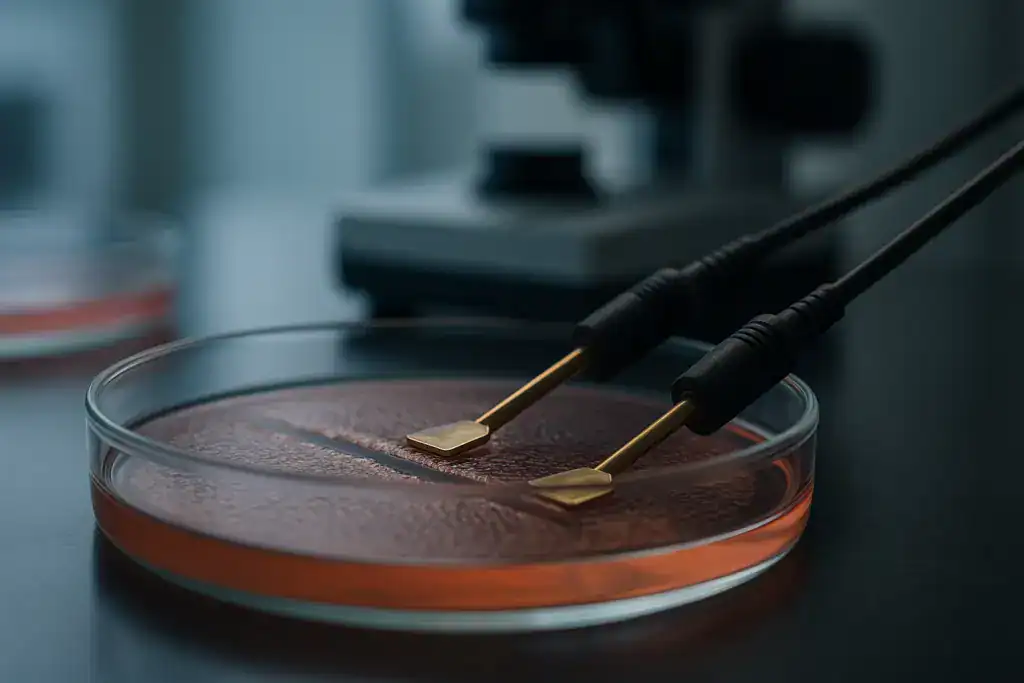
Impedance in Wound Healing Assays
“```html
Impedance in Wound Healing Assays
Advancements in life science research continue to illuminate new methodologies and tools that enhance our understanding of biological processes. One field experiencing significant evolution is wound healing assays, which are indispensable for understanding cell migration and proliferation in response to injury. This article delves into the phenomenon of impedance in wound healing assays, examining its integration in research and potential to transform traditional cell culture models.
Understanding the Fundamentals of Impedance-Based Wound Healing Assays
Impedance: A Brief Overview
Impedance refers to the resistance faced by an electrical signal as it passes through a medium. In the context of wound healing assays, impedance is measured by applying an alternating current through electrodes placed in culture wells. The degree of impedance changes as cells migrate, providing real-time updates on cell behavior without the need for labeling or invasive techniques.
- Provides non-invasive, real-time monitoring of cell behavior
- Eliminates the requirement for cell staining
- Reduces potential for experimental variability
Traditional Approaches and Their Limitations
The Conventional Scratch Assay
The scratch assay, involving the introduction of a void or ‘scratch’ in a cell layer, is a staple in wound healing research. Despite its widespread use, this method is marred by several limitations: manual scratch variability, potential damage to the substrate, and challenges in quantitative analysis. Impedance-based solutions eliminate these issues by offering more consistent and reproducible measurements.
- Suffer from manual variability and subjective analysis
- Risk of damage to cellular substrates during scratch formation
- Limitation in quantifying precise cell migration metrics
Technologische Fortschritte und Trends in der Automatisierung
The Role of Automation in Enhancing Cell Culture Research
Automation in life sciences promises increased accuracy and reproducibility. Impedance-based systems, such as those integrated with the zenCELL owl, facilitate continuous monitoring of cell assays within incubators. This significantly minimizes human error and enhances data integrity, enabling more robust analytical insights into cellular responses during wound healing.
- Enhanced data reproducibility and accuracy
- Reduced need for manual intervention
- Facilitates high-throughput screening applications
Implementing Impedance-Based Technologies: Examples and Workflows
Applications of Live-Cell Imaging with Impedance Measurements
Live-cell imaging combined with impedance monitoring is transformative for workflows in research involving migration assays and organoid development. For example, wound healing assays executed with impedance technology can capture real-time cell dynamics, providing insights into how cells move collectively to close wounds and the influence of various compounds on this process.
- Application in migration and proliferation assays
- Real-time data on cellular response to treatment
- Opportunities for detailed analysis over prolonged periods
Lesen Sie weiter, um tiefere Einblicke und Strategien zu gewinnen.
“`
“```html
Maximizing the Efficacy of Impedance Recording in Assays
Strategies and Tools for Enhanced Data Output
Efficiency in impedance-based systems is crucial for producing reliable research outcomes. Implementing advanced data analysis software is essential for interpreting the impedance readings accurately. Tools such as real-time analytics platforms enable seamless integration with cloud-based applications, facilitating remote data monitoring and collaborative efforts across research teams worldwide. Algorithms tailor-fitted for noise reduction and data normalization further aid in refining results and enhancing the overall quality of analyses.
- Utilize cloud-based analytics for collaborative research across geographies
- Optimize algorithms for noise reduction to improve data clarity
Integrating Impedance Assays with AI and Machine Learning
The Next Frontier in Predictive Modeling
Artificial Intelligence (AI) and Machine Learning (ML) offer unprecedented opportunities to enhance impedance assays. By training models on vast datasets of impedance measurements, researchers can predict cellular behavior under various experimental conditions with remarkable precision. For instance, ML algorithms can identify subtle patterns in cell migration not immediately evident to human observers, allowing for dynamic modeling of wound healing processes. This approach not only saves time but also enhances the predictive power of the experimental setups.
- Implement ML models to identify complex patterns in cell behavior
- Leverage AI for predictive modeling to forecast cellular responses
Overcoming Challenges in Impedance-Based Assays
Addressing Technical Limitations and Enhancing System Reliability
Despite its benefits, impedance-based technology presents challenges, such as sensitivity to environmental fluctuations and issues with electrode stability. Innovative developments in electrode design, including miniaturized and more resilient materials, are addressing these concerns. Furthermore, robust calibration procedures and environmental control systems are crucial for maintaining data accuracy. Researchers are encouraged to implement regular equipment maintenance checks and integrate system diagnostics to avoid data inconsistencies.
- Conduct regular system calibrations to ensure measurement accuracy
- Invest in environmentally controlled chambers to stabilize experimental conditions
Case Study: Revolutionizing Oncology Research with Impedance Assays
Applying Real-World Applications to Cancer Cell Migration
A prominent application of impedance-based wound healing assays is in oncology research, particularly in studying cancer cell migration and invasion. A recent study utilized impedance assays to monitor the effects of anticancer drugs on tumor cells in real-time. The impedance measurements provided insights into the efficacy of various treatment regimens, allowing for the identification of optimal therapeutic approaches. This ability to track alterations in cellular behavior underpins the transformation of experimental oncology into a more precise and responsive discipline.
- Leverage impedance assays to assess drug effectiveness in live cells
- Utilize case studies to guide experimental oncology tactics
Customized Protocols for Diverse Research Applications
Tailoring Impedance Assays for Specific Experimental Needs
Different fields of research often entail unique requirements. By tailoring impedance assay protocols, scientists can address specific research objectives more effectively. For example, the customization of electrode configurations or selecting specific cell lines that mimic physiological conditions more closely can enhance research relevance. Personalized protocol design supports experimental flexibility, empowering scientists to adapt their methodologies to encompass broader research questions.
- Design custom protocols aligned with specific research goals
- Select electrode configurations that suit targeted experimental needs
Pioneering Innovations in High-Throughput Screening
Accelerating Data Collection with Advanced Automation Technologies
The advent of high-throughput impedance-based systems allows for simultaneous monitoring of multiple assays, dramatically increasing the breadth of data that can be collected in a single experiment. Automation plays a critical role here, with robotics and software working in tandem to streamline the setup and monitoring processes. Such a system facilitates rapid testing of pharmaceutical compounds, providing a competitive edge in drug development initiatives.
- Implement robotics for high-throughput assay execution
- Utilize parallel processing to manage and analyze large datasets efficiently
Collaborative Efforts to Broaden Impedance Research Horizons
Global Partnerships and Interdisciplinary Approaches
Interdisciplinary collaboration is essential for advancing impedance technology and its applications. By harnessing knowledge across various scientific domains, from engineering to pharmacology, researchers can drive innovations that push the boundaries of what impedance assays can achieve. Collaborative consortiums focusing on shared challenges can accelerate technology transfer and implementation, ultimately broadening the scope and impact of impedance-based research globally.
- Engage in interdisciplinary collaborations for holistic advancements
- Create consortiums to tackle shared research challenges effectively
Im Anschluss fassen wir die wichtigsten Erkenntnisse, Kennzahlen und eine wirkungsvolle Schlussfolgerung zusammen.
“`
“```html
Expanding the Role of Impedance in Regenerative Medicine
Transformative Impacts on Tissue Engineering and Repair
Impedance-based assays are playing a transformative role in regenerative medicine, offering significant possibilities for tissue engineering and repair. By providing real-time, non-invasive monitoring of cell proliferation and differentiation, impedance technology allows scientists to better understand the intricate processes occurring during tissue regrowth. This capability is invaluable for developing effective therapies for tissue damage and for optimizing scaffold designs that better mimic natural tissue environments, advancing the field toward more effective clinical applications.
- Utilize impedance assays for real-time monitoring in regenerative processes
- Enhance scaffold designs with insights gained from impedance measurements
Environmental and Ethical Considerations in Impedance Research
Balancing Innovation with Responsibility
As the scope of impedance research continues to grow, it is vital to consider the environmental and ethical implications of this technology. Sustainable practices, such as optimizing resource usage and minimizing waste during experiments, should be prioritized. Additionally, ensuring ethical standards in both human and animal cellular research remains paramount. By fostering an environment of responsible innovation, researchers can contribute to a future where scientific advancements coexist harmoniously with societal and ecological needs.
- Adopt sustainable practices within impedance research workflows
- Uphold stringent ethical standards to ensure responsible innovation
Future Directions in Impedance Technology
Pioneering Next-Generation Assays
The frontier of impedance technology is bright, with numerous avenues for groundbreaking research and application. Researchers are exploring the integration of emerging fields such as nanotechnology to create even more sensitive impedance assays. The potential for miniaturized, portable impedance devices means that real-time monitoring could soon be accessible in clinical settings worldwide, bringing diagnostics and monitoring technologies directly to the patient’s bedside. This evolution stands to make healthcare more personalized and effective.
- Explore miniaturization and portability for clinical applications
- Integrate nanotechnology to enhance assay sensitivity
Schlussfolgerung
In conclusion, impedance-based wound healing assays and related technologies continue to revolutionize the landscape of scientific research and clinical applications. By harnessing advanced data analysis tools, integrating AI and ML algorithms, and addressing technical challenges proactively, researchers and clinicians achieve higher precision and reliability in their assays. The transformative impact of impedance technologies is evident in areas such as oncology and regenerative medicine, where they drive significant advancements in our understanding and treatment of complex biological processes.
The article highlights the profound relevance of impedance technologies in expanding our scientific horizons. From targeted custom protocols to fostering global collaborations, the strategic application of these technologies underscores their critical role in modern science. As we optimize experimental setups, embrace ethical responsibilities, and pave the way for the next generation of impedance assays, we stand at the threshold of extraordinary scientific breakthroughs.
As we move forward, researchers, clinicians, and technologists are encouraged to embrace these innovations, remaining committed to sustainability and ethical considerations. Leveraging impedance technology not only enlightens current research landscapes but also promises to redefine therapeutic strategies across disciplines. Together, let us strive to unlock the full potential of impedance-based assays, transforming them into cornerstones of scientific exploration and healthcare innovation.
“`
Understanding lot aging and its effects on long-term studies
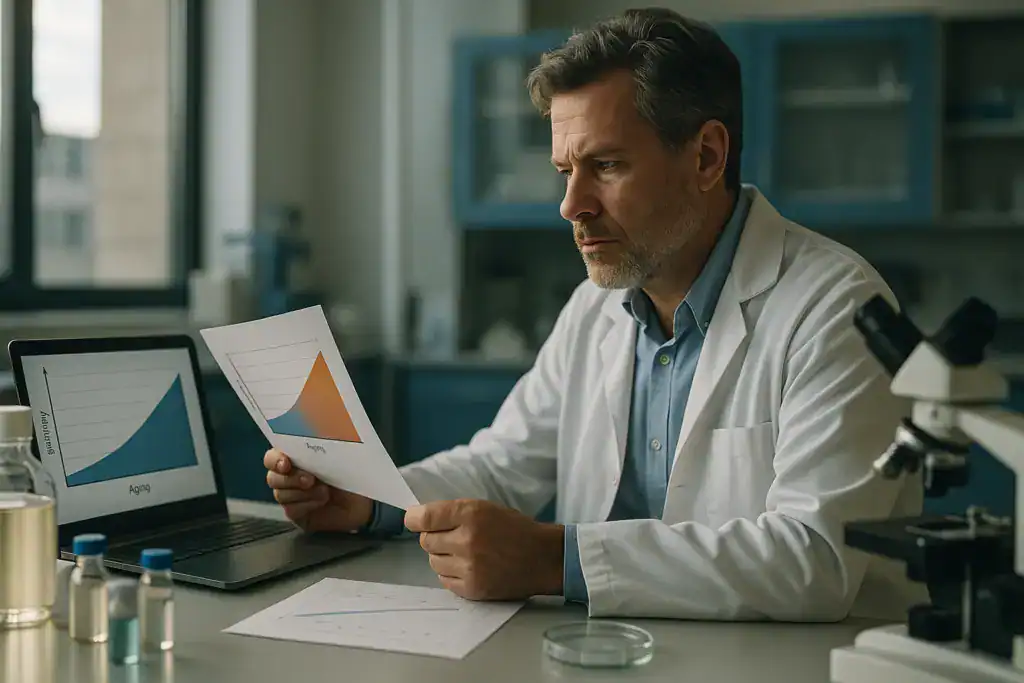
“```html
Understanding Lot Aging and Its Effects on Long-Term Studies
The Science of Lot Aging
Biological Material Dynamics
Lot aging refers to the gradual change in the characteristics of biological materials over time due to various factors such as storage conditions, chemical degradation, and microbial contamination. These changes can affect the performance and results of experiments that rely on consistency and precision. For instance, fetal bovine serum (FBS) used in cell culture may experience alterations in protein concentrations and bioactive components as it ages, influencing cell growth and behavior.
- Lot aging impacts the consistency of biological materials over time.
- Storage conditions and chemical degradation are key contributors.
Lesen Sie weiter, um tiefere Einblicke und Strategien zu gewinnen.
Impact on Long-Term Experimental Studies
Reproducibility Challenges
Understanding lot aging and its effects on long-term studies is crucial because it directly impacts reproducibility, a cornerstone of scientific research. Variability in lot characteristics between time points or experimental batches can lead to discrepancies in results. When using animal-derived biologicals like FBS or bovine serum, researchers must account for lot-to-lot variability by implementing robust quality control measures.
- Discrepancies in biological material characteristics affect reproducibility.
- Lot-to-lot variability is a common challenge in long-term studies.
Lesen Sie weiter, um tiefere Einblicke und Strategien zu gewinnen.
Managing Lot Aging in Research Workflows
Monitoring and Documentation
To mitigate the effects of lot aging on long-term studies, it is essential to routinely monitor and document changes in biological materials over time. Advanced live-cell imaging systems, compatible with incubators, like those described on zencellowl.com, offer an invaluable tool for continuous monitoring of cell behavior influenced by serum aging. Comprehensive documentation strategies also play a vital role in tracking lot changes, ensuring traceability and consistency between experiments.
- Continuous monitoring helps in detecting aging effects in real-time.
- Documentation ensures traceability and reproducibility.
Lesen Sie weiter, um tiefere Einblicke und Strategien zu gewinnen.
Quality Control and Risk Reduction
Preventive Strategies
Implementing rigorous quality control protocols helps manage the effects of lot aging. Regular batch testing and reservation services provided by biological sourcing partners, as seen on shop.seamlessbio.de, can pre-emptively address variability issues. By ensuring that only high-quality and consistent biological materials are used, researchers can reduce risk and enhance the stability of long-term projects.
- Quality control protocols mitigate the risk of lot aging.
- Batch testing and reservation bolster project stability.
Lesen Sie weiter, um tiefere Einblicke und Strategien zu gewinnen.
Regulatory and Ethical Considerations
Adhering to Standards
The regulatory landscape surrounding biological materials requires that researchers maintain ethical considerations and comply with standards. Particularly with human-derived biologicals such as serum and plasma, variability among donors adds another layer of complexity. Ensuring ethical sourcing and compliance with regulatory standards is critical in upholding the quality of long-term studies and minimizing the impact of lot aging.
- Regulatory compliance ensures ethical use of biological materials.
- Donor variability must be managed effectively.
Understanding lot aging and its effects on long-term studies remains a pivotal component for achieving scientific accuracy and reproducibility.
“`
“```html
Optimizing Storage Conditions
The Role of Environment in Managing Lot Aging
Optimal storage conditions are vital in reducing the effects of lot aging. Temperature, humidity, and light exposure can accelerate or decelerate the degradation of biological materials. For instance, frozen sera stored at consistent low temperatures retain their functional integrity better than those exposed to temperature fluctuations. A study conducted by the National Institute of Standards and Technology highlighted that consistent freezer storage could prolong the usability of cell culture reagents by up to 30%, compared to storage in less controlled environments.
- Implement strict environmental controls to prolong material life.
Leveraging Technological Innovations
Advanced Tools for Monitoring and Analysis
Technological advancements provide researchers with better tools to monitor and control lot aging. Devices equipped with IoT capabilities can track storage conditions in real-time, automatically adjusting parameters to prevent degradation. Real-world examples include smart incubators and refrigerators that log and transmit data to researchers’ computers or mobile devices. Such technology not only aids in tracking changes but also helps in predicting and mitigating the potential impacts of lot aging.
- Invest in IoT-enabled equipment for enhanced control over storage conditions.
Strategic Sourcing Practices
Partnering with Reliable Suppliers
Collaborating with suppliers committed to maintaining high standards can significantly reduce risks associated with lot aging. Companies offering certification of each lot’s stability play a crucial role in ensuring biological material quality. For instance, partnering with vendors who perform thorough lot evaluations and stability testing, such as those seen on industry platforms, helps in receiving consistent materials. This collaborative approach can also facilitate better planning by securing batches for similar studies over time.
- Choose suppliers with robust verification and quality assurance protocols.
The Importance of Calibration and Validation
Regular Equipment Checkups for Consistency
Calibration and validation of laboratory equipment are fundamental in achieving consistent results over time. Instruments such as spectrophotometers and incubators should undergo regular checks to ensure precise performance. Research from MIT suggested that periodic recalibration of analytical equipment could cut variance in study outcomes by as much as 40%. This ensures that any shift in results is due to lot changes rather than internal measurement errors.
- Schedule regular validation and calibration of lab equipment.
Implementing Batch Control Systems
Tracking and Managing Biological Inventory
Utilizing batch control systems helps researchers track biological materials efficiently and detect deviations in real-time. These systems provide comprehensive details about each batch, including production date, storage history, and quality assessments. An example of successful implementation includes the use of enterprise resource planning (ERP) software in biopharmaceutical companies, which enhances traceability and inventory management, thereby improving decision-making processes.
- Use batch control systems to enhance traceability and inventory insights.
Training and Workforce Development
Improving Staff Expertise to Handle Biologicals
Investing in comprehensive staff training ensures that team members are equipped to manage lot aging effectively. Training programs should cover best practices for handling and storing biological materials and understanding lot aging implications. Leading institutions have rolled out workshops and certification programs to enhance the workforce’s skills, which significantly contributes to reducing experimental variances and improving the accuracy of long-term studies.
- Develop regular training sessions focused on biological materials management.
Case Study: Improving Outcomes with Proactive Management
A Real-World Example in Biotechnology
Consider a biotechnology firm that implemented an integrated approach to manage lot aging by combining advanced technology, improved supplier relations, and stringent quality control. As a result, they experienced a 25% increase in consistency across their cell culture experiments, with noted improvements in product yield and reliability. Their strategy included identifying critical points in the supply chain, using smart technologies for monitoring, and establishing detailed SOPs for personnel.
- Learn from case studies to develop an integrated biological management strategy.
Im Anschluss fassen wir die wichtigsten Erkenntnisse, Kennzahlen und eine wirkungsvolle Schlussfolgerung zusammen.
“`
“```html
Implementing Continuous Improvement Practices
Adaptation and Innovation in Biological Management
Continuous improvement is pivotal in maintaining high-quality management of biological materials. Organizations should adopt methodologies such as Plan-Do-Check-Act (PDCA) to evaluate and enhance processes diligently. By regularly assessing and adapting strategies to manage lot aging, companies can ensure sustained success and innovation. For instance, implementing systematic reviews and employee feedback mechanisms can reveal areas of improvement, fostering a proactive culture towards biological materials management.
- Incorporate PDCA cycles to foster continuous improvement and innovation.
Data-Driven Decision Making
Utilizing Analytics to Forecast Lot Stability
Harnessing data analytics enables researchers to make informed decisions regarding lot stability and experimental outcomes. By analyzing historical data and leveraging predictive modeling, it’s possible to forecast potential lot deterioration, allowing for preemptive measures. Technologies such as machine learning can provide deeper insights into aging patterns, ultimately enhancing the predictability and reliability of biological materials in long-term studies.
- Use data analytics to forecast and mitigate lot aging impact.
Fostering a Collaborative Research Environment
Enhancing Knowledge Sharing and Innovation
Creating a collaborative research environment encourages open communication and innovation. By facilitating knowledge sharing among researchers, organizations can leverage collective insights to overcome challenges associated with lot aging. Universities and research institutes should promote interdisciplinary collaboration to tap into a rich pool of expertise, ultimately enhancing biological material management and experimental outcomes.
- Promote collaboration and knowledge sharing to harness collective expertise.
Schlussfolgerung
Successfully managing lot aging involves a multifaceted approach combining technological, strategic, and human elements. Key takeaways from exploring this subject include the importance of optimizing storage conditions, leveraging technological advancements, and maintaining strong partnerships with reliable suppliers. Additionally, calibration of equipment, implementing batch control systems, and prioritizing staff training are of paramount importance.
The article emphasizes that proactive management of lot aging can drastically improve the success and reliability of long-term studies. It’s clear that by integrating advanced monitoring technologies, fostering a culture of continuous improvement, and promoting collaborative efforts, organizations can effectively mitigate the impacts of lot aging. This not only enhances experimental reliability but also elevates the standard of scientific inquiry.
As the field evolves, researchers must remain vigilant and adaptable, ensuring they incorporate innovative practices. By doing so, they reinforce the relevance of their research and contribute positively to the scientific community. This comprehensive strategy elevates the quality of work and adheres to the highest standards of accuracy, reliability, and innovation.
In closing, we encourage you to lead the charge in implementing these strategies, driving excellence in your research endeavors. Assess your current practices, identify areas for improvement, and actively engage in the global dialogue on best practices for managing lot aging. Together, we can advance the boundaries of scientific research with integrity and foresight, ensuring a future where research thrives with precision and insight.
“`
Warum In-Inkubator-Live-Zellbildgebung die traditionelle Mikroskopie übertrifft
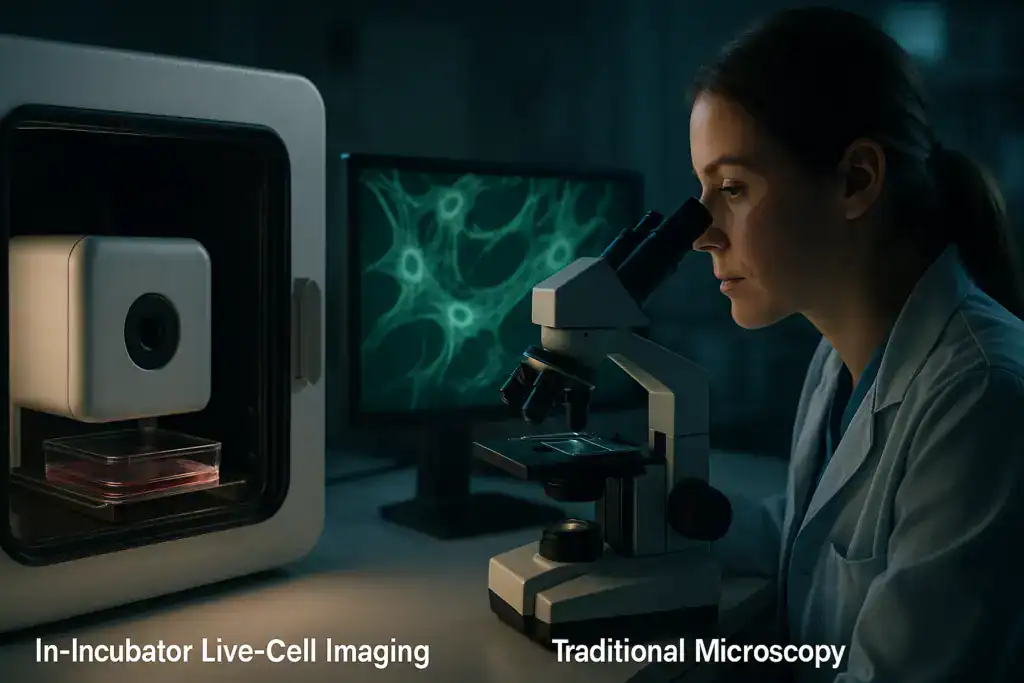
“```html
Warum In-Inkubator-Live-Zellbildgebung die traditionelle Mikroskopie übertrifft
Die Zellkulturforschung schreitet rasant voran und erfordert innovative Werkzeuge, um unser Verständnis zellulärer Prozesse zu verbessern. Ein solcher Durchbruch ist die Inkubator-Live-Zell-Bildgebung, die erhebliche Vorteile gegenüber herkömmlichen Mikroskopietechniken bietet. In diesem Artikel werden wir die Gründe untersuchen, warum die Inkubator-Live-Zell-Bildgebung ihren konventionellen Gegenstücken überlegen ist, und Einblicke in ihre Auswirkungen auf die moderne Zellkulturforschung geben. Sie erfahren mehr über die wichtigsten Herausforderungen in der traditionellen Mikroskopie, die neuesten technologischen Fortschritte und wie die Inkubator-Bildgebung die Reproduzierbarkeit und Datenqualität verbessert.
Häufige Herausforderungen und Beschränkungen traditioneller Ansätze
Einschränkungen der konventionellen Mikroskopie
Die traditionelle Mikroskopie ist ein Eckpfeiler der biologischen Forschung, birgt jedoch mehrere inhärente Herausforderungen. Forscher sehen sich oft Einschränkungen gegenüber wie sporadischer Bilderfassung, Umwelteinflüssen durch manuelle Handhabung und unzureichender zeitlicher Auflösung bei der Beobachtung dynamischer zellulärer Prozesse. Diese Faktoren können die Zellintegrität stören und zu inkonsistenten Daten führen, was Hindernisse für Langzeitstudien darstellt.
- Inkonsistente Daten aufgrund von Probenstörung
- Begrenzte Kapazität für eine kontinuierliche Überwachung
- Manuelle Prozesse sind anfällig für menschliche Fehler
Diese Herausforderungen erfordern eine Verlagerung hin zu automatisierteren und weniger invasiven Methoden, um die Genauigkeit der Live-Zell-Bildgebung zu verbessern.
Technologische Fortschritte und Automatisierungstrends
Der Aufstieg automatisierter Live-Zell-Bildgebungssysteme
Fortschrittliche Technologien in der Zellbildgebung begegnen den Nachteilen traditioneller Mikroskopie durch die Integration von Automatisierung und kontinuierlichen Überwachungsfunktionen. Geräte wie das zenCELL owl veranschaulichen diese Fortschritte und bieten kompakte, Inkubator-kompatible Live-Cell-Imaging-Systeme. Diese Integration ermöglicht eine ununterbrochene Beobachtung zellulärer Dynamiken in ihrer physiologischen Umgebung, erhält die Zellviabilität und liefert qualitativ hochwertige Daten.
- Minimale Probenstörung durch inkubatorfreundliche Designs
- Echtzeitdatengenerierung und -analyse
- Erhöhte Effizienz durch automatisierte Arbeitsabläufe
Lesen Sie weiter, um tiefere Einblicke und Strategien zu gewinnen.
“`
Meta-Titel: Warum die Inkubator-Live-Zell-Bildgebung die traditionelle Mikroskopie übertrifft
Meta-Beschreibung: Entdecken Sie, wie die Inkubator-basierte Lebendzellbildgebung die Datenqualität und Reproduzierbarkeit in der Zellkulturforschung verbessert und herkömmliche Mikroskopieverfahren übertrifft.
“```html
Verbesserung der experimentellen Reproduzierbarkeit
Innovative Designlösungen
Für wissenschaftlichen Fortschritt von unschätzbarem Wert ist die Reproduzierbarkeit nach wie vor eine Kernherausforderung in der Zellkulturforschung. Traditionelle Mikroskopsysteme bieten wenig Kontrolle über Umweltparameter, was oft zu nicht reproduzierbaren Ergebnissen führt. In-Inkubator-Live-Cell-Bildgebungssysteme gehen dieses Problem elegant an, indem sie über Funktionen verfügen, die Bedingungen wie Luftfeuchtigkeit, Temperatur und CO2-Gehalt innerhalb des integrierten Designs des Inkubators genau regeln. Durch die Minimierung methodischer Variabilität beseitigen diese Systeme nahezu eine der bedeutendsten Hürden für zuverlässige und reproduzierbare Daten.
- Nutzen Sie eine stabile Umgebungssteuerung, um die Konsistenz des Experiments zu gewährleisten.
Verbesserung der analytischen Genauigkeit
Präzision durch fortgeschrittene Bildgebungsverfahren
Präzision ist entscheidend für die Interpretation komplexer Zellverhaltensweisen, und Inkubator-Live-Cell-Bildgebungssysteme zeichnen sich in dieser Hinsicht aus. Kameratechnologien wie hoch empfindliche CCD- und sCMOS-Sensoren erfassen transiente zelluläre Ereignisse mit bemerkenswerter Klarheit, indem sie eine überlegene räumliche und zeitliche Auflösung bieten. Ein Beispiel hierfür ist die Rolle von Inkubator-Systemen bei der Untersuchung der schnellen Oszillationen von Kalziumionen in Herzmuskelzellen, bei denen eine schnelle und präzise Bilderfassung für eine genaue Analyse von größter Bedeutung ist.
- Wählen Sie Systeme mit hochauflösenden Sensoren für detaillierte Daten.
Förderung langfristiger Studien
Fortschrittliche Forschung durch unterbrechungsfreie Überwachung
Traditionelle Methoden versagen bei anhaltender Beobachtung oft aufgrund begrenzter manueller Kapazitäten. Umgekehrt ermöglicht die Inkubator-integrierte Echtzeit-Zellbildgebung eine nahtlose Langzeitbeobachtung, wodurch Forscher zelluläre Veränderungen über Tage oder Wochen hinweg ohne Unterbrechung verfolgen können. Beispielsweise profitieren Langzeitstudien zur neuronalen Differenzierung erheblich von dieser Funktion, da die kontinuierliche Bildgebung kritische Entwicklungsschritte erfasst, ohne wichtige Datenpunkte zu übersehen.
- Planen Sie Längsschnittstudien unter Nutzung von Non-Stop-Bildgebungsfähigkeiten
Integration von Echtzeit-Analysewerkzeugen
Datengesteuerter Erfolg mit automatisierten Erkenntnissen
Die Integration von Echtzeit-Analysewerkzeugen befähigt Forscher, fundierte Entscheidungen während Live-Experimenten zu treffen. Fortschrittliche Software begleitet moderne Inkubatorsysteme und bietet automatische Zellverfolgung, Bildsegmentierung und sofortige Datenanalyse. Diese Werkzeuge steigern die Produktivität und die Effizienz der Entscheidungsfindung, wie Krebsvermehrungsstudien belegen, bei denen Echtzeitwerkzeuge eine sofortige Anpassung der experimentellen Parameter nach der Analyse von Zellwachstumsmustern ermöglichen.
- Software mit Echtzeitanalyse für dynamisches Experimentenmanagement übernehmen
Optimierung des zellulären Mikromilieus
Simulation physiologischer Bedingungen
Inkubator-bildgebende Systeme simulieren geschickt die physiologische Mikroumgebung, die für die Erhaltung der Zellgesundheit notwendig ist, was für die translationale Forschung von entscheidender Bedeutung ist. Diese Fähigkeit zeigt sich beispielhaft in Studien zur Stammzelltherapie, bei denen die Aufrechterhaltung der Mikroumgebung von Zellen die In-vivo-Bedingungen nachahmt und für das Verständnis von Differenzierungspfaden und potenziellen Therapien unerlässlich ist.
- Berücksichtigen Sie die Simulation der Mikroumgebung bei der Einrichtung von Experimenten für die translationale Forschung.
Optimierung der operativen Effizienz
Maximierung des Durchsatzes durch optimierte Prozesse
Die Optimierung von Arbeitsabläufen ist ein inhärenter Vorteil moderner Bildgebungssysteme, der insbesondere bei groß angelegten Studien relevant ist. Die automatisierte Handhabung mehrerer Proben in Inkubationssystemen steigert den Durchsatz im Labor erheblich, ohne die Datenqualität zu beeinträchtigen. Ein anschauliches Beispiel ist das Hochdurchsatz-Screening von Medikamenten, bei dem die Effizienz der autonomen Verarbeitung mehrerer Proben den experimentellen Zyklus dramatisch beschleunigt.
- Implementieren Sie automatisierte Systeme für Hochdurchsatzanforderungen, um Zeit und Ressourcen zu sparen
Verstärkung der kooperativen Forschung
Unterstützung von Fernzugriff und Datenaustausch
Die Ära der digitalen Wissenschaft wird durch die einfache Datenweitergabe und die kollaborative Arbeit, die durch hochmoderne Bildgebungsplattformen ermöglicht werden, gestärkt. Inkubatorsysteme verfügen zunehmend über Cloud-basierte Speicherung und Fernzugriffstechnologien, die für weitläufige Forschungsteams, die an verschiedenen Standorten tätig sind, unerlässlich sind. Solche Konfigurationen ermöglichen globale Zusammenarbeit, was sich in internationalen Studien zu Infektionskrankheiten zeigt, bei denen eine nahtlose Datenweitergabe für einen schnellen und einheitlichen wissenschaftlichen Fortschritt von entscheidender Bedeutung ist.
- Nutzen Sie Cloud- und Fernzugriffsfunktionen, um kollaborative Projekte zu verbessern.
Im Anschluss fassen wir die wichtigsten Erkenntnisse, Kennzahlen und eine wirkungsvolle Schlussfolgerung zusammen.
“`
“```html
Forschung zur personalisierten Medizin ermöglichen
Maßgeschneiderte Lösungen für individuelle Bedürfnisse
Inkubator-gestützte Live-Cell-Imaging-Systeme haben ein transformatives Potenzial im Bereich der personalisierten Medizin gezeigt. Durch präzise Kontrolle der experimentellen Bedingungen und hochauflösende Bildgebung können Forscher tief in patientenspezifische zelluläre Reaktionen eintauchen. Diese Fähigkeit ist entscheidend für maßgeschneiderte Therapien und individualisierte Behandlungspläne. Insbesondere Krebstherapien haben bedeutende Fortschritte erfahren, wenn Live-Cell-Imaging angewendet wird, um in Echtzeit zu überwachen, wie sich verschiedene Medikamente auf Tumorzellen auf zellulärer Ebene auswirken.
- Integrieren Sie personalisierte experimentelle Designs für patientenspezifische Erkenntnisse
Förderung der Kosteneffizienz
Budget-freundliche Forschungsinnovationen
Finanzielle Beschränkungen schränken häufig den Umfang und das Ausmaß wissenschaftlicher Forschung ein. Live-Imaging-Systeme in Inkubatoren bieten jedoch einen kostengünstigen Vorteil, indem sie mehrere traditionelle Werkzeuge und Techniken ersetzen. Das integrierte Design minimiert den Bedarf an separaten Umgebungssteuerungen, Bildgebungsgeräten und Software zur Datenanalyse und reduziert letztendlich die Gemeinkosten. Die integrierte Natur dieser Systeme optimiert nicht nur die Ressourcennutzung, sondern erhöht auch die Kapitalrendite, was insbesondere in budgetbewussten Forschungsumgebungen wichtig ist.
- Priorisieren Sie All-in-One-Systeme für kostengünstige, umfassende Lösungen
Beschleunigung von Veröffentlichung und Entdeckung
Vom Labor auf die Werbetafel: Beschleunigung wissenschaftlicher Ergebnisse
Die sorgfältig durch Inkubatorsysteme gewonnenen Daten beschleunigen den Weg von der Hypothese zur Publikation. Ihre Fähigkeit, konsistent qualitativ hochwertige Daten zu liefern, reduziert experimentelle Wiederholungen und verkürzt die Zeit bis zur Verbreitung der Ergebnisse. Diese Geschwindigkeit bei der Generierung robuster Erkenntnisse kommt Forschern, die ihre Innovationen gerne teilen möchten, erheblich zugute. Folglich positioniert das schnellere Benchmarking durch diese fortschrittlichen Systeme Forscher nicht nur an der Spitze der Entdeckungen, sondern steigert auch ihre Wettbewerbsfähigkeit in der globalen wissenschaftlichen Gemeinschaft.
- Verwenden Sie qualitativ hochwertige Daten für eine schnelle Veröffentlichung und Anerkennung.
Schlussfolgerung
Die nahtlose Verschmelzung von Technologie und Biologie in Inkubator-Live-Zell-Bildgebungssystemen eröffnet eine neue Grenze in der wissenschaftlichen Forschung und verändert grundlegend, wie Wissenschaftler zelluläre Dynamiken beobachten, analysieren und verstehen. Wir haben untersucht, wie diese Systeme die experimentelle Reproduzierbarkeit verbessern, die analytische Genauigkeit steigern, Langzeitstudien erleichtern und anspruchsvolle Echtzeit-Analysetools integrieren. Ihre Fähigkeit, physiologische Mikroumgebungen zu simulieren, optimiert weiter die Zellgesundheit, was für die translationale Forschung von entscheidender Bedeutung ist. Darüber hinaus optimieren sie die betriebliche Effizienz, verstärken kollaborative Bemühungen, beschleunigen die personalisierte Medizin-Forschung und fördern die Kosteneffektivität.
Die Auswirkungen sind weitreichend und beschleunigen Durchbrüche in Bereichen wie der Krebsforschung, der Medikamentenentwicklung und personalisierten Therapien, wodurch ein deutlicher Wandel hin zu präziserer, effizienterer und global kollaborativer wissenschaftlicher Forschung vorangetrieben wird. Diese Innovationen stellen sicher, dass Forscher die dringendsten biologischen Fragen mit beispielloser Genauigkeit und Geschwindigkeit zuversichtlich angehen können.
Die außergewöhnlichen Fortschritte, die Inkubator-gestützte Live-Cell-Imaging-Systeme mit sich bringen, unterstreichen ihre anhaltende Wirkung auf die investigative Forschung. Da sich diese Technologien weiterentwickeln, versprechen sie, Grenzen neu zu definieren und unser Verständnis komplexer biologischer Phänomene zu erweitern. Wissenschaftler, Pädagogen und Branchenführer gleichermaßen sind aufgerufen, diese innovativen Werkzeuge anzunehmen und zu fördern, um den Weg für zukünftige Entdeckungen zu ebnen, die lebensverändernde Lösungen versprechen. Ihre Beteiligung an der Integration dieser hochmodernen Systeme kann der Katalysator sein, um die heutige Forschung mit den Durchbrüchen von morgen zu verbinden und die entscheidende Bedeutung hervorzuheben, an der Spitze der technologischen Entwicklung zu bleiben.
“`
Sensor Integration in Plastic Consumables
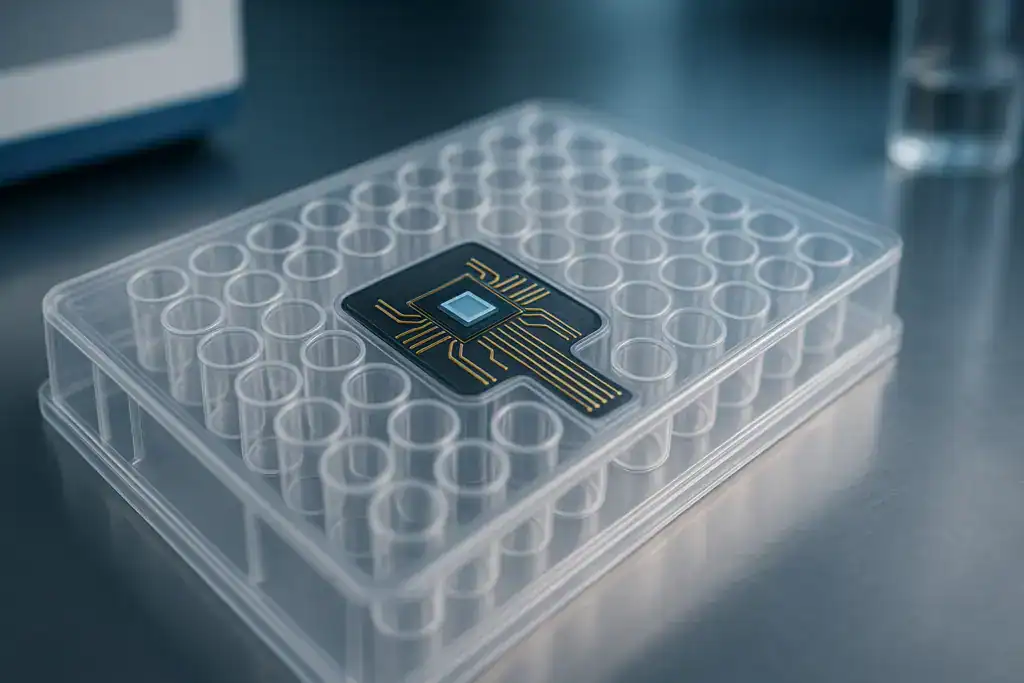
“```html
Sensor Integration in Plastic Consumables
In the rapidly evolving landscape of life sciences, the integration of sensors into plastic consumables is emerging as a revolutionary advancement. These innovations promise to enhance the capabilities of laboratory plastics, from multiwell plates to customized labware, enabling real-time data collection and improved accuracy in laboratory workflows. This article delves into the principles, manufacturing challenges, and technological implications of sensor integration, providing an authoritative guide for researchers, lab managers, and biotech professionals.
Understanding the Role of Sensor Integration
Sensor integration in plastic consumables such as multiwell plates and cell culture vessels represents a significant leap in laboratory technologies. These consumables, once passive, now have the potential to become active data-gathering tools that enhance experimental reproducibility and efficiency.
- Facilitates real-time monitoring and control of environmental conditions
- Improves data accuracy and reliability through continuous data capture
- Enhances high-throughput screening (HTS) capabilities
Traditional Challenges in Laboratory Plasticware
Historically, laboratory plasticware has faced several limitations. Researchers have grappled with issues such as contamination, variability in material properties, and inadequate real-time monitoring capabilities, which impede the reliability of experimental results.
- Contamination risks due to porous surfaces
- Difficulty in achieving uniform material characteristics across batches
- Lack of integrated data collection capabilities
Advancements in Automation and Technology
Design and Material Considerations
The integration of sensors necessitates meticulous design considerations to ensure that the sensors function optimally without compromising the structural integrity of the plastic consumables. Material selection becomes crucial, with polymers like polystyrene (PS), polypropylene (PP), and cyclic olefin copolymer (COC) offering distinct advantages.
- Polystyrene: Known for optical clarity, ideal for imaging applications
- Polypropylene: Offers chemical resistance and flexibility
- Cyclic Olefin Copolymer: Balances optical properties and chemical resistance
Prototyping and Industrial Scale-Up
Developing sensor-integrated plastic consumables starts with prototyping, followed by scaling the production process. Early prototypes undergo rigorous testing to validate sensor accuracy and durability. As production shifts towards industrialization, maintaining dimensional accuracy and process robustness is essential.
- Prototyping strategies involve rapid iterations to refine designs and functionalities
- Scale-up to pilot and full production demands stringent quality control measures
- Robustness in process control ensures consistency across production batches
Injection Molding and Process Control
Injection molding remains the cornerstone of manufacturing sensor-integrated plastic consumables. This process requires finely tuned control settings and validation to ensure product consistency, especially under cGMP and GMP regulations.
- Critical process parameters include temperature, pressure, and cycle time
- Enhanced documentation practices provide traceability and compliance with regulatory standards
- Process validation ensures each batch meets rigorous standards
Ensuring Quality in Regulated Environments
The transition from development to cGMP-compliant production involves rigorous quality management systems. This transition focuses on ensuring that each production step, from tool design to final inspection, adheres to the standards expected by pharmaceutical and diagnostics-grade customers.
- Change control processes manage any variations in production or materials
- Qualification and validation principles underpin operational consistency
- Risk management strategies mitigate potential production failures
Lesen Sie weiter, um tiefere Einblicke und Strategien zu gewinnen.
“`
“```html
Enhancing Data Analytics with Sensor-Integrated Consumables
Empowering Analytical Labs
The rise of sensor integration in plastic consumables allows laboratories to harness more precise data analytics, thus optimizing experimental outcomes and advancing scientific insights. By transforming traditional plasticware into smart, data-driven tools, labs can significantly enrich their data pools and enhance their analytical capabilities.
- Leverage predictive analytics to forecast experimental outcomes based on historical data
- Utilize real-time data for dynamic decision-making and instantaneous result adjustments
Applications in Pharmaceutical Research
Revolutionizing Drug Discovery
Sensor-integrated consumables are pushing the frontiers of pharmaceutical research, particularly in drug discovery and development. By enabling high-resolution data acquisition in environments like multiwell plates and cell culture systems, these technologies facilitate a deeper understanding of cellular responses and drug efficacy.
- Accelerate the identification of potential drug candidates with precise dose-response curves
- Conduct real-time toxicity evaluations to expedite safer drug delivery methods
Real-World Implementation: A Case Study
Innovative Success at Biotech Labs
One pioneering scenario is the integration of this technology at Biotech Labs, where sensor-embedded consumables led to a 30% increase in throughput efficiency. Monitoring critical parameters allowed for streamlined workflows in the cell culture department, resulting in reduced costs and enhanced productivity.
- Optimized culture conditions through automated feedback controls reduced manual adjustments
- Data-driven insights enabled dynamic resource allocation and workforce optimization
Challenges in Sensor Integration
Technical Hurdles and Solutions
Although revolutionary, integrating sensors into plastic consumables presents significant challenges, including the miniaturization of sensors and ensuring compatibility with biological samples. Balancing sensor functionality without disrupting the chemical compatibility of the consumables remains a continuous effort in development.
- Adopt miniaturization techniques using MEMS technology to maintain sensor precision without increasing the footprint
- Conduct thorough material compatibility assessments to prevent sample integrity issues
Quality Assurance and Calibration
Maintaining Accuracy and Reliability
Continuous calibration and rigorous quality assurance protocols are vital to maintain the precision of sensor-integrated consumables. Regular calibration against known standards ensures measurement accuracy, a critical requirement especially when these consumables are employed in diagnostic settings.
- Implement automated calibration systems with traceability features to ensure data integrity
- Engage in periodic vendor audits to verify compliance with quality assurance standards
Future of Sensor-Enabled Plastics in Lab Environments
Next-Generation Innovations
As the technology matures, we anticipate that sensor integration will evolve beyond just monitoring capabilities to encompass integrated actuators for self-regulating systems. This could revolutionize laboratory automation by enabling self-correcting systems that autonomously adjust experimental parameters in real-time.
- Potential applications include lab-on-chip systems with integrated sensing and actuation for microsampling
- Explore advancements in AI and machine learning to interpret sensor data for predictive applications
Economic Impact and Cost-Benefit Analysis
Understanding the Financial Implications
The long-term economic benefits of utilizing sensor-integrated consumables can be profound. While initial costs may be higher than traditional options, the value derived from increased data fidelity, reduced error rates, and streamlined workflows supports a compelling return on investment.
- Conduct full life-cycle cost analysis to assess total savings from error reduction and process efficiency
- Evaluate government and private funding opportunities favoring smart technology adoption in research labs
Im Anschluss fassen wir die wichtigsten Erkenntnisse, Kennzahlen und eine wirkungsvolle Schlussfolgerung zusammen.
“`
“```html
Environmental Considerations
Sustainable Solutions in Research Labs
The advancement of sensor-integrated consumables also considers the environmental impact of laboratory waste. Sustainable design in consumables can significantly contribute to an eco-friendlier laboratory environment by reducing plastic waste and promoting recycling initiatives. Leveraging biodegradable materials and minimizing hazardous chemicals in consumable production are key elements in fostering greener laboratories.
- Integrate biodegradable materials that complement sensor functionality without sacrificing efficacy
- Establish recycling programs specifically for sensor-integrated consumables to minimize landfill contributions
Data Security and Privacy
Protecting Sensitive Information
The digital nature of sensor-enabled consumables in lab environments necessitates robust data security measures to protect sensitive research data. Implementing advanced encryption techniques and secure data transmission protocols are fundamental in ensuring the confidentiality and integrity of the data collected.
- Use end-to-end encryption for data transfer between consumables and lab management systems
- Adopt blockchain technology for tracking data modifications and ensuring authentic data provenance
Regulatory Compliance and Standards
Aligning Innovations with Regulations
Adhering to industry standards and regulatory requirements is crucial for the successful implementation of sensor-integrated consumables. Staying abreast of regulatory changes and incorporating compliance measures is essential for ensuring the safe and effective use of these technologies in laboratory settings.
- Stay updated with international standards such as ISO and ASTM for sensor-equipped laboratory equipment
- Collaborate with regulatory bodies to shape future standards that accommodate evolving technologies
Schlussfolgerung
Sensor integration in plastic consumables represents a groundbreaking leap forward in laboratory innovation. This transformation empowers labs to augment data collection precision, reduce experimental errors, and capitalize on advanced analytical capabilities—ultimately pushing the frontiers of discovery and efficiency. By revolutionizing drug research, empowering analytical labs, and enhancing throughput efficiency, sensor-enabled consumables are boosting productivity while providing valuable insights that drive scientific excellence.
As explored throughout this article, the adoption of these technologies does not come without challenges. Technical hurdles such as sensor miniaturization, material compatibility, and maintaining data integrity require continuous development and adherence to rigorous quality assurance practices. Despite these obstacles, the significant economic and environmental benefits make a compelling case for integrating sensor technologies in labs worldwide. The potential for future innovations, such as self-regulating systems and advanced AI analytics, promises further opportunities to enhance lab efficiency and scientific outcomes.
Achieving a successful transition to sensor-enabled consumables demands a cross-disciplinary approach that incorporates sustainable practice, robust data security, and compliance with stringent regulatory standards. By fostering innovation within a framework of responsibility and foresight, laboratories can ensure that these technologies provide maximum benefits to science and society. Now is the time for laboratories, businesses, and policymakers to invest in these pioneering solutions, embracing the exciting horizon of possibilities they present.
This transformative phase of innovation compels us to reflect upon our role in shaping the future of scientific exploration. As we stand on the precipice of a new era in laboratory research, let us commit to embracing these exceptional opportunities with shared dedication, propelling us toward a future where scientific inquiries are met with enhanced precision, sustainability, and impact. Dive into the realm of sensor-integration, explore its potential, and be a vanguard in elevating the trajectory of modern science.
“`