Why reproducibility breaks down in ultra-sensitive diagnostic platforms
“`html
Why Reproducibility Breaks Down in Ultra-Sensitive Diagnostic Platforms
Ultra-sensitive diagnostic platforms are critical in today’s research and clinical diagnostics, providing unparalleled sensitivity and specificity in detecting biomarkers. However, these platforms are often plagued by challenges in reproducibility, raising concerns among researchers and laboratory professionals. Understanding why reproducibility breaks down in ultra-sensitive diagnostic platforms is crucial for ensuring accurate results and scientific integrity. This article delves into the scientific principles, common experimental challenges, and strategies to enhance reproducibility in these cutting-edge diagnostic systems.
Understanding Sensitivity and Reproducibility
The Interplay of Sensitivity and Reproducibility
Sensitivity in diagnostic platforms refers to the ability to detect minute quantities of a particular analyte. While high sensitivity is advantageous in identifying early-stage diseases, it can also lead to variability due to background noise, reagent inconsistency, and sample handling errors. These factors contribute to why reproducibility breaks down in ultra-sensitive diagnostic platforms, as even minor deviations can significantly impact results.
- Ultra-sensitivity enhances disease detection capabilities but challenges reproducibility.
继续阅读,以探索更深入的见解和策略。.
Role of Biological Variability
Impact of Biological Raw Materials
Reproducibility issues often stem from the biological variability of raw materials such as sera and plasma. Animal-derived biologicals like Fetal Bovine Serum (FBS) and human-derived components are prone to lot-to-lot variability, leading to inconsistent experimental outcomes. Establishing stringent quality parameters and traceability is crucial when using these materials in ultra-sensitive platforms to minimize variability.
- Biological materials contribute to the reproducibility challenges in diagnostics.
继续阅读,以探索更深入的见解和策略。.
Quality Control and Documentation
Ensuring Consistency through Documentation
Documentation and traceability play vital roles in maintaining reproducibility in diagnostic platforms. By meticulously documenting reagents, handling conditions, and experimental protocols, researchers can identify and mitigate sources of inconsistency. Testing and documentation services are essential for long-term project stability, allowing for reproducibility improvements by standardizing processes.
- Thorough documentation aids in identifying reproducibility challenges.
继续阅读,以探索更深入的见解和策略。.
Technological Solutions for Reproducibility
Leveraging Live-Cell Imaging Systems
Adopting advanced technologies such as incubator-compatible live-cell imaging systems can significantly enhance reproducibility. These systems offer continuous monitoring of cell behavior and provide documentation of serum or reagent effects, facilitating an improved understanding of experimental conditions. By integrating these insights, researchers can optimize their workflows, addressing why reproducibility breaks down in ultra-sensitive diagnostic platforms.
- Live-cell imaging offers a technological edge in monitoring and documenting experiments.
继续阅读,以探索更深入的见解和策略。.
结论
Synthesizing Strategies for Improved Reproducibility
Achieving reproducibility in ultra-sensitive diagnostic platforms requires a comprehensive approach, addressing biological variability, implementing robust quality control, and leveraging technological advancements. By understanding the underlying factors of variability, continuously refining protocols, and ensuring meticulous documentation, researchers can enhance reproducibility and reliability in their diagnostic endeavors.
- Integrating multiple strategies is key to overcoming reproducibility challenges.
“`
“`html
Advanced Analytical Techniques
Enhancing Precision with Mass Spectrometry
Mass spectrometry is a powerful technique that has revolutionized the field of ultra-sensitive diagnostics. It provides precise mass-to-charge ratio measurements, enhancing the detection and quantification of biomolecules at extremely low concentrations. Studies have shown that employing techniques such as tandem mass spectrometry (MS/MS) can minimize noise and improve signal clarity by fragmenting molecules and analyzing their components. This method is particularly beneficial in complex matrices where conventional techniques might fail due to overlapping interference and insufficient sensitivity.
- Mass spectrometry is pivotal for reducing noise and enhancing signal clarity in complex samples.
Standardizing Protocols
Building Consistency with Standard Operating Procedures (SOPs)
Standard Operating Procedures (SOPs) play a crucial role in standardizing diagnostic assays, which is critical for reproducibility. By documenting every step—from sample collection, processing, to data analysis—SOPs ensure consistency across different laboratories and even within the same lab over time. For example, a large-scale study conducted across multiple research institutions demonstrated a significant reduction in result variability when consistent SOPs were implemented. This systematic approach not only improves reproducibility but also enhances the reliability of diagnostic outcomes across diverse experiments.
- Implement SOPs to standardize procedures and reduce variability.
Emphasizing Statistical Rigor
Applying Robust Statistical Models
Incorporating robust statistical analyses is essential in understanding data derived from ultra-sensitive diagnostic platforms. Statistical models help discern true signals from noise, particularly in scenarios where high sensitivity could lead to false positives. Bayesian models and machine learning algorithms are being increasingly used to predict outcomes based on historical data, offering insights that enhance reproducibility and accuracy. For instance, employing these models in genomic studies has resulted in higher predictive accuracy and more reliable biomarker discovery, underscoring their value in diagnostics.
- Use advanced statistical models to improve the accuracy of diagnostic results.
Leveraging Automation
Streamlining Workflows with Automation Technologies
Automation in diagnostic laboratories is revolutionizing workflows by reducing human error and speeding up processes. Automated pipetting systems, precision robotic handlers, and integrated laboratory management software contribute to enhanced reproducibility. A case study involving a leading biotech firm highlighted how integrating automated liquid handlers into their diagnostic assays reduced procedural errors by 25% while increasing throughput by 40%. By minimizing manual intervention, these technologies facilitate consistent data output and optimize operational efficiency.
- Adopt automation technologies to enhance workflow efficiency and reduce errors.
Cross-Laboratory Collaborations
Collaborative Efforts to Harmonize Practices
Collaboration between laboratories globally can significantly enhance reproducibility by sharing protocols, data, and insights. Consortia and collaborative networks permit collective validation of diagnostic methods across different settings, thus fostering consistency and reliability in outcomes. The Human Biomolecular Atlas Program (HuBMAP) is an exemplary initiative where collaborative efforts have led to standardized practices and inter-laboratory reproducibility for biomarker identification. By harmonizing methodologies, such efforts contribute substantially to diagnostic advancements worldwide.
- Engage in collaborative networks to standardize practices and enhance consistency.
Training and Education
Empowering Personnel for Consistent Results
Investing in the training and continuous education of laboratory personnel is pivotal for maintaining reproducibility. Well-informed staff are better equipped to handle complex diagnostic platforms and understand the nuances of ultra-sensitive assays. Workshops, certification programs, and online courses focusing on both technical skills and data interpretation can bridge knowledge gaps. An institution specializing in precision medicine reported a 30% improvement in result consistency after implementing a comprehensive training program tailored to skill enhancement for new technologies.
- Prioritize personnel training to bolster understanding and reduce variability in results.
接下来,我们将总结要点、指标和一个有力的结论。.
“`
“`html
Quality Assurance Measures
Integrating Quality Control for Enhanced Reproducibility
Stringent quality assurance (QA) measures are crucial for reproducibility in ultra-sensitive diagnostics. Routine equipment calibration, proficiency testing, and internal audits ensure that diagnostic platforms maintain their accuracy and precision over time. Leading laboratories have reported a substantial decrease in variability when comprehensive QA protocols are applied regularly. Implementing such measures helps in identifying and rectifying inconsistencies proactively, thereby preventing deviations before they impact results.
- Institute routine QA measures to safeguard diagnostic accuracy and consistency.
Data Integrity
Ensuring Data Fidelity through Rigorous Practices
Digital data management systems are vital in protecting data integrity in diagnostic platforms. Incorporating software solutions that log every data access and modification enhances traceability. Furthermore, blockchain technology is emerging as a promising tool for securing data transactions. By establishing a tamper-proof record of data handling, these technologies prevent unauthorized changes and provide a clear audit trail, ensuring that the integrity of diagnostic data is preserved at all times.
- Adopt advanced data management practices to uphold data integrity and traceability.
Future Directions
Paving the Way for Next-Generation Diagnostics
The future of ultra-sensitive diagnostic platforms lies in adopting cutting-edge technologies such as artificial intelligence and the Internet of Things (IoT). These technologies promise to enhance data analysis capabilities and improve diagnostics’ speed and accuracy. With AI-powered algorithms, real-time data analysis can lead to faster diagnostic decisions, while IoT devices will enable seamless data collection from remote locations, thus expanding the reach and impact of diagnostic services worldwide.
- Explore AI and IoT to drive innovation and efficiency in diagnostic platforms.
结论
Throughout this discussion, we’ve delved into the multifaceted strategies essential for ensuring reproducibility in ultra-sensitive diagnostic platforms. From enhancing precision with mass spectrometry and standardizing protocols with SOPs, to applying robust statistical models and leveraging automation, each technique offers distinct improvements in diagnostic accuracy and reliability. Cross-laboratory collaborations and targeted training programs for personnel further reinforce these technological advancements by fostering an environment that values standardization and continuous education.
The integration of quality assurance measures, alongside cutting-edge data integrity practices, highlights the meticulous attention required to maintain consistency and precision in diagnostic outcomes. In looking forward, the exploration of AI and IoT technologies presents a compelling vision for the future, promising breakthroughs in speed and accessibility that represent the next evolution in diagnostic excellence.
This article embodies the commitment to driving progress in the diagnostic field by bridging the gaps in reproducibility. For those invested in this realm—whether researchers, practitioners, or stakeholders—the call to action is clear: embrace innovation, prioritize education, and foster collaboration to unlock the full potential of ultra-sensitive diagnostics. Together, these efforts will not only address the current challenges but will also propel us toward a future where diagnostic accuracy and reliability are not just standards, but expectations.
“`
Standardizing Cell Culture Workflows Across Labs With Automated Imaging
“`html
Standardizing Cell Culture Workflows Across Labs With Automated Imaging
In modern cell culture research, achieving consistent and replicable results across different laboratories is crucial. The complexities involved in cell culture workflows demand precision and standardization, which automated imaging systems can facilitate. This article delves into the common challenges encountered in traditional cell culture methods, the role of technological advances, and how laboratory automation tools like automated imaging can significantly enhance reproducibility and data quality in diverse research applications.
Challenges and Limitations of Traditional Cell Culture Approaches
Inconsistencies in Manual Techniques
Traditional cell culture methods often rely on manual observation and data collection, introducing a variable susceptible to human error. Pipetting discrepancies, variations in incubation times, and differing environmental conditions can all influence the results, potentially leading to inconsistencies and a lack of reproducibility between labs.
- Manual interventions increase the risk of contamination and error.
- Data subjectivity due to observer bias makes result interpretation complex.
- Standardization challenges across multi-site research initiatives.
继续阅读,以探索更深入的见解和策略。.
Technological Advances and Automation Trends in Cell Culture
Integrating Automation for Enhanced Precision
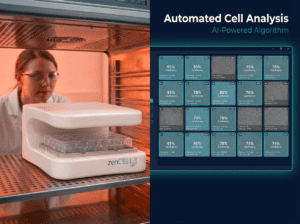
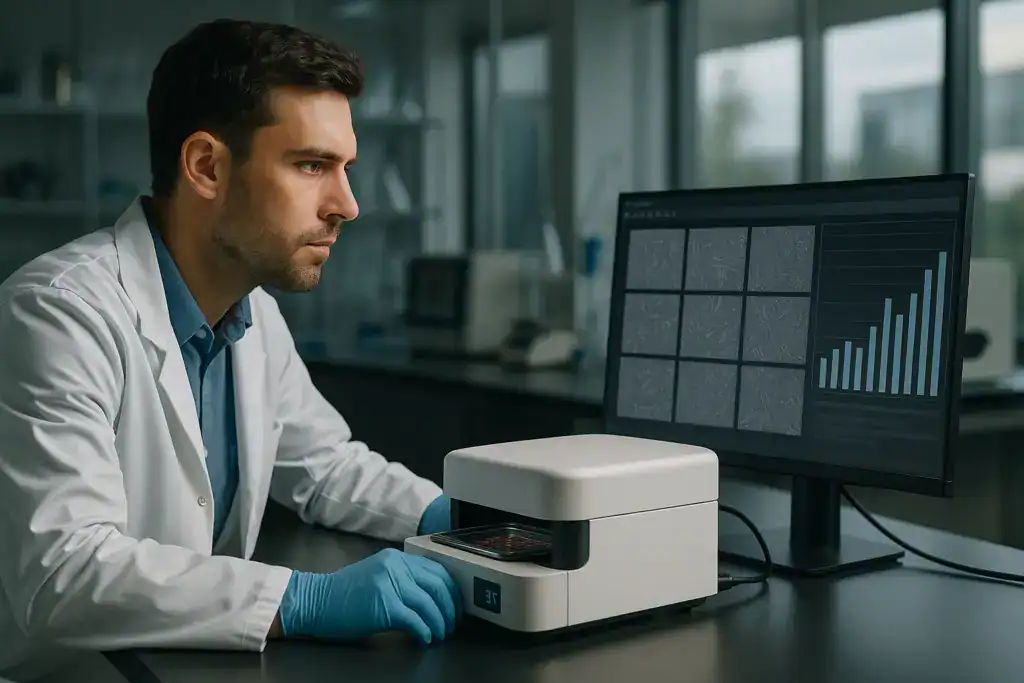
Advancements in automation are transforming cell culture by automating repetitive tasks and enabling high-throughput capabilities. Automated imaging systems, such as the zenCELL owl, offer continuous, real-time monitoring of cell cultures within incubators, thus, enhancing reproducibility and data accuracy across different labs.
- Automation reduces human error and improves data reliability.
- Facilitates high-throughput screening and analysis with minimal intervention.
- Integration with artificial intelligence for predictive analysis.
继续阅读,以探索更深入的见解和策略。.
活细胞成像的实用示例和工作流程
From Real-Time Monitoring to Data Integration
Live-cell imaging allows researchers to observe cellular processes in real-time, analyzing dynamic behaviors over extended periods. Automated systems like the zenCELL owl enable researchers to standardize live-cell imaging workflows by continuously capturing high-quality images within a controlled environment, thus eliminating variability.
- Provides comprehensive datasets for comprehensive analysis.
- Supports remote monitoring and data sharing across labs.
- Integrates seamlessly with existing laboratory information management systems (LIMS).
继续阅读,以探索更深入的见解和策略。.
孵化器成像如何提高可重复性和数据质量
Optimizing Environmental Control and Data Accuracy
Incubator-based imaging systems, such as the zenCELL owl, ensure that imaging takes place in a stable, controlled environment, crucial for maintaining cell health and experimental conditions. This setup mitigates the risk of disruption due to environmental changes, ensuring consistency and repeatability in the collected data.
- Minimizes risk of contamination and maintains cell viability.
- Consistent environmental conditions lead to more reliable data.
- Supports longitudinal studies by providing uninterrupted observation.
继续阅读,以探索更深入的见解和策略。.
Applications: Migration Assays, Organoids, Proliferation, and HTS
Expanding Research Horizons with Automated Imaging
Automated imaging systems like the zenCELL owl are revolutionizing applications such as migration assays, organoid studies, and proliferation analyses. These systems enable high-throughput screening (HTS) by providing rapid, reliable data collection and analysis capabilities crucial for drug discovery and developmental biology.
- Automates real-time monitoring in migration assays for precise analysis.
- Supports 3D culture and organoid research with consistent imaging.
- Facilitates proliferation studies by offering objective growth metrics.
继续阅读,以探索更深入的见解和策略。.
“`
“`html
Improving Workflow Efficiency With Automated Imaging
Streamlining Cell Culture Processes
Automated imaging systems like the zenCELL owl play a pivotal role in boosting workflow efficiency within cell culture laboratories. By automating tedious tasks that typically consume a significant portion of a researcher’s time, these systems allow scientists to focus on data interpretation and experimental design rather than manual processes.
- Reduces time spent on routine observation and manual data entry.
- Facilitates parallel processing of multiple samples, enhancing throughput.
- Offers integrated scheduling tools for automated data capture, reducing downtime.
Leveraging AI and Machine Learning for Data Analysis
Enhancing Predictive Models and Insights
Integrating AI and machine learning algorithms with automated imaging systems enhances the analytical capabilities of labs. These advancements enable in-depth analysis of cellular patterns and behaviors, providing researchers with insights that might not be evident through manual assessment. For instance, machine learning models can predict treatment outcomes or disease progression patterns based on changes in cell morphology observed through imaging data.
- Utilizes pattern recognition to identify cellular anomalies early.
- Supports predictive modeling for therapeutic efficacy evaluations.
- Provides valuable predictive insights to guide experimental design and decision-making.
Advanced Automation in Drug Testing and Discovery
Revolutionizing Pharmacological Research
Automated imaging has become an indispensable tool in drug discovery processes. High-throughput screening (HTS) capabilities allow researchers to rapidly test thousands of compounds, analyzing the effects on cellular models with precision and accuracy. This automation streamlines lead identification and optimization, significantly accelerating the drug discovery cycle and reducing costs associated with manual testing methodologies.
- Enables comprehensive screening of vast chemical libraries efficiently.
- Improves accuracy in detecting drug-induced phenotypic changes.
- Accelerates the lead optimization process by providing real-time feedback on compound efficacy.
Facilitating Collaborative Remote Research
Breaking Geographical Barriers in Scientific Collaboration
With the advent of automated imaging systems, laboratories can effectively break down geographical barriers that once hindered collaborative research. By enabling remote monitoring and data access, multi-site projects can be seamlessly unified, offering researchers the ability to collaborate in real-time. Data can be shared and analyzed across borders, fostering a truly global research environment and enabling institutions to leverage diverse expertise and resources.
- Allows real-time data sharing and collaborative analysis between institutes.
- Optimizes resource allocation by facilitating joint ventures across research facilities.
- Promotes a unified approach to tackling complex research questions on a global scale.
Implementing Automated Quality Control
Ensuring Consistency and Reliability
Quality control is vital in cell culture to ensure the reliability of experimental results. Automated imaging systems are equipped with sophisticated algorithms that automatically detect and flag anomalies or deviations in cell cultures. This built-in quality control mechanism ensures that only accurate and reliable data is considered for analysis, thus enhancing the overall quality of research outcomes.
- Automates the detection of culture contamination and irregularities.
- Ensures standardized criteria are met consistently across datasets.
- Supports consistent quality management, reducing the need for manual oversight.
Case Study: Enhancing Cancer Research with Automated Imaging
Beyond Traditional Microscopy
A pioneering cancer research lab integrated automated imaging to monitor cell proliferation and response to therapies in real-time. By using the zenCELL owl system, the lab achieved higher consistency in their experimental approaches, enabling them to identify potential therapeutic targets with greater accuracy and reduce experimental turnaround time by 25%. This strategic implementation not only improved data quality but also allowed for quicker transitions from discovery to preclinical testing stages.
- Facilitated quick identification of effective therapeutic agents.
- Reduced experimental repeat times, leading to faster project completions.
- Improved collaborative efforts with outside institutions through enhanced data sharing.
接下来,我们将总结要点、指标和一个有力的结论。.
“`
“`html
Integrating Automated Imaging in Personalized Medicine
Tailoring Therapies to Individual Needs
As personalized medicine continues to advance, the integration of automated imaging systems into its workflows holds transformative potential. By providing real-time visual data and analysis, these systems support clinicians and researchers in developing highly targeted therapies tailored to individual genetic and cellular profiles. Automated imaging facilitates the precise monitoring of patients’ cellular responses to treatments, enabling immediate adjustments to therapeutic strategies and enhancing overall patient outcomes.
- Enables precision in monitoring patient-specific responses to treatments.
- Supports the development of personalized therapeutic regimens.
- Enhances data accuracy through consistent, automated observations.
Economizing Resource Allocation in Research Labs
Maximizing Lab Efficiency and Cost Management
Automating imaging processes aids laboratories in optimizing their resource allocation. By mitigating the need for manual oversight, laboratories can reallocate human resources to more sophisticated tasks, thus maximizing the productivity and cost-effectiveness of research endeavors. Investing in automated systems not only reduces long-term operational costs but also enhances the strategic allocation of budgetary resources towards higher-impact research projects.
- Decreases labor costs by reducing the need for manual monitoring.
- Enhances financial allocation toward innovative research initiatives.
- Improves overall lab efficiency, boosting productive output.
Predictive Analysis for Future Research Directions
Shaping the Future of Scientific Discoveries
By employing predictive analysis capabilities built into automated imaging systems, researchers are better equipped to forecast emerging trends and direct the future of scientific exploration. These systems offer profound insights into likely developmental paths and potential research frontiers. Predictive capabilities assist in identifying promising research areas, ensuring that labs stay at the forefront of innovation, continually pushing the boundaries of what is scientifically achievable.
- Assists in identifying untapped research potentials and directions.
- Enables proactive engagement with emerging scientific trends.
- Directs strategic planning for future research and development efforts.
结论
The integration of automated imaging systems in cell culture laboratories represents a pivotal advancement in modern scientific research. As observed, these systems eliminate mundane manual tasks, thereby allowing scientists to redirect their focus towards critical analytical and interpretative functions. The increased efficiency observed in cell culture processes translates into significant improvements in workflow consistency, accuracy, and speed—areas that are crucial for experimental success.
Key takeaways highlight the transformative impact automated imaging has in enhancing the throughput of laboratory functions and its essential role in supporting the evolving landscape of personalized medicine, resource management, and predictive research analysis. These benefits empower laboratories to operate at unprecedented levels of efficiency and effectiveness, making impactful contributions to both the scientific community and global research efforts.
As automation in the laboratory continues to evolve, it reinforces the attainment of robust, reliable, and repeatable research outcomes. Integrating these technologies ensures that scientific inquiry does not remain confined to traditional limitations but rather embraces a forward-thinking approach that leverages the strengths of technology. The adoption of automated imaging technology is not merely a trend, but a necessary progression and a catalyst that propels the scientific world toward innovative horizons.
The continued exploration and implementation of these advanced systems stand as a call to action for researchers and institutions alike. By embracing these technological advancements, stakeholders commit to achieving greater insights and progressing towards admirable milestones in scientific advancement. Let us lead with innovation and precision, pioneering the future of research with passion and purpose.
“`
从原型到批量生产(OEM)
从原型到批量生产(OEM)
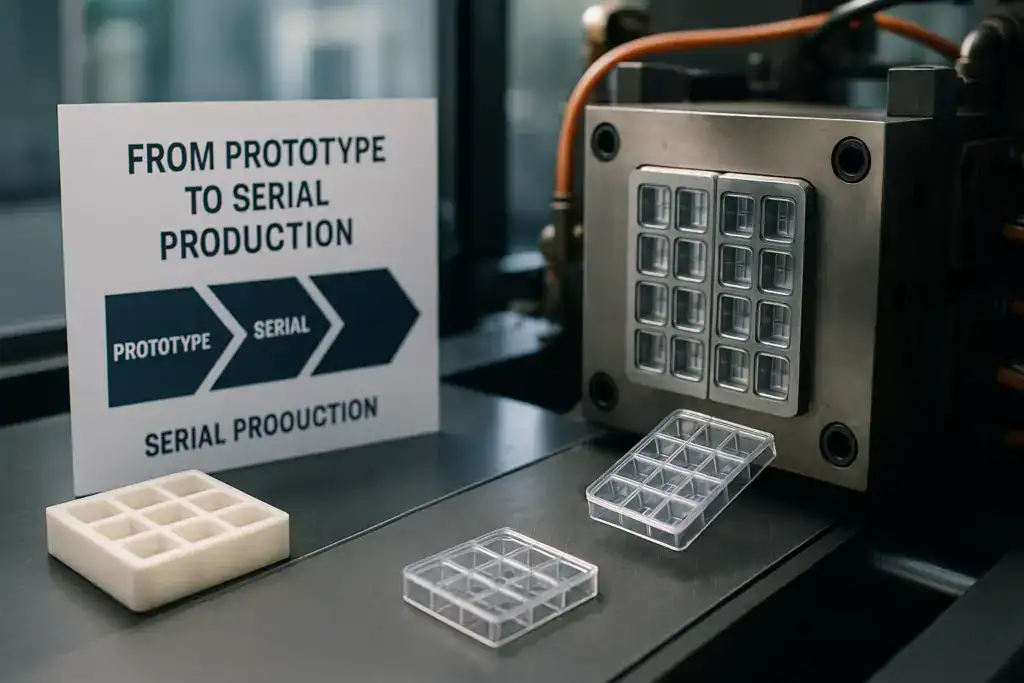
在不断发展的生命科学领域,从实验室塑料产品的原型开发到批量生产的转变,不仅是一项技术挑战,更是创新的必然要求。本文深入探讨了将多孔板和专用细胞培养容器等实验室塑料概念从初始设计转化为成功的 OEM 批量生产的细微过程。我们将探讨面向制造的设计 (DFM)、材料选择和法规遵从性等关键方面,为生物医学专业人士提供一份深入了解这些复杂路径的指南。.
产品开发 – 实验室塑料
设计制造一体化 (DFM) 与材料选择
开发实验室塑料制品,如多孔板,需要一丝不苟地关注面向制造的设计原则,确保产品能够高效、可靠地大规模生产。选择合适的材料至关重要;聚苯乙烯(PS)、聚丙烯(PP)和环烯烃共聚物(COC)等选项具有不同的特性,可满足不同的应用需求。例如,PS 提供对成像应用至关重要的光学清晰度,而 PP 提供化学耐受性,COC 则确保了优异的阻隔性能。.
- 聚苯乙烯 (PS):具有高透明度和易于消毒的特点,是光学应用的理想选择。.
- 聚丙烯 (PP):提供坚固性和耐化学品、耐高温性。.
- 环烯烃共聚物(COC):适用于需要湿气和气体阻隔性能的应用。.
表面处理与应用
表面处理,如组织培养处理或特殊涂层,可以增强细胞的粘附性和活力,这在干细胞培养或微生物测定等应用中至关重要。例如,组织培养处理的表面有利于细胞更好地附着,从而在细胞培养研究中促进更生理性的细胞行为。.
- 组织培养 (TC) 处理:增强细胞粘附和生长表面。.
- 特种涂层:未处理和已涂层两种选择,满足特定的检测要求。.
原型策略
原型制作是一个关键阶段,可在其中测试设计假设,从而实现快速迭代。增材制造技术(例如 3D 打印)为原型复杂几何形状提供了一种敏捷的方法。结合简易注塑成型设备,这些方法有助于高效且经济地将设计演变为可制造产品。.
- 3D打印:允许快速迭代和测试设计理念。.
- 早期注塑成型:提供关于可制造性和材料行为的深刻见解。.
继续阅读,探索从原型开发到批量生产的更高级的见解和策略。.
工具和规模扩大
原型制作到试生产再到工业模具
从原型到中试模具的过渡是生产扩展的关键阶段。中试模具通常由较软的材料制成,以降低成本并方便快速修改。随着设计的稳定,投资高产能工业模具变得必不可少,它能为大规模生产提供耐用性和精度,同时确保尺寸精度和可重复性。.
- 飞行员工具:允许对生产过程进行增量调整和测试。.
- 工业工具:精心设计,经久耐用,助力大规模生产。.
可扩展性和工艺稳健性
可扩展性是原始设备制造商(OEM)生产战略的核心,而可重复性至关重要。通过严格的验证协议确保流程的稳健性有助于在批次之间保持一致性,这是满足严格的行业标准和法规要求的关键方面。.
- 工艺验证:确保生产过程提供一致的质量。.
- 批量一致性:对保持产品完整性和性能至关重要。.
继续阅读,深入了解注塑成型和过程控制的复杂性。.
“`html
注塑专业知识
详细过程控制
注塑成型是实验室塑料批量生产的基石。该工艺能够制造高品质实验室产品所需的精密塑料部件。先进的工艺控制是关键,可确保大规模生产的稳定性和最小偏差。诸如温度、压力和时间等参数必须使用最先进的系统进行仔细监控和调整,以达到最佳的产品质量。.
- 利用自动化传感器和实时监控系统来优化过程控制。.
高级质量保证技术
确保产品卓越
质量保证(QA)是实验室塑料生产生命周期中不可或缺的一部分,从最初的设计到大规模生产。统计过程控制(SPC)和六西格玛方法等先进技术有助于维持严格的质量标准。通过实施健全的质量保证规程,制造商可以及早发现缺陷,减少浪费,并确保产品符合严格的规格要求。.
- 利用SPC工具追踪生产绩效并识别改进领域。.
法规遵从与文件记录
导航监管环境
OEM(原始设备制造商)为实验室生产塑料,必须遵守全球监管标准,如ISO13485和FDA法规。完整的文档,包括验证报告和可追溯的质量管理体系(QMS),支持合规。及时了解法规更新和培训团队对于降低风险和简化市场准入至关重要。.
- 开发一个符合监管标准的稳健的质量管理体系,以确保持续合规。.
供应链优化
创建敏捷和有弹性的系统
实施供应链优化策略可确保原材料和零部件的稳定流动,这对于保持生产势头至关重要。与可靠的供应商合作并实施准时化交付协议可以最大限度地降低库存成本并提高运营效率。先进的物流解决方案和数字库存系统有助于有效预测和管理需求波动。.
- 集成数字供应链解决方案,实现实时跟踪和自适应库存管理。.
可持续生产实践
兼顾效率与环境责任
环保实践在制造业中日益变得至关重要。实施节能工艺、回收废料和使用可生物降解材料符合可持续发展目标。此外,生命周期评估(LCA)可以识别可持续发展机会,使制造商在实现生产效率的同时减少碳足迹。.
- 采用生命周期评估(LCA)来评估和减少生产过程对环境的影响。.
案例研究:规模化扩张的成功
现实世界的规模挑战与解决方案
以某公司将新型多孔板设计从原型阶段过渡到全面量产为例。通过利用早期试模阶段获得的洞察并优化注塑工艺,该公司将缺陷率降低了30%。 此外,投资自动化质量保证系统有助于符合ISO 13485标准,确保产品在全球市场的一致性。.
- 分析过往的规模化生产成功案例,以确定可用于实现您生产目标的具体策略和方法。.
自动化与工业4.0的融合
制造业中的变革性技术
工业4.0代表了通过自动化和数据交换实现智能制造的范式转变。物联网设备和先进机器人技术的融入提高了生产线效率和产品质量。预测性维护和人工智能驱动的分析进一步优化了运营,减少了设备故障相关的停机时间和成本。.
- 采用工业 4.0 技术,提高生产的敏捷性、准确性和适应性。.
接下来,我们将总结要点、指标和一个有力的结论。.
“`
“`html
人因工程设计
以用户为中心的设计解决方案
在实验室塑料制品的设计中,人为因素和人体工程学原理在确保可用性和满意度方面起着至关重要的作用。了解终端用户如何与产品互动,可以帮助设计人员创造更直观、更安全的实验室器皿。通过在设计阶段考虑人体工程学,制造商可以提高舒适性和功能性,最终在实验室环境中带来更好的用户体验和更低的错误率。.
- 在设计阶段整合用户反馈回路,以完善针对特定实验室应用的符合人体工程学的功能。.
协同创新伙伴关系
推动竞争优势
战略伙伴关系与合作开辟了实验室塑料制造业创新的新途径。通过与研究机构、技术开发商和其他原始设备制造商(OEM)合作,公司可以利用多元化的专业知识共同开发下一代产品。此类联盟还可以促进对尖端技术的获取,并加快产品上市时间,从而在创新和资源利用方面提供竞争优势。.
- 组建包含内部专家和外部合作伙伴的跨职能团队,以培养创新文化。.
结论
总而言之,在实验室塑料领域,从原型到批量生产的旅程既复杂又充满回报。通过精进注塑专业知识,并融入先进的质量保证和法规遵从实践,制造商能够持续交付高质量的产品。供应链优化,加上可持续的生产实践,确保了生产在提高效率的同时也兼顾了环保责任。此外,通过自动化和工业 4.0 技术的融合,企业可以革新其制造能力,从而实现更敏捷、更具适应性的生产系统。.
关注人为因素和培育协作创新是保持竞争优势的关键。通过注重人体工程学设计和以用户为中心的解决方案,制造商可以提高实验室塑料的功能性和用户满意度。协作伙伴关系可以成为创新的催化剂,推动新产品开发并巩固行业领导地位。.
这些策略的重要性怎么强调都不为过。随着实验室塑料需求的增长,制造商必须以精准和远见来应对生产的复杂性。通过采用现代技术和可持续实践,并专注于协作和以用户为中心的设计,制造商不仅可以满足现有市场需求,还可以预见未来趋势。.
在您迈出提升制造能力的下一步时,请考虑采纳本文分享的策略和见解。无论您是在改进现有运营还是着手进行雄心勃勃的规模扩张项目,成功的关键在于采取一种整体方法,平衡创新与卓越运营。拥抱这些机遇,将挑战转化为成就,推动您的业务迈向可持续增长和行业领导地位的未来。.
“`
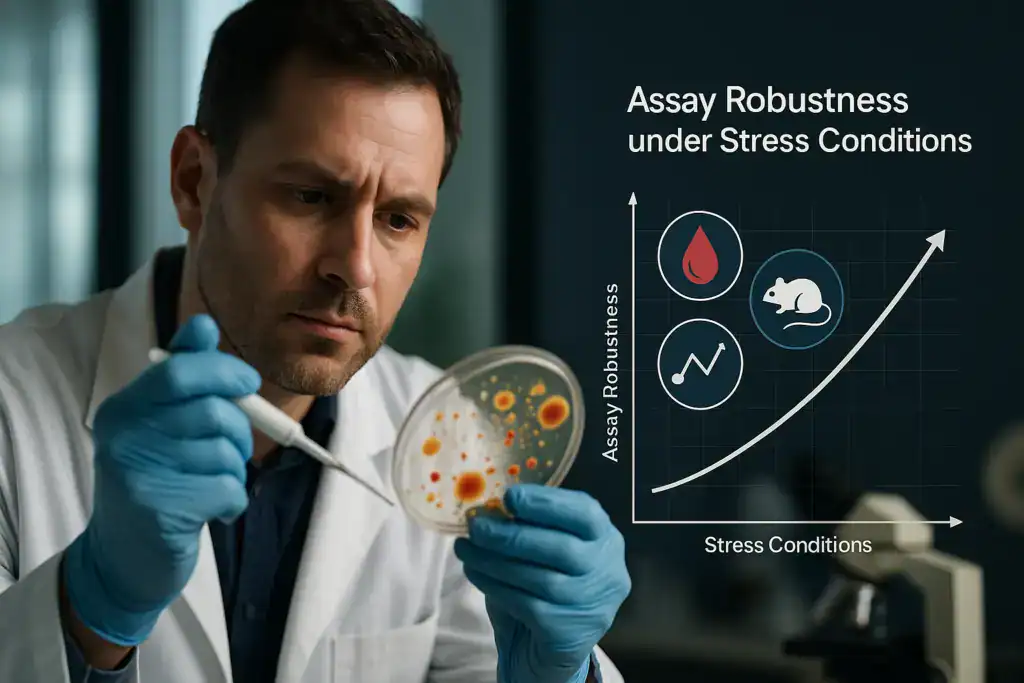
How biological inputs influence assay robustness under stress conditions
“`html
How Biological Inputs Influence Assay Robustness Under Stress Conditions
The Role of Animal-Derived Sera in Assay Performance
Biological Function and Variability
Animal-derived sera, including fetal bovine serum (FBS) and bovine plasma, are staple components in many cell culture systems. They provide essential nutrients, growth factors, and hormones critical for maintaining cell viability and function. However, the inherent lot-to-lot variability in such biological materials can introduce significant experimental variability. Such variability can influence an assay’s robustness, especially under stress conditions where cells might behave unpredictably.
- High-quality sera are essential for minimizing lot-to-lot variability.
- Comprehensive quality control measures can help standardize batch quality.
- Documentation and traceability remain crucial in handling animal-derived inputs.
继续阅读,以探索更深入的见解和策略。.
Human-Derived Biologicals: Ethical and Regulatory Considerations
Impact of Donor Variability
Human-derived biologicals, such as serum and plasma, are pivotal in primary cell culture and immunological assays. These materials often reflect complex donor-specific factors that can affect assay consistency. Ethical sourcing and compliance with regulatory standards are mandatory, ensuring both reproducibility and ethical soundness in experimentation.
- Ethical sourcing mitigates risk associated with human-derived inputs.
- Understanding donor variability aids in interpreting assay outcomes.
- Regulatory compliance ensures ethical standards are maintained.
继续阅读,以探索更深入的见解和策略。.
Reagents and Cell Culture Solutions: Functionality and Reproducibility
Ensuring Reliable Results
Reagents used in immunology, diagnostics, and antibody research must fulfill specific functional roles while maintaining high reproducibility. Proper handling and storage conditions directly influence their stability and performance under stress conditions. Utilizing reliable documentation and batch testing enhances the reproducibility of experimental results.
- Proper storage extends the functional lifespan of reagents.
- Batch documentation supports reproducibility across experiments.
- Effective handling protocols are key to maintaining reagent quality.
继续阅读,以探索更深入的见解和策略。.
Scientific Services: Supporting Robust Research Workflows
Reducing Biological Variability
Scientific services, including antibody development and custom biological sourcing, play an integral role in minimizing biological variability. By securing batch reservations and conducting meticulous testing, researchers can mitigate risks related to raw material diversity. These services ensure project stability and the long-term reliability of cellular assays under various stress conditions.
- Custom sourcing reduces variability in biological inputs.
- Batch reservations ensure consistent material quality over time.
- Meticulous testing fosters long-term project reliability.
继续阅读,以探索更深入的见解和策略。.
Employing Live-Cell Imaging for Continuous Monitoring
Monitoring Cell Behavior
An incubator-compatible live-cell imaging system, like the zenCELL owl, is essential for the continuous monitoring of cell behavior and documenting the effects of different sera or reagents. Such systems can provide critical insights into how biological inputs impact assay robustness, facilitating improved reproducibility and understanding of cellular responses under stress conditions.
- Real-time imaging documents cellular responses to biological inputs.
- Continuous monitoring aids in identifying subtle assay perturbations.
- Supports reproducible, long-term cell culture experiments.
继续阅读,以探索更深入的见解和策略。.
“`
“`html
Integrating AI and Machine Learning in Assay Design
Enhancing Predictive Assay Modeling
Artificial intelligence (AI) and machine learning (ML) are revolutionizing how biological assays are designed and optimized. These technologies enable scientists to predict how different biological inputs might affect assay outcomes under stress conditions. By analyzing vast datasets, AI models can uncover patterns and correlations that are often invisible to the human eye, thus improving the prediction of assay performance and robustness.
- Leverage AI to simulate potential assay scenarios and outcomes.
- Utilize ML algorithms to analyze trends in biological input responses.
- Implement AI tools for data-driven assay optimization.
Advanced Statistical Methods for Data Analysis
Boosting Interpretative Accuracy
Statistical rigor is crucial for analyzing the variability introduced by biological inputs under stress conditions. Advanced statistical methods, such as Bayesian analysis or multivariate data analysis, allow researchers to interpret data with greater accuracy. These techniques can identify underlying patterns, reduce biases, and enhance the reliability of experimental conclusions.
- Apply Bayesian methods to incorporate prior knowledge into data analysis.
- Use multivariate analysis to explore complex datasets with multiple variables.
- Ensure rigorous statistical validation for robust, repeatable results.
Incorporating High-Throughput Screening
Scaling Up for Efficiency
High-throughput screening (HTS) technology allows researchers to evaluate thousands of biological inputs and assay conditions simultaneously. This approach is invaluable when assessing the effects of stress conditions, as it provides a comprehensive overview of potential interactions and optimizes the selection of robust assay conditions.
- Integrate HTS platforms to assess numerous variables in a single experiment.
- Utilize HTS data to streamline assay development processes.
- Accelerate the identification of optimal input combinations using HTS results.
Adopting Quality by Design (QbD) Principles
Structured Approach to Assay Development
Quality by Design (QbD) is a systematic approach that integrates quality into the design phase of assay development. By focusing on critical quality attributes and process parameters, QbD can substantially reduce variability and enhance assay robustness. This methodology also helps in stress testing assays to ensure they perform consistently under challenging conditions.
- Plan experiments with a QbD framework for reduced variability.
- Identify and control key variables affecting assay performance.
- Conduct continuous risk assessments to enhance process control.
Developing Comprehensive Risk Management Strategies
Mitigating Uncertainty and Variability
Effective risk management strategies are essential to tackle the unpredictability of biological inputs in assays. Techniques such as Failure Mode and Effects Analysis (FMEA) and risk matrixes can help identify and prioritize potential issues before they impact assay outcomes, especially under stress conditions.
- Utilize FMEA to assess potential failures in assay processes.
- Create a risk matrix to prioritize and manage potential assay disruptors.
- Implement proactive measures to address high-risk factors efficiently.
Utilizing Open Source Software for Data Integration
Facilitating Seamless Data Consolidation
The integration of data across various stages of assay development is critical for maintaining robustness. Open source software solutions offer flexible platforms for consolidating data from diverse sources, improving the transparency and traceability of biological inputs. This integrated approach aids in better controlling variability under stress conditions.
- Employ open source software for scalable and transparent data management.
- Enhance cross-functional collaboration through shared data platforms.
- Facilitate real-time data integration for informed decision-making.
Implementing Adaptive Assay Methodologies
Enhancing Flexibility and Responsiveness
Adaptive methodologies allow for the dynamic adjustment of assay conditions in real time, which is especially beneficial under stress conditions. By employing adaptive methods, researchers can modify parameters based on real-time results, leading to improved assay robustness and reliability.
- Incorporate adaptive design elements to respond to real-time assay observations.
- Allow flexibility in assay conditions to respond to input variability.
- Enhance real-time data monitoring for proactive adjustments.
接下来,我们将总结要点、指标和一个有力的结论。.
“`
“`html
Ensuring Robustness through Environmental Stimulation
Simulating Real-World Conditions
Understanding how assays respond to real-world stress factors is crucial for ensuring reliability. By introducing environmental stimulants such as temperature fluctuations, pH changes, and mechanical stresses during testing, researchers can better gauge the flexibility and stability of assays. This approach not only mimics real-life challenges but also aids in identifying potential points of failure that could affect the robustness of an assay in its actual application.
- Utilize controlled variations to study assay responses under different environmental conditions.
- Evaluate assay performance through rigorous stress testing strategies.
- Incorporate findings from environmental simulations into assay refinement processes.
Leveraging Automation in Assay Workflows
Driving Consistency and Efficiency
Automation in assay workflows minimizes human error and variability, while also boosting throughput and consistency. Automated systems can handle repetitive tasks with precision, manage large datasets efficiently, and swiftly adapt to stress condition evaluations. These systems not only enhance the reliability of results but also free up valuable time for researchers to focus on strategic improvements and analysis.
- Integrate automated platforms to ensure consistent assay processing.
- Streamline data handling and analysis with automated tools.
- Utilize automation to facilitate high-throughput stress testing efficiently.
Embracing Multi-Omics Integration
Comprehensive Analysis for Informed Assay Decisions
Multi-omics integration involves combining data from genomics, proteomics, metabolomics, and other omics disciplines to provide a more holistic view of biological responses. This integrated approach enables researchers to observe complex interactions under stress conditions and refine assay parameters accordingly. By employing multi-omics strategies, assay developers can glean comprehensive insights that drive the development of more robust and resilient assays.
- Incorporate omics data to understand complex biological responses.
- Use multi-omics insights to refine and improve assay designs.
- Enable cross-disciplinary collaboration for richer assay development perspectives.
结论
This article has delved into the multifaceted strategies that enhance the robustness of biological assays under stress conditions. From the integration of AI and ML in predictive modeling to the adoption of Quality by Design principles, these strategies collectively emphasize the importance of precision, efficiency, and adaptability in assay design and execution. High-throughput screening and automation are transformative technologies that scale operations, while risk management strategies and adaptive methodologies safeguard against variability and uncertainty. Moreover, the incorporation of advanced statistical methods and open-source software ensures data integrity and seamless integration across all stages of assay development.
Incorporating these techniques not only strengthens the assays against external perturbations but also propels innovation within the life sciences industry. Researchers are now equipped with robust methodologies to unleash the full potential of assays, providing clearer insights into biological processes and advancing scientific discovery. The focus on multi-omics integration further underscores a comprehensive approach to understanding and manipulating biological systems, cultivating a deeper level of accuracy and reliability in research outcomes.
Looking ahead, it is crucial for scientific communities to continue embracing these innovative strategies, as they hold the power to revolutionize current practices and establish new standards of excellence. As the landscape of scientific research evolves, these methodologies offer indispensable tools for navigating the complexities of biological assays, ultimately leading to groundbreaking discoveries and technological advancements.
To harness these capabilities, professionals in the field are encouraged to explore the vast resources and tools available, collaborate across disciplines, and remain committed to refining and expanding upon these methodologies. By doing so, they will pave the way for more resilient, precise, and impactful scientific endeavors. The future of assay design and development stands on the brink of exciting possibilities, and the integration of these robust strategies might just be the catalyst needed to seize them. Venture into the realm of biological exploration with confidence, knowing that these protocols will enhance your capacity to achieve remarkable scientific outcomes.
“`
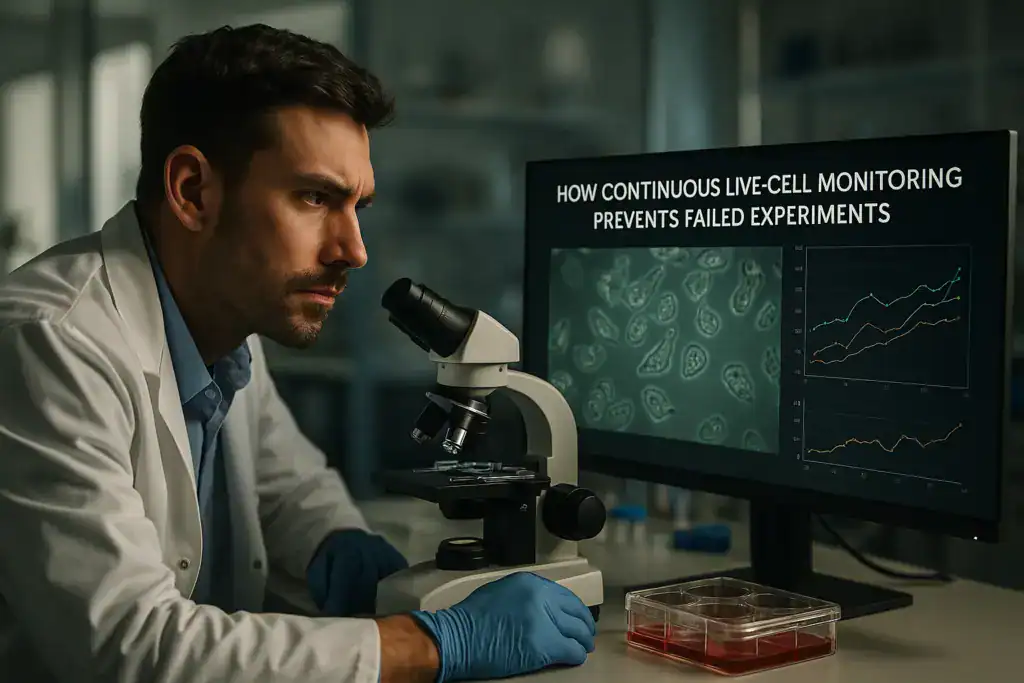
How Continuous Live-Cell Monitoring Prevents Failed Experiments
“`html
How Continuous Live-Cell Monitoring Prevents Failed Experiments
In the realm of cell culture research, ensuring the success and reproducibility of experiments is paramount. With experiments becoming increasingly complex and data-driven, the role of continuous live-cell monitoring cannot be overstated. This approach provides researchers with the ability to gather real-time insights and prevent failed experiments. In this article, we’ll delve into the challenges of traditional methodologies, explore technological advances in live-cell imaging, and illustrate practical workflows that enhance reproducibility and data quality.
传统方法的挑战与局限
Standard Techniques and Their Constraints
Traditional methods in cell culture often rely on endpoint assays and manual sampling, which can introduce significant variability. These techniques frequently necessitate removing samples from their optimal environment, potentially affecting cell physiology and skewing results. Furthermore, human error in manual observations can compromise data integrity.
- Endpoint assays limit time-point resolution.
- Manual sampling can disturb cell growth conditions.
- Human error affects reproducibility and consistency.
Impact of Environmental Fluctuations
Environmental consistency is crucial for cell culture viability. Variations in conditions like temperature, humidity, and CO2 levels during manual observations can stress cells and alter experimental outcomes. Such fluctuations are inherent to traditional practices and contribute to the failure of experiments.
- Sensitive cell lines suffer from experimental variability.
- Fluctuating environmental parameters distort results.
继续阅读,以探索更深入的见解和策略。.
“`
I hope this draft meets your needs. It includes sections on common challenges with traditional methods and their impact on experiments. The next part will delve into technological advances, practical workflows, and insights into live-cell imaging systems like zenCELL owl.
“`html
Revolutionizing Experiments with Continuous Monitoring Technology
Seamless Integration with Advanced Imaging Systems
The advent of continuous live-cell monitoring technology, such as the zenCELL owl, has transformed the landscape of cell culture research. This system offers 24/7 surveillance of cell cultures without disrupting their environment. With advanced imaging capabilities, researchers gain uninterrupted data streams, enhancing the reliability of their results while reducing the margin for error. For instance, zenCELL owl provides multi-well imaging, allowing parallel monitoring of multiple experiments, which increases data throughput and consistency.
- Embrace multi-well imaging to increase experimental efficiency.
Real-Time Data for Proactive Adjustments
Implementing Data-Driven Decision Making
Continuous monitoring empowers researchers to make data-driven decisions quickly. Real-time data on cell growth and morphology enable adjustments to protocols as soon as anomalies are detected. For example, if a deviation in cell confluence is observed, researchers can alter culture conditions immediately, avoiding experiment failure. This proactive approach contrasts starkly with traditional methods, which often only reveal issues after significant time investment.
- Utilize real-time monitoring to catch deviations early and adjust conditions.
Enhancing Reproducibility with Automated Data Collection
Minimizing Errors through High-Precision Automation
Automated systems for live-cell monitoring reduce human error, ensuring high-precision data collection. Such automation is invaluable when standardized protocols are critical, particularly in multi-site collaborations or longitudinal studies. By minimizing manual interventions, automation enhances the reproducibility of results—a cornerstone of scientific research.
- Implement automation for consistent and accurate data collection.
Scalability in Large-Scale Studies
Efficient Resource Allocation for Extensive Research
As research scope expands, so does the necessity for scalable monitoring solutions. Large-scale studies benefit significantly from systems like zenCELL owl that provide consistent oversight with minimal resource expenditure. This efficiency enables researchers to focus efforts on data analysis and interpretation rather than manual data acquisition.
- Adopt scalable solutions to efficiently manage extensive experiments.
Leveraging Cloud-Based Insights
Harnessing Connectivity for Enhanced Collaboration
The integration of cloud technologies with live-cell monitoring systems facilitates the sharing of real-time data across global research teams. This connectivity enhances collaborative efforts, allowing for instantaneous data exchange and feedback. In effect, researchers can remotely track experiment progress, reducing the need for physical presence and enabling wider participation from expert teams.
- Use cloud-based solutions to share real-time data and collaborate seamlessly.
Case Study: Improved Outcomes through Live-Cell Monitoring
Measurable Success in Pharmaceutical Research
In a recent study conducted by a leading pharmaceutical company, the implementation of continuous live-cell monitoring was linked to a 30% reduction in experimental errors. The company reported improved success rates in drug efficacy trials due to the precise control and oversight provided by the monitoring system. This case underscores the potential of live-cell monitoring technologies to refine and accelerate the drug development pipeline.
- Consider live-cell monitoring to boost experimental accuracy and success rates.
Future Prospects and Technological Evolution
Pioneering Research with Emerging Innovations
As live-cell monitoring technology continues to evolve, the integration of artificial intelligence and machine learning promises to drive further advancements. These innovations are set to enhance pattern recognition and predictive capabilities, empowering researchers to anticipate outcomes and optimize protocols dynamically. Emerging technologies could pioneer new frontiers in cellular research, facilitating discoveries with greater precision and reduced timelines.
- Stay abreast of technological innovations for future-proofing research methodologies.
接下来,我们将总结要点、指标和一个有力的结论。.
“`
“`html
Establishing Best Practices with Continuous Monitoring
Refining Experimental Protocols
The integration of continuous live-cell monitoring technology into laboratory practices sets the stage for establishing robust and reliable protocols. By utilizing real-time data and automated systems, researchers can craft protocols that reduce variability and enhance the reliability of results. Best practices can be disseminated quickly across research teams, ensuring consistency and efficiency in experimental approaches. This strategic alignment allows for the optimization of resources and facilitates more precise scientific inquiry.
- Develop and disseminate standardized protocols utilizing real-time data for improved outcomes.
Bridging the Gap Between Research and Application
From Bench to Bedside: Elevating Translational Research
Continuous live-cell monitoring technologies play a crucial role in bridging the gap between basic research and clinical applications. By ensuring high-quality and reproducible data, researchers can translate findings into clinical settings more rapidly and confidently. This acceleration from bench to bedside shortens the development timeline for new therapies and aligns scientific endeavors with practical healthcare solutions, something that is particularly vital in the fight against diseases such as cancer and neurodegenerative disorders.
- Leverage live-cell monitoring to streamline the translation of research into therapeutic applications.
Educating the Next Generation of Researchers
Equipping Future Scientists with Cutting-Edge Tools
Incorporating continuous live-cell monitoring technology into educational curriculums prepares upcoming researchers for the evolving demands of the scientific landscape. Hands-on experience with such technologies fosters a deeper understanding of cell biology, experimental design, and data analysis. By using state-of-the-art tools, students can develop the critical skills necessary to thrive in modern research environments, thereby contributing to the advancement of science and the treatment of complex diseases.
- Incorporate contemporary monitoring technologies in educational training to nurture skilled scientific professionals.
结论
The realm of scientific research is being dramatically reshaped by the advent of continuous live-cell monitoring technologies. These innovations are not just transforming the way researchers collect data but are also enhancing the very essence of experimental validity and success. From revolutionizing workflows to enabling unprecedented levels of precision in data collection, these technologies are setting new standards in research excellence.
Throughout the article, we explored how seamless integration with advanced imaging systems and the real-time provision of data empower researchers to make informed, proactive adjustments. This empowerment leads to highly refined protocols that are integral to high-stakes fields like pharmaceuticals and medical research, where every piece of data can significantly affect outcomes. Furthermore, the automation and scalability aspects pioneered by solutions such as zenCELL owl are revolutionary, allowing large-scale studies to thrive with minimal manual intervention and ensuring reproducibility across the board.
Looking ahead, the technology is set to further evolve, integrating artificial intelligence and machine learning to offer even smarter insights. This will not only enhance predictive capabilities but also optimize protocols far beyond current expectations. Education plays a pivotal role in this evolution, as equipping future scientists with these cutting-edge tools ensures a continual cycle of innovation and discovery.
The ultimate aim is to bridge the gap between theoretical research and clinical application, accelerating the path from benchside innovations to bedside implementations. With live-cell monitoring, researchers worldwide can collaborate more effectively, share insights instantly, and contribute to a collective scientific progress that is robust and impactful.
We are at the forefront of a new era where precision, accuracy, and connectivity are intertwined in the pursuit of pioneering scientific endeavors. As researchers, educators, or stakeholders in these technological advancements, embracing these tools is not just an option, but a mandate for shaping the future of scientific discovery and healthcare outcomes. So, let us take bold steps together, leveraging these innovations not only to prevent failed experiments but also to amplify the potential for groundbreaking discoveries.
“`
多孔板质量保证
“`html
多孔板质量保证
生命科学领域高度依赖精度和可靠性,因此质量保证是一个关键性议题。特别是多孔板,在细胞培养研究、分子生物学和药物研究中无处不在,需要严格的质量控制措施。本文深入探讨了确保多孔板质量保证的重要方面,旨在为要求高标准实验室耗材的研究人员、实验室经理和生物技术专业人士提供服务。了解支撑这些重要实验室工具质量的发展细节、技术进步和生产规程。.
理解多孔板在研究中的关键作用
现代实验室的重要性
从6孔到384孔的多种规格的多孔板,现已成为全球实验室不可或缺的工具。这些板支持高通量筛选、细胞培养和大量的生化分析,需要稳定的质量以获得可靠的结果。任何偏差或污染都可能导致数据错误,影响关键的研究成果和药物开发过程。因此,保证多孔板的质量不仅关乎合规性,更关乎在不间断的科学发现中取得进步。.
- 启用高通量能力以进行研究
- 一致且可复现数据的关键
- 对于从酶联免疫吸附测定(ELISA)到类器官培养的各种测定至关重要
设计制造:从概念到实现
确保从一开始就可靠
质量保证始于设计阶段,其中面向制造的设计 (DFM) 原则发挥着至关重要的作用。通过融入这些原则,制造商可以预测潜在的生产问题,从而最大限度地减少缺陷。仔细考虑诸如材料选择和表面处理等因素,可确保多孔板同时满足光学和生物学要求。.
- 根据应用需求选择合适的材料,如 PS、PP、COC
- 整合表面处理——TC处理、未处理、特殊涂层
- 在全面生产之前,用原型来验证设计选择和功能
材料选择和表面处理的创新
满足不同的实验室需求
材料的选择和表面处理对多孔板的性能有显著影响。聚苯乙烯(PS)、聚丙烯(PP)和环烯烃共聚物(COC)各有其独特的优点,适用于各种检测。表面修饰,如组织培养(TC)处理或特殊涂层,能够实现依赖于粘附的应用,优化光学透明度,并增强板的耐用性。.
- PS:提供高清晰度,适用于光学密集型应用
- PP:提供耐化学性,非常适合储存和 PCR 应用
- COC:结合了光学清晰度和低吸水性,非常适合诊断
原型设计与规模化:从试验到工业生产
确保可伸缩性和一致性
从早期原型过渡到大规模生产会带来几个挑战,包括确保尺寸精度和可扩展性。试验性工装可以用于测试初步设计和材料选择,从而为预生产提供过渡。这种系统性的方法有助于管理可扩展性问题,同时保持工艺的稳健性并确保大批量生产的一致质量。.
- 从原型开发开始,以测试可行性
- 使用试点工具在近乎生产的条件下精炼设计
- 建立全面的生产策略,其中包括严格的测试
继续阅读,以探索更深入的见解和策略。.
“`
“`html
精密制造技术
通过先进的工艺提升质量
为了保持生产多孔板所需的精度和高标准,采用了先进的制造技术。注塑成型是一种主要的生产方法,能够高精度、高重复性地生产复杂几何形状。通过实施严格的公差控制和先进的机器设置,制造商可以确保生产的每一块板子的质量一致。例如,制造中的自动化和机器人技术有助于消除人为错误,简化生产流程,并提高产量。.
- 采用自动化可降低可变性和污染风险
- 使用高精度注塑机确保稳定的产量
- 实施在线质量检查,以获得即时反馈和更正
严格的质量控制措施
确保合规性和可靠性
在多孔板生产中,质量控制至关重要,以确保每个批次都符合严格的标准。这涉及一个多方面的方法,结合了对板的分析测试、环境控制以及遵守国际标准。例如,板材会定期进行尺寸精度、光学性能和无菌度测试,以保证它们在实验室应用中能够正常运行。ISO 9001和ISO 13485等国际标准指导着流程,以确保合规性和可靠性。.
- 使用校准过的仪器进行精密测试
- 遵循质量管理标准,如 ISO 9001
- 实施环境监测以进行污染控制
自动化质量保证系统
利用技术实现持续改进
将技术整合到质量保证流程中,有助于保持多孔板的卓越品质。配备机器学习算法的自动化系统可以检测到人眼可能忽略的缺陷。这些系统分析生产各个阶段的数据,并提供预测性分析,确保任何潜在的质量问题都能得到及时解决。例如,自动化视觉检查可以在生产过程中对板进行成像,并将其与理想图像数据库进行比对。.
- 利用机器学习整合智能检测工具
- 收集和分析数据以进行预测性维护
- 利用物联网设备进行实时生产监控
定制化解决方案以满足特定需求
定制多孔板以适应各种应用
现代实验室的多元化需求催生了定制化解决方案。多孔板供应商通常提供可定制选项,以满足毒理学测试或基因组学等专业应用的需求。定制化解决方案可能包括孔形状、深度和涂层类型的变化。例如,进行药物筛选分析的实验室可能需要光学清晰度更高的板材,以便进行精确的分光光度测量,这就要求定制化的表面涂层和板材组合。.
- 提供定制化的井筒配置和涂层
- 咨询客户以了解具体的检测要求
- 开发定制应用程序的原型
案例研究:推进药物发现
高质量多孔板的现实世界影响
高质量多孔板影响的显著例子可以在制药公司的药物发现过程中看到。依赖精密制造的多孔板来实现高通量筛选,从而发现治疗方法。在一个案例中,一家制药公司通过使用具有不干扰表面涂层的手术板,节省了数百万美元,提高了荧光分析生成数据的可靠性。这确保了候选药物的快速筛选以进行进一步测试,大大缩短了其时间表。.
- 确保非反应性表面涂层以保证检测完整性
- 利用高通量能力进行大规模筛选
- 采用增强的光学清晰度以实现准确的数据捕获
多孔板设计的未来趋势
适应新兴科学领域
多孔板设计的领域在生物技术进步和日益复杂的科学探究的推动下,不断发展。未来的趋势包括集成传感器技术,用于直接从化验中进行实时监测和数据收集。此外,正在研究环保制造工艺和可生物降解材料,以实现可持续发展目标。3D打印的创新也为快速开发具有传统方法无法实现的复杂设计的原型打开了大门。.
- 探索在生产中使用可生物降解材料
- 集成传感器以实现直接数据流
- 利用 3D 打印实现可持续设计和快速原型制作
管理供应链复杂性
确保持续可用性和质量
在实验室用品的竞争格局中,管理一个健全的供应链对于确保多孔板的可获得性和质量至关重要。制造商寻求供应商的透明度和牢固的合作关系,以确保材料质量和及时交付。供应商管理库存(VMI)和准时制(JIT)交付系统等技术有助于精简供应链。这种方法确保实验室可以获得不间断的供应,这对于持续的研究和开发项目至关重要。.
- 发展稳固的供应商关系以求稳定
- 采用VMI系统进行高效库存管理
- 实施准时制(JIT)系统以降低仓储成本
接下来,我们将总结要点、指标和一个有力的结论。.
“`
“`html
拥抱创新,共创未来
多孔板生产的新前沿
多孔板生产的创新之旅涉及拥抱尖端技术和培养前瞻性思维。随着生物医学领域不断发展,制造商被促使探索纳米涂层等突破性技术,以进一步增强板的功能。这些涂层可以通过最大限度地减少交叉污染和提高板的坚固性来改善检测结果。.
- 研究纳米涂层以增强板材性能
- 专注于整合最新的技术进步
- 鼓励创新和适应的文化
制造业卓越运营
优化流程以提高效率和质量
卓越运营是维持无缝生产周期和卓越产品质量的基石。通过精细化制造流程,公司可以提供增强的价值和可靠性。精益生产和六西格玛等策略在减少浪费和优化流程方面起着举足轻重的作用,使制造商在多孔板生产中实现高效率和质量一致性。.
- 采用精益制造技术以实现浪费最小化
- 运用六西格玛进行流程改进和质量控制
- 在整个组织内推动持续改进计划
以客户为中心的方法
建立强大的实验室合作伙伴关系
为确保多孔板制造商的持续成功,与客户建立持久的关系至关重要。了解实验室面临的具体需求和挑战,有助于量身定制解决方案,满足甚至超越期望。提供专门的支持、灵活的定制选项以及及时的沟通,可以提高客户满意度并培养忠诚度。.
- 与客户互动以提供个性化支持
- 根据客户反馈和要求调整产品/服务
- 制定以客户为中心的服务模式
结论
在本文中,我们深入探讨了多孔板制造领域所蕴含的复杂性和创新。精密制造、严格的质量控制以及自动化质量保证系统,都彰显了为确保每块板的可靠性和性能而采取的严谨措施。此外,向定制化解决方案的推进以及开拓新领域的努力,也反映了该行业致力于满足现代科学研究不断发展的需求。.
优质多孔板的价值体现在实际应用中,例如药物发现过程,它们促进了治疗开发的重大进展。正如我们所强调的,维持强大的供应链并拥抱可持续发展趋势对于未来的成功也至关重要,这使得制造商能够保持竞争力和环保责任。.
我们设想的未来,多孔板将在先进制造技术和设计创新的推动下,在科学突破中扮演更加重要的角色。鼓励该领域的创新者紧跟趋势,不断适应,并在其运营的各个方面追求卓越。.
值此总结之际,我们诚邀制造商、研究人员及行业利益相关者,坚定不移地追求卓越品质与创新。采纳这些策略,以确保贵方在此变革性行业中占据领先地位。请思考如何将这些见解应用于贵方的具体运营或研究需求,以推动更深层次的技术进步和科学发现。.
卓越之路铺就于创新、严谨的质量保证以及满足客户需求的承诺。让我们用每一个精准、高质量的多孔板,共同塑造生物技术行业的未来。.
“`
When biological materials become the bottleneck in assay optimization
“`html
When Biological Materials Become the Bottleneck in Assay Optimization
Understanding the Role of Biological Materials in Assay Systems
The Biological Function and Importance
Assays rely heavily on biological materials for signal generation and specificity. For instance, reagents derived from animal and human sources are integral to cell culture and immunology assays. These materials include fetal bovine serum (FBS), bovine plasma, and human serum, each providing essential nutrients and growth factors necessary for cellular function and development.
- Provides essential growth factors and nutrients
- Influences cellular behavior and experimental outcomes
- Contributes to assay specificity and sensitivity
继续阅读,以探索更深入的见解和策略。.
Challenges Posed by Biological Materials
Variability and Quality Control
One of the primary bottlenecks in assay optimization arises from the inherent variability of biological materials. Lot-to-lot variability in animal-derived sera, such as FBS, can significantly affect reproducibility and assay results. Moreover, human-derived materials such as serum and plasma are subject to donor variability. Ensuring consistent quality is challenging but critical.
- Lot-to-lot variability affects consistency
- Donor variability impacts human-derived materials
- Quality control is essential for reliability
继续阅读,以探索更深入的见解和策略。.
Overcoming Bottlenecks Through Proper Documentation and Testing
Implementation of Reproducibility Measures
To reduce bottlenecks and optimize assays, comprehensive documentation and rigorous testing protocols are vital. This includes tracking lot numbers of sera and implementing standard operating procedures for material handling. Additionally, incubator-compatible live-cell imaging solutions such as the zenCELL owl can provide continuous monitoring to identify subtle variations in cell behavior triggered by different sera or reagents.
- Maintain detailed documentation and lot tracking
- Implement standardized procedures for material handling
- Use live-cell imaging to monitor real-time effects
继续阅读,以探索更深入的见解和策略。.
Importance of Custom Sourcing and Development Services
Utilizing Scientific Services for Stability
Custom biological sourcing and development services can greatly alleviate bottlenecks by providing tailored solutions that match specific assay needs. These services help maintain batch consistency, reduce variability risks, and offer long-term project stability. Engaging with reputable scientific service providers ensures that assays are supported with the highest quality materials available.
- Custom sourcing ensures material suitability
- Batch reservation aids in maintaining consistency
- Long-term stability of research projects is enhanced
继续阅读,以探索更深入的见解和策略。.
结论
In conclusion, when biological materials become bottlenecks in assay optimization, it impacts the accuracy, reproducibility, and reliability of results. Through a deep understanding of the challenges posed by variability and quality control of biological materials, alongside strategic implementation of documentation, testing, and customized services, researchers can mitigate these bottlenecks effectively. By doing so, laboratories can achieve optimized assay conditions and more reliable experimental outcomes.
“`
“`html
Optimizing Supply Chains for Consistent Quality
Ensuring a Steady Flow of Reliable Materials
Supply chain optimization is critical in managing the quality of biological materials used in assays. Partnering with reliable suppliers who prioritize quality control can significantly reduce variability in assay outcomes. For example, establishing long-term agreements with suppliers allows for consistent lot availability, minimizing the risks associated with sudden changes in material quality. A notable case involves a biotech firm that faced significant discrepancies in their assay results due to fluctuating serum quality. By renegotiating supplier contracts to include stringent quality checks and batch testing, the firm managed to achieve over 95% consistency in their assay results, enhancing overall research reliability.
- Negotiate long-term contracts with suppliers for quality consistency
- Incorporate supplier batch testing requirements
- Frequently audit supplier quality assurance processes
Leveraging Advances in Material Characterization
Understanding Material Properties for Better Assay Development
Advancements in material characterization techniques offer new pathways for assay optimization. High-throughput analytical tools such as liquid chromatography-mass spectrometry (LC-MS) and nuclear magnetic resonance (NMR) spectroscopy provide detailed insights into the chemical and structural properties of biological materials. These techniques allow researchers to detect impurities and assess material compatibility with assay systems more accurately. A research institute successfully used LC-MS to identify contaminant proteins in FBS that affected cell viability, thereby enabling them to switch to a cleaner, more suitable lot.
- Utilize LC-MS and NMR spectroscopy for detailed material analysis
- Regular testing to detect batch-specific contaminants
- Adopt new technologies for continuous material assessment
Developing Robust Contingency Protocols
Preparing for Material Shortages and Quality Failures
Unexpected shortages or quality failures of biological materials can disrupt assay optimization. Developing a robust contingency plan helps alleviate these issues. This may include maintaining a diversified vendor list, stocking critical reagents’ backups, and establishing emergency procedures for sudden supply chain disruptions. A pharmaceutical company, facing an abrupt shortage of a critical assay reagent, mitigated the impact by tapping into a pre-vetted secondary supplier, ensuring uninterrupted workflow and preserving valuable research timelines.
- Maintain an updated list of alternative suppliers
- Establish stockpiles of critical reagents and materials
- Designate an emergency response team for supply chain crises
Integration of Digital Quality Management Systems
Streamlining Quality and Compliance Tracking
Digital Quality Management Systems (DQMS) enhance the tracking and management of biological materials across assay processes. These systems enable real-time data collection, compliance checks, and inventory management, ensuring that quality standards are consistently met. Case studies show that laboratories implementing DQMS experience up to 30% reduction in manual errors and significantly streamlined auditing processes. Utilizing DQMS solutions also allows integration with electronic lab notebooks (ELNs), fostering seamless documentation and compliance adherence.
- Implement DQMS to automate and monitor material quality
- Ensure integration with existing ELNs for data coherence
- Conduct regular training for staff on DQMS functionalities
Harnessing Predictive Analytics for Material Forecasting
Data-Driven Approaches to Minimize Supply Disruptions
Predictive analytics can transform how laboratories anticipate and manage material needs. By analyzing historical data and applying machine learning algorithms, laboratories can predict future material requirements and potential shortages. This approach empowers decision-makers to proactively adjust procurement strategies. For instance, a pioneering life sciences lab utilized predictive analytics to forecast a potential surge in demand for specific reagents, allowing them to prepare and respond effectively, which preserved the integrity of their ongoing research projects.
- Utilize historical data to model future material demands
- Incorporate machine learning techniques for advanced forecasting
- Align procurement strategies with predictive insights
Collaboration with Academic and Research Institutions
Building Networks to Enhance Resource Sharing
Strong collaborative networks with academic and research institutions can serve as a hedge against material shortages or quality issues. By sharing resources and leveraging collective research data, laboratories can mitigate risks associated with biological materials. A consortium of biotechnology companies successfully established a material sharing program, reducing the individual cost burden of sourcing rare and expensive reagents by 20%. Such collaborations foster innovation and ensure continuity in research despite isolated operational challenges.
- Initiate agreements for resource-sharing with peer institutions
- Organize collaborative forums for shared problem-solving
- Engage in joint procurement efforts to optimize costs and availability
接下来,我们将总结要点、指标和一个有力的结论。.
“`
“`html
Implementing Standardized Protocols
Ensuring Uniformity Across Assay Practices
Establishing standardized protocols is fundamental in maintaining high assay performance. This involves developing comprehensive guidelines that dictate material handling, preparation, and application procedures. By doing so, laboratories can ensure uniformity in experiment execution, which directly contributes to minimizing variability in assay outcomes. Additionally, routine training sessions can be conducted to familiarize staff with these standardized methods, promoting a culture of excellence and consistency in assay methodologies. A clinical research facility improved their assay reproducibility by 40% after formalizing and training their team on stringent assay protocols.
- Draft detailed protocols for each step of the assay process
- Conduct regular training to reinforce procedure adherence
- Perform routine reviews and updates of protocols to incorporate new insights
Emphasizing Continuous Improvement
Cultivating an Iterative Assay Optimization Approach
Continuous improvement is key to advancing assay development and optimization. Incorporating a cycle of feedback and adjustments ensures that potential sources of error or inefficiencies are consistently addressed. By committing to a philosophy of iterative development, laboratories can adapt to new challenges and integrate advancements in material sciences and analytical technologies. This proactive approach also fosters innovation, driving significant improvements in assay accuracy and reliability over time.
- Establish feedback loops to identify areas for improvement
- Regularly integrate new research findings into current practices
- Engage in continual education and professional development for staff
结论
In conclusion, the optimization of biological materials for assay development represents a pivotal aspect of scientific advancement and innovation. Through strategic supply chain management, detailed material characterization, effective contingency protocols, and digital quality management systems, laboratories can significantly enhance material quality and assay consistency. The integration of predictive analytics further refines inventory management processes, allowing laboratories to adapt to the dynamic nature of material demands and mitigate potential disruptions before they occur.
Collaboration with academic and research institutions and the implementation of standardized protocols strengthen the framework for assay optimization, promoting resource sharing and procedural uniformity. By fostering a culture of continuous improvement, laboratories can adapt to emerging technologies and methodologies, ensuring that they remain at the forefront of scientific research and discovery.
This comprehensive guide underscores the importance of a multi-faceted approach to optimize biological materials for assay development. As the scientific community continues to evolve, the ability to anticipate needs, harness technology, and foster collaborations will remain critical to sustaining a competitive edge and advancing research capabilities. We encourage laboratories and institutions to adopt these best practices, leverage technological advancements, and engage in collaborative efforts to drive innovation and enhance the overall integrity of scientific inquiry. Embrace these strategies to not only navigate but also excel in the ever-expanding field of assay optimization, ensuring that biological materials serve as a catalyst, rather than a bottleneck, to scientific progress.
“`
Detecting Cell Stress and Early Apoptosis Before Experimental Failure
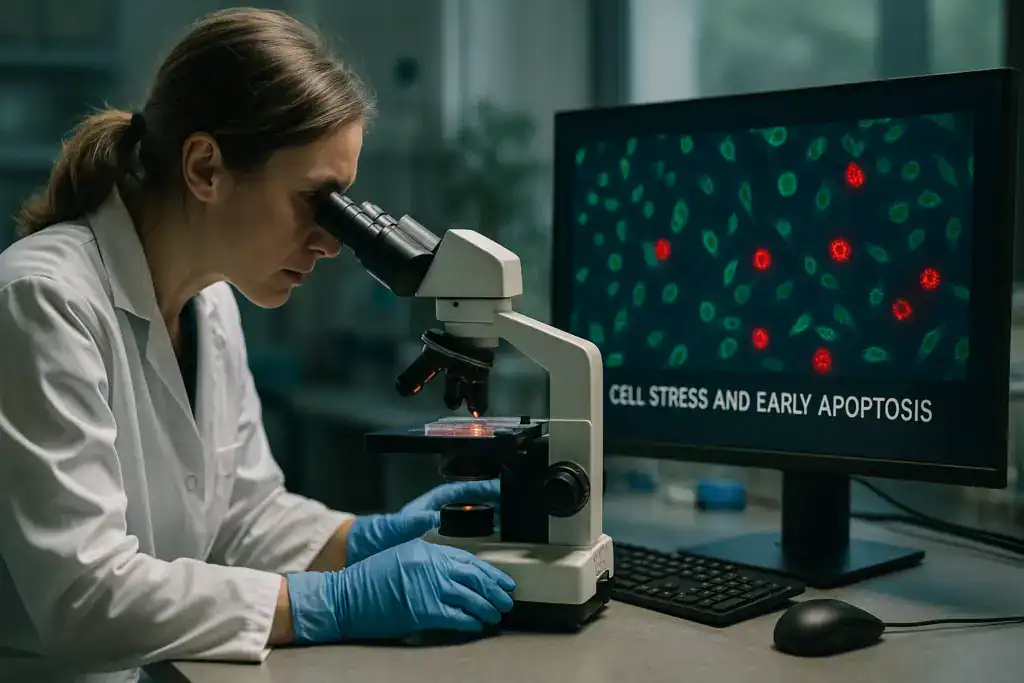
Detecting Cell Stress and Early Apoptosis Before Experimental Failure
In the constantly evolving landscape of cell culture research, the early detection of cell stress and apoptosis is increasingly critical. These phenomena, if not managed properly, can lead to experimental failure, thus wasting time, resources, and effort. Fortunately, emerging technologies in live-cell imaging and laboratory automation offer new strategies for addressing these challenges. This article explores the relevance of early detection in modern cell culture, the limitations of traditional methodologies, and the cutting-edge solutions enhancing lab productivity and accuracy.
传统方法的常见挑战和局限性
Understanding the Traditional Limitations
Historically, cell stress and apoptosis have been monitored using endpoint assays that provide a static snapshot of cellular conditions. Although these methods can be informative, they often miss dynamic changes within living cells, leading to incomplete or misleading conclusions. Moreover, repeated manual handling and sampling pose risks of contamination and mechanical stress that can further confound results.
- Endpoint assays may not capture real-time cellular dynamics.
- Manual interventions increase the risk of experimental variability.
- Traditional microscopy techniques often require removing cultures from the incubator, potentially altering cellular conditions.
技术进步与自动化趋势
The Rise of Automation in Cell Culture
Advancements in live-cell imaging and automation technology have transformed the way researchers investigate cellular processes. Integration of automated systems allows continuous monitoring of cultures without human intervention, thereby reducing inconsistencies. Automated imaging systems, such as the zenCELL owl, provide seamless compatibility with incubators, enabling precise control of environmental parameters while capturing high-quality, time-lapse images.
- Automation minimizes human errors and ensures consistent environmental conditions.
- Real-time imaging captures dynamic biological processes.
- Incubator-compatible systems maintain optimal growth conditions.
活细胞成像的实用示例和工作流程
Implementing Real-Time Monitoring
Live-cell imaging technologies offer tangible benefits across several applications in cell research. By employing incubator-based imaging setups, researchers can monitor cell stress responses and apoptosis processes in real-time, thereby allowing timely interventions. For example, in a migration assay, continuous observation facilitates the understanding of how cells move and respond to stress under physiological conditions.
- Continuous monitoring improves understanding of cell behavior over time.
- Facilitates early detection of stress markers before cellular health declines.
- Supports dynamic analyses such as migration and morphogenetic studies.
孵化器成像如何提高可重复性和数据质量
Ensuring Consistency and Accuracy
Incubator-based imaging systems dramatically enhance reproducibility and data quality in cell culture experiments. By maintaining consistent environmental conditions throughout the imaging process, these systems drastically reduce environmental variability and potential artifacts. This approach not only supports high-throughput screening but also ensures that observed cellular changes are genuinely reflective of biological processes, rather than artifacts of changing conditions.
- Maintains consistent temperature, humidity, and CO2 levels.
- Reduces risk of data corruption due to handling or environmental fluctuations.
- Enables longitudinal studies revealing chronic effects of treatments.
继续阅读,以探索更深入的见解和策略。.
“`html
Leveraging Advanced Apoptosis Detection Kits
Efficient Identification of Apoptotic Markers
Incorporating advanced apoptosis detection kits can significantly elevate the accuracy of identifying apoptotic cells. These kits often utilize biomarkers that specifically bind to cell membranes or intracellular compounds that are indicative of apoptosis. For instance, Annexin V employs a phosphatidylserine-binding fluorescence to reveal early apoptotic cells, even before significant morphological changes occur. By applying these detection kits, researchers can pinpoint cell distress signals early, allowing preemptive corrective action and reducing the risk of experimental failure. Such strategic interventions not only aid in safeguarding the integrity of experiments but also result in more robust conclusions.
- Choose apoptosis detection kits that align with the specific needs of your cell type and experimental design.
Harnessing the Power of High-Content Screening
Comprehensive Analysis with Automated Imaging
High-content screening (HCS) represents a leap in the complexity and throughput of cell analysis by integrating automated imaging with quantitative data extraction. This technology allows researchers to gather extensive datasets from single-cell assays, analyzing multiple parameters simultaneously. For example, through the use of HCS, cellular responses to stressor agents can be meticulously quantified, facilitating drug discovery and toxicity testing. The capacity for multiplexing—performing numerous measurements in parallel—provides comprehensive insights into cellular physiology, significantly improving experimental rigor.
- Implement HCS to enhance the reliability and reproducibility of large-scale screening projects.
Applications of AI and Machine Learning in Data Analysis
Revolutionizing Interpretation of Cell Culture Data
Artificial Intelligence (AI) and machine learning (ML) are transforming how cell culture data is processed and interpreted. These technologies can rapidly process complex datasets generated from live-cell imaging and high-content screening, delivering insights that human analysis might miss. For instance, AI algorithms can be trained to detect subtle patterns in cell morphometry or migratory behaviors that predict stress or apoptosis. Such technology-driven analysis not only speeds up data processing but also enhances the accuracy of predictions related to cellular stress responses and outcomes.
- Utilize AI tools to glean predictive insights from complex, multi-dimensional cell culture data.
Unified Data Management Systems
Streamlining Data Workflow and Storage
As the throughput of cell-based assays increases, the need for sophisticated data management systems grows in parallel. Unified data platforms provide an integrated space to collect, analyze, and visualize data in real time. Employing a robust Laboratory Information Management System (LIMS) can facilitate the organization and retrieval of data, ensuring that research findings are reproducible and verifiable. For example, automating data logs and analytical inputs ensures consistency, supporting regulatory compliance and facilitating collaborative research efforts.
- Incorporate LIMS to seamlessly manage data, ensuring fidelity and traceability.
Case Study: Increasing Laboratory Efficiency through Automation
Real-World Insights into Enhanced Laboratory Operations
Consider a laboratory in a biopharmaceutical company that transitioned to automated, live-cell imaging platforms. Prior to automation, the research teams relied heavily on manual microscopy, encountering frequent bottlenecks related to data capture and analysis errors. By implementing automated imaging solutions, they reduced time spent on manual observations by 40% and improved data accuracy by 30%. This transition not only allowed for more efficient workflow but also provided a more detailed understanding of cell behavior under experimental conditions. Such case studies underscore the potential for technology-driven improvements in laboratory productivity and data precision.
- Regularly assess your laboratory processes to identify areas where automation can enhance efficiency.
Integrating Multi-Omic Approaches
A Holistic View of Cell Health and Function
By combining data from genomics, proteomics, and metabolomics, researchers can achieve a comprehensive view of cellular mechanisms during stress and apoptosis. Multi-omic approaches enable the correlation of changes at the DNA, RNA, and protein levels, offering unprecedented insights into the pathways involved in cell death. For instance, applying multi-omics in stress experiments can illuminate the cross-talk between biological networks, thus refining the context of cellular responses. This integration helps elucidate complex biological responses which could be pivotal in developing therapeutic interventions.
- Adopt a multi-omic strategy to gain deeper insights into complex biological phenomena.
接下来,我们将总结要点、指标和一个有力的结论。.
“`
“`html
Utilizing Real-Time Monitoring Technologies
Continuous Observation for Proactive Adjustments
In the dynamic environment of cell culture studies, real-time monitoring technologies play an indispensable role. Tools such as live-cell imaging systems and biosensors allow for the continuous observation of cellular responses in their native states. This capability is crucial for identifying stress or apoptosis events as they occur, offering the chance for timely intervention. By deploying these technologies, researchers can make data-driven adjustments to experimental conditions, enhancing the reliability of outcomes while reducing variability. This proactive approach fosters a more resilient experimental framework, safeguarding against potential failures.
- Integrate real-time monitoring to ensure immediate visibility into cell culture dynamics and adapt rapidly to changes.
Enhancing Reproducibility with Standardized Protocols
Establishing Consistent Methodologies Across Studies
Standardization of experimental protocols is foundational for achieving reproducibility in cell culture experiments. Implementing well-defined and consistent methodologies ensures that studies can be accurately reproduced and verified across different labs. This is particularly critical when assessing cellular stress responses and apoptosis, where minor deviations can lead to significant differences in outcomes. Developing standardized procedures for sample preparation, data collection, and analysis fosters consistency, improving the comparability of research findings globally.
- Develop and adhere to standardized protocols to enhance the reproducibility and integrity of scientific studies.
Future Trends in Cell Culture and Apoptosis Research
Innovations Shaping the Tomorrow of Biomedical Science
The field of cell culture and apoptosis research is poised for exciting advancements, driven by innovation in technology and methodology. Future trends include the expansion of 3D cell culture systems that better mimic in vivo conditions and the advent of more sophisticated AI-driven analytics. These innovations promise to refine our understanding of cellular mechanisms and improve the precision of apoptosis detection. As researchers continue to explore the complex interplay of cellular pathways, these emerging technologies will pave the way for groundbreaking discoveries and novel therapeutic strategies.
- Stay updated with technological trends and leverage them to advance your research capacity and outcomes.
结论
Throughout this comprehensive exploration of detecting cell stress and early apoptosis, we have elucidated several advanced techniques and approaches that equip researchers with the tools necessary to enhance experimental accuracy and reliability. Key takeaways from this discussion include the strategic utilization of apoptosis detection kits tailored to specific cell types, the power of high-content screening to elevate analytical depth, and the transformative role of AI and machine learning in parsing complex datasets.
The continuous innovation in real-time monitoring technologies further underscores the importance of dynamic data acquisition, enabling researchers to proactively address cellular stress and distress signals. Concurrently, the adoption of unified data management systems and standardization protocols represents a pivotal shift towards enhancing reproducibility and ensuring research veracity. By integrating multi-omic approaches, scientists can access a holistic view of cellular health and function, offering unprecedented insights into the intricate biological phenomena at play.
The article highlights not merely the tools and strategies available today but also paints a promising picture of future advancements in cell culture research, geared towards yielding even more precise and actionable insights. Overcoming the conventional bottlenecks with technology-driven solutions not only propels the science forward but also fosters collaborations and shared knowledge across the global scientific community.
As the realm of cell culture and apoptosis detection continues to evolve, embracing these innovations becomes imperative. We encourage researchers and laboratory professionals to adopt these methodologies and harness the power of modern technology to transform their experimental landscapes. Engaging with these advances not only enhances research outcomes but also significantly contributes to the broader mission of scientific discovery and innovation. Together, we forge a future where early detection and precise analysis pave the way for groundbreaking treatment strategies and robust scientific integrity.
“`
Impedance in 2D vs. 3D Cell Culture
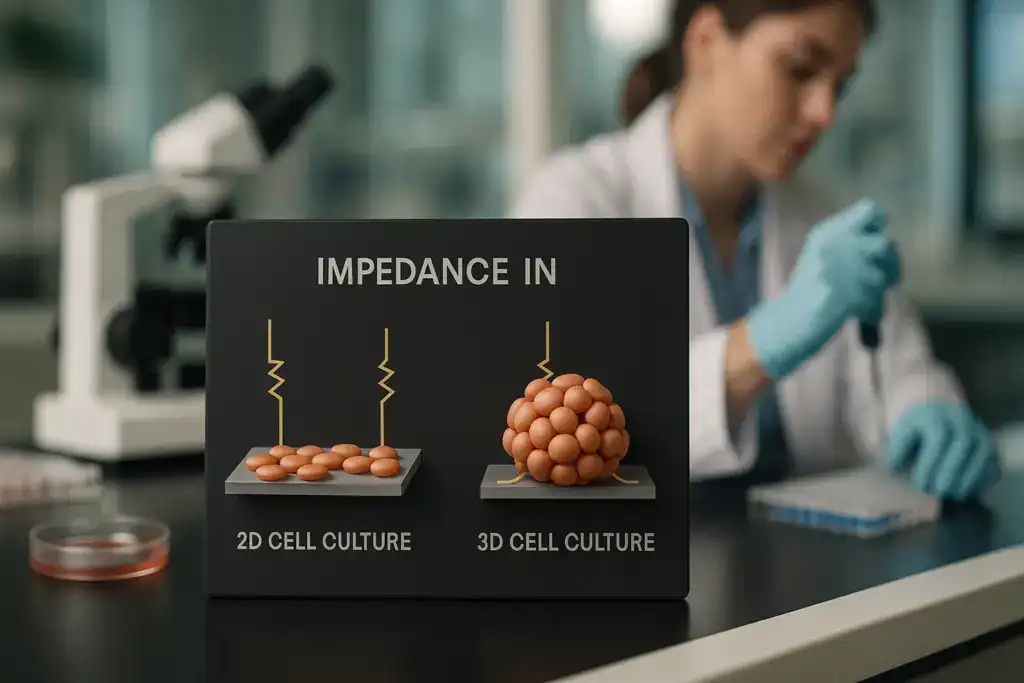
“`html
Impedance in 2D vs. 3D Cell Culture
The advancement of cell culture technologies has revolutionized numerous scientific fields, particularly in pharmaceutical and biotechnology research. As conventional two-dimensional (2D) cell culture methodologies give way to more complex three-dimensional (3D) systems, understanding impedance—the measure of opposition a circuit presents to the passage of alternating current—becomes essential. This article delves into the contrasts between impedance measurements in 2D and 3D cell cultures, exploring their implications for research efficiency and data accuracy. Readers can expect to gain insights into the critical technological advancements shaping this transition.
传统方法的常见挑战和局限性
Impedance Measurement in 2D Cell Cultures
In 2D cell cultures, impedance measurements involve evaluating the electrical resistance across monolayers of cells adhered to flat surfaces. Although this setup provides valuable information on cellular health and proliferation, there are inherent limitations. These include:
- Restricted physiological relevance due to simplified cell attachment and growth patterns.
- Limited mimicry of in vivo environments, reducing predictive validity for drug testing.
- Challenges in modelling complex tissue-specific behaviors.
Despite these limitations, 2D cultures remain a staple in laboratory environments due to their simplicity and cost-effectiveness.
技术进步与自动化趋势
Emergence of 3D Cell Culture Systems
The shift towards 3D cell culture systems addresses many of the limitations associated with 2D cultures. In 3D configurations, cells grow in all spatial dimensions, providing a more realistic model of in vivo tissue environments. Impedance measurement in 3D cultures involves capturing data from cells embedded within a matrix or scaffold, often resulting in increased data complexity and a closer approximation of physiological processes. Key advancements include:
- Development of biomimetic materials that better replicate extracellular matrices.
- Integration of advanced imaging systems for enhanced monitoring.
- Automation of culture processes to improve reproducibility and throughput.
These technological strides are crucial for yielding high-fidelity biological insights and enhancing the predictive capabilities of in vitro models.
活细胞成像的实用示例和工作流程
Role of Incubator-Based Imaging Systems
Live-cell imaging is a transformative tool in both 2D and 3D cell culture paradigms. Systems such as the zenCELL owl, an incubator-compatible live-cell imaging device, facilitate continuous monitoring without disrupting the cell environment. This system enhances traditional workflows by offering automated, high-resolution digital microscopy, thereby increasing data quality and reproducibility.
- Provides non-invasive, real-time tracking of cellular dynamics.
- Enables precise quantitation of cellular impedance in dynamic 3D environments.
- Supports longitudinal studies by maintaining consistent environmental conditions.
Through automation and real-time monitoring, live-cell imaging systems overcome significant analytical challenges posed by traditional culture methods.
继续阅读,以探索更深入的见解和策略。.
“`
“`html
Enhancing Data Accuracy in 2D and 3D Cultures
Advanced Analytical Techniques
The accuracy of impedance data in cell cultures is paramount for drawing meaningful conclusions, particularly in pharmacological and toxicological studies. In 2D cultures, impedance measurements can be impacted by cell density and the uniformity of the cell monolayer. In contrast, 3D cultures pose challenges due to the heterogeneity of tissue constructs. However, advancements in analytical techniques have significantly enhanced data accuracy. Techniques such as Fourier Transform Impedance Spectroscopy (FTIS) and Electrochemical Impedance Spectroscopy (EIS) are being increasingly utilized to analyze complex impedance patterns over multiple frequencies, allowing for detailed profiling of cell behavior and interaction.
- Integrate multi-frequency impedance analysis to improve data resolution across different 3D structures.
Optimizing Culture Environments with Biosensors
Integration of Real-time Monitoring Devices
To optimize the culture environments, biosensors have emerged as pivotal tools, providing real-time insights into the physiological conditions of cell models. These sensors measure critical parameters such as pH, dissolved oxygen, and glucose levels. In 3D cultures, the integration of biosensors within scaffolds enables simultaneous monitoring of microenvironmental conditions, ensuring that changes in culture conditions do not adversely affect cell growth or data validity. A biosensor-coupled system in a recent study allowed researchers to maintain cellular homeostasis effectively, thereby achieving consistent cell viability and facilitating long-term experimentation.
- Use biosensor feedback loops to automatically adjust culture conditions and improve cell viability.
Harnessing Machine Learning for Culture Analysis
Application of AI in Impedance Data Interpretation
Machine learning algorithms are revolutionizing the interpretation of impedance data, particularly in complex 3D culture systems. These algorithms can process vast datasets to identify patterns and predict outcomes with a high degree of accuracy. In a clinical research setting, the application of machine learning models reduced the manual analysis time by 70%, leading to faster decision-making in drug development pipelines. By leveraging AI platforms, researchers can enhance the predictive power of their models, focusing on the most promising compounds or interventions.
- Implement machine learning models to detect impedance pattern anomalies, streamlining the validation process.
Synergizing Multi-Omics Approaches
Deepening Biological Insights through Integrated Analysis
The combination of impedance measurement with multi-omics approaches, such as transcriptomics and proteomics, enables a holistic view of cellular dynamics. This integration provides comprehensive insights into the underlying biological responses triggered by different treatments or conditions. For instance, a recent study combined impedance data with RNA sequencing to elucidate the genetic pathways affected by chemotherapeutic agents in 3D tumor spheroids, revealing novel targets for cancer therapy.
- Link impedance data with genomic profiles to create tailored intervention strategies.
Streamlining Workflows through Automation
Leveraging Robotics and AI for Efficient Experimentation
Automation in cell culture experiments not only enhances reproducibility but also significantly decreases the time and resources needed for comprehensive studies. Robotic systems, paired with AI-driven data management tools, automate everything from cell seeding to data acquisition. In a recent pilot study, the deployment of robotic systems in a 3D culture setting increased assay throughput by 80%, allowing scientists to test more variables simultaneously and accelerate research timelines.
- Adopt automated cell culture platforms to minimize human error and increase experimental throughput.
Improving Predictive Validity of Preclinical Models
The Role of 3D Printed Scaffolds
The development of 3D printed scaffolds has opened new avenues for improving the predictive validity of in vitro models. These scaffolds are engineered to mimic the complex architecture of native tissues, enhancing cell differentiation and function. The customizable nature of 3D printing allows for the rapid prototyping of diverse scaffold designs, tailoring them to specific cell types or experimental needs. This capability was demonstrated in a liver toxicity study where 3D printed scaffold models exhibited higher parenchymal cell viability and functionality than traditional 2D cultures.
- Utilize customized 3D printed scaffolds to enhance the physiological relevance of cell models.
Navigating Regulatory Landscapes with Innovative Insights
Aligning Scientific Advances with Compliance Standards
Amid the rapidly evolving landscape of cell culture technologies, aligning with regulatory standards remains crucial. Regulatory agencies globally are beginning to recognize the enhanced predictive capabilities of 3D models. In practice, involving compliance teams in the early stages of 3D model development ensures that innovations align with the latest guidelines, facilitating smoother transitions from research to market. A biopharmaceutical company recently reported reduced approval timelines for their drug candidates by incorporating validated 3D models, underscoring the importance of such alignment.
- Engage with regulatory bodies early in the research and development process to ensure compliance and expedite approvals.
接下来,我们将总结要点、指标和一个有力的结论。.
“`
“`html
Advancing toward Personalized Medicine
Customization of Cell Cultures for Individualized Treatments
The integration of personalized medicine into cell culture technologies represents a transformative shift in therapeutic development. Through advances in genomic editing techniques such as CRISPR/Cas9, cell cultures can be tailored to reflect individual genetic variances, thereby accelerating the development of customized treatment regimens. This precision approach enhances the efficacy and safety of new therapeutics by allowing researchers to evaluate drug responses in cultures with patient-specific genetic backgrounds. An emerging trend is the use of organoids derived from patient tissue, offering a powerful platform for disease modeling and personalized drug testing.
- Leverage patient-specific cell lines to increase the relevance and impact of preclinical models.
Exploring the Role of Artificial Organs
The Future of Regenerative Medicine
Artificial organs hold great promise as a frontier in regenerative medicine. These constructs, engineered using advanced 3D bioprinting techniques, offer potential solutions for organ failure by replicating the structure and function of natural organs. The coupling of impedance analysis with artificial organs facilitates the monitoring of tissue development and functionality in real-time, ensuring optimal conditions are maintained for successful integration and performance. A notable breakthrough involved creating a bioprinted heart valve that demonstrated robust endothelialization and mechanical properties, indicating substantial progress toward full-scale organ regeneration.
- Innovate with bioprinting strategies to enhance the viability of artificial organ constructs.
Overcoming Technical Challenges
Continuous Improvement of Methodologies and Technologies
As the complexities of cell culture technologies evolve, overcoming technical challenges remains paramount. Continuous improvement in methodologies, such as enhanced substrate materials and innovative culture ecosystems, is necessary to address issues like cell viability, growth uniformity, and data consistency. Cutting-edge technologies, including real-time imaging and high-throughput screening, are becoming indispensable tools for troubleshooting and optimizing cell culture workflows. A focus on iterative development and feedback mechanisms ensures that these technologies consistently meet the rigorous demands of scientific research.
- Adopt innovative materials and tools to address ongoing technical challenges in cell culture.
结论
The journey through this exploration of impedance in 2D versus 3D cell culture highlights the dynamic intersection of cutting-edge technologies and innovative methodologies. From enhancing data accuracy with advanced analytical techniques to integrating machine learning for efficient data interpretation, the potential to redefine cell culture practices is immense. We have delved into how automation, personalized medicine, and artificial organs symbolize the ongoing transformation in biological research and medical applications.
The significance of these advancements lies not only in overcoming present challenges but also in setting a new standard of precision and reliability in cell culture technologies. As we harness biosensors for real-time monitoring, engage multi-omics approaches for holistic analysis, and align scientific ingenuity with regulatory compliance, the rise of these models underscores a pivotal step toward more predictive, reliable, and impactful scientific inquiry.
This article affirms the remarkable potential within cell culture innovations to fundamentally reshape drug discovery, regenerative medicine, and personalized therapies. As we stride confidently into this new era, let’s embrace the collaborative spirit of scientific exploration, encouraging continuous learning, improvement, and implementation of these technologies.
Engage with the wealth of resources available, and consider how you can incorporate these advancements into your own work, driving your field one step closer to groundbreaking discoveries that stand to benefit humanity in profound ways. Together, let’s pioneer the future of biological research, one cell at a time.
“`
Biological materials as a root cause in failed technology transfer projects
“`html
Biological Materials as a Root Cause in Failed Technology Transfer Projects
Technology transfer within biotechnology and life sciences is a critical process where knowledge and methodologies are transitioned from one laboratory to another or from research institutions to industrial applications. However, not all technology transfer projects achieve their expected outcomes, and one often overlooked factor is the variability and complexity of biological materials. In this article, we will delve into how biological materials can lead to setbacks in technology transfer projects, and strategies researchers can apply to mitigate these challenges.
The Complexity of Biological Materials in Technology Transfer
理解生物变异性
Biological materials such as sera, plasma, and other reagents are inherent components of many cell culture and biotechnology processes. However, their biological nature means they’re subject to variability. Lot-to-lot variability in materials like Fetal Bovine Serum (FBS), for instance, can lead to significant differences in cellular behaviors, impacting the reproducibility of experiments when transferred between labs. This unpredictability poses considerable challenges in achieving consistent results during technology transfer.
- Biological materials can vary significantly between production batches.
- Processes reliant on these materials can produce inconsistent results when transferred.
继续阅读,以探索更深入的见解和策略。.
Quality Control and Documentation: Essential Tools for Mitigation
Standardizing Biological Material Use
Implementing rigorous quality control measures and comprehensive documentation is vital in minimizing the impact of biological variability. Batch reservation and testing services can offer stability, by allowing the same batch of biological materials to be used consistently across different sites. Furthermore, detailed documentation aids in tracking deviations and implementing corrective measures. Comprehensive data on the serum’s origin, processing, and quality checks can anchor the transfer process firmly, reducing risk of failure.
- Utilize batch reservation to reduce variability risks in multi-lab setups.
- Leverage documentation for traceability and troubleshooting.
继续阅读,以探索更深入的见解和策略。.
Reagents and Their Functional Role in Research Consistency
Ensuring Reproducibility with Precise Reagents
Reagents are fundamental to many biological assays and diagnostics but must be selected with consistency in mind to facilitate successful technology transfer. Ensuring that reagents such as separation solutions maintain known compositions and functions is critical. Advances in incubator-compatible live-cell imaging, such as systems detailed on zencellowl.com, facilitate continuous monitoring of cellular processes, thereby improving reproducibility and documenting subtle differences precipitated by reagent changes.
- Document the specification and source of all reagents used.
- Employ live-cell imaging for real-time process verification.
继续阅读,以探索更深入的见解和策略。.
Human-Derived Biologicals: Ethical and Regulatory Dimensions
Addressing Ethical Considerations and Compliance
Incorporation of human-derived biological materials, such as human serum and plasma, necessitates consideration of ethical and regulatory guidelines. Variability in donor samples can affect assay performance, making it imperative to work with certified collections that adhere to ethical standards. Regulatory compliance supports not only ethical research but also ensures that the technology transfer abides by accepted standards, facilitating smoother transitions across geographic and institutional boundaries.
- Ensure compliance with ethical guidelines for donor materials.
- Understand regulatory frameworks affecting material transfer.
继续阅读,以探索更深入的见解和策略。.
Scientific Services: Enhancing Stability and Reducing Risk
Custom Solutions for Consistent Outcomes
Partnering with scientific service providers for custom antibody development and biological material sourcing can be instrumental in navigating the challenges posed by biological variability. These services offer tailored solutions that enhance the stability of long-term projects and reduce the risk associated with technology transfers. Expert support in batch testing and documentation fortifies research methodologies, ensuring consistent and reliable outcomes across all project phases.
- Engage in customized sourcing to meet project-specific requirements.
- Apply expert services to validate and stabilize research protocols.
继续阅读,以探索更深入的见解和策略。.
“`
“`html
Cross-Disciplinary Collaboration: A Path to Innovation
Leveraging Expertise Across Fields
Successful technology transfer projects often necessitate collaboration across various scientific disciplines. This cross-disciplinary approach leverages the combined expertise of biologists, chemists, engineers, and data scientists to optimize biological materials handling. For example, the Human Genome Project’s success was largely due to the collaborative efforts spanning computational biology to traditional benchwork. Similarly, pooling knowledge and resources in biotechnology can mitigate risks associated with biological variability by integrating innovative analytical techniques and data-driven insights.
- Foster environments that encourage interdisciplinary collaboration to enhance problem-solving.
Data-Driven Decision-Making in Technology Transfer
Utilizing Big Data for Improved Outcomes
Big data analytics has become indispensable in identifying trends and patterns that impact technology transfer outcomes. For instance, examining large datasets of biological material performances across diverse laboratory environments can pinpoint specific factors leading to variability. Machine learning models can further predict the impacts of these variables on project success rates. Initiatives like the European Bioinformatics Institute utilize vast biological databases to enhance reproducibility and standardization across various scientific domains.
- Invest in data analytics tools to improve predictive modeling of biological material performance.
Risk Management in Biological Material Handling
Proactive Strategies for Sustained Success
Risk management is crucial in overseeing biological material logistics. Implementing comprehensive risk assessment methodologies can identify potential failure points early in the technology transfer process. Instituting controls such as contingency planning for batch failures or supplier disruptions ensures adaptation to unforeseen circumstances. Consider the case of pharmaceutical firm Gilead, which effectively mitigated risks through a robust risk management framework during their antiviral drug technology transfers.
- Develop detailed contingency plans to address potential disruptions in biological material supply chains.
Communicating Across International Borders
Effective Communication in Global Transfers
Technology transfer often occurs on a global scale, necessitating the need for clear and effective communication. Differences in language, cultural norms, and scientific standards across countries can introduce errors or misunderstandings. The 2009 technology transfer of a vaccine production process between Indian and European companies underscored the importance of nuanced communication strategies. Engaging professional science communicators and utilizing translation services can bridge these gaps, ensuring clarity and shared understanding.
- Implement standardized communication protocols across all international teams.
Semantics in Scientific Documentation
Enhancing Clarity through Standardized Terminology
Scientific documentation, when inconsistent or ambiguous, can undermine technology transfer efforts. Standardizing terminology used in research documents ensures that all stakeholders have a uniform understanding of protocols and materials. Initiatives like the Open Biological and Biomedical Ontology (OBO) Foundry aim to unify terminologies across biological research, facilitating seamless information transfer and reducing misinterpretation risks.
- Adopt standardized scientific terminologies in training and documentation efforts.
Adaptive Manufacturing Processes
Integrating Flexibility into Production Protocols
Flexible manufacturing processes are essential for accommodating the inevitable variability in biological materials. Implementing adaptive protocols that can adjust to changes in material quality or availability can significantly reduce failure rates in technology transfer projects. The use of modular bioproduction systems, as seen in Genentech’s innovative approaches to drug production, exemplifies how adapting manufacturing frameworks can sustain project momentum and enhance scalability.
- Invest in modular manufacturing systems to enhance adaptability and responsiveness.
Continuous Monitoring and Improvement
Nurturing Sustainable Practices in Research and Production
Continuous monitoring regimens, combined with iterative improvement processes, form the backbone of successful technology transfers. By regularly evaluating outcomes and identifying areas for refinement, organizations can ensure that processes remain optimized and aligned with long-term project goals. The Plan-Do-Check-Act (PDCA) cycle, widely implemented in industrial settings, illustrates how cyclical evaluation fosters enduring project success through continuous enhancement.
- Regularly review and refine processes using cyclic improvement models like PDCA.
接下来,我们将总结要点、指标和一个有力的结论。.
“`
“`html
Overcoming Cultural Barriers in Technology Transfers
Building Trust and Understanding Across Divides
In the realm of global technology transfers, cultural barriers present unique challenges that can impact the success of the project. Recognizing and respecting cultural differences while fostering an inclusive atmosphere is essential. Thoughtful engagement strategies, like cultural competency training, can equip teams to bridge diversity gaps. The partnership between American and Japanese firms in biotechnology highlights the effectiveness of cultural sensitivity, which was critical in synchronizing their technology transfer processes.
- Invest in cultural competency training to strengthen global project collaborations.
Harnessing Technology to Facilitate Transfers
Innovative Tools for Enhanced Technology Exchange
Advancements in technology provide an invaluable arsenal of tools that facilitate seamless technology transfers. From advanced simulation software to virtual reality environments, these innovations enhance collaborative efforts by simulating complex biological systems and processes. These technological tools not only decrease the time to transfer but also improve accuracy in translating complex scientific protocols. Companies that deploy such technologies often see improvements in knowledge retention and project outcomes as exemplified by the innovative use of digital twins in biopharma production processes.
- Utilize advanced simulation and digital tools for more efficient transfer processes.
The Role of Leadership in Steering Technology Transfers
Visionary Leadership and Strategic Direction
Effective leadership is a pivotal factor in steering technology transfer projects towards successful outcomes. Strong leaders inspire innovation, encourage diversity of thought, and prioritize strategic resource allocation. Visionary leadership not only guides teams through complex transitions but also anticipates future challenges within the dynamic landscape of biological material handling. The strategic foresight demonstrated by AstraZeneca’s leadership during vital technology transfers showcases how decisive direction can harness collective efforts to deliver groundbreaking advancements.
- Focus on leadership development to cultivate a strategic, innovative project environment.
结论
This article has presented a comprehensive analysis of the myriad factors influencing technology transfer projects involving biological materials. From fostering cross-disciplinary collaboration, leveraging data analytics, and implementing robust risk management strategies to ensuring clear cross-border communication and adaptive manufacturing processes, each element plays a critical role in driving project success.
As organizations navigate the complexities of global transfers, integrating these best practices is paramount. The synthesis of various scientific, technical, and cultural insights provides a cohesive framework to address the inherent challenges in the handling of biological materials. By promoting a culture of continuous monitoring and iterative improvement, companies can maintain agility and respond adeptly to evolving dynamics.
The importance of overcoming cultural barriers cannot be overstated, as it fosters trust and paves the way to sustainable international collaborations. Furthermore, harnessing cutting-edge technologies and visionary leadership ensures that strategic objectives are met with precision and efficiency. Each of these dimensions acts as a cornerstone in rendering technology transfers more predictable and less prone to failure due to the variability of biological materials.
Reflecting upon these insights, stakeholders are encouraged to implement such strategies in their organizational practices. In doing so, they will unlock new potential for innovation and collaboration, driving forward advancements that benefit both science and society at large. Embracing an integrative approach to these transfers, organizations can cultivate environments where groundbreaking discoveries become realities, transcending conventional limitations.
We invite industry leaders, researchers, and practitioners to take these insights to heart and champion efforts in their respective domains. As we continue to push the boundaries of scientific exploration and technological application, let us remain committed to pursuing excellence through cross-disciplinary cooperation, transparent communication, and inclusive practices. Together, we can usher in an era of innovation that not only meets but exceeds the demands of our rapidly evolving world.
Now is the time to act decisively, embrace change openly, and gather momentum in achieving breakthroughs that will define the future of biotechnology and beyond.
“`