Mastering 3D Cultures: Best Practices for Long-Term Organoid & Spheroid Imaging
“`html
Mastering 3D Cultures: Best Practices for Long-Term Organoid & Spheroid Imaging
In recent years, the field of cell culture has shifted dramatically towards 3D models, reflecting a growing understanding that these structures can better mimic in vivo conditions than traditional 2D cultures. This paradigm shift has introduced new challenges and opportunities, especially in long-term imaging of organoids and spheroids. Researchers and lab professionals are increasingly seeking best practices for mastering 3D cultures to unlock their full potential. This article will explore these practices while delving into specific solutions and technological innovations that support the complex nature of 3D cell cultures in modern research.
Challenges and Limitations of Traditional Approaches
Navigating the Complexity of 3D Cultures
Transitioning from 2D to 3D cultures has not been without hurdles. Traditional imaging techniques often fall short when it comes to the spatial complexity and dynamic environment of 3D cell cultures. Issues such as poor depth penetration, limited field of view, and phototoxicity can hinder accurate observation and analysis of organoids and spheroids over extended periods. Additionally, ensuring the homogeneity of these cultures while attempting long-term studies presents a technical challenge that can impact experimental reproducibility and data quality.
- Limited imaging depth compared to flat cultures.
- Maintaining culture viability over extended imaging sessions.
- Ensuring uniform nutrient distribution within large 3D structures.
Continue reading to explore more advanced insights and strategies.
Technological Advances and Automation Trends
Innovations Fueling 3D Culture Research
In response to these challenges, the field of live-cell imaging has seen notable technological advances. Cutting-edge techniques and innovations have emerged, facilitating the automation of complex protocols and offering enhanced imaging capabilities. For instance, the integration of high-content screening methods and advanced imaging systems in cell culture has enabled more robust data acquisition and analysis in real-time. Automated imaging platforms minimize human interventions, thus improving the consistency and reproducibility of experiments, which are crucial for long-term studies.
- Automated imaging systems reduce human error.
- High-content screening enhances data resolution.
- Technology enables continuous, non-invasive monitoring.
Continue reading to explore more advanced insights and strategies.
Practical Examples and Workflows Using Live-Cell Imaging
Implementing Effective Imaging Practices
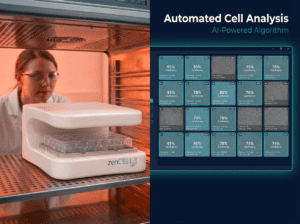
To truly master 3D cultures, it is important to incorporate effective workflows that take full advantage of live-cell imaging technologies while addressing 3D culture-specific needs. One efficient approach is using compact, incubator-compatible systems like the zenCELL owl, which allows continuous imaging within the physiological environment of an incubator. By maintaining stable conditions, this method supports the natural development and assessment of spheroids and organoids over time. Customizable imaging schedules and high-precision optics enable researchers to observe cellular processes such as proliferation, differentiation, and morphogenesis with minimal disturbance.
- The zenCELL owl offers uninterrupted observation.
- Real-time tracking of cellular changes in 3D cultures.
- Adaptable imaging protocols cater to diverse research needs.
Continue reading to explore more advanced insights and strategies.
“`
“`html
Optical Clearing Techniques for Enhanced Imaging
Looking Beyond the Surface
One significant advancement in 3D culture imaging is the application of optical clearing techniques. These methods are crucial for improving imaging depth and clarity by reducing light scattering in dense tissues and cell clusters. For example, CLARITY and Scale are two popular clearing methods that have significantly improved visualization in neurobiology by making tissues transparent while preserving biological integrity. In the context of 3D cultures, these techniques facilitate a more detailed examination of organoids and spheroids.
- Integrate optical clearing methods to enhance transparency.
Optimizing Microenvironment Conditions
Creating the Perfect Growth Atmosphere
Ensuring the right conditions for 3D culture growth is paramount. Factors such as temperature, pH, humidity, and nutrient availability must be carefully controlled to mimic in vivo environments accurately. Recent developments in microfluidic technology allow for the precise manipulation of these variables, offering researchers the ability to tailor the microenvironment precisely. By employing microfluidics in conjunction with live-cell imaging systems, continuous perfusion and real-time observation are made possible.
- Use microfluidics to maintain optimal growth conditions.
Advanced Imaging Techniques
Tackling Depth Challenges Head-On
Confocal and multiphoton microscopy are cutting-edge imaging technologies that significantly enhance the ability to capture high-resolution images deep within 3D cultures. These modalities provide greater depth penetration and lower phototoxicity compared to conventional microscopy. For instance, multiphoton microscopy uses longer wavelengths to excite fluorophores, which reduces scattering and allows deeper tissue penetration. These technologies are ideal for visualizing intricate structures within organoids or large spheroids.
- Employ confocal or multiphoton microscopy for deeper insights.
Data Management and Analysis
Extracting Meaningful Insights from Complex Data
The vast amount of data generated by long-term imaging of 3D cultures necessitates sophisticated data management and analysis tools. AI-powered algorithms and machine learning models are increasingly being used to analyze complex datasets efficiently. These technologies can identify patterns and trends that may not be immediately visible, thereby offering valuable insights into cellular behaviors. For instance, image analysis software like ImageJ and CellProfiler offer automated capabilities to analyze cellular morphology, motility, and viability, streamlining data interpretation.
- Leverage AI and machine learning for efficient data analysis.
Live-Cell Imaging and Temporal Resolution
Tracking Changes Over Time
Temporal resolution is critical in observing dynamic biological processes within 3D cultures. Advanced time-lapse imaging systems have been developed to capture intricate details of cellular dynamics over time. Tools such as fluorescence and phase-contrast time-lapse microscopy allow for continuous monitoring without disrupting the culture environment. This capability is vital for studies that require precise tracking of physiological changes, such as cell division or apoptosis.
- Implement time-lapse imaging for detailed temporal studies.
Innovative Spheroid and Organoid Assays
Broadening Research Horizons
Researchers are developing innovative assays specifically tailored for 3D cultures to better understand disease models and therapeutic responses. Assays such as the AlamarBlue viability assay and the luminescent ATP detection assay have been adapted for use with spheroids and organoids, allowing for quantitative analysis of cell health and metabolic activity. These assays provide invaluable data, facilitating more accurate assessments of drug efficacy and toxicity in a physiologically relevant context.
- Adapt traditional assays for compatibility with 3D structures.
Collaborative and Interdisciplinary Research
Breaking Silos for Greater Innovation
The complexities of 3D culture research often necessitate a collaborative approach, bringing together expertise from various fields such as biology, engineering, and computer science. By fostering interdisciplinary collaborations, researchers can push the boundaries of what’s possible, combining cutting-edge technology with biological insights to create new opportunities for discovery. Collaborative projects, such as those funded by initiatives like the Human Cell Atlas or NIH 3D-structure programs, showcase the potential of shared resources and cross-disciplinary knowledge.
- Foster interdisciplinary collaborations for comprehensive solutions.
Next, we’ll wrap up with key takeaways, metrics, and a powerful conclusion.
“`
“`html
Innovative Biomaterials and Scaffold Design
Building the Framework
Biomaterials and scaffold design play crucial roles in enhancing the structural fidelity and function of 3D cultures. Advanced materials such as hydrogels, biocompatible polymers, and microfabricated scaffolds are engineered to closely mimic the extracellular matrix, promoting cellular adhesion, growth, and differentiation. Recent innovations in 3D bioprinting technology allow for precise control over scaffold architecture, enabling the recreation of complex tissue-specific environments. This precision aids in the study of nuanced interactions between cells and their immediate microenvironment, ultimately contributing to more accurate biological models.
- Utilize 3D bioprinting for precise scaffold construction.
Ethical Considerations in 3D Culture Research
Responsible Innovation for Future Empowerment
As 3D culture research advances, ethical considerations must be at the forefront. The development of organoids and spheroids that closely mimic human tissues raises important questions about consent, privacy, and the implications of creating models for human diseases. Researchers must adhere to stringent ethical guidelines, ensuring that studies are conducted with transparency and respect for human dignity. Engagement with bioethicists and the broader public is critical to addressing these issues and ensuring that innovations in 3D culture research are both responsible and beneficial to society.
- Adopt rigorous ethical standards for responsible research practices.
Sustainability and Cost-Effectiveness
Balancing Innovation with Practical Execution
While cutting-edge technologies drive breakthroughs in 3D culture research, the cost and sustainability of these innovations must also be considered. Cost-effective solutions such as open-source software and reusable culture systems help in balancing expenditure while still achieving high-quality results. Additionally, sustainable practices like reduced reagent use and energy-efficient laboratory equipment contribute to the wider goals of environmental responsibility in scientific research. These approaches ensure that valuable research can continue in a manner that is financially accessible and environmentally conscious.
- Promote sustainable practices in biological research.
Conclusion
The exploration into 3D cultures, as detailed throughout this article, underscores the transformative impact of advanced imaging and related technologies on medical research and development. The key takeaways include the importance of integrating optical clearing and microfluidics for enhanced visualization and environmental control, respectively. The deployment of machine learning aids in distilling insights from the vast datasets generated, while innovative assays and scaffold designs play critical roles in creating physiologically relevant models.
The relevance of these advancements becomes evident when considering their applications in drug discovery, personalized medicine, and our broader understanding of human biology. Imaging technologies and interdisciplinary collaboration have breached prior limitations, empowering researchers to explore deeper and wider than ever before. As we enhance our capabilities, ethical considerations remain integral, ensuring that the benefits of innovation align with societal values.
As we look to the future of 3D culture research, there is a call to action for all stakeholders—scientists, ethicists, policymakers, and funding bodies—to foster environments that prioritize innovation alongside ethical and sustainable practices. Through strategic collaboration and informed decision-making, these efforts can catalyze breakthroughs that revolutionize healthcare and improve quality of life. Together, we can harness the full potential of 3D cultures to unveil new dimensions of discovery, thus paving the way for scientific innovations that are as responsible as they are revolutionary.
“`