
“`
Take Your Weekends Back: How Remote Live-Cell Monitoring Frees Your Schedule
In the fast-evolving world of cell culture research, balancing rigorous experimental demands with personal time can seem like an elusive goal. Yet, with advancements in remote live-cell monitoring, researchers, lab managers, and biotech professionals can now reclaim their weekends without compromising the quality of their experiments. This article will delve into the common challenges of traditional cell culture methods, explore technological advances, and highlight how remote live-cell monitoring has transformed laboratory workflows.
Desafíos y limitaciones comunes de los enfoques tradicionales
The Demand for Constant Monitoring
Traditional cell culture techniques often require continuous manual monitoring, necessitating weekend lab visits and late-night checks to ensure cell viability and experimental integrity. These frequent disruptions not only strain personal time but also introduce variability due to human error during manual observations.
- Manual checks increase the risk of contamination and data inconsistencies.
- Lab personnel suffer from work-life imbalance due to on-call requirements.
- Human observations may lack the precision and timing needed for detailed data analysis.
Continúe leyendo para explorar información y estrategias más avanzadas.
“`
“`
The Advantages of Automation in Cell Culture
Streamlining Processes with Technology
With the introduction of robotic systems and programmable incubators, the landscape of cell culture has been revolutionized. Automation allows for standardized processes, reducing human error and improving reproducibility. For instance, systems like the Tecan Fluent and Hamilton STARlet offer seamless integration of automated liquid handling with cell culture protocols.
- Automated systems ensure consistent media changes and cell passaging, leading to higher quality data.
- Increased throughput is achievable, allowing scientists to handle more samples concurrently while maintaining accuracy.
- Investing in automation can reduce long-term operational costs by lowering the necessity for manual labor.
Real-Time Data Analytics and Cloud-Based Solutions
Leveraging Data for Better Outcomes
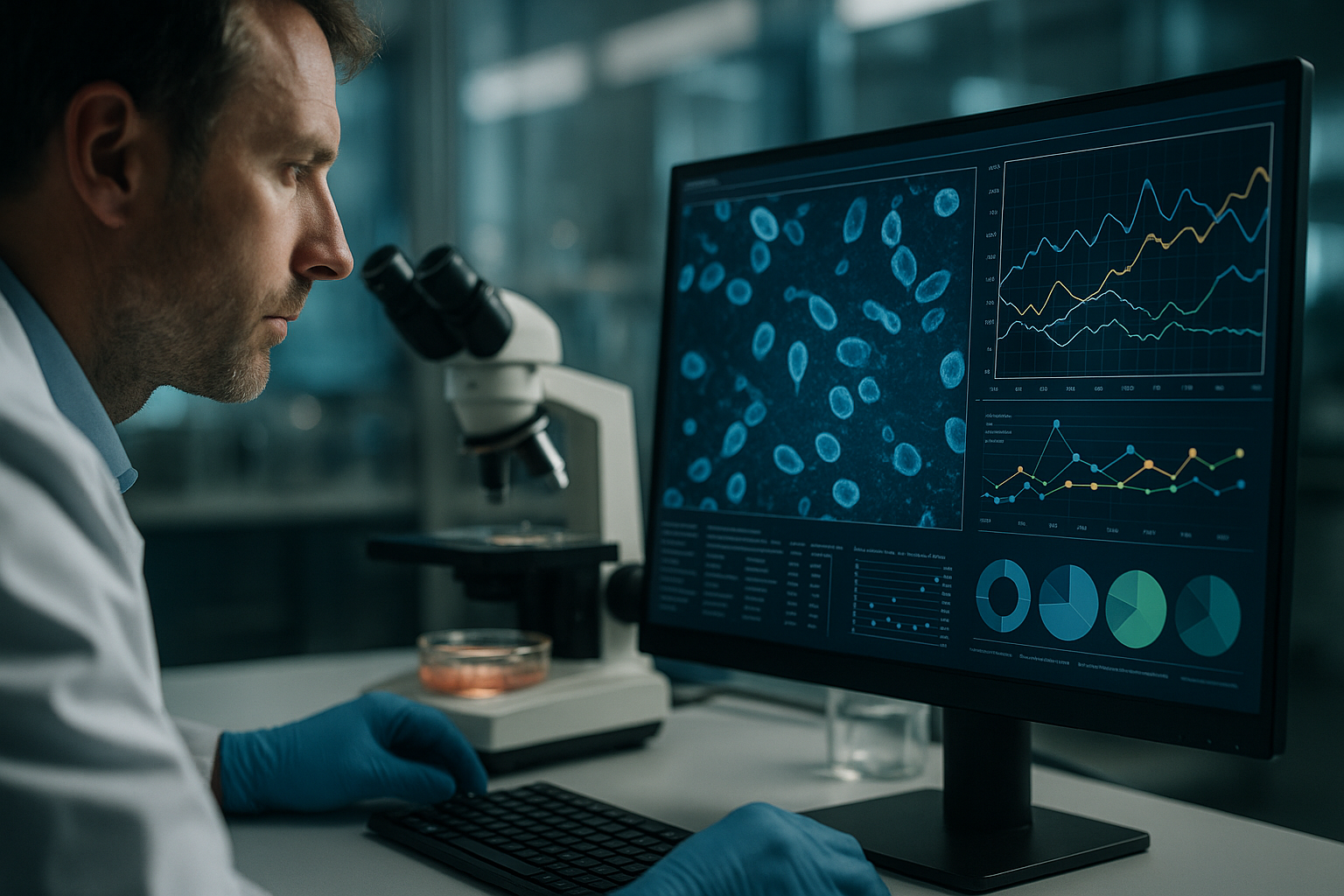
In the digital age, data is king. Real-time analytics and cloud-based solutions have enabled researchers to access critical experiment data anywhere at any time. Systems like CytoSMART and Sartorius’ Incucyte offer cloud connectivity that allows for real-time monitoring and adjustments.
- Researchers can visualize cell growth patterns through cloud dashboards, eliminating the need for on-site analysis.
- Remote data access facilitates collaboration across global teams, enriching research outcomes.
- Historical data analysis becomes straightforward, helping in identifying trends and making informed decisions.
Enhancing Accuracy with Advanced Imaging Technologies
Precision in Observation Through Innovations
Traditional microscopy has its limitations, but advancements in imaging technologies like fluorescence live-cell imaging have introduced new possibilities. Systems such as Thermo Fisher’s EVOS or Leica’s DMi8 offer unparalleled insights into cellular processes by providing high-resolution, time-lapse imaging capabilities.
- These systems minimize photodamage and preserve cell vitality, vital for accurate long-term observations.
- Software integration with these imaging systems simplifies data interpretation and enhances experimental reliability.
- Users gain the ability to record and document every minute detail, improving experimental reproducibility.
Reducing Environmental Impact Through Efficient Practices
Sustainability Gains in Modern Laboratories
The shift towards greener labs has gained momentum, with remote live-cell monitoring playing a pivotal role in reducing resource consumption. Efficient energy utilization and minimized chemical use are the cornerstones of modern, environmentally responsible cell culture practices.
- Programmable systems optimize energy use, reducing carbon footprints of research facilities.
- Automated monitoring cuts down on waste by precisely calibrating needed resources.
- Implementing green lab practices not only benefits the planet but can also align with institutional sustainability goals.
Customizing Solutions Through Modular Designs
Tailoring Frameworks to Specific Lab Needs
Gone are the days of one-size-fits-all. With companies offering modular components, labs can design systems that suit their specific research needs. This flexibility allows for a focused approach, whether dealing with stem cell research or cancer studies, providing enhanced experimental efficacy.
- Modular systems can be expanded with minimal investment, enabling labs to adapt as their research requirements evolve.
- Customized solutions enhance user engagement and improve workflow efficiency by addressing unique laboratory challenges.
- Long-term infrastructure planning is simplified, ensuring laboratories remain cutting-edge without major overhauls.
Boosting Reliability with Integrated Quality Control
Ensuring Consistency in Results
Integrated quality control measures are essential for achieving reliable results in cell culture. Advancements in sensor technologies and AI-driven analytics have empowered systems to independently verify the consistency of experimental conditions. Plate Reader Systems and CO2 incubators equipped with real-time feedback loops contribute significantly to quality assurance.
- Automatic alerts and error notifications help researchers address issues proactively, reducing downtime.
- Quality control integration strengthens validation processes, enhancing data credibility for publications.
- Investments in reliable technology safeguard against costly experimental setbacks.
A continuación, concluiremos con los puntos clave, métricas y una conclusión contundente.
“`
“`
Empowering Laboratories Through Artificial Intelligence
Harnessing AI for Unprecedented Efficiency
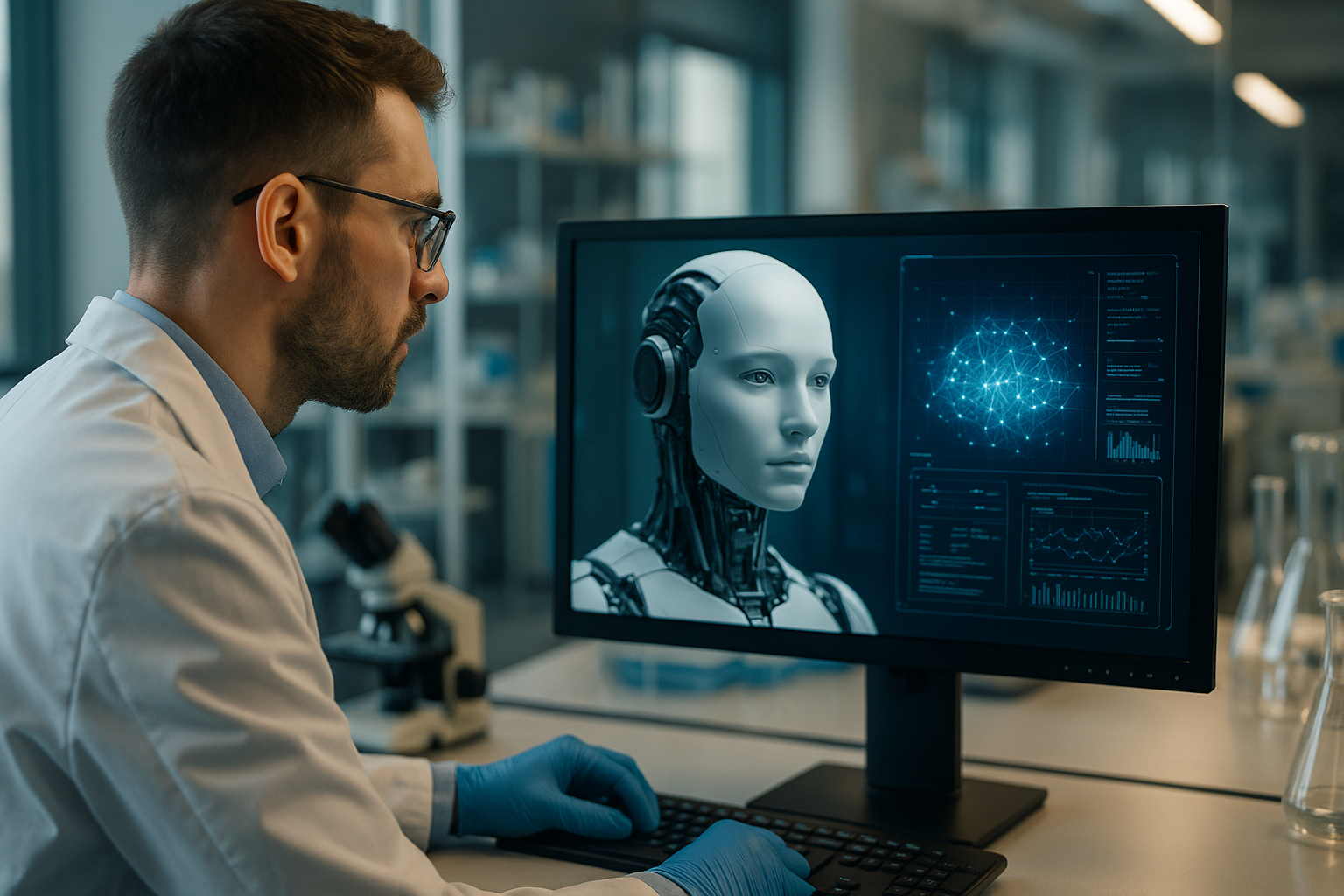
Artificial Intelligence (AI) has become a catalyst for evolution in cell culture practices. Machine learning algorithms can rapidly process large datasets, optimizing cell culture conditions and predicting experimental outcomes with remarkable accuracy. Companies such as Sartorius and Thermo Fisher are integrating AI functionality into their systems to streamline workflows.
- AI-driven platforms utilize predictive analytics to tailor optimal culturing conditions, saving time and resources.
- Automated image analysis powered by AI accelerates data processing, allowing for quicker adjustments to experimental setups.
- By harnessing AI, labs can make data-driven decisions that enhance research precision and validity.
Creating Collaborative Ecosystems
Fostering Synergy in Research Environments
The shift toward interconnected systems facilitates unprecedented collaboration within the research community. By utilizing advanced communication technologies, researchers can bridge geographical divides, ensuring expertise and innovation are not confined by location. The integration of unified communication platforms within lab systems enhances this collaborative spirit.
- Shared virtual workspaces streamline idea exchange and accelerate discoveries across various fields.
- Collaborative tools support synchronous research methodologies, reducing redundancy and increasing productivity.
- Building a global network of researchers fosters diverse perspectives and interdisciplinary breakthroughs.
Ensuring Security and Compliance
Mitigating Risks in Digital Lab Environments
As technology advances, concerns around data security and regulatory compliance have become more pronounced. Laboratories are turning to robust security measures to protect sensitive data and ensure adherence to international regulations. Solutions by firms like Eppendorf and BioTek incorporate advanced cybersecurity protocols.
- Data encryption and secure cloud storage prevent unauthorized access, fostering trust and safeguarding intellectual property.
- Compliance with standards such as GLP and ISO ensures operational integrity and facilitates cross-border research collaborations.
- Regular audits and monitoring assure adherence to protocols, mitigating risks associated with data breaches.
Conclusión
Reflecting on the transformative power of automation in cell culture, the key advantages become apparent. From enhancing accuracy with state-of-the-art imaging technologies and promoting sustainable practices, to leveraging AI for analytical precision, the landscape of research is supported by a robust framework of technological advancements. These strategies not only optimize experimental workflows but also ensure high fidelity in data analysis, contributing to more reliable and impactful scientific outcomes.
The relevance of these strategies lies in their ability to address both contemporary challenges and future demands in research. As laboratories increasingly adopt automation, they not only refine their operational efficiency but also expand their scientific horizons. Automation has become a linchpin of modern laboratories, driving innovation and fostering a collaborative ethos that transcends geographical boundaries.
In an era where time is of the essence, freeing scientists from labor-intensive tasks empowers them to focus on what truly matters — discovery and innovation. The adoption of remote live-cell monitoring and automated systems offers an extraordinary opportunity to reclaim more time for creative endeavors. For your research facility, embracing these advancements will not only enhance productivity but also align with broader ecological and economic sustainability efforts. Start your journey today toward a future where smart experimentation is the norm. Revolutionize your lab, maximally leverage technological capabilities, and be part of a scientific community that paves the way for future advancements. It’s time to reclaim your weekends and let technology handle the complexity of cell culture — transform potential into opportunity with automated excellence.
“`