Identifying the Invisible: Spotting Suboptimal Culture Conditions Automatically
Cell culture is a cornerstone of modern biological research, providing insights into cellular functions, drug responses, and disease mechanisms. Yet, optimizing culture conditions remains a challenging task that often involves meticulous monitoring to prevent suboptimal environments that could compromise results. Identifying the Invisible: Spotting Suboptimal Culture Conditions Automatically, is a growing need in the scientific community to enhance the quality and reliability of experimental data. This article explores the latest trends, technologies, and methodologies that are revolutionizing cell culture practices by allowing researchers to identify and rectify these invisible pitfalls efficiently.
Challenges in Traditional Cell Culture Methods
Limitations of Traditional Monitoring
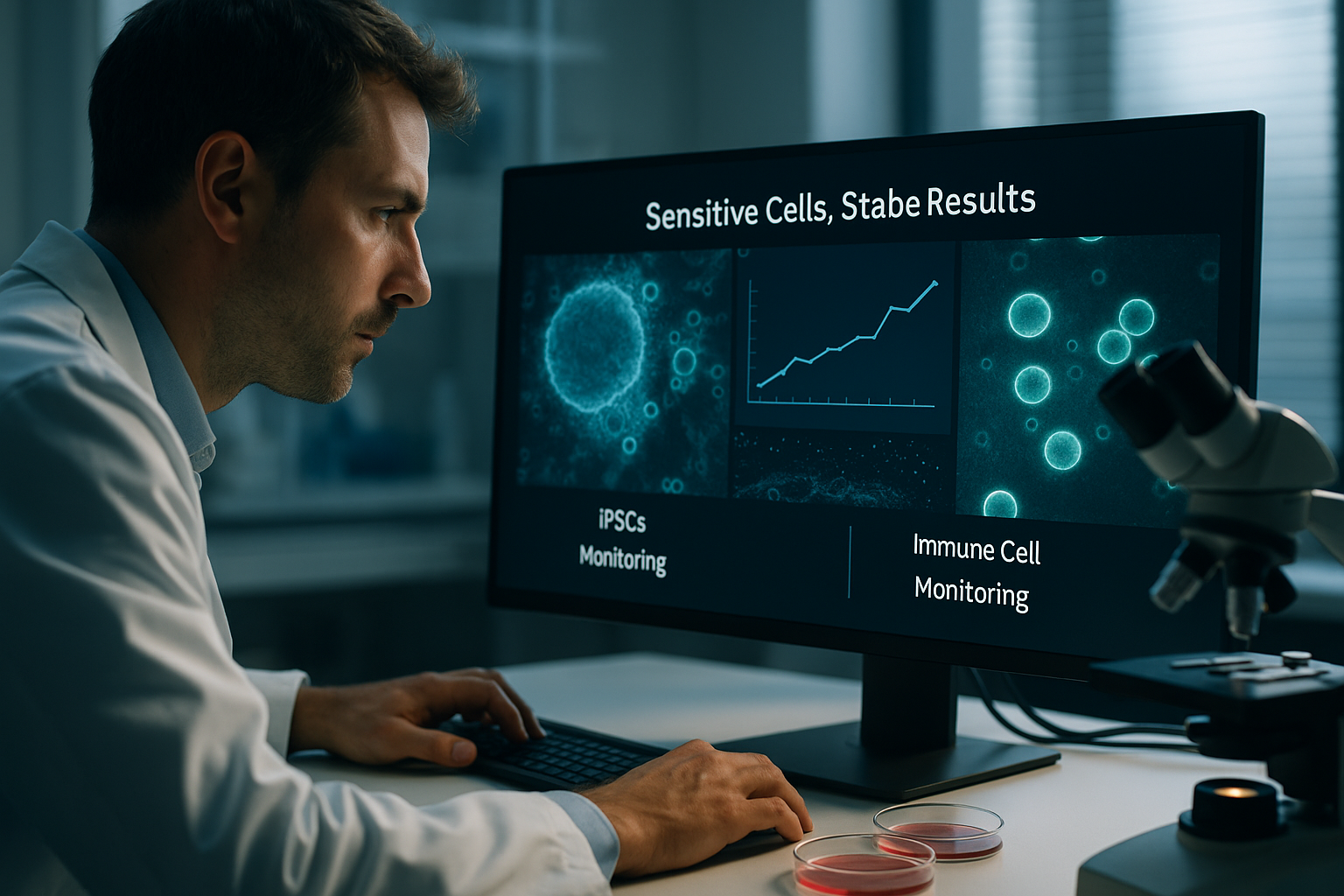
Traditionally, cell culture conditions are manually monitored through intermittent observation and specific assays. This approach is not only labor-intensive but can also miss ephemeral changes in conditions that occur between observations. Such invisible fluctuations can lead to suboptimal culture environments, affecting cell health and experimental accuracy.
- Manual intervention leads to variability in results.
- Intermittent observations can overlook transient changes.
- Difficult to maintain optimal conditions consistently.
Technological Innovations in Automated Monitoring
Embracing Automation in Cell Culture
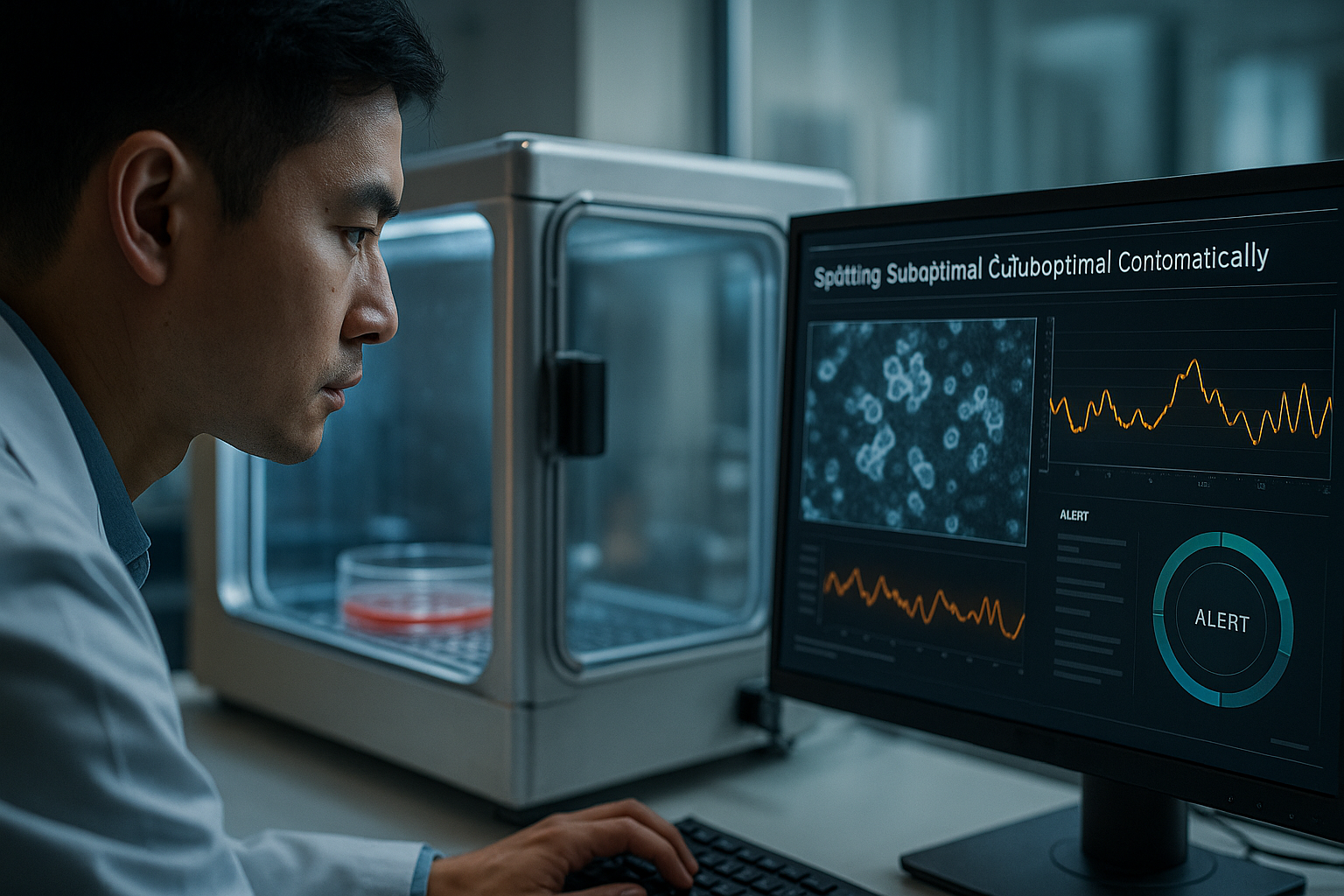
Advancements in automation technologies have paved the way for real-time, continuous monitoring of cell cultures, thus Identifying the Invisible: Spotting Suboptimal Culture Conditions Automatically. Automated systems minimize human error and enhance precision by providing constant insights into cell environment parameters.
- Reduces manpower and chances of introducing contamination.
- Enables continuous data capture and analysis.
- Provides immediate alerts for corrective actions.
Live-Cell Imaging: A Step Towards Better Control
The Role of Live-Cell Imaging Systems
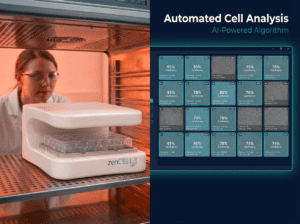
Live-cell imaging technologies are redefining the research landscape by providing better visualization and understanding of cellular processes in real-time. An exemplary tool is the zenCELL owl, a compact, incubator-compatible live-cell imaging system that integrates seamlessly into existing workflows. By capturing images at regular intervals, researchers can now Identify the Invisible: Spotting Suboptimal Culture Conditions Automatically and adjust as needed, ensuring optimal cell growth conditions.
- Facilitates early detection of deviations in cell growth patterns.
- Allows for minimal disruption of cell cultures during observation.
- Increases reproducibility and reliability of experimental data.
Continuez votre lecture pour explorer des perspectives et des stratégies plus avancées.
“`html
Leveraging AI for Predictive Culture Optimization
The Intersection of Artificial Intelligence and Cell Culture
Artificial Intelligence (AI) has transformed various scientific and industrial sectors, and cell culture is no exception. AI algorithms can analyze vast datasets generated by automated monitoring systems to forecast potential issues in cell culture conditions. This predictive capability allows researchers to implement preventive measures proactively, rather than reacting to occurring problems.
- Utilize machine learning models to predict cell culture outcomes.
- Integrate AI-driven insights to refine experimental protocols.
- Implement AI tools for anomaly detection and trend analysis.
IoT Connectivity: Integrating Devices for Seamless Monitoring
Creating a Connected Ecosystem in the Lab
The Internet of Things (IoT) enables seamless communication and data exchange between different devices in a lab setting. By connecting live-cell imaging systems, incubators, and environmental sensors, researchers can maintain comprehensive oversight of culture conditions. IoT-enhanced platforms offer real-time analytics and foster more transparent research workflows.
- Adopt IoT-friendly devices to synchronize lab operations.
- Leverage IoT for remote access and monitoring capabilities.
- Utilize integrated dashboards for comprehensive data visualization.
The Power of Data Science in Culture Condition Refinement
Utilizing Big Data to Enhance Experimental Accuracy
Data science plays a crucial role in interpreting the complex datasets derived from modern cell culture technologies. By employing sophisticated analytical techniques, researchers can extract meaningful insights to refine their culture techniques continuously. Data-driven approaches provide deeper understanding of cellular behaviors under varying culture conditions.
- Implement data analytics tools to interpret culture data.
- Use statistical models to evaluate experimental variability.
- Complement traditional biology knowledge with data intelligence.
Case Study: Successful Implementation in Pharmaceutical Research
Real-world Results from Transitioning to Automated Culture Systems
A leading pharmaceutical company utilized automated live-cell imaging and AI-driven analysis to optimize its drug discovery process. By implementing these advanced technologies, the company reduced the time required for cell viability assessments by 50%, while increasing data precision. This approach allowed more robust conclusions about potential drug efficacy and safety.
- Integrate successful strategies from industry leaders into lab practices.
- Review case studies to understand barriers and breakthroughs in culture optimization.
- Focus on accelerating innovation by investing in automation and analytics.
Implementing SOPs for Consistent Culture Conditions
Standardizing Processes to Minimize Variability
Establishing standardized operating procedures (SOPs) is critical for maintaining consistent culture conditions across experiments. SOPs based on automated monitoring data ensure predictable and reproducible results, valuable for multi-laboratory collaborations. By aligning protocols with data insights, labs can reduce variability and enhance the reliability of their outcomes.
- Design SOPs with input from automated data analysis tools.
- Regularly update SOPs to reflect advancements in technology and methodologies.
- Train staff and researchers on the implementation of SOP-driven practices.
Training and Skill Development for Modern Biologists
Ensuring Competency in an Era of Advanced Technologies
As technological advancements transform cell culture practices, biologists must adapt by developing new skills and competencies. Ongoing education initiatives are vital to ensure researchers understand how to harness new tools and interpret data effectively. Courses on bioinformatics, AI, and laboratory automation are pivotal in refining the skillsets necessary for modern cell culture research.
- Participate in workshops focused on emerging technologies in cell culture.
- Engage in continuous professional development and learning opportunities.
- Encourage interdisciplinary collaboration to drive knowledge exchange.
Financial and Operational Benefits of Automated Monitoring
Analyzing the Cost-Effectiveness of Technology Integration
Automated cell culture systems present significant financial and operational benefits. By minimizing manual labor and reducing the need for repeated assays, labs can allocate resources more efficiently, leading to cost savings. Moreover, automation increases throughput, allowing for more extensive experimental timelines without sacrificing data quality.
- Calculate ROI when introducing automation into laboratory environments.
- Compare costs and productivity metrics pre- and post-automation implementation.
- Plan funding and investments considering long-term financial sustainability.
Ensuite, nous conclurons avec les points clés à retenir, les métriques et une conclusion percutante.
“`
“`html
Environmental and Ethical Impact of Automation in Cell Culture
Équilibrer l'innovation et la responsabilité
Advancements in cell culture automation are not only about improving laboratory efficiency but also about recognizing the broader environmental and ethical impacts. Automated systems often lead to energy savings and reduced waste by optimizing resource usage and minimizing human error. Ethical considerations, such as replicating human-like conditions in vitro, also become more disciplined through automation, leading to credible and humane experimental frameworks.
- Adopt environmentally friendly, energy-efficient technologies.
- Adhere to ethical standards that govern automated cell culture practices.
- Evaluate the sustainability of new cell culture methodologies.
Enhancing Collaboration through Digital Transformation
Facilitating Shared Access and Collaborative Innovating
Incorporating digital solutions into cell culture practices enhances collaboration by providing shared platforms and data accessibility. Digital transformation allows real-time data sharing and communication between teams across different geographic locations, promoting collaborative research and innovation. This interconnectedness fosters the generation of fresh insights and enhances problem-solving capabilities by leveraging collective expertise.
- Utilize cloud-based platforms for real-time data sharing.
- Strengthen cross-disciplinary research through digital collaboration tools.
- Promote global partnerships by harmonizing digital standards.
Future Perspectives: The Vision for Cell Culture Advancements
Projecting the Path of Innovation and Impact
The landscape of cell culture is poised for continuous transformation as technology evolves. Future advancements in AI, IoT, and data science promise even more sophisticated and precise culture systems. The integration of these technologies will pave the way for breakthroughs not only in disease research and drug development but also in sectors like tissue engineering and personalized medicine.
- Embrace emerging technologies to stay at the forefront of cell culture innovation.
- Anticipate paradigm shifts driven by continuous technological growth.
- Invest in futuristic research initiatives that redefine cell-based experiments.
Conclusion
The evolution of cell culture practices through the integration of advanced technologies like AI, IoT, and data science signifies a new era of scientific discovery. These technologies collectively act to optimize culture conditions, enabling more predictive, accurate, and efficient outcomes. By embracing automation, the scientific community can achieve more refined experimental results, reduce the time and cost associated with traditional methods, and increase the reliability of conclusions drawn from cell-based research.
Beyond enhancing traditional methodologies, the true transformative power of these technologies lies in their ability to bridge gaps between disciplines, foster global collaboration, and uphold environmental and ethical responsibilities. Lab operations become seamless and more transparent, driving innovative research paradigms that promise future breakthroughs in medicine, biotechnology, and environmental science.
Tapping into these technologies, researchers are empowered to explore new scientific frontiers with unprecedented precision and creativity. As we continue our journey toward more advanced and integrated cell culture systems, it is essential to invest in training and development initiatives to ensure the workforce is equipped to handle these sophisticated tools.
The path forward demands champions of innovative methodologies who can inspire and drive meaningful change. By continuously refining techniques, embracing digital transformation, and fostering collaborative environments, scientists will be well-prepared to encounter the challenges and opportunities that lie ahead.
Embarking on this transformative path, let us commit to leveraging technology not only to advance science but also to enhance the quality of life globally. Let’s build a future where the transparent and ethical application of technology is a catalyst for societal benefit, revolutionizing our understanding of life at the cellular level.
Join us in this exciting era of technological integration, and be part of a community that shapes the future with innovation, responsibility, and unwavering commitment to excellence.
“`