“`html
Impedance in Wound Healing Assays
Advancements in life science research continue to illuminate new methodologies and tools that enhance our understanding of biological processes. One field experiencing significant evolution is wound healing assays, which are indispensable for understanding cell migration and proliferation in response to injury. This article delves into the phenomenon of impedance in wound healing assays, examining its integration in research and potential to transform traditional cell culture models.
Understanding the Fundamentals of Impedance-Based Wound Healing Assays
Impedance: A Brief Overview
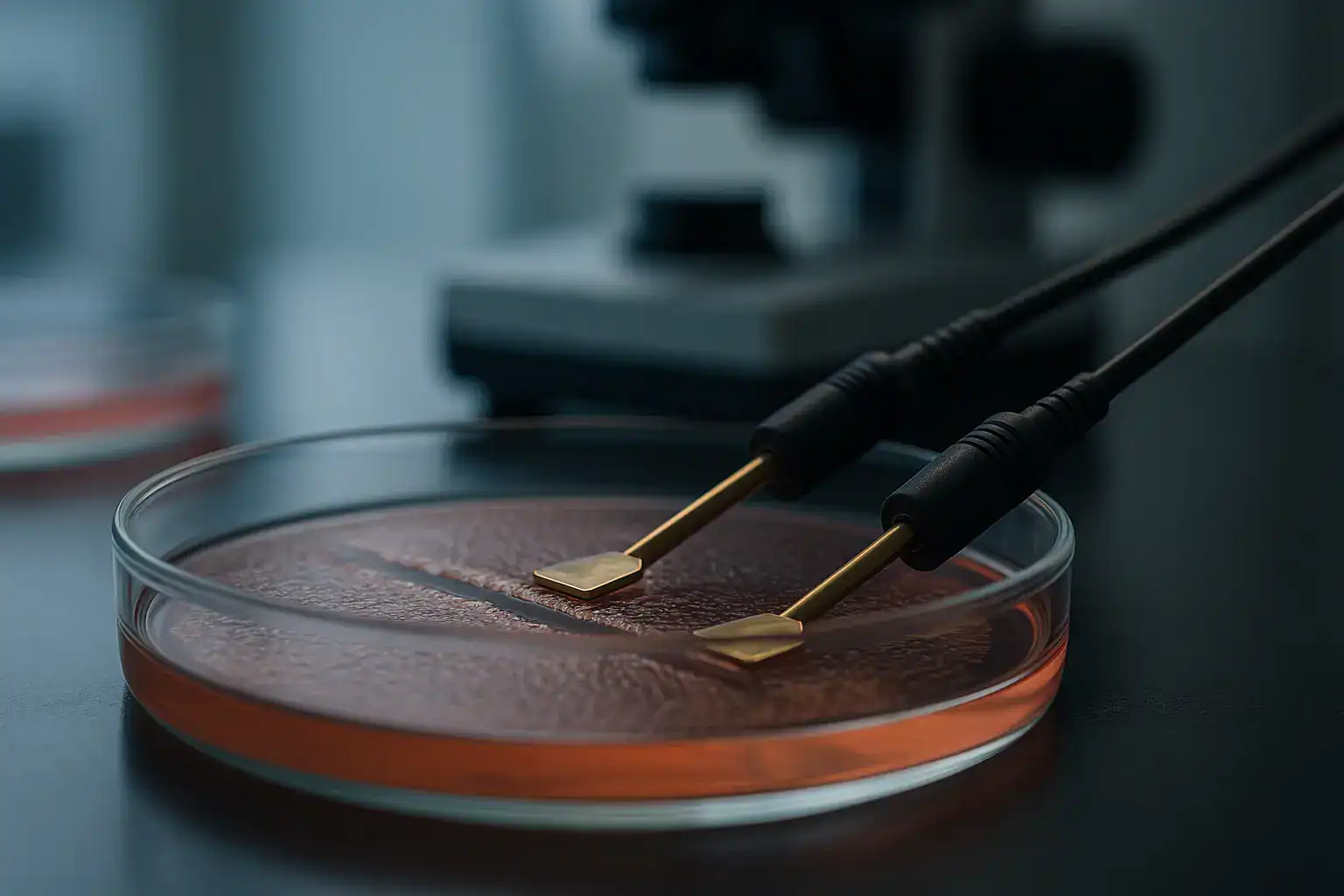
Impedance refers to the resistance faced by an electrical signal as it passes through a medium. In the context of wound healing assays, impedance is measured by applying an alternating current through electrodes placed in culture wells. The degree of impedance changes as cells migrate, providing real-time updates on cell behavior without the need for labeling or invasive techniques.
- Provides non-invasive, real-time monitoring of cell behavior
- Eliminates the requirement for cell staining
- Reduces potential for experimental variability
Traditional Approaches and Their Limitations
The Conventional Scratch Assay
The scratch assay, involving the introduction of a void or ‘scratch’ in a cell layer, is a staple in wound healing research. Despite its widespread use, this method is marred by several limitations: manual scratch variability, potential damage to the substrate, and challenges in quantitative analysis. Impedance-based solutions eliminate these issues by offering more consistent and reproducible measurements.
- Suffer from manual variability and subjective analysis
- Risk of damage to cellular substrates during scratch formation
- Limitation in quantifying precise cell migration metrics
Technological Advances and Trends in Automation
The Role of Automation in Enhancing Cell Culture Research
Automation in life sciences promises increased accuracy and reproducibility. Impedance-based systems, such as those integrated with the zenCELL owl, facilitate continuous monitoring of cell assays within incubators. This significantly minimizes human error and enhances data integrity, enabling more robust analytical insights into cellular responses during wound healing.
- Enhanced data reproducibility and accuracy
- Reduced need for manual intervention
- Facilitates high-throughput screening applications
Implementing Impedance-Based Technologies: Examples and Workflows
Applications of Live-Cell Imaging with Impedance Measurements
Live-cell imaging combined with impedance monitoring is transformative for workflows in research involving migration assays and organoid development. For example, wound healing assays executed with impedance technology can capture real-time cell dynamics, providing insights into how cells move collectively to close wounds and the influence of various compounds on this process.
- Application in migration and proliferation assays
- Real-time data on cellular response to treatment
- Opportunities for detailed analysis over prolonged periods
Continue reading to explore more advanced insights and strategies.
“`
“`html
Maximizing the Efficacy of Impedance Recording in Assays
Strategies and Tools for Enhanced Data Output
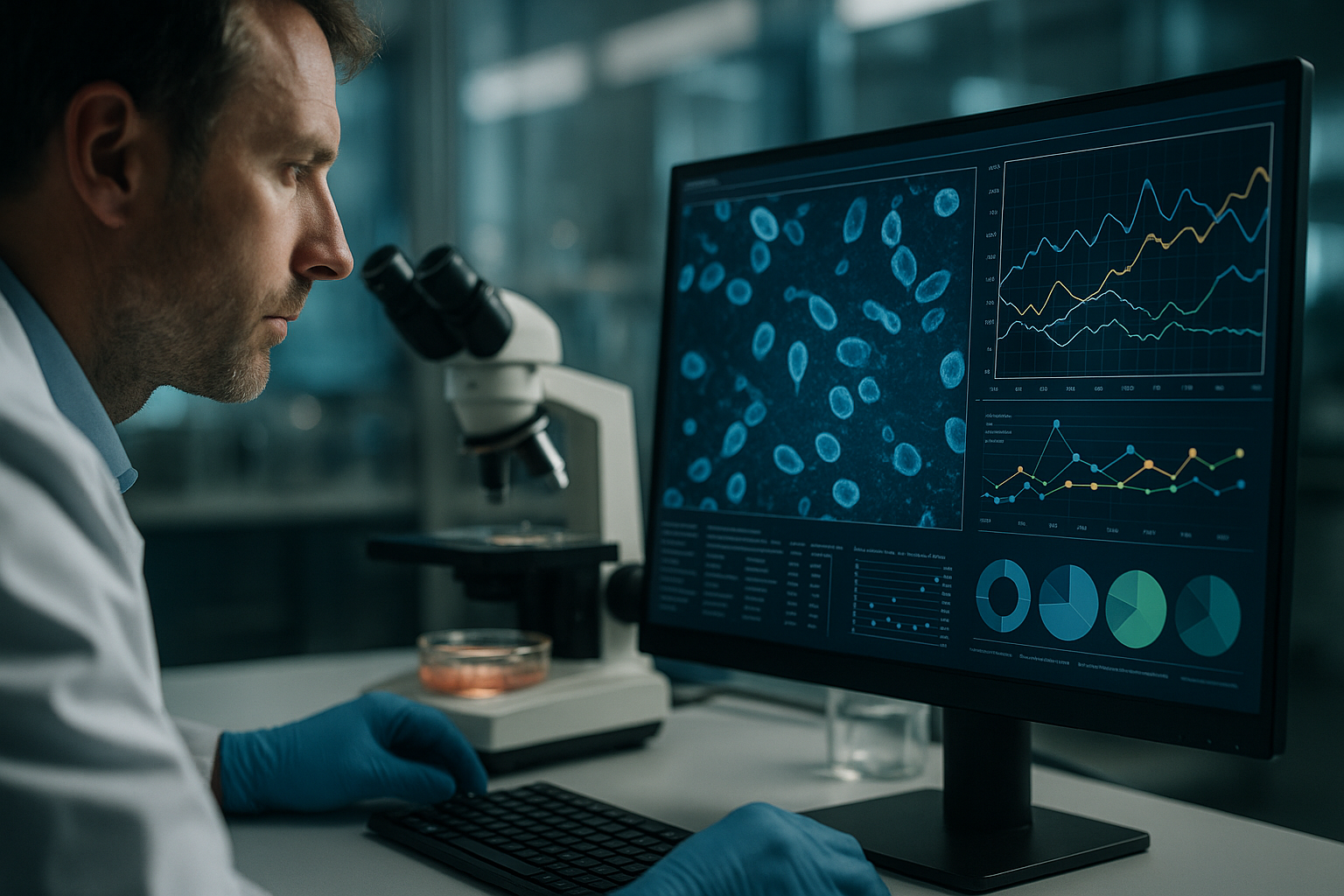
Efficiency in impedance-based systems is crucial for producing reliable research outcomes. Implementing advanced data analysis software is essential for interpreting the impedance readings accurately. Tools such as real-time analytics platforms enable seamless integration with cloud-based applications, facilitating remote data monitoring and collaborative efforts across research teams worldwide. Algorithms tailor-fitted for noise reduction and data normalization further aid in refining results and enhancing the overall quality of analyses.
- Utilize cloud-based analytics for collaborative research across geographies
- Optimize algorithms for noise reduction to improve data clarity
Integrating Impedance Assays with AI and Machine Learning
The Next Frontier in Predictive Modeling
Artificial Intelligence (AI) and Machine Learning (ML) offer unprecedented opportunities to enhance impedance assays. By training models on vast datasets of impedance measurements, researchers can predict cellular behavior under various experimental conditions with remarkable precision. For instance, ML algorithms can identify subtle patterns in cell migration not immediately evident to human observers, allowing for dynamic modeling of wound healing processes. This approach not only saves time but also enhances the predictive power of the experimental setups.
- Implement ML models to identify complex patterns in cell behavior
- Leverage AI for predictive modeling to forecast cellular responses
Overcoming Challenges in Impedance-Based Assays
Addressing Technical Limitations and Enhancing System Reliability
Despite its benefits, impedance-based technology presents challenges, such as sensitivity to environmental fluctuations and issues with electrode stability. Innovative developments in electrode design, including miniaturized and more resilient materials, are addressing these concerns. Furthermore, robust calibration procedures and environmental control systems are crucial for maintaining data accuracy. Researchers are encouraged to implement regular equipment maintenance checks and integrate system diagnostics to avoid data inconsistencies.
- Conduct regular system calibrations to ensure measurement accuracy
- Invest in environmentally controlled chambers to stabilize experimental conditions
Case Study: Revolutionizing Oncology Research with Impedance Assays
Applying Real-World Applications to Cancer Cell Migration
A prominent application of impedance-based wound healing assays is in oncology research, particularly in studying cancer cell migration and invasion. A recent study utilized impedance assays to monitor the effects of anticancer drugs on tumor cells in real-time. The impedance measurements provided insights into the efficacy of various treatment regimens, allowing for the identification of optimal therapeutic approaches. This ability to track alterations in cellular behavior underpins the transformation of experimental oncology into a more precise and responsive discipline.
- Leverage impedance assays to assess drug effectiveness in live cells
- Utilize case studies to guide experimental oncology tactics
Customized Protocols for Diverse Research Applications
Tailoring Impedance Assays for Specific Experimental Needs
Different fields of research often entail unique requirements. By tailoring impedance assay protocols, scientists can address specific research objectives more effectively. For example, the customization of electrode configurations or selecting specific cell lines that mimic physiological conditions more closely can enhance research relevance. Personalized protocol design supports experimental flexibility, empowering scientists to adapt their methodologies to encompass broader research questions.
- Design custom protocols aligned with specific research goals
- Select electrode configurations that suit targeted experimental needs
Pioneering Innovations in High-Throughput Screening
Accelerating Data Collection with Advanced Automation Technologies
The advent of high-throughput impedance-based systems allows for simultaneous monitoring of multiple assays, dramatically increasing the breadth of data that can be collected in a single experiment. Automation plays a critical role here, with robotics and software working in tandem to streamline the setup and monitoring processes. Such a system facilitates rapid testing of pharmaceutical compounds, providing a competitive edge in drug development initiatives.
- Implement robotics for high-throughput assay execution
- Utilize parallel processing to manage and analyze large datasets efficiently
Collaborative Efforts to Broaden Impedance Research Horizons
Global Partnerships and Interdisciplinary Approaches
Interdisciplinary collaboration is essential for advancing impedance technology and its applications. By harnessing knowledge across various scientific domains, from engineering to pharmacology, researchers can drive innovations that push the boundaries of what impedance assays can achieve. Collaborative consortiums focusing on shared challenges can accelerate technology transfer and implementation, ultimately broadening the scope and impact of impedance-based research globally.
- Engage in interdisciplinary collaborations for holistic advancements
- Create consortiums to tackle shared research challenges effectively
Next, we’ll wrap up with key takeaways, metrics, and a powerful conclusion.
“`
“`html
Expanding the Role of Impedance in Regenerative Medicine
Transformative Impacts on Tissue Engineering and Repair
Impedance-based assays are playing a transformative role in regenerative medicine, offering significant possibilities for tissue engineering and repair. By providing real-time, non-invasive monitoring of cell proliferation and differentiation, impedance technology allows scientists to better understand the intricate processes occurring during tissue regrowth. This capability is invaluable for developing effective therapies for tissue damage and for optimizing scaffold designs that better mimic natural tissue environments, advancing the field toward more effective clinical applications.
- Utilize impedance assays for real-time monitoring in regenerative processes
- Enhance scaffold designs with insights gained from impedance measurements
Environmental and Ethical Considerations in Impedance Research
Balancing Innovation with Responsibility
As the scope of impedance research continues to grow, it is vital to consider the environmental and ethical implications of this technology. Sustainable practices, such as optimizing resource usage and minimizing waste during experiments, should be prioritized. Additionally, ensuring ethical standards in both human and animal cellular research remains paramount. By fostering an environment of responsible innovation, researchers can contribute to a future where scientific advancements coexist harmoniously with societal and ecological needs.
- Adopt sustainable practices within impedance research workflows
- Uphold stringent ethical standards to ensure responsible innovation
Future Directions in Impedance Technology
Pioneering Next-Generation Assays
The frontier of impedance technology is bright, with numerous avenues for groundbreaking research and application. Researchers are exploring the integration of emerging fields such as nanotechnology to create even more sensitive impedance assays. The potential for miniaturized, portable impedance devices means that real-time monitoring could soon be accessible in clinical settings worldwide, bringing diagnostics and monitoring technologies directly to the patient’s bedside. This evolution stands to make healthcare more personalized and effective.
- Explore miniaturization and portability for clinical applications
- Integrate nanotechnology to enhance assay sensitivity
Conclusion
In conclusion, impedance-based wound healing assays and related technologies continue to revolutionize the landscape of scientific research and clinical applications. By harnessing advanced data analysis tools, integrating AI and ML algorithms, and addressing technical challenges proactively, researchers and clinicians achieve higher precision and reliability in their assays. The transformative impact of impedance technologies is evident in areas such as oncology and regenerative medicine, where they drive significant advancements in our understanding and treatment of complex biological processes.
The article highlights the profound relevance of impedance technologies in expanding our scientific horizons. From targeted custom protocols to fostering global collaborations, the strategic application of these technologies underscores their critical role in modern science. As we optimize experimental setups, embrace ethical responsibilities, and pave the way for the next generation of impedance assays, we stand at the threshold of extraordinary scientific breakthroughs.
As we move forward, researchers, clinicians, and technologists are encouraged to embrace these innovations, remaining committed to sustainability and ethical considerations. Leveraging impedance technology not only enlightens current research landscapes but also promises to redefine therapeutic strategies across disciplines. Together, let us strive to unlock the full potential of impedance-based assays, transforming them into cornerstones of scientific exploration and healthcare innovation.
“`