
“`
The role of pre-analytical variability in diagnostic reproducibility
In the realm of clinical diagnostics, the accuracy and reliability of test results are paramount. A crucial factor influencing these outcomes is pre-analytical variability. Understanding and mitigating this variability is essential for improving diagnostic reproducibility. This blog will delve into the mechanisms of pre-analytical variability, its impact on diagnostics, and strategies to minimize its effects. Readers will gain insights into how consistent practices can enhance the reliability of diagnostic processes.
Understanding Pre-Analytical Variability
Defining Pre-Analytical Variability
Pre-analytical variability refers to variances that occur during sample collection, handling, and preparation stages before actual analysis. These variances can arise from differences in sample collection techniques, timing, environmental factors, and even equipment used. Such inconsistencies can significantly impact the diagnostic reproducibility of test results, leading to misleading interpretations.
- Sample collection timing can influence biomarker stability.
- Transport conditions may alter sample integrity.
- Diversities in human-derived biological samples add complexity.
Continúe leyendo para explorar información y estrategias más avanzadas.
Impact on Diagnostic Reproducibility
Examples of Variability Impact
The role of pre-analytical variability in diagnostic reproducibility becomes evident when considering how slight changes during pre-analysis can lead to substantial discrepancies in results. For instance, improper temperature control during sample transport can degrade sensitive analytes, leading to false-negative or false-positive outcomes.
- Temperature fluctuations can cause protein denaturation.
- Improper handling increases exposure to degrading enzymes.
- Variations in anticoagulants alter plasma composition.
Continúe leyendo para explorar información y estrategias más avanzadas.
Strategies for Minimizing Variability
Standardized Protocols and Quality Control
Implementing standardized protocols is critical in reducing pre-analytical variability. Laboratories should institute detailed standard operating procedures (SOPs) for sample collection and handling. Incorporating rigorous quality control measures ensures consistency in processing and enhances diagnostic reproducibility.
- SOPs define exact techniques and materials used.
- Routine calibration of equipment prevents measurement drift.
- Batch testing aids in identifying outliers early.
Continúe leyendo para explorar información y estrategias más avanzadas.
Technological Solutions Supporting Consistency
Innovations in Monitoring and Documentation
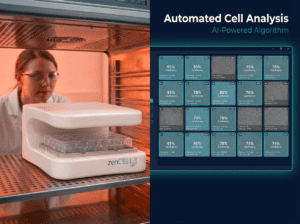
Advances in technology, like incubator-compatible live-cell imaging systems, facilitate continuous monitoring of sample conditions. Systems such as the zenCELL owl document changes in cell behavior and serum effects throughout the culture process, ensuring that deviations affecting diagnostic reproducibility are promptly addressed.
- Provides real-time data on cell health and growth conditions.
- Aids in spotting pre-analytical inconsistencies instantly.
- Supports higher reproducibility in biological workflows.
The role of pre-analytical variability in diagnostic reproducibility is a complex topic continuously undergoing research. Understanding and controlling it can significantly enhance diagnostic accuracy and standardization.
“`
“`
Harnessing Data-Driven Approaches
Leveraging Predictive Analytics for Improved Outcomes
Incorporating predictive analytics into the laboratory workflow can vastly improve diagnostic reproducibility by identifying patterns and potential errors before they affect outcomes. For instance, using machine learning algorithms to analyze historical data on sample handling and storage can predict potential variances in new cases. Algorithms that assess transport times and conditions help ensure samples remain within optimal parameters, thus safeguarding integrity and consistency.
- Adopt data analytics tools to gain transparent insights on sample management.
- Integrate platforms that forecast and mitigate risks in sample variability.
Enhancing Training and Competency
Building Expertise to Reduce Variability
Personnel competency is a crucial factor in minimizing pre-analytical variability. Tailored training programs focusing on best practices in sample handling and preparation can foster a culture of consistency. For instance, a hospital lab might implement a competency-based training regime that emphasizes error-catching at early sample processing stages.
- Regular training updates ensure staff stay informed on evolving best practices.
- Competency assessments can highlight areas needing improvement, reducing variability.
Optimizing Sample Transport
Innovations in Secure, Reliable Sample Transportation
Transporting biological samples with care is vital to maintaining sample integrity. Advanced solutions such as temperature-controlled transportation boxes equipped with IoT sensors provide real-time monitoring, alerting when conditions deviate from the stipulated environment. Such technologies have revolutionized the way samples are moved from collection sites to laboratories.
- Invest in IoT-enabled transport solutions to maintain environmental control.
- Optimize transport routes to cut down on transit times, preserving sample condition.
Automation in Sample Handling
Reducing Human Error through Robotics
The automation of sample handling processes has significantly curtailed human error. Robotic systems that accurately and consistently perform steps like aliquoting, pipetting, and labeling are increasingly popular in labs worldwide. For example, many facilities have adopted automated systems that track sample lineage and procedural adherence, ensuring traceability and reducing errors.
- Implement robotic systems to enhance precision and repeatability in sample processing.
- Leverage automation for high-throughput processing, minimizing manual interference.
Implementing Rigorous Validation Protocols
Ensuring Robustness of Diagnostic Assays
Creating and maintaining robust validation protocols ensure that diagnostic tests perform accurately under varying conditions. Conducting extensive validation studies under different pre-analytical conditions helps in understanding the spectrum within which a test yields reliable results. Institutions like the Mayo Clinic routinely employ such validation processes, contributing to their high standard of reliable diagnostics.
- Conduct frequent validation exercises to refine and perfect testing protocols.
- Benchmark against industry standards to maintain assay robustness and dependability.
Collaborative Networks for Consistency
Sharing Best Practices Across Laboratories
Forming collaborative networks between labs can facilitate the standardization of pre-analytical processes across the board. Sharing insights and data helps to create a more uniform approach to handling samples, reducing variability introduced by disparate methodologies. For example, consortia like the Institute for Clinical and Translational Research (ICTR) promote cross-institutional collaboration, leveling the playing field across different facilities.
- Participate in collaborative networks to exchange expertise and data-driven insights.
- Establish common frameworks for inter-lab comparability and transparency.
Quality Management Systems (QMS)
Building a Culture of Continuous Improvement
Effective quality management systems are pivotal in minimizing pre-analytical variability. By implementing QMS, labs can ensure that there is a continual review and improvement of test processes. This might involve routine audits, regular quality assessments, and feedback loops. Laboratories that invest in comprehensive QMS tend to see improved consistency in their diagnostic reproducibility.
- Utilize QMS frameworks to root out inefficiencies and improve process adherence.
- Engage in regular audits to uphold high quality and continuous improvement.
A continuación, concluiremos con los puntos clave, métricas y una conclusión contundente.
“`
“`
Leveraging Technology for Advanced Monitoring
Tracking and Tracing for Enhanced Reliability
Utilizing advanced technology solutions to monitor and trace sample handling processes can significantly enhance reliability in laboratories. The integration of tracking systems, such as barcode scanning and RFID technology, throughout the sample lifecycle ensures accurate and real-time updates on sample status. This comprehensive oversight not only boosts confidence in sample integrity but also pre-empts any potential mishaps before they escalate into larger issues.
- Implement RFID and barcode systems for meticulous tracking and documentation.
- Ensure real-time data sharing across systems to maintain comprehensive oversight.
Data Integration for Holistic Insights
Unifying Systems for Comprehensive Data Utilization
Data silos within laboratories can hinder effective decision-making. By integrating data across various systems, labs can harness a holistic view that brings together pre-analytical, analytical, and post-analytical phases, thereby enhancing informed decision-making. Facilitating seamless data transfer and accessibility empowers laboratory personnel to draw actionable insights, optimize workflows, and respond dynamically to evolving challenges.
- Ensure interoperability between different laboratory information systems (LIS).
- Utilize analytics platforms to connect and visualize disparate data sources.
Fostering a Patient-Centric Approach
Aligning Processes with Patient Outcomes
Ultimately, the primary goal of minimizing pre-analytical variability lies in optimizing patient outcomes. By centering processes and strategies around patient care, labs can continually refine operations to support accuracy and timeliness in diagnostics. This patient-centric focus not only fosters improved healthcare delivery but also enhances patient satisfaction and trust in diagnostic services.
- Focus on personalized diagnostic production to meet specific patient needs.
- Institute feedback mechanisms that directly connect patient outcomes with lab processes.
Conclusión
In conclusion, tackling pre-analytical variability stands as a foundational pillar in ensuring diagnostic reproducibility. Diverse strategies highlighted throughout this discussion, from predictive analytics to quality management systems, exemplify the multifaceted approach required to address variabilities comprehensively. Each step in the laboratory workflow offers opportunities to enhance precision, with advanced technologies playing a crucial role in underpinning these efforts.
The integration of predictive tools and data-driven solutions provides crucial insights into potential sources of error, allowing laboratories to proactively mitigate risks. Concurrently, investing in personnel training and competency development holds equal importance, as the skills and awareness of staff directly correlate to process consistency and reliability. By refining transport processes and automating routine tasks, laboratories can maintain sample integrity and minimize manual errors, essential elements in producing consistent diagnostic results.
The path forward is further illuminated by embracing collaborative networks and unified data systems, bridging gaps across laboratory environments to foster equitable standards and practices. As laboratories employ comprehensive quality management systems, they create a culture of continuous improvement, navigating complex diagnostic landscapes with assurance and authority.
Ultimately, these strategies coalesce to prioritize a patient-centric approach, aligning laboratory processes with the overarching goal of enhancing patient outcomes. By remaining vigilant and adaptive, laboratories can continue to deliver on their promise of accurate, reproducible diagnostics—solidifying their indispensability in modern healthcare.
It is vital that as stakeholders in these processes, we remain committed and inspired to innovate and evolve. By keeping the patient at the core of all endeavors and leveraging cutting-edge solutions, the future of laboratory diagnostics is set on a trajectory of transformative efficacy. Let us push forward these foundations, inspiring a future where diagnostics meet the ever-growing needs of precision medicine.
“`