“`
How Small Material Changes Can Invalidate Historical Datasets
Understanding the Impact of Biological Material Variability
The Role of Fetal Bovine Serum Variability
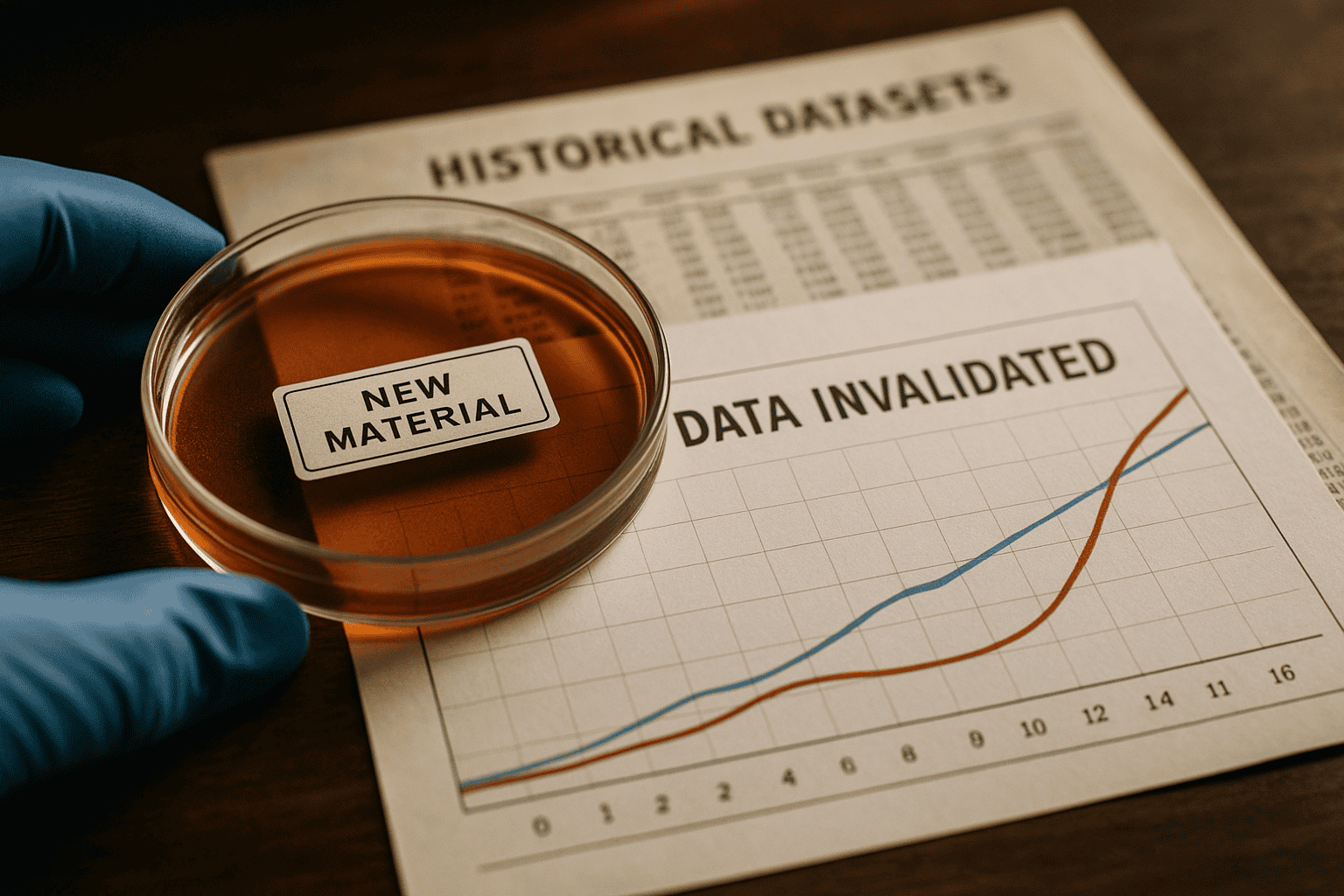
Fetal Bovine Serum (FBS) is a critical supplement in cell culture, providing essential growth factors and nutrients. However, FBS is prone to lot-to-lot variability, which can significantly affect experimental outcomes. Differences in the composition of FBS batches can lead to divergent cell growth rates, altered cellular functions, and inconsistencies in experimental results.
- Lot-to-lot variability can lead to significant changes in experimental output.
- Consistency in serum potency is crucial for reproducibility.
Continúe leyendo para explorar información y estrategias más avanzadas.
The Consequences of Reagent and Handling Changes
Examining Reagent Stability and Handling
Reagents used in cell culture, such as those involved in immunological assays or diagnostics, must be handled with precision to ensure stability. Factors such as storage temperature and exposure to light can alter reagent properties, impacting their efficacy and reliability in experiments.
- Inconsistent storage conditions can compromise reagent integrity.
- Documentation of reagent handling practices is critical for troubleshooting.
Continúe leyendo para explorar información y estrategias más avanzadas.
Documentation and Traceability in Biological Research
Ensuring Reproducibility through Comprehensive Documentation
Meticulous documentation of changes in biological materials and reagents is vital for maintaining dataset integrity. Traceability allows researchers to pinpoint the source of variability and align current experiments with historical data accurately.
- Traceability helps in identifying the causes of experimental discrepancies.
- Proper documentation supports consistency across long-term projects.
Continúe leyendo para explorar información y estrategias más avanzadas.
The Role of Live-Cell Imaging in Monitoring Material Effects
Using the zenCELL owl to Enhance Research Consistency
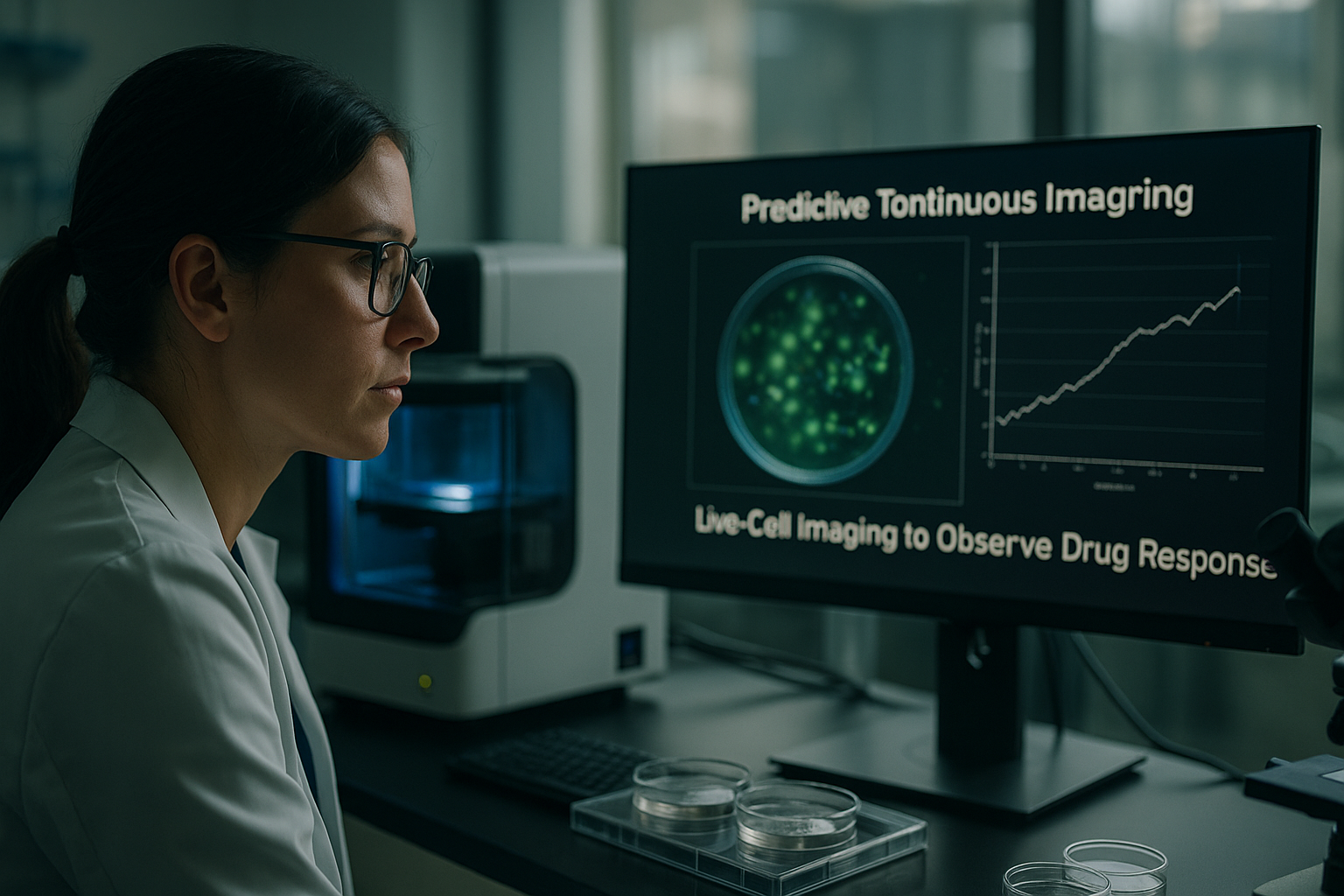
Live-cell imaging systems, such as the zenCELL owl, provide continuous monitoring of cell behavior, facilitating the documentation of how serum or reagent variations affect cell culture over time. This approach aids in identifying subtle changes that could invalidate datasets, thus enhancing reproducibility.
- Continuous monitoring helps capture real-time cell responses.
- Data gathered assists in adjusting protocols to maintain consistency.
Continúe leyendo para explorar información y estrategias más avanzadas.
Scientific Services for Risk Reduction in Biological Research
Leveraging Support Services for Reliable Research Outcomes
Utilizing scientific services such as antibody development and custom biological sourcing provides a strategic advantage. These services support research workflows by reducing biological variability and ensuring long-term project stability through reliable material sourcing and characterization.
- Opting for batch reservation and testing minimizes variability risks.
- Long-term collaborations with service providers enhance data reliability.
Embrace these insights to safeguard the validity of your historical datasets against material changes.
“`
“`
Ensuring Consistency Through Certified Quality Control
Implementing Standardized Quality Control Protocols
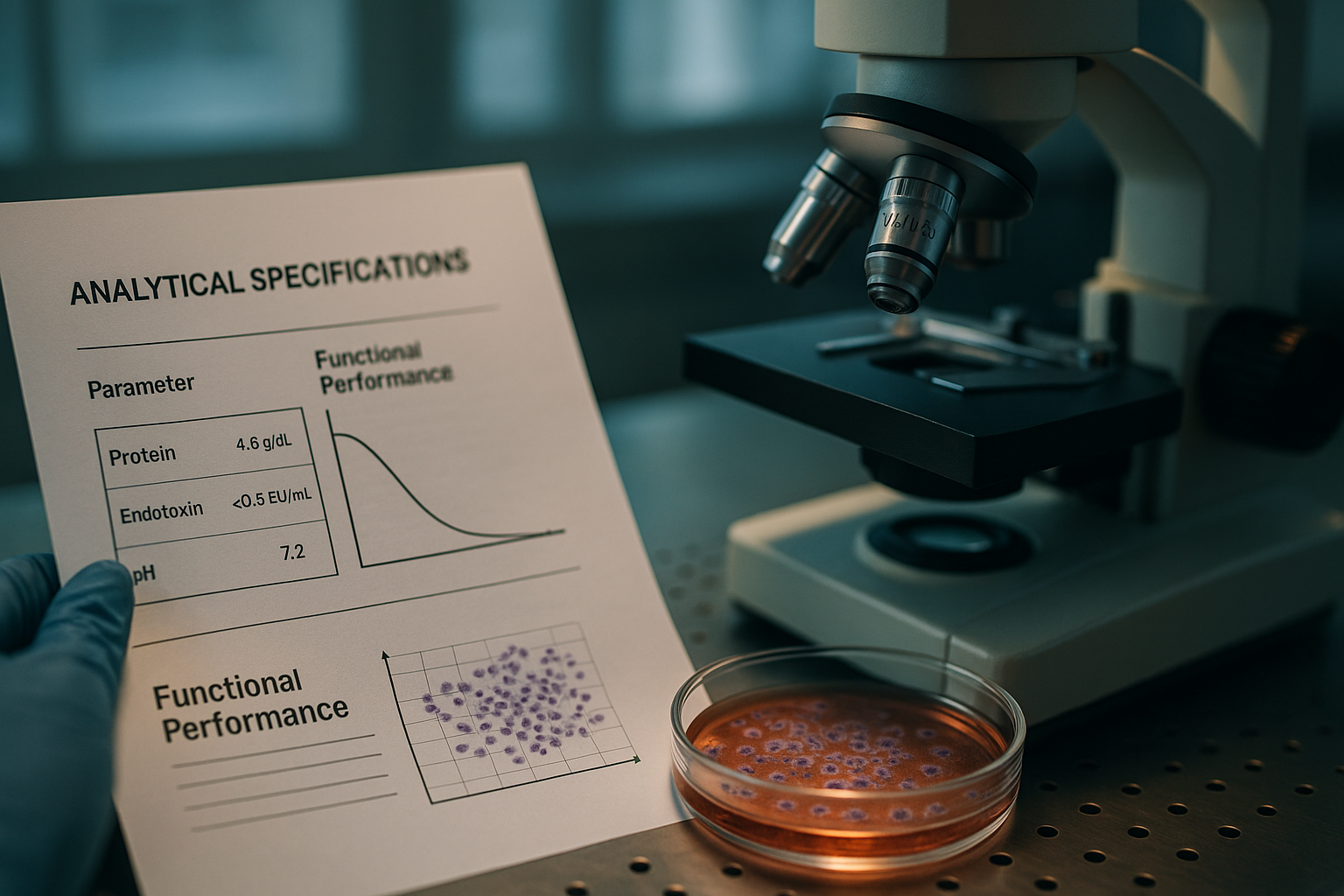
Quality control (QC) is a fundamental aspect of ensuring material consistency in biological experiments. Laboratories can adopt ISO-certified QC protocols to streamline processes and minimize variability. High-standard QC addresses fluctuations in reagent effectiveness and cell culture conditions, leading to more reliable data outcomes. For example, by using standard operating procedures for batch testing and documentation, organizations can maintain consistent quality levels across multiple experiments, ensuring that historical and future data are comparable.
- Incorporate ISO-certified protocols to uphold stringent quality standards.
- Regularly review and update QC practices to align with industry advancements.
Advanced Analytical Techniques for Material Assessment
Leveraging Robust Analytical Tools
Advanced analytical techniques, such as mass spectrometry and chromatography, play a crucial role in assessing the consistency of biological materials. These tools provide detailed compositional analysis, helping researchers to detect even minute differences in material batches. For instance, mass spectrometry can be employed to quantify proteins, lipids, and metabolites, revealing variability that might impact experimental outcomes. Laboratories using such high-precision tools are better equipped to ensure data consistency by adjusting their protocols based on analytical findings.
- Employ analytical tools for comprehensive material analysis.
- Use collected data to refine experimental methods and improve reliability.
The Importance of Cross-Laboratory Collaborations
Building Networks for Shared Insight and Standardization
Collaboration among laboratories fosters the sharing of data and experiences, contributing to improved standardization and material consistency. By participating in inter-laboratory studies, organizations can benchmark their materials against broader datasets and adjust their procedures accordingly. Such collaborations were exemplified by the Human Genome Project, where international partnerships were instrumental in managing diverse biological materials under a unified framework.
- Partner with other labs to gain insights and share best practices.
- Participate in broad-scale studies to ensure global data compatibility.
Material Management in Biobanking
Optimizing Biobank Practices for Material Longevity
Biobanks play a critical role in preserving the integrity of biological materials by maintaining and cataloging samples under controlled conditions. Effective biobank practices involve proper documentation, standardized storage conditions, and regular audits to prevent degradation or contamination of samples. Implementing a modern LIMS (Laboratory Information Management System) helps track sample history and handling conditions, ensuring that materials remain viable for future research.
- Adopt a robust LIMS for comprehensive biobank sample management.
- Ensure biobanking practices align with current preservation standards.
Incorporating Artificial Intelligence in Data Analysis
Using AI to Identify Data Anomalies and Ensure Consistency
AI and machine learning (ML) are revolutionizing the analysis of complex biological datasets by rapidly identifying patterns and anomalies that human analysts might overlook. Implementing AI-driven platforms enables labs to detect material-related discrepancies, forecast potential issues, and adjust experimental designs preemptively. For example, AI has been used in genomics to identify subtle differences in genetic sequences that could impact therapeutic research outcomes.
- Utilize AI/ML tools to enhance data consistency and accuracy.
- Continuously train AI models with up-to-date datasets for improved predictions.
Standardizing Material Sources through Industry Certifications
Establishing Reliable Sourcing Through Accredited Suppliers
Securing materials from certified suppliers ensures that all biological inputs meet stringent quality criteria, thereby reducing variability. Suppliers adhering to established standards, such as GLP (Good Laboratory Practice) or GMP (Good Manufacturing Practice), provide materials that are consistent in quality. This reliability is crucial when using reagents or biological samples in experimental workflows. An example of success is seen in the pharmaceutical industry, where adherence to GxP practices has significantly enhanced product uniformity and research reproducibility.
- Choose suppliers with industry-recognized certifications for quality assurance.
- Regularly audit suppliers to ensure adherence to high standards.
Developing Expert Staff Training Programs
Enhancing Research Competence through Continuous Education
Well-trained staff are essential for maintaining experimental integrity and minimizing material-related errors. Implementing comprehensive training programs that focus on current best practices, new technologies, and consistency in experimental protocols ensures that all team members are capable of maintaining high standards. For example, ongoing training in pipetting techniques and data documentation for cell culture professionals can significantly reduce procedural errors and enhance dataset validity.
- Invest in regular training and upskilling for laboratory staff.
- Integrate feedback loops in training programs to address skill gaps.
A continuación, concluiremos con los puntos clave, métricas y una conclusión contundente.
“`
“`
Data Validation and Quality Assurance in Research
Ensuring Authenticity and Precision Through Rigorous Data Checks
Data validation is a pivotal step in confirming the authenticity and reliability of research findings. Implementing robust quality assurance (QA) practices can reveal inconsistencies and prevent data inaccuracies from skewing results. QA processes, such as peer reviews and independent audits, empower researchers to scrutinize data integrity methodically. For instance, double-blind studies with multiple data validation checkpoints can significantly reduce the biases and enhance reliability of experimental conclusions.
- Establish multiple layers of data validation to improve accuracy.
- Conduct regular audits to reinforce data authenticity in research projects.
Leveraging Automated Systems for Material Consistency
Streamlining Operations with Cutting-edge Automation Technology
Adopting automated systems in laboratory processes helps to minimize human error and ensures consistency in material handling. Automation technologies include robotic liquid handlers and automated cell counters, which provide precise and repeatable operations in experiments. As a result, laboratories can achieve a higher degree of consistency in their processes, significantly improving the reliability of the results generated. Automation also allows for high-throughput capabilities, facilitating more extensive and diverse experimental designs without compromising accuracy.
- Incorporate automation technologies to reduce variability in experimental setups.
- Continuously evaluate automated systems for optimal performance and integration.
Fostering a Culture of Continuous Improvement
Nurturing Innovation and Excellence in Material Management
Developing a culture of continuous improvement in laboratories plays a crucial role in maintaining high-quality standards in material management. Encouraging innovation and the adoption of updated methodologies enhances research quality and reliability. By embracing a mindset of agility and progress, laboratories can adapt swiftly to new challenges and opportunities in material consistency management. Active participation in conferences and professional networks further contributes to a culture that values excellence and ongoing development in research practices.
- Cultivate a proactive environment that encourages continuous improvement.
- Promote knowledge sharing and professional development among research staff.
Conclusión
The scientific landscape today demands a meticulous approach to maintaining material consistency as it is fundamental to the credibility and reproducibility of experimental data. Throughout this article, we have explored various strategies to ensure the integrity of biological materials, highlighting standardized quality control protocols, advanced analytical techniques, and the significance of cross-laboratory collaborations. Furthermore, the importance of leveraging AI in data analysis, optimizing biobank practices, and securing reliable material sourcing through certified suppliers was emphasized.
The essence of the discussion lies in the coexistence of innovative technologies and stringent quality assurances. As laboratories move towards a future grounded in these principles, the integrity of scientific research can be fortified, paving the way for groundbreaking discoveries and innovations. Incorporating AI, automated systems, and automated validation processes with meticulous material management practices can transform research environments into hubs of excellence and reliability. Additionally, fostering a culture of continuous improvement ensures that laboratory practices evolve alongside technological advancements, maintaining the relevance and efficiency of scientific endeavours.
As the scientific community continues to expand the boundaries of knowledge, the takeaways from this discussion serve as a clarion call to all researchers: prioritize material consistency as the bedrock of credible experimentation. Laboratories should not only adopt these best practices but also develop them iteratively to anticipate and counteract new challenges. Emphasizing these strategies will assure not only the project’s success but also its contribution to the broader scientific corpus. Implement these measures diligently and seize the potential to drive impactful change. Your meticulous attention to material consistency today is what will empower the transformative research discoveries of tomorrow.
“`