“`
The influence of serum composition on stress-response assays
The Biological Role of Serum in Cell Culture
Understanding Serum’s Functions
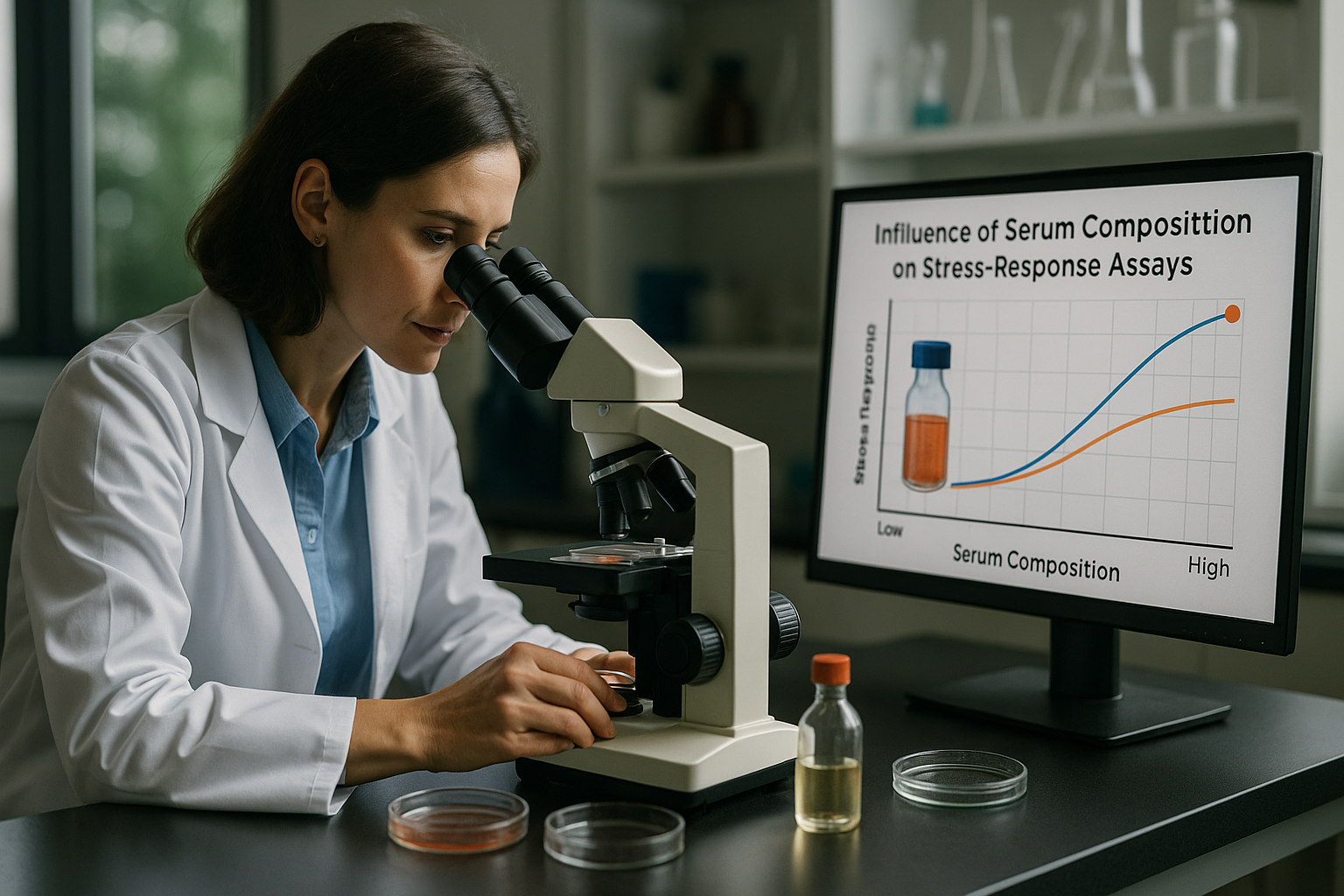
Serum serves as a critical supplement in cell culture media, providing essential nutrients, hormones, and growth factors that support cellular growth and function. In stress-response assays, the serum must maintain physiological conditions, mimicking the extracellular environment experienced by cells in vivo. The complexity of serum components, however, can lead to varied cellular responses, underscoring the importance of selecting the appropriate serum type and composition for specific experimental needs.
- Serum aids in cell adhesion and survival.
- It contains growth factors essential for cell proliferation.
- Components such as hormones influence signal transduction pathways.
Continúe leyendo para explorar información y estrategias más avanzadas.
Influence of Serum Composition on Cellular Stress Responses
Impact of Variability in Serum Components
The composition of serum can vary significantly due to factors like species variation and processing methods. This variability can alter cellular stress responses, impacting the outcomes of stress-response assays. Investigating the effects of different serum types, like fetal bovine serum (FBS) and human serum, is crucial for optimizing assay conditions and ensuring reproducibility.
- FBS is commonly used due to its wide range of growth-promoting factors.
- Human-derived sera can provide more physiologically relevant responses for human cells.
- Lot-to-lot variability poses a challenge for consistency.
Continúe leyendo para explorar información y estrategias más avanzadas.
Methods to Mitigate Serum Variability in Experiments
Strategies for Consistency and Reproducibility
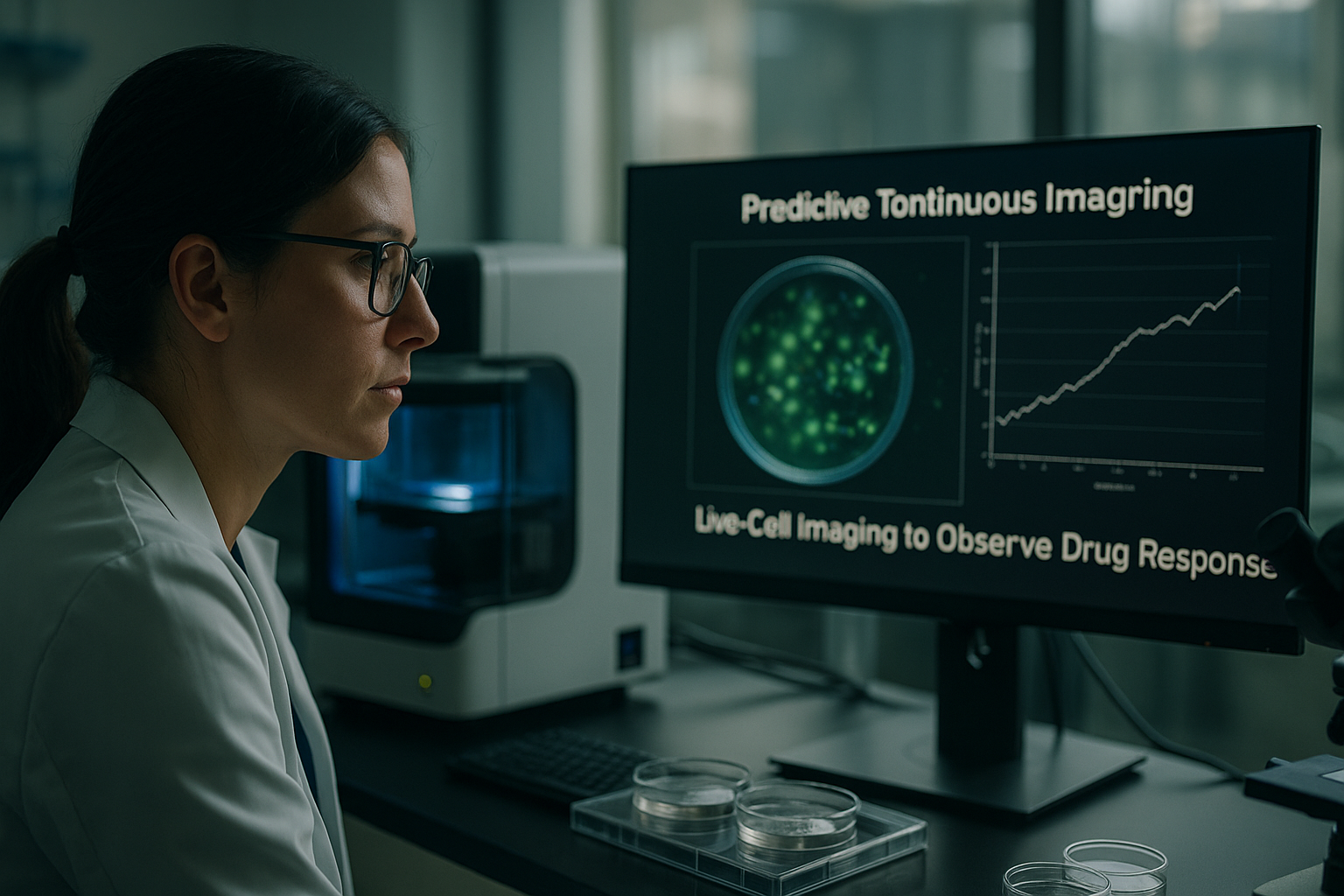
To address serum variability, researchers can employ several strategies to enhance the reliability of their experiments. Selecting high-quality sera with documented traceability is fundamental. Additionally, using technologies such as the zenCELL owl incubator-compatible live-cell imaging system allows for real-time monitoring of cellular behavior, further ensuring reproducibility and consistency in stress-response assays.
- Opt for sera with thorough quality control testing.
- Reserve and test batches of serum for consistency.
- Utilize live-cell imaging systems for continuous monitoring.
Continúe leyendo para explorar información y estrategias más avanzadas.
Quality Control and Documentation in Serum Utilization
Ensuring Traceability and Compliance
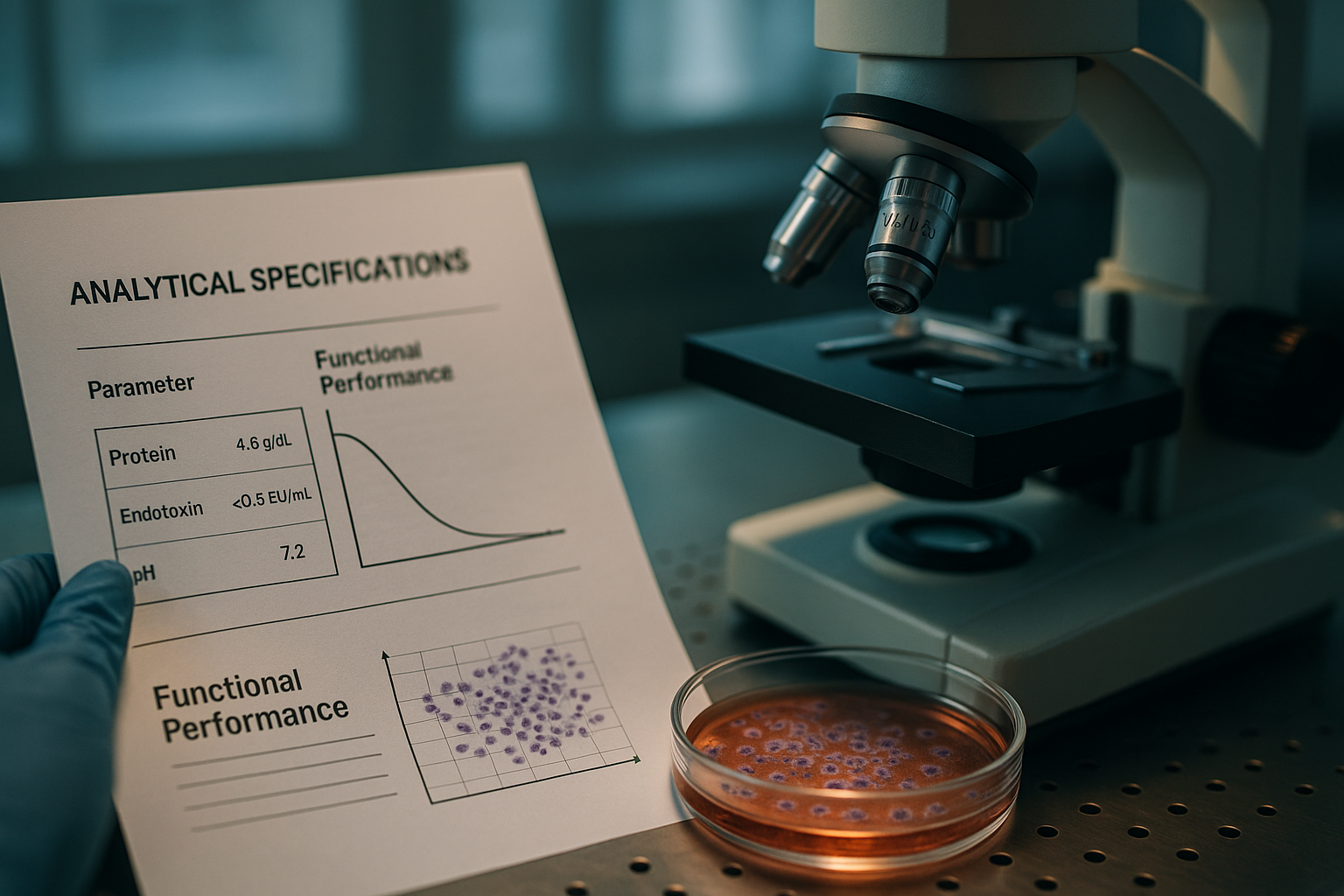
Quality control and documentation are vital for minimizing variability in serum-based experiments. Researchers should prioritize sera that offer detailed documentation, including information on the biological source, processing methods, and quality metrics. Maintaining such documentation aids in tracing experimental discrepancies and aligning studies with regulatory standards.
- Detailed documentation supports experimental traceability.
- Adhering to regulatory standards ensures ethical compliance.
- Proper storage and handling maintain serum integrity.
Continúe leyendo para explorar información y estrategias más avanzadas.
“`
“`
Balancing Serum as a Part of Experimental Controls
Optimizing Conditions for Consistent Outcomes
Researchers must balance serum composition as a critical part of experimental controls to reduce variability. The consistency in the nutrients and bioactive molecules provided by the serum is necessary for maintaining stable environmental conditions in which cell behavior can be reliably observed and assessed. A strategic approach involves performing preliminary tests to identify the serum composition that closely mirrors physiological conditions, minimizing discrepancies due to extracellular environment changes.
- Conduct preliminary compatibility tests to identify optimal serum types for experiments.
Serum-free and Defined Culture Media: An Alternative Approach
Reducing Variability and Enhancing Reproducibility
With growing concerns around serum variability, adopting serum-free or chemically defined media is increasingly popular. These media types eliminate the undefined nature of traditional serum, improving the reproducibility of experiments. Serum-free media can be particularly beneficial for specific cell lines and applications, such as producing consistent cellular responses in drug screening assays.
- Consider serum-free media for applications requiring high reproducibility.
Integration of Advanced Cell Culture Technologies
Enhancing the Precision of Stress-Response Assays
The integration of advanced technologies, such as automated cell culture systems and high-throughput screening, has allowed researchers to reduce human error and improve assay precision. Implementing technologies like microfluidic devices enables detailed control of experimental conditions, providing insights into cell behavior under precise stress conditions without serum variability.
- Investigate microfluidic devices for controlling cell culture microenvironments.
Leveraging Computational Models to Aid Experimental Design
Predictive Tools for Serum Component Analysis
Computational models can serve as powerful predictive tools in analyzing the effects of different serum components on cellular responses. Using these models, researchers can simulate various conditions to predict how cells might respond under specific serum compositions, saving time and resources by optimizing experimental setups in silico before in vivo or in vitro experimentation.
- Utilize computational modeling to predict serum effects on cellular responses.
Case Study: Impact of Serum Selection on Drug Discovery
Lessons Learned from Variable Serum Use
A recent case study in the realm of drug discovery highlighted the pivotal role serum selection plays in preclinical trials. A pharmaceutical company discovered that inconsistent results in their cellular assays were linked to variations in serum batches. By standardizing serum sources and implementing defined media protocols, they improved data consistency, accelerating their drug development pipeline.
- Gain insights from industry case studies to refine assay conditions.
Collaborative Approaches to Standardize Serum Resources
Building Partnerships for Quality Assurance
Collaboration between academic institutions and commercial serum suppliers can lead to the development of standardized serum products. By sharing data and experiences, stakeholders can improve the overall quality and consistency of serum products, aiding all researchers reliant on these resources for stress-response assays.
- Engage in partnerships for access to high-quality, standardized serum products.
Establishing Benchmarks for Serum Quality
Focus on Quality Metrics and Guidelines
Establishing benchmarks and quality metrics for serum products is critical for researchers to evaluate and compare different serum sources effectively. Industry guidelines can guide the creation of certifications that ensure sera are produced to specific quality standards, thereby providing confidence in their use for sensitive assays.
- Benchmark serum products against established quality standards.
A continuación, concluiremos con los puntos clave, métricas y una conclusión contundente.
“`
“`
Exploring Bioinformatics to Decipher Serum Complexity
Innovative Data Analysis for Serum Component Identification
Bioinformatics tools provide researchers with sophisticated data analysis capabilities that facilitate the understanding of complex serum compositions. By deploying these advanced methods, scientists can better characterize the biologically active compounds within serum, thereby elucidating their roles in cellular processes. The adoption of bioinformatics can significantly enhance the quality of insights obtained from stress-response assays, ultimately leading to more precise and predictable outcomes.
- Incorporate bioinformatics to reveal detailed insights into serum components.
Paving the Way for Personalized Serum Solutions
Tailoring Serum to Meet Specific Experimental Needs
The concept of personalized serum solutions is emerging as a promising field, drawing parallels with personalized medicine. By customizing serum compositions tailored to the unique requirements of specific assays, researchers can ensure optimal conditions for cellular health and activity. Such advancements not only enhance the predictability of experimental outcomes but also pave the way for innovations in stress-response assay methodologies.
- Explore opportunities for developing personalized serum compositions.
Conclusión
In the realm of biomedical research, the intricacies of serum composition present both a challenge and an opportunity for conducting precise stress-response assays. As we explored throughout this article, the influence of serum on experimental outcomes is profound, necessitating careful consideration and strategic implementation within laboratory settings. Key takeaways include the importance of balancing serum composition as part of experimental controls, the adoption of serum-free media for enhanced reproducibility, and the integration of advanced cell culture technologies to improve assay precision.
Furthermore, the use of computational models and bioinformatics tools offers promising avenues for understanding and predicting the impacts of variable serum components, while industry collaborations and standardized benchmarks ensure the consistent quality of serum products. As emphasized, the selection and customization of serum profoundly affect drug discovery processes, exemplified by case studies illustrating the consequences of variable serum use and the benefits of adopting standardized protocols.
The relevance of these insights cannot be overstated for researchers striving to mitigate variability and achieve repeatable results in their experiments. By leveraging the combination of technological advancements and enhanced analytical techniques, the research community can continue driving innovative solutions and improving the efficacy of pharmaceutic and therapeutic breakthroughs.
As we conclude, let us reflect on the critical role that serum plays in shaping the landscape of stress-response assays. It is imperative for researchers to remain proactive in refining their approaches, seeking partnerships, and embracing new technologies that offer solutions to serum-related challenges. Through these concerted efforts, the scientific community can make substantial strides in achieving more reliable and reproducible results, thereby accelerating the path from discovery to application.
Whether you are an established researcher or an aspiring scientist, the path forward calls for embracing innovation, collaboration, and dedication to excellence in experimental design. By doing so, we can collectively contribute to a future where precise and consistent scientific inquiry leads to transformative health advancements. Let this article serve as a catalyst to inspire and guide you on your journey of exploration and discovery within the captivating world of serum science.
“`