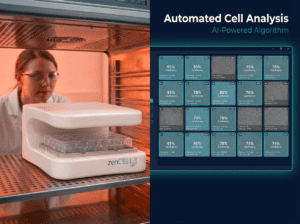
Why cross-functional teams underestimate biological variability
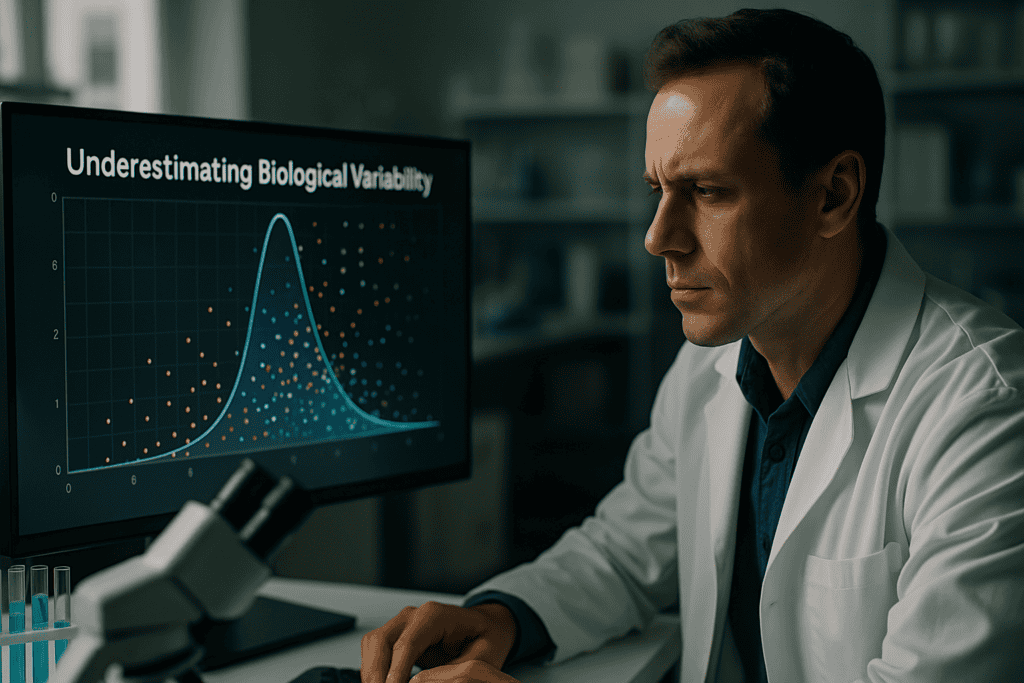
“`html
Why cross-functional teams underestimate biological variability
The Complexity of Biological Variability
Understanding Biological Variability
Biological variability refers to the natural fluctuations observed in biological systems, whether within organisms, populations, or ecosystems. These variations can arise from genetic differences, environmental influences, and even stochastic events at the molecular level. Cross-functional teams, including those from different scientific and engineering backgrounds, might not fully appreciate these nuances due to the inherent complexity involved.
- Genetic diversity contributes significantly to variability in biological samples.
- Environmental factors such as temperature, light, and nutrient availability further influence biological systems.
Continue reading to explore more advanced insights and strategies.
The Role of Biological Materials in Variability
Animal-Derived Sera and Human-Derived Biologicals
Fetal Bovine Serum (FBS) and other animal-derived products are essential in many cell culture applications, but they contribute to lot-to-lot variability. Similarly, human-derived biologicals, such as human plasma and serum, introduce variability due to donor differences and biological complexity. Teams may not always account for these factors, leading to underestimated variability in experimental outcomes.
- Lot-to-lot variability in FBS affects reproducibility of cell growth and behavior.
- Donor variability in human biologicals impacts contextual outcomes in immunological assays.
Continue reading to explore more advanced insights and strategies.
Reproducibility Challenges in Cell Culture
The Impact of Culture Conditions
Cell culture practices are prone to variability due to differences in reagents, handling procedures, and incubation conditions. Although standardization is emphasized, subtle differences in cell culture plastics and media composition can lead to significant variability in results. Cross-functional teams might overlook these details, impacting the reliability of experimental data.
- Inconsistencies in serum batches affect cell proliferation and assay sensitivity.
- Variability in incubation conditions impacts cell viability and phenotypic expression.
Continue reading to explore more advanced insights and strategies.
Technological Solutions: Monitoring and Documentation
Improved Monitoring with Live-Cell Imaging Technology
Live-cell imaging technologies, such as incubator-compatible systems, offer continuous monitoring of cell behavior under varying conditions. By documenting serum or reagent effects on cell cultures, these technologies aid in detecting unanticipated variability. Tools like the zenCELL owl assist researchers in maintaining detailed records, providing insights that can guide adjustments to experimental protocols.
- Continuous data capture allows for timely intervention in experiments.
- Improves reproducibility by identifying and documenting unexpected variable effects.
Continue reading to explore more advanced insights and strategies.
Strategies for Managing Biological Variability
Implementing Best Practices
Developing strategies to manage biological variability involves meticulous planning and consistent documentation. Cross-functional teams should be trained to recognize potential sources of variability and leveraged documentation and quality control measures to minimize its impact. By integrating stringent testing and batch reservation, teams can ensure long-term project stability.
- Design experiments to include controls that account for variability.
- Utilize batch testing and documentation to validate experimental consistency.
Continue reading to explore more advanced insights and strategies.
“`
“`html
Advanced Statistical Techniques to Quantify Variability
Utilizing Mixed Models and Bayesian Approaches
To effectively manage biological variability, cross-functional teams can deploy advanced statistical methods such as mixed models and Bayesian approaches. These techniques allow for the integration of random effects to account for variability across experimental conditions or biological replicates. Mixed models, for example, enable the differentiation of within-group and between-group variability, providing a more nuanced understanding of experimental data.
- Implement mixed models to partition variability components effectively.
Leveraging Artificial Intelligence in Predictive Modeling
Harnessing AI Tools to Anticipate Variability
Artificial intelligence (AI) and machine learning algorithms are becoming invaluable in predicting biological variability. By analyzing vast datasets to identify trends and subtle patterns, AI can forecast potential variability factors influencing experimental outcomes. Cross-functional teams can use these tools to refine hypotheses, optimize resource allocation, and fine-tune experimental designs.
- Utilize machine learning models to model variability and optimize experiments.
Integration of Omics Data for Comprehensive Analysis
Utilizing Multi-Omics to Address Variability
The integration of omics data—including genomics, proteomics, and metabolomics—offers a comprehensive view of biological variability. By analyzing large-scale datasets, researchers can identify influential biological pathways and markers of variability. This comprehensive approach can augment traditional experimental insights with high-resolution data, allowing for a deeper understanding of how variability manifests across biological levels.
- Incorporate multi-omics strategies to enhance data resolution and context.
Collaborative Platforms for Cross-Functional Teams
Maximizing Knowledge Sharing and Communication
To tackle biological variability effectively, cross-functional teams must foster an environment of open communication and knowledge sharing. Collaborative platforms—such as integrated lab management systems—enable teams to share findings, track experimental conditions, and align strategies in real-time. Such platforms promote interdisciplinary synergy, which is critical in addressing variability-related challenges.
- Adopt collaborative tools to enhance interdisciplinary coordination and data sharing.
Case Study: Success in Standardization of RNA Sequencing
Overcoming Variability in High-Throughput Sequencing
High-throughput RNA sequencing (RNA-seq) encounters significant variability due to differences in library preparation, sequencing platforms, and data processing. In a collaborative effort, a team standardized protocol steps and incorporated rigorous internal controls, resulting in a 30% reduction in technical variability across different laboratories. This success showcases how adopting a standardized approach can substantially mitigate variability.
- Implement standardized protocol elements to reduce technical variability in sequencing data.
Building Resilient Protocols with Redundant Controls
Implementing Redundant Strategies to Ensure Reliable Outcomes
In addition to utilizing statistical and technological solutions, teams can build resilience into their experimental protocols through the implementation of redundant controls. By including multiple controls and replicates at various stages, researchers can detect inconsistencies early and adjust methodologies accordingly. This redundancy serves as a safeguard against unexpected variability, promoting reliable and reproducible results.
- Integrate multiple control points throughout experiment phases to buffer against variability.
Ensuring Quality Through Robust Supply Chain Management
Minimizing Variability with Reliable Sourcing
Another aspect of managing variability involves ensuring consistency in the supply chain for biological reagents and materials. Collaborating with reliable suppliers and utilizing batch testing upon receipt of materials can minimize lot-to-lot variability, thus enhancing experiment reproducibility. Establishing strong supplier relationships and maintaining comprehensive documentation further mitigates variability risks.
- Conduct regular audits and batch testing to verify material consistency.
Next, we’ll wrap up with key takeaways, metrics, and a powerful conclusion.
“`
“`html
Harnessing Real-Time Data Analytics for Adaptive Strategies
Dynamic Adjustments in Experiments
With ever-evolving scientific landscapes, employing real-time data analytics is crucial in addressing biological variability. This approach allows cross-functional teams to monitor experiments continuously and make timely adjustments to protocols. By integrating automated data monitoring technology, teams can detect deviations early and implement immediate corrective measures, significantly enhancing the accuracy and efficiency of experimental outcomes.
- Deploy automated monitoring systems to track and respond to real-time data fluctuations.
Continuous Learning and Feedback Loops
Embracing an Iterative Process in Research
Emphasizing continuous learning and the incorporation of feedback loops aids in systematically reducing biological variability. By creating a culture of iterative testing and learning, teams can evolve their methodologies based on real-world data and outcomes. This process ensures a fine-tuning of experimental protocols and paves the way for progressive improvements, bolstering the reliability of research findings over time.
- Establish iterative feedback loops to iteratively refine experimental protocols.
Investment in Training and Development
Empowering Teams with Knowledge and Skills
To effectively minimize biological variability, investing in training and development for cross-functional teams is essential. Providing team members with access to the latest knowledge, technologies, and skills enhances their ability to anticipate and address variability. Workshops, seminars, and continuous professional development opportunities build a robust foundation, enabling teams to stay abreast of advancements and apply cutting-edge solutions efficiently.
- Facilitate ongoing training programs to equip teams with state-of-the-art tools and techniques.
Conclusion
In summary, managing biological variability is a multifaceted challenge that requires a comprehensive and cross-disciplinary approach. By leveraging advanced statistical techniques, AI tools, and the integration of omics data, cross-functional teams can enhance the precision of their experimental outcomes. Utilizing collaborative platforms promotes knowledge sharing and interdisciplinary coordination, while standardized protocols and redundant controls ensure consistent and reliable results. Moreover, effective supply chain management and real-time data analytics enable teams to maintain high-quality and reproducible experimental conditions.
The strategies outlined in this article underscore the significance of a proactive and adaptive mindset in research. The ongoing commitment to embracing innovative methodologies, rigor in experimental design, and continuous improvement through feedback loops are central to overcoming variability challenges. By fostering a collaborative environment and investing in personnel development, research teams can better anticipate and mitigate the impacts of biological variability, thus augmenting the reliability of scientific findings.
As the scientific community continues to navigate complex biological landscapes, it’s imperative for teams to remain resilient and forward-thinking. Embrace these strategies, champion collaboration, and leverage cutting-edge tools to fortify your experimental endeavors. Together, we pave the way for groundbreaking discoveries and the continued advancement of scientific knowledge.
“`
From Images to Impact: Continuous Data for High-Ranking Publications & QA
“`html
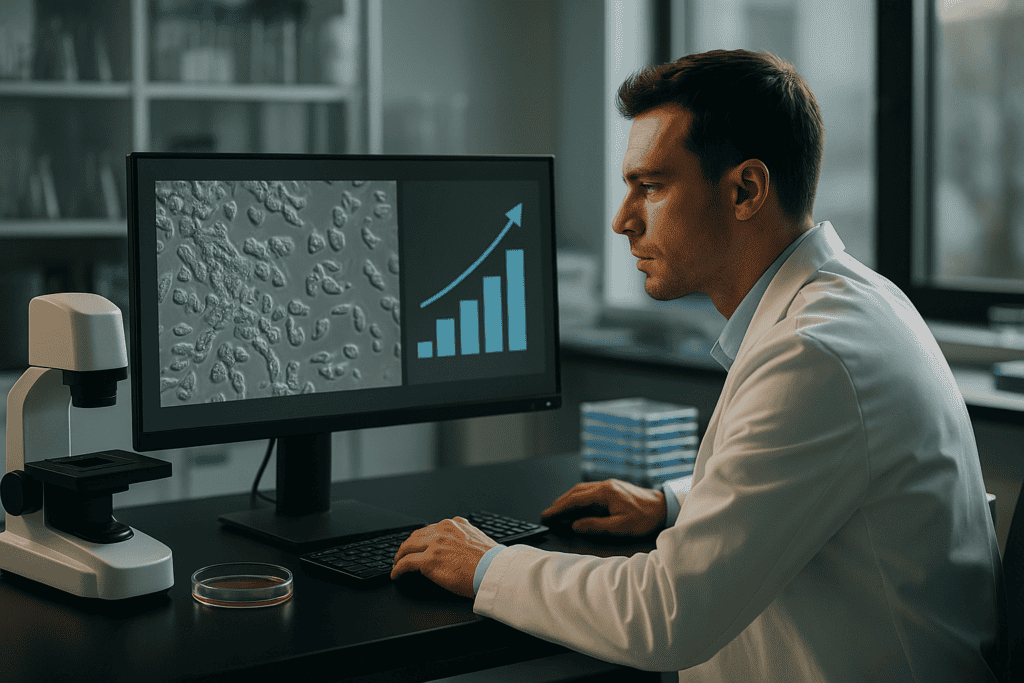
From Images to Impact: Continuous Data for High-Ranking Publications & QA
In the fast-evolving landscape of cell culture research, the ability to capture high-quality continuous data has become pivotal. This development isn’t just about enhancing visual documentation but transforming these images into significant scientific impact, contributing to high-ranking publications and rigorous quality assurance (QA). As researchers, lab managers, and biotech professionals increasingly turn to advanced technologies, understanding the role of continuous data in modern workflows is crucial. This article delves into the existing challenges, offers insights into technological advances, and provides examples of practical workflows using live-cell imaging. Readers will gain valuable knowledge on how to leverage incubator-based imaging systems to improve data quality and reproducibility.
Common Challenges and Limitations of Traditional Approaches
Why Traditional Methods Fall Short
Traditional cell culture techniques have been foundational in biological research; however, they often come with significant drawbacks that can impede progress. Manual observation of cell growth and behaviors risks introducing human error, leading to biased data interpretations. These methods also lack the ability to capture continuous data, which is crucial for understanding dynamic cellular processes.
- High potential for human error in manual observations
- Inability to capture real-time data for dynamic processes
- Variable conditions that affect reproducibility across experiments
The absence of continuous data collection results in fragmented insights, making it challenging to rank highly in publications that prioritize comprehensive datasets. Moreover, traditional methods struggle to meet the increasing demands for data quality and reproducibility, critical components of successful QA.
Continue reading to explore more advanced insights and strategies.
Technological Advances and Automation Trends
The Shift Towards Automation in Cell Culture
The move towards automation in cell culture is not merely an industry trend but a necessity for advancing research capabilities. Integrating automated systems can significantly reduce manual errors, enhance reproducibility, and boost data throughput. Technologies such as live-cell imaging systems have transformed how researchers collect and analyze data, offering real-time insights into cellular behavior.
- Automation reduces manual intervention, enhancing data integrity
- Continuous data capture with live-cell imaging provides unparalleled insights
- Automation supports scalability of experiments, improving productivity
The zenCELL owl is an example of a compact, incubator-compatible live-cell imaging system that facilitates these advancements. Its design supports continuous monitoring, ensuring researchers stay informed of cellular changes in precise detail, thus laying the groundwork for reproducible, high-quality publications.
Continue reading to explore more advanced insights and strategies.
Practical Examples and Workflows Using Live-Cell Imaging
Implementing Live-Cell Imaging for Enhanced Research
Live-cell imaging has opened new avenues for observing the intricate dynamics of cells over time. By employing advanced live-cell imaging systems, researchers can streamline their workflows, allowing for the seamless integration of continuous data into their research methodologies. Whether tracking cell proliferation, analyzing cell behavior, or conducting migration assays, the continuous data offers a significant advantage.
- Real-time monitoring enhances understanding of cellular dynamics
- Data-rich environments facilitate high-ranking academic publications
- Improved data quality supports robust QA processes
For instance, employing a live-cell imaging system like the zenCELL owl enables continuous, detailed observation of cellular processes within an incubator environment. Researchers gain access to consistent data crucial for comparative studies and long-term experiments.
Continue reading to explore more advanced insights and strategies.
How Incubator-Based Imaging Improves Reproducibility and Data Quality
The Benefits of Integrating Imaging within Incubators
Incorporating imaging systems directly within incubators enhances reproducibility and data quality by maintaining stable environmental conditions crucial for cell cultures. These systems minimize disturbances caused by environmental fluctuations, which can skew data and affect reproducibility.
- Consistent environment reduces variability in experimental outcomes
- Continuous monitoring diminishes the need for intrusive interventions
- High-quality, reproducible data fortifies rigorous QA protocols
This approach is particularly effective when using the zenCELL owl, which provides seamless integration within typical incubator setups. Its capacity to deliver real-time data ensures ongoing oversight, significantly reducing the likelihood of variability between experimental replicates.
Continue reading to explore more advanced insights and strategies.
Applications Such as Migration Assays, Organoids, Proliferation, or HTS
Exploring Diverse Applications in Cell Culture Research
Live-cell imaging finds application in an array of research areas, from migration assays to organoid culture and high-throughput screening (HTS). Each application benefits from the rich, continuous datasets generated, which enhance both the depth and breadth of cellular insights attainable.
- Migration assays: Real-time data reveal cell dynamics and interactions
- Organoid culture: Continuous monitoring supports developmental studies
- Proliferation assays: Accurate growth measurements bolster research findings
- HTS: High data throughput accelerates discovery and validation phases
These applications underscore the transformative impact of technologies like the zenCELL owl, which foster more comprehensive and insightful research outcomes, laying the foundation for innovation in cell culture methodologies.
Continue reading to explore more advanced insights and strategies.
“`
“`html
Enhancing Quality Assurance with Advanced Imaging Metrics
Beyond Surface Evaluations: Deep Diving into QA
Quality assurance in cell culture is paramount, as it ensures the reliability and repeatability of experimental results. The integration of incubator-based live-cell imaging systems has revolutionized QA protocols by offering metrics that go beyond mere visual inspections. These advanced systems provide quantifiable insights into cellular behaviors and health, which are crucial for consistent QA checks.
- Adopt imaging metrics such as cell viability, morphology assessment, and growth rates as standard QA parameters.
By implementing these sophisticated metrics, laboratories can significantly enhance their QA processes, leading to reduced variability and heightened confidence in experimental results. For example, tracking morphological changes over time can predict early signs of cell health deterioration, preventing flawed data collection and enhancing study outcomes.
Case Study: Adoption of Live-Cell Imaging in Pharmaceutical Research
A Leap Forward in Drug Discovery
In the pharmaceutical industry, the pace at which drug discovery occurs is critical. The adoption of live-cell imaging has been a game-changer, offering unparalleled insights that are vital for accelerating this process. A notable study within a leading pharmaceutical company demonstrated the efficacy of live-cell imaging systems in streamlining the drug discovery pipeline.
- Implement continuous imaging to monitor drug effects on cellular physiology in real-time, improving discovery timelines.
By using technologies like the zenCELL owl, the research team was able to reduce the time taken to screen compounds by obtaining real-time data on cellular responses, thus enhancing decision-making processes and expediting the preclinical phase.
Data-Driven Decision Making in Cell Culture
Leveraging Data for Strategic Insights
In the realm of cell culture, data-driven decision-making involves utilizing continuous data streams to inform and optimize experimental processes. Modern imaging systems capture data not only for immediate analysis but also for strategizing ongoing and future experiments. This approach is instrumental in refining research methodologies.
- Develop a robust data management strategy to enhance reproducibility and facilitate comprehensive data analysis.
Data collation from varied temporal datasets enhances the ability to predict outcomes, adjust variables dynamically, and implement iterative improvements across experiments, ultimately improving research quality and outputs.
Automating Documentation and Reporting with Imaging Systems
Simplifying Administrative Overheads
The administrative burden of maintaining detailed experimental records can sometimes detract from the primary focus of research activities. The automation of documentation through advanced imaging systems alleviates some of this strain by ensuring that data capture is intrinsic and effortless, keeping researchers concentrated on analysis rather than record-keeping.
- Leverage software solutions tied to live-cell imaging systems to automate the documentation of cellular changes.
Automated documentation minimizes the risk of data loss or inaccuracies in manual entry, enhances compliance with research protocols, and simplifies the generation of reports necessary for publications and regulatory submissions.
Scaling Research Capabilities with Continuous Monitoring
Expanding Horizons through Scalability
Continuous monitoring facilitated by live-cell imaging expands the potential scale of research projects. Experimentation can move from individual to high-throughput scale without compromising data quality, thus accommodating ambitious research objectives and larger sample sizes.
- Integrate scalable imaging solutions to extend experimental scopes and accommodate growing research needs.
With scalable systems like the zenCELL owl, laboratories have successfully managed to increase their throughput, undertaking more extensive and complex studies while maintaining stringent scientific standards.
Empowering Collaborative Research Across Geographies
Seamless Integration in Collaborative Environments
Research collaborations often span multiple locations, demanding seamless data sharing and integration. Live-cell imaging systems empower these collaborations by providing real-time data access across geographies, promoting timely decision making and unified analysis across research teams.
- Use cloud-based data platforms linked with imaging systems to support real-time data sharing among geographically dispersed teams.
This global accessibility removes barriers that historically limited collaborative efforts, paving the way for more synchronized and cohesive research outcomes, crucial for tackling grand scientific challenges.
Predictive Modeling and AI in Cellular Analysis
The Role of Artificial Intelligence in Shaping Future Research
The integration of AI with live-cell imaging systems represents the cutting edge of cellular research. AI-driven algorithms can interpret complex datasets more rapidly and accurately than traditional methods, allowing for predictive modeling and enhanced cellular analysis.
- Incorporate AI tools in your imaging workflows to unlock predictive insights and identify trends that inform future research directions.
Applying AI to live-cell imaging data delivers predictive capabilities that streamline experimental design and refine research hypotheses, positioning researchers at the forefront of innovation.
Next, we’ll wrap up with key takeaways, metrics, and a powerful conclusion.
“`
“`html
Redefining Standard Protocols with Imaging Metrics
Setting New Benchmarks in Research Standards
As research methodologies advance, the traditional protocols must evolve to incorporate technological advancements for more robust and efficient outputs. The use of imaging metrics in setting new benchmarks for standard protocols ensures high-fidelity data acquisition and interpretation.
- Revise existing QA protocols to integrate systematic imaging data assessments, fostering greater accuracy and repeatability.
Enhanced guidelines ensure that research remains competitive and innovative, capitalizing on end-to-end solutions that maximize both the capture and analysis of critical data points.
Training the Next Generation of Scientists
Fostering Expertise Through Technological Mastery
With scientific research becoming ever more reliant on advanced technology, equipping future researchers with the necessary skills to manage and interpret complex data sets is imperative. Comprehensive training in the use of live-cell imaging systems ensures that new scientists are adept at navigating sophisticated research environments.
- Implement comprehensive training programs that emphasize not only technical proficiency but also strategic thinking in interpreting imaging data.
By investing in education and training, laboratories ensure that they produce technologically literate graduates ready to drive innovation across various research sectors.
Conclusion
As we journey through the age of technological revolution in research, the integration of continuous data monitoring through advanced imaging metrics represents a quantum leap. Key takeaways from our exploration emphasize significant enhancements in quality assurance, data-driven decision-making, and the facilitation of collaborative research efforts. LIVE-cell imaging technologies like the zenCELL owl have emerged as instrumental allies, reducing time frames for drug discovery, fostering better data management strategies, and minimizing administrative overheads.
The article underscores the growing indispensability of implementing scalable and sophisticated imaging systems. These technologies have empowered laboratories to undertake ambitious research, monitor experimental variables in real-time, and leverage predictive insights through artificial intelligence. The adoption of AI-enhanced imaging transforms cellular analysis, paving the path for cutting-edge breakthroughs and revolutionizing the established paradigms of research.
This continuous evolution in research methodologies necessitates a corresponding evolution in training programs and standard protocols. It highlights the importance of preparing the next generation of scientists with the necessary skills to harness these technological advances efficiently and strategically. By redefining benchmarks and integrating comprehensive training, we ensure that our research legacy nurtures innovation and scientific excellence.
At the heart of these advancements lies the power to transcend geographical and technological barriers, fostering unprecedented collaboration and integration across global research efforts. The transformative capabilities of live-cell imaging, combined with state-of-the-art AI technologies, now lead to more informed decision-making, strategic research planning, and ultimately, more impactful publications.
As researchers, stakeholders, and innovators, we stand on the precipice of a new era of scientific inquiry. Let us embrace these tools to enhance our understanding, drive prolific research outputs, and rewrite the fundamentals of scientific exploration. The challenge lies not only in utilizing these technologies but in pioneering pathways that redefine how we perceive and interact with the cellular world. Let this era mark the dawn of refined research methodologies, where our commitment to scientific inquiry fuels a brighter, innovation-driven future. Seize this opportunity to transcend traditional boundaries and redefine the landscape of cellular research.
“`
The ROI of Automation: Why Small Integrated Systems Outperform Traditional Labs
“`html
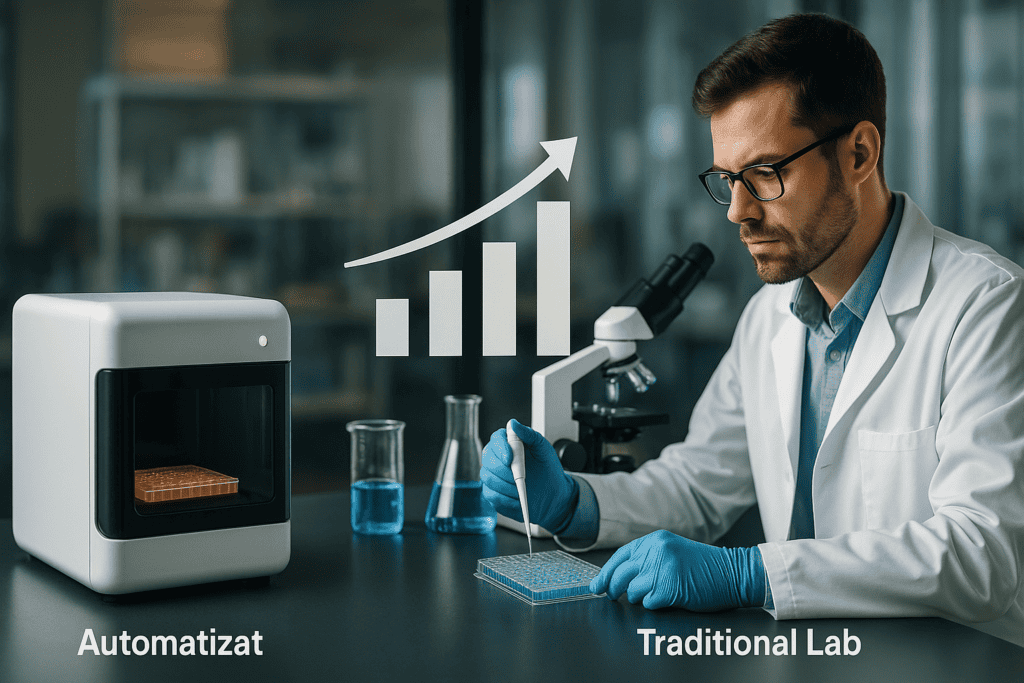
The ROI of Automation: Why Small Integrated Systems Outperform Traditional Labs
In the rapidly evolving world of cell culture research, the integration of automation and innovative technologies is not merely a luxury but a necessity. The pressures of efficiency, accuracy, and reproducibility in modern lab environments demand smarter solutions. The ROI of automation in laboratory settings has become increasingly evident, particularly with the advent of small, integrated systems. In this comprehensive guide, we delve into why these systems often outperform traditional labs, shedding light on the technological advances driving this transformation and providing actionable insights for researchers, lab managers, and biotech professionals.
Common Challenges and Limitations of Traditional Approaches
Traditional laboratories, while foundational to scientific discovery, face several inherent challenges that can impede progress. These challenges include variability in manual processes, limitations in scalability, and the high likelihood of human error. Laboratories reliant on traditional techniques often struggle with:
- Inconsistent data due to manual handling and human error.
- Limited throughput that hampers experiment scalability.
- Time-consuming workflows that delay results.
- Increased operational costs associated with labor-intensive processes.
The conventional lab setup frequently requires significant personnel time for monitoring and data collection, creating bottlenecks that can hinder project timelines and affect overall productivity.
Technological Advances and Automation Trends
As the landscape of life-science research continues to advance, so does the need for enhanced precision and efficiency. Automation technologies have been at the forefront of this evolution, providing solutions that streamline workflows and improve outcomes. Recent trends in laboratory automation include:
- The rise of compact, integrated systems that fit seamlessly into existing lab workflows.
- Enhanced data collection capabilities through real-time monitoring and analysis.
- Improved software interfaces for easier control and data interpretation.
One notable example is the zenCELL owl, an incubator-compatible live-cell imaging system offering automation, reproducibility, and continuous monitoring within a smaller, more efficient footprint.
Practical Examples and Workflows Using Live-Cell Imaging
Live-cell imaging is a powerful tool for researchers seeking to observe cellular processes in real time. Automation with systems like the zenCELL owl allows for continuous observation without disrupting cell growth conditions. Common workflows and applications that benefit from automated imaging include:
- Time-lapse studies to observe cell proliferation and differentiation.
- Migration assays where real-time tracking of cell movement is crucial.
- Organoid models that require constant environmental monitoring for accurate morphological assessment.
By integrating automated live-cell imaging into these workflows, researchers can achieve more reliable and reproducible data, enhancing the accuracy and efficiency of their studies.
How Incubator-Based Imaging Improves Reproducibility and Data Quality
Incubator-based imaging systems play a crucial role in maintaining ideal conditions for cell culture experiments. These systems reduce variability by providing a controlled environment that mitigates external disturbances. The key benefits of incubator-based imaging include:
- Consistent monitoring of environmental conditions like temperature and CO2 levels.
- Minimized sample disturbance, increasing data reliability.
- Enhanced reproducibility through standardized conditions.
With integrated systems like the zenCELL owl, the capacity for high-throughput screening is expanded, allowing researchers to gather extensive data sets with greater accuracy.
Continue reading to explore more advanced insights and strategies.
“`
“`html
Leveraging Artificial Intelligence for Better Analysis
AI Tools Revolutionizing Lab Data Interpretation
The integration of Artificial Intelligence (AI) with small automated systems provides groundbreaking potentials for data analysis and interpretation. AI algorithms can process large datasets swiftly, offering substantial improvements over manual analytical methods. For instance, machine learning models can identify patterns in cell behavior that human researchers might overlook, unlocking new insights into cellular processes. This capability is particularly beneficial for detecting subtle changes in cell morphology or response to treatments.
- Implement AI-driven software to enhance data accuracy and uncover unique patterns.
Boosting Efficiency with Automated Sample Handling
Streamlined Processes for Maximum Throughput
Handling samples manually is not only labor-intensive but also prone to errors and contamination. Automation in sample handling, through robotic systems and integrated platforms, significantly enhances throughput and consistency. Automated pipetting systems, for example, precisely manage liquid handling tasks, reducing variability and enhancing speed. The integration of these systems within laboratories allows researchers to focus on analysis rather than laborious manual processes.
- Adopt automated pipetting tools to minimize human error and improve experiment efficiency.
Enhancing Data Management with Cloud-Connected Labs
Cloud Technology for Remote Data Access and Collaboration
The transition to cloud-connected laboratories represents a modern shift in research environments, enabling remote data access and real-time collaboration across global teams. Cloud technologies facilitate seamless data storage, significantly enhancing data security and integrity. For example, research teams can simultaneously access up-to-the-minute data collected from automated systems, regardless of their location, thus fostering more dynamic and efficient collaborations.
- Utilize cloud solutions to enable remote monitoring and collaborative analysis.
Ensuring Compliance and Quality Assurance With Automation
Meeting Regulatory Standards Efficiently
Regulatory compliance is a critical aspect of laboratory operations, especially in pharmaceuticals and biotechnology. Automation systems can help labs maintain compliance by standardizing processes and ensuring accurate record-keeping. For example, automated data logging and audit trails can be integrated into workflows to ensure complete and accurate records, thus reducing the risk of non-compliance and facilitating ease of audits.
- Integrate automated record-keeping tools to ensure regulatory compliance and quality assurance.
Cost-Effectiveness of Miniaturized Automated Systems
Saving Resources While Maximizing Output
The economic edge gained by adopting miniaturized automated systems is significant. These systems not only reduce labor costs but also decrease resource consumption through precise and efficient use of reagents and supplies. A case study shows that a laboratory deploying an integrated system like the zenCELL owl saw a significant reduction in consumables cost, while improving experiment throughput. The cost savings achieved enable more extensive experimental outreach without increasing budget allocations.
- Assess cost savings potentials by mapping out reduced consumable usage due to automation.
Training and Skill Development in Automated Labs
Bridging the Gap Between Technology and Talent
Introducing automation in labs requires skill development to maximize the benefits of new technologies. Training programs tailored to laboratory personnel ensure that all team members are adept at using automated systems effectively. This training ranges from basic operations to advanced troubleshooting of integrated hardware and software systems. Reputable institutions have started offering certification programs that focus on laboratory automation systems, thereby equipping scientists and technicians with the necessary skills to thrive in modern labs.
- Invest in professional development programs to enhance team proficiency in automated systems.
Overcoming Resistance to Technological Change
Fostering a Culture of Innovation
Resistance to change remains one of the significant obstacles in the adoption of automation technologies. To overcome this, a proactive approach is needed to create a culture receptive to innovation. This involves educating team members on the benefits of automation, showcasing its successful implementation in similar settings, and actively involving staff in the transition process. Success stories from labs that improved their operational processes can serve as motivating examples, illustrating the tangible advantages of embracing technology.
- Promote a technology-positive culture through open forums and knowledge-sharing workshops.
Next, we’ll wrap up with key takeaways, metrics, and a powerful conclusion.
“`
“`html
Maintaining Competitiveness with Scalable Solutions
Adaptation Strategies for Long-Term Success
The infrastructure provided by small integrated systems not only simplifies current processes but also prepares laboratories for future innovations. This adaptability comes from their scalability, which allows for future expansions without substantial overhauls. Scalability ensures that laboratories remain competitive by providing the flexibility to adapt to new innovations, market demands, or regulatory changes. This means the investment made today is sustainable for tomorrow, aligning with future scientific and technological advancements efficiently.
- Plan for scalability to accommodate future technological advancements seamlessly.
Driving Innovations Through Integrated Systems
Creating a Synergistic Workflow
Integrated systems do not merely automate tasks but also encourage innovative approaches by providing a foundation for creative problem-solving. These systems allow laboratories to transition from routine tasks to experimental innovations. The synergy achieved through integration of diverse systems and technologies provides a fertile ground for groundbreaking discoveries. Having robust and versatile platforms supports exploration and testing of uncharted waters in research, ushering new breakthroughs.
- Leverage integrated systems to explore innovative research directions and collaborations.
Environmental Impact and Sustainability
Green Innovations for Responsible Research
As global consciousness towards environmental impact intensifies, laboratories are urged to adopt more sustainable practices. Miniaturized automated systems contribute significantly towards this goal by reducing energy consumption and minimizing waste generation. These efficient systems ensure high-quality research with a lower ecological footprint, thereby supporting laboratories in their quest to be both innovative and environmentally responsible. This alignment with sustainable practices not only fulfills regulatory and ethical standards but also strengthens a lab’s reputation in the scientific community.
- Implement eco-friendly technologies to enhance your lab’s sustainability credentials.
Conclusion
The adoption of small integrated automated systems in laboratories presents an array of transformative benefits, from enhanced precision and reliability to substantial cost savings. By automating routine tasks, research teams can dedicate more time and resources to groundbreaking innovations. This leap from traditional methods to more sophisticated, precise, and efficient solutions underscores an essential evolution in laboratory operations.
Throughout this article, we have delved into various aspects of these advancements, exploring how artificial intelligence revolutionizes data interpretation, automated sample handling streamlines processes, cloud-connected labs enhance data management, and automation enhances compliance and quality assurance. Additionally, we have seen how these systems, by being both scalable and sustainable, maintain a competitive edge and environmental consciousness, which are crucial in today’s ever-evolving scientific landscape.
The relevance of these systems cannot be overstated, as they provide the infrastructure not only for present needs but future innovations. Training and development mold competent personnel who maximize these technologies’ potential, while fostering a culture of innovation counters resistance and allows labs to transition smoothly into this new era.
These strategic implementations ultimately lead to a more efficient, sustainable, and innovative research environment—qualities that every modern lab aspires to achieve. As global scientific collaboration intensifies, the need for efficient, robust, and eco-friendly systems becomes increasingly critical. The journey towards automated, intelligent labs is not just a trend but an indispensable trajectory for future scientific endeavors.
Now is the time for laboratories to harness the power of automation, embrace its transformative potential, and lead the charge toward a technologically advanced future. By doing so, labs can not only enhance their operational workflows but also contribute to the broader scientific community’s pursuit of knowledge and understanding. As we embrace this technological renaissance, we are reminded of the profound words of Charles Darwin: “It is not the strongest of the species that survive, nor the most intelligent, but the one most responsive to change.” Embracing change through automation is the pathway forward.
“`
Mastering 3D Cultures: Best Practices for Long-Term Organoid & Spheroid Imaging
“`html
Mastering 3D Cultures: Best Practices for Long-Term Organoid & Spheroid Imaging
In recent years, the field of cell culture has shifted dramatically towards 3D models, reflecting a growing understanding that these structures can better mimic in vivo conditions than traditional 2D cultures. This paradigm shift has introduced new challenges and opportunities, especially in long-term imaging of organoids and spheroids. Researchers and lab professionals are increasingly seeking best practices for mastering 3D cultures to unlock their full potential. This article will explore these practices while delving into specific solutions and technological innovations that support the complex nature of 3D cell cultures in modern research.
Challenges and Limitations of Traditional Approaches
Navigating the Complexity of 3D Cultures
Transitioning from 2D to 3D cultures has not been without hurdles. Traditional imaging techniques often fall short when it comes to the spatial complexity and dynamic environment of 3D cell cultures. Issues such as poor depth penetration, limited field of view, and phototoxicity can hinder accurate observation and analysis of organoids and spheroids over extended periods. Additionally, ensuring the homogeneity of these cultures while attempting long-term studies presents a technical challenge that can impact experimental reproducibility and data quality.
- Limited imaging depth compared to flat cultures.
- Maintaining culture viability over extended imaging sessions.
- Ensuring uniform nutrient distribution within large 3D structures.
Continue reading to explore more advanced insights and strategies.
Technological Advances and Automation Trends
Innovations Fueling 3D Culture Research
In response to these challenges, the field of live-cell imaging has seen notable technological advances. Cutting-edge techniques and innovations have emerged, facilitating the automation of complex protocols and offering enhanced imaging capabilities. For instance, the integration of high-content screening methods and advanced imaging systems in cell culture has enabled more robust data acquisition and analysis in real-time. Automated imaging platforms minimize human interventions, thus improving the consistency and reproducibility of experiments, which are crucial for long-term studies.
- Automated imaging systems reduce human error.
- High-content screening enhances data resolution.
- Technology enables continuous, non-invasive monitoring.
Continue reading to explore more advanced insights and strategies.
Practical Examples and Workflows Using Live-Cell Imaging
Implementing Effective Imaging Practices
To truly master 3D cultures, it is important to incorporate effective workflows that take full advantage of live-cell imaging technologies while addressing 3D culture-specific needs. One efficient approach is using compact, incubator-compatible systems like the zenCELL owl, which allows continuous imaging within the physiological environment of an incubator. By maintaining stable conditions, this method supports the natural development and assessment of spheroids and organoids over time. Customizable imaging schedules and high-precision optics enable researchers to observe cellular processes such as proliferation, differentiation, and morphogenesis with minimal disturbance.
- The zenCELL owl offers uninterrupted observation.
- Real-time tracking of cellular changes in 3D cultures.
- Adaptable imaging protocols cater to diverse research needs.
Continue reading to explore more advanced insights and strategies.
“`
“`html
Optical Clearing Techniques for Enhanced Imaging
Looking Beyond the Surface
One significant advancement in 3D culture imaging is the application of optical clearing techniques. These methods are crucial for improving imaging depth and clarity by reducing light scattering in dense tissues and cell clusters. For example, CLARITY and Scale are two popular clearing methods that have significantly improved visualization in neurobiology by making tissues transparent while preserving biological integrity. In the context of 3D cultures, these techniques facilitate a more detailed examination of organoids and spheroids.
- Integrate optical clearing methods to enhance transparency.
Optimizing Microenvironment Conditions
Creating the Perfect Growth Atmosphere
Ensuring the right conditions for 3D culture growth is paramount. Factors such as temperature, pH, humidity, and nutrient availability must be carefully controlled to mimic in vivo environments accurately. Recent developments in microfluidic technology allow for the precise manipulation of these variables, offering researchers the ability to tailor the microenvironment precisely. By employing microfluidics in conjunction with live-cell imaging systems, continuous perfusion and real-time observation are made possible.
- Use microfluidics to maintain optimal growth conditions.
Advanced Imaging Techniques
Tackling Depth Challenges Head-On
Confocal and multiphoton microscopy are cutting-edge imaging technologies that significantly enhance the ability to capture high-resolution images deep within 3D cultures. These modalities provide greater depth penetration and lower phototoxicity compared to conventional microscopy. For instance, multiphoton microscopy uses longer wavelengths to excite fluorophores, which reduces scattering and allows deeper tissue penetration. These technologies are ideal for visualizing intricate structures within organoids or large spheroids.
- Employ confocal or multiphoton microscopy for deeper insights.
Data Management and Analysis
Extracting Meaningful Insights from Complex Data
The vast amount of data generated by long-term imaging of 3D cultures necessitates sophisticated data management and analysis tools. AI-powered algorithms and machine learning models are increasingly being used to analyze complex datasets efficiently. These technologies can identify patterns and trends that may not be immediately visible, thereby offering valuable insights into cellular behaviors. For instance, image analysis software like ImageJ and CellProfiler offer automated capabilities to analyze cellular morphology, motility, and viability, streamlining data interpretation.
- Leverage AI and machine learning for efficient data analysis.
Live-Cell Imaging and Temporal Resolution
Tracking Changes Over Time
Temporal resolution is critical in observing dynamic biological processes within 3D cultures. Advanced time-lapse imaging systems have been developed to capture intricate details of cellular dynamics over time. Tools such as fluorescence and phase-contrast time-lapse microscopy allow for continuous monitoring without disrupting the culture environment. This capability is vital for studies that require precise tracking of physiological changes, such as cell division or apoptosis.
- Implement time-lapse imaging for detailed temporal studies.
Innovative Spheroid and Organoid Assays
Broadening Research Horizons
Researchers are developing innovative assays specifically tailored for 3D cultures to better understand disease models and therapeutic responses. Assays such as the AlamarBlue viability assay and the luminescent ATP detection assay have been adapted for use with spheroids and organoids, allowing for quantitative analysis of cell health and metabolic activity. These assays provide invaluable data, facilitating more accurate assessments of drug efficacy and toxicity in a physiologically relevant context.
- Adapt traditional assays for compatibility with 3D structures.
Collaborative and Interdisciplinary Research
Breaking Silos for Greater Innovation
The complexities of 3D culture research often necessitate a collaborative approach, bringing together expertise from various fields such as biology, engineering, and computer science. By fostering interdisciplinary collaborations, researchers can push the boundaries of what’s possible, combining cutting-edge technology with biological insights to create new opportunities for discovery. Collaborative projects, such as those funded by initiatives like the Human Cell Atlas or NIH 3D-structure programs, showcase the potential of shared resources and cross-disciplinary knowledge.
- Foster interdisciplinary collaborations for comprehensive solutions.
Next, we’ll wrap up with key takeaways, metrics, and a powerful conclusion.
“`
“`html
Innovative Biomaterials and Scaffold Design
Building the Framework
Biomaterials and scaffold design play crucial roles in enhancing the structural fidelity and function of 3D cultures. Advanced materials such as hydrogels, biocompatible polymers, and microfabricated scaffolds are engineered to closely mimic the extracellular matrix, promoting cellular adhesion, growth, and differentiation. Recent innovations in 3D bioprinting technology allow for precise control over scaffold architecture, enabling the recreation of complex tissue-specific environments. This precision aids in the study of nuanced interactions between cells and their immediate microenvironment, ultimately contributing to more accurate biological models.
- Utilize 3D bioprinting for precise scaffold construction.
Ethical Considerations in 3D Culture Research
Responsible Innovation for Future Empowerment
As 3D culture research advances, ethical considerations must be at the forefront. The development of organoids and spheroids that closely mimic human tissues raises important questions about consent, privacy, and the implications of creating models for human diseases. Researchers must adhere to stringent ethical guidelines, ensuring that studies are conducted with transparency and respect for human dignity. Engagement with bioethicists and the broader public is critical to addressing these issues and ensuring that innovations in 3D culture research are both responsible and beneficial to society.
- Adopt rigorous ethical standards for responsible research practices.
Sustainability and Cost-Effectiveness
Balancing Innovation with Practical Execution
While cutting-edge technologies drive breakthroughs in 3D culture research, the cost and sustainability of these innovations must also be considered. Cost-effective solutions such as open-source software and reusable culture systems help in balancing expenditure while still achieving high-quality results. Additionally, sustainable practices like reduced reagent use and energy-efficient laboratory equipment contribute to the wider goals of environmental responsibility in scientific research. These approaches ensure that valuable research can continue in a manner that is financially accessible and environmentally conscious.
- Promote sustainable practices in biological research.
Conclusion
The exploration into 3D cultures, as detailed throughout this article, underscores the transformative impact of advanced imaging and related technologies on medical research and development. The key takeaways include the importance of integrating optical clearing and microfluidics for enhanced visualization and environmental control, respectively. The deployment of machine learning aids in distilling insights from the vast datasets generated, while innovative assays and scaffold designs play critical roles in creating physiologically relevant models.
The relevance of these advancements becomes evident when considering their applications in drug discovery, personalized medicine, and our broader understanding of human biology. Imaging technologies and interdisciplinary collaboration have breached prior limitations, empowering researchers to explore deeper and wider than ever before. As we enhance our capabilities, ethical considerations remain integral, ensuring that the benefits of innovation align with societal values.
As we look to the future of 3D culture research, there is a call to action for all stakeholders—scientists, ethicists, policymakers, and funding bodies—to foster environments that prioritize innovation alongside ethical and sustainable practices. Through strategic collaboration and informed decision-making, these efforts can catalyze breakthroughs that revolutionize healthcare and improve quality of life. Together, we can harness the full potential of 3D cultures to unveil new dimensions of discovery, thus paving the way for scientific innovations that are as responsible as they are revolutionary.
“`
Beyond the Snapshot: Why Endpoint Microscopy is Holding Your Research Back
“`html
Beyond the Snapshot: Why Endpoint Microscopy is Holding Your Research Back
The world of cell culture research is evolving rapidly. With the advent of innovative technologies, researchers are now more equipped than ever to peel back the layers of cellular complexity. However, the continued reliance on endpoint microscopy, a traditional approach where cells are fixed and imaged at specific time points, presents significant limitations. This method often acts as a bottleneck, preventing researchers from capturing the dynamic nature of living cells. In this article, we delve into the limitations of endpoint microscopy, explore the technological advancements in live-cell imaging, and discuss practical applications that are transforming standard laboratory workflows.
Common Challenges and Limitations of Traditional Approaches
The Static Nature of Endpoint Microscopy
Endpoint microscopy, despite being a cornerstone of cellular imaging, is inherently limited by its static nature. This technique involves capturing images at fixed intervals, often after chemical fixation that halts cellular processes. As a result, researchers miss out on vital dynamic interactions and transient events happening inside living cells. The static images provide only a ‘snapshot’, leading to a fragmented understanding of cellular behavior and interactions. This limitation is particularly evident in studies requiring real-time monitoring, such as mitotic progression, cytoskeletal rearrangement, and cellular response to stimuli.
- Loss of dynamic cellular information.
- Potential for artifacts due to fixation processes.
- Limitations in temporal resolution.
Technological Advances and Automation Trends
Live-Cell Imaging: A Game-Changer for Cell Research
The shift towards live-cell imaging represents a paradigm shift in cell culture research. Unlike endpoint microscopy, live-cell imaging techniques allow continuous observation of cellular processes in real-time. This has been facilitated by advancements in optical systems, fluorescent markers, and imaging software that offer improved spatial and temporal resolution. By enabling the study of cells in their natural environment, live-cell imaging empowers researchers to capture subtle cellular responses and dynamic physiological processes that were previously undetectable.
- Real-time visualization of cellular processes.
- Enhanced temporal and spatial resolution.
- Greater insight into dynamic cellular behaviors.
Practical Examples and Workflows Using Live-Cell Imaging
Enhancing Research with Real-Time Data
Live-cell imaging is revolutionizing workflows by providing insights into cellular dynamics that were previously inaccessible with endpoint methods. A typical example includes time-lapse microscopy, where live-cell imaging systems like the zenCELL owl can capture high-quality images at high frequencies, delivering valuable information on cell division, migration, and morphological changes. This continuous monitoring offers a robust dataset that aids in accurate quantitative analysis, leading to reproducible and highly reliable experimental outcomes.
- Time-lapse microscopy for dynamic process analysis.
- Continuous monitoring enhances data reproducibility.
- Enables robust quantitative analysis.
Continue reading to explore more advanced insights and strategies.
“`
“`html
The Power of Fluorescent Markers in Cellular Imaging
Illuminating the Invisible
Fluorescent markers have revolutionized the field of cellular imaging, making the invisible visible through the use of fluorescent dyes and proteins that bind to specific cellular components. These markers are pivotal in enabling the monitoring of live cells, providing insights into cellular architecture, signaling pathways, and protein interactions. For instance, the application of GFP-tagged proteins allows researchers to track protein localization and movement within live cells, unveiling processes that were previously obscured by endpoint methodologies.
- Identify and validate markers specific to your research goals.
Integration of AI and Machine Learning in Imaging
Transforming Data into Insights
With the explosion of data generated from live-cell imaging, AI and machine learning have become critical in extracting meaningful insights from vast datasets. These technologies assist in analyzing complex imaging data by recognizing patterns and anomalies often missed by human observers. For example, advanced software like CellProfiler uses machine learning algorithms to segment cells, quantify cellular phenotypes, and even predict cellular responses. By automating these analyses, researchers can enhance accuracy, reduce bias, and increase throughput.
- Incorporate AI tools to streamline data analysis workflows.
Cryopreservation: Maintaining Live-Cell Quality
Preserving Cellular Integrity Over Time
Cryopreservation plays a crucial role in live-cell imaging studies, allowing researchers to maintain cell viability over long periods. This method ensures that live-cell samples retain their functionality and responsiveness, essential for longitudinal studies. Techniques like controlled-rate freezing and vitrification mitigate ice crystal formation, which can damage cell structures. The ability to preserve cells at high viability rates allows for consistent experimental setups, reducing the variability that can skew live-cell imaging data.
- Implement proper cryopreservation protocols to ensure cell viability.
The Role of Incubator Microscopes in Workflow Efficiency
Continuous Monitoring without Disruption
Incubator microscopes provide an ideal environment for live-cell imaging by enabling continuous observation without disrupting culture conditions. These systems integrate environmental controls (temperature, CO2, humidity) directly into the imaging setup, facilitating long-term studies necessary to capture gradual cellular changes. Devices like the Olympus IXplore Live aid researchers in conducting real-time imaging while maintaining the physiological conditions that are crucial for cell health and normal functions.
- Utilize incubator microscopes to maintain experimental conditions.
High-Resolution 3D Imaging Technologies
Expanding Perspectives in Cellular Research
3D imaging technologies such as confocal and multiphoton microscopy offer unparalleled depth and resolution, allowing researchers to visualize cell structures in three dimensions. This advancement is critical for studies involving complex tissues or multicellular structures, where interactions occur in all spatial dimensions. For instance, its application in tumor microenvironment research sheds light on the intricacies of cancer progression, uncovering previously hidden interactions within dense tissue matrices.
- Consider 3D imaging for comprehensive insight into tissue architecture.
Maximizing Efficiency with Automated Imaging Pipelines
Streamlining Processes for High Productivity
Automated imaging pipelines simplify the workflow by managing image acquisition, processing, and analysis with minimal user input. This automation reduces error, increases repeatability, and saves valuable research time. Platforms such as Nikon’s NIS-Elements streamline these processes by integrating seamlessly with robotic equipment, enabling high-throughput screening applications that accelerate the drug discovery process.
- Leverage automated systems to boost throughput and data consistency.
Collaborative Research and Data Sharing Strategies
Amplifying Research Impact through Connectivity
Collaboration in the scientific community is enhanced by data sharing platforms that facilitate the exchange of imaging datasets and methodologies. Open-source platforms, including the Image Data Resource (IDR), allow multi-institutional access to high-quality imaging data, fostering collaboration and innovation. These resources enable researchers to build on existing work, preventing redundancy and maximizing resource utilization.
- Participate in data sharing to enhance research collaborations.
Next, we’ll wrap up with key takeaways, metrics, and a powerful conclusion.
“`
“`html
Virtual and Augmented Reality in Cellular Imaging
Beyond Traditional Visualization
As the boundaries of cellular imaging expand, incorporating virtual and augmented reality (VR and AR) presents novel ways to interact with complex cellular datasets. VR and AR technologies allow researchers to visualize and manipulate three-dimensional biological data in immersive environments, offering profound insights into spatial relationships and dynamics. This capability enhances educational outcomes and paves the way for a deeper understanding of phenomena such as neuronal connectivity and tissue development, which are difficult to grasp in two-dimensional formats. By employing platforms like the CAVE Automatic Virtual Environment, scientists can simulate cellular processes at a scale and perspective unmatched by conventional methods.
- Explore VR/AR for an interactive approach to data interpretation.
Addressing Challenges in Live-Cell Imaging
Overcoming Constraints to Unlock Potential
Despite remarkable advancements, live-cell imaging presents challenges that need addressing to fully harness its potential. One key challenge is phototoxicity, which arises from prolonged exposure to light, potentially altering cell behavior and compromising data integrity. Strategies like optimizing dye concentrations, employing photostable markers, and integrating advancements in low-photon technology are pivotal for reducing photodamage. Furthermore, the sheer volume of data can overwhelm traditional storage and processing infrastructures, underscoring the need for scalable solutions and advanced computational resources to handle big data efficiently.
- Adopt techniques to mitigate phototoxicity for accurate imaging.
Ethical Considerations in Imaging Research
Navigating the Moral Landscape
As cellular imaging techniques continue to evolve, the ethical implications surrounding their use come to the forefront. Ensuring that imaging studies respect cellular integrity and privacy is crucial, particularly when researching sensitive or proprietary cellular models. Transparently addressing ethical concerns and adhering to stringent guidelines fosters trust within the scientific community and the broader public. By establishing robust ethical frameworks, researchers can balance the pursuit of knowledge with the imperative to conduct research responsibly.
- Engage with ethical frameworks to uphold research integrity.
Conclusion
In the journey “Beyond the Snapshot”, live-cell imaging emerges as a transformative force, redefining what is possible within cellular research. The integration of techniques and technologies such as AI, machine learning, 3D imaging, and even VR/AR is reshaping our scientific approaches, offering more dynamic, accurate, and insightful perspectives into cellular behaviors and interactions. This revolution not only broadens our understanding but also opens new pathways for innovations in disease treatment and bioengineering applications.
Amidst these technological strides, the importance of maintaining rigorous scientific standards and ethical considerations cannot be overstated. As we stand on the precipice of unparalleled advancements, the onus lies on us as researchers to continuously reflect on the impact of our methodologies and data handling protocols. The hurdles of phototoxicity, data management, and ethical integrity highlight a journey marked by collaboration, innovation, and a steadfast commitment to scientific rigor.
Ultimately, the value of embracing live-cell imaging’s advancements lies not only in achieving academic and professional excellence but in contributing meaningfully to the collective scientific endeavor. Researchers are encouraged to adopt these cutting-edge tools and strategies, to foster a spirit of connectivity and collaboration, and to partake in efforts that push the boundaries of biological research further than ever before. As we illuminate the invisible and decode the complexities of cellular structures, let us forge ahead with courage and an unwavering quest for knowledge, knowing that our discoveries today lay the groundwork for the innovations of tomorrow.
“`
Contamination Killed Your Experiment? How Continuous Monitoring Saves Your Lab Budget
“`html
Contamination Killed Your Experiment? How Continuous Monitoring Saves Your Lab Budget
In the world of life sciences, where precision is paramount, the impact of contamination is profound. It’s not only disheartening when experimental results go awry, but it also incurs significant financial and time losses. This article delves into how continuous monitoring technologies can safeguard your laboratory setups, offering both financial relief and experimental reliability. Researchers, lab managers, and biotech professionals will discover insights into overcoming the age-old challenge of contamination and how modern advancements in cell culture and live-cell imaging are reshaping laboratory workflows for the better.
Understanding the Relevance of Continuous Monitoring in Cell Culture
Cell culture research is a delicate process, often fraught with the threat of contamination. This not only results in compromised reproducibility but can lead to the failure of entire experiments. Continuous monitoring plays a vital role in preemptively identifying potential issues, securing the integrity of your experimental work, and ultimately saving your lab budget. As the demands of modern research shift towards higher precision and efficiency, integrating systems for continuous observation can provide researchers with much-needed peace of mind.
- Preventing contaminated experiments protects financial and time investments.
- Continuous monitoring ensures consistent oversight and rapid response to anomalies.
Challenges and Limitations of Traditional Cell Culture Methods
Traditional cell culture methods often rely on manual oversight, which is not only labor-intensive but leaves room for human error. The sporadic nature of manual checks increases the risk of missing critical contamination events, potentially leading to erroneous conclusions. Moreover, these approaches frequently lack the sensitivity and consistency provided by continuous monitoring systems.
- Manual checks increase the potential for human error.
- Inconsistent monitoring can lead to undetected contamination incidents.
Advances in Technology and Automation Trends
With the advent of automation and advanced imaging technologies, cell culture processes have witnessed a revolution. Incorporating systems like the zenCELL owl, a compact, incubator-compatible live-cell imaging system, illustrates the shift towards nondisruptive, continuous monitoring. This technology enables automatic data collection, offering real-time insights and minimizing intervention-related contamination risks.
- Automation reduces labor-intensive processes and minimizes human interference.
- Real-time data collection enhances analysis accuracy and timeliness.
Enhancing Reproducibility and Data Quality through Incubator-Based Imaging
Incubator-based imaging systems like the zenCELL owl provide a controlled environment for cells to thrive without the disruptions associated with traditional manual checks. By ensuring uninterrupted observation, these systems enhance reproducibility and ensure that data quality remains uncompromised. The integration of such technologies paves the way for streamlined workflows in cell culture research.
- Incubator-based imaging maintains optimal environmental conditions for cells.
- Continuous imaging facilitates consistent data acquisition and analysis.
Applications in Modern Research: Migration Assays, Organoids, and Beyond
The implementation of continuous monitoring systems extends beyond contamination prevention, offering broad applications across various research areas. Live-cell imaging aids in conducting migration assays, studying organoid development, monitoring cellular proliferation, and streamlining high-throughput screenings (HTS). These applications illustrate the comprehensive benefits of incorporating such technology into lab environments.
- Migration assays benefit from real-time tracking of cell movements.
- Organoid studies gain from uninterrupted observation, revealing developmental insights.
- High-throughput screenings (HTS) leverage consistent data for large-scale analyses.
Continue reading to explore more advanced insights and strategies.
“`
“`html
Reducing Laboratory Overheads with Predictive Analysis
Leveraging Data for Cost-efficient Operations
Predictive analysis, a boon in modern lab settings, can significantly reduce unnecessary expenditure by forecasting potential problems and optimizing resources. By harnessing the power of machine learning algorithms, continuous monitoring systems can predict contamination risks and equipment failures before they occur. This foresight allows labs to allocate their resources judiciously and avoid unplanned expenses, ensuring smoother operations.
- Develop a routine checkup schedule for all lab equipment based on predictive insights.
Integrating AI for Enhanced Data Management
Revolutionizing Information Processing in Laboratories
Artificial Intelligence (AI) has profoundly impacted how we manage and interpret data in laboratory environments. The integration of AI with continuous monitoring systems allows for the automatic sorting and analysis of large datasets, facilitating quicker decision-making processes. For example, AI-driven platforms can analyze real-time data from zenCELL owl systems to detect subtle changes in cell morphology, alerting researchers to potential issues that require immediate attention.
- Utilize AI tools to automatically categorize and prioritize data for research analysis.
Optimizing Workflow for Better Resource Utilization
Structuring Laboratory Operations to Maximize Output
To maximize the efficiency of continuous monitoring technologies, laboratories must also consider optimizing their workflow. By strategically planning the lab’s layout and employing technologies like lab automation software, researchers can significantly reduce time wasted on logistical operations. For instance, connecting continuous monitoring systems with lab management software ensures seamless data flow, allowing teams to focus on interpretative rather than administrative tasks.
- Map out laboratory processes and identify steps that can be automated or streamlined.
Empowering Research with Remote Monitoring Capabilities
A New Dimension of Flexibility for Scientists
Continuous monitoring systems equipped with remote access capabilities add an extra layer of flexibility, enabling researchers to access real-time data from virtually anywhere. This advancement is vital for global research collaborations, allowing scientists to manage experiments and respond to alerts without being confined to their labs. Such capabilities become especially crucial in times of travel restrictions or when researchers are working across multiple laboratory sites.
- Invest in systems that support secure remote access and integrate with mobile devices.
Case Study: A Biotech Firm’s Transformation with Continuous Monitoring
Turning Challenges into Strategic Advantages
Consider the case of BioInnovate, a mid-sized biotech firm experiencing frequent experimental failures due to undetected contamination. By adopting continuous monitoring systems like zenCELL owl, BioInnovate witnessed a drastic 40% reduction in experiment losses. Furthermore, the firm saved significant labor costs as the system automated routine checks, freeing up researchers to focus on innovation rather than remedial tasks. This transformation exemplifies how incorporating modern technology can bring substantial operational advantages and enhance scientific outcomes.
- Use similar real-world success stories to inspire changes in your lab’s approach to monitoring.
Enhancing Collaborative Efforts through Data Standardization
Facilitating Seamless Data Sharing and Collaboration
The use of standardized data protocols across continuous monitoring systems can greatly enhance collaborative research efforts. By ensuring that data is collected and stored in a consistent format, researchers across different labs or institutions can more effectively share insights and make joint contributions to projects. Tools that automatically convert various data outputs into standardized formats foster a more connected research community, paving the way for breakthroughs that require cross-disciplinary expertise.
- Implement data management strategies that prioritize compatibility and ease of sharing.
Pioneering a Culture of Innovation in Laboratory Settings
Encouraging a Proactive Approach to Research
Continuous monitoring systems do more than just prevent contamination; they instigate a culture shift towards proactive research. Encouraging a mindset of anticipation rather than reaction allows scientists to explore innovative lines of inquiry without the constant hindrance of experimental failures. Creating an environment where technology and human expertise complement each other will redefine lab productivity and help establish new industry standards.
- Foster an innovation-driven culture by celebrating small wins achieved through preventive technological applications.
Next, we’ll wrap up with key takeaways, metrics, and a powerful conclusion.
“`
“`html
Implementing a Feedback Loop for Continuous Improvement
Refining Laboratory Strategies through Data Insights
To fully leverage continuous monitoring systems, laboratories should establish a robust feedback loop. Regular analysis of collected data helps identify patterns and areas for improvement. For example, by reviewing reports on equipment usage and efficiency, labs can adapt their equipment maintenance schedules, ensuring optimal performance and longevity. This proactive approach leads to a cyclic enhancement process, where labs continuously evolve based on informed decisions and prevent small issues from developing into major setbacks.
- Create comprehensive reports to track system performance and inform future strategies.
Training and Development: Maximizing Technology Utility
Building an Advanced Skill Set Among Researchers
Equipping researchers with the necessary skills to utilize continuous monitoring technologies is crucial for maximizing their benefits. Comprehensive training programs focusing on system operation, data analysis, and troubleshooting foster confidence and competence among lab personnel. Moreover, ongoing educational opportunities keep researchers abreast of technological advancements and innovative application methods, ensuring that labs remain at the forefront of scientific exploration and productivity.
- Develop tailored training curriculums that facilitate better understanding and use of modern lab technologies.
Strengthening Lab Safety through Technological Integration
Safeguarding Assets and Personnel with Advanced Monitoring
Continuous monitoring systems aren’t just tools for efficiency and innovation—they are invaluable assets for enhancing lab safety. By alerting staff to environmental shifts or equipment malfunctions in real-time, these systems help prevent incidents that could compromise safety or integrity. Integrating these technologies with existing safety protocols ensures a comprehensive protective framework that guards both human and material resources against potential hazards.
- Incorporate technology-driven safety mechanisms to bolster the lab’s security and compliance standards.
Conclusion
In conclusion, continuous monitoring systems represent a pivotal advancement in the realm of laboratory science, providing a multifaceted tool that enhances efficiency, cost-effectiveness, and innovation. From predicting equipment malfunctions to managing data remotely, these systems address a broad spectrum of operational challenges. By employing technologies such as predictive analysis and AI integration, labs can preemptively tackle issues, thereby reducing overhead costs and enhancing productivity.
The value of continuous monitoring extends beyond mere operational metrics; it enacts a cultural shift towards more anticipatory, data-driven research paradigms. Laboratories that embrace these technologies foster an environment where creativity and scientific inquiry thrive, empowered by tools that mitigate the monotony of routine maintenance tasks and allow researchers to focus on groundbreaking discoveries.
For professionals seeking to stay ahead in their fields, adopting continuous monitoring systems is not just a choice but a strategic necessity. These tools not only safeguard experiments against preventable failures but also invigorate research processes, aligning them with modern technological advancements. The ultimate takeaway is that laboratories poised to integrate these innovations will enjoy added flexibility, enhanced safety, and improved collaborative capabilities.
As monitor technology continually evolves, the labs of tomorrow will be defined by their ability to adapt, innovate, and inspire through these transformative tools. Now is the moment to invest in systems that not only preserve your research integrity but also pave the way for a future of unparalleled scientific achievement. Embrace continuous monitoring today and watch as it reshapes your laboratory’s path to success.
“`
How raw material consistency supports assay transfer to manufacturing
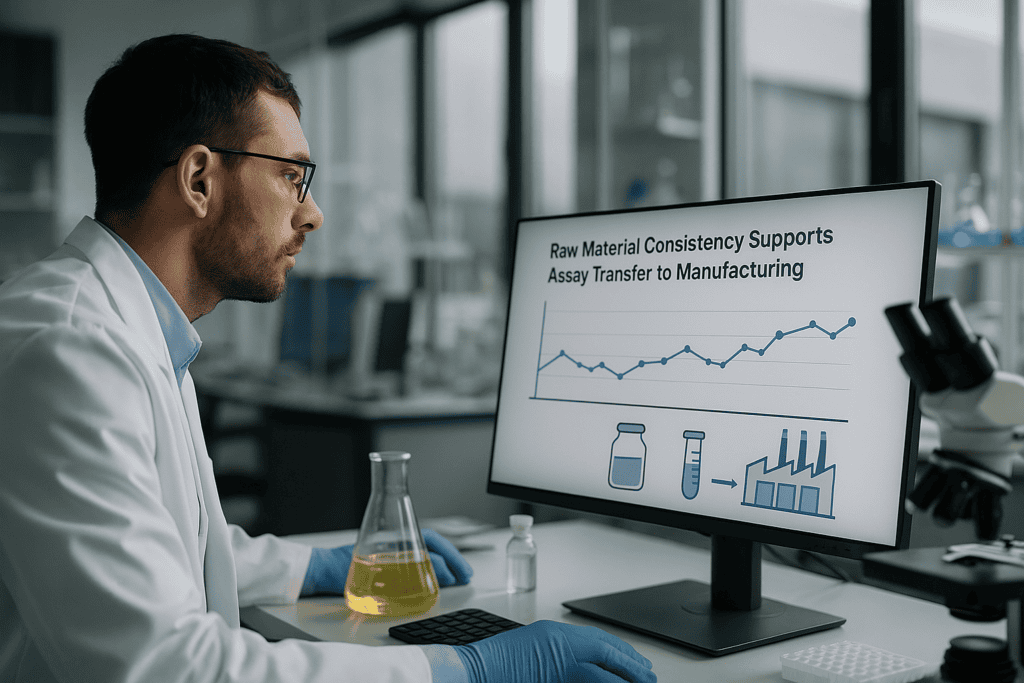
“`html
How Raw Material Consistency Supports Assay Transfer to Manufacturing
Understanding Raw Material Variability
Factors Influencing Variability
Raw material variability poses significant challenges in the development and manufacture of biological products. Key factors contributing to this variability include biological origins, processing methods, and storage conditions. For instance, animal-derived materials such as fetal bovine serum (FBS) are subject to lot-to-lot variations due to differences in biochemical composition influenced by donor animals, collection sites, and processing techniques. Similarly, human-derived materials exhibit variability based on donor-specific factors and ethical considerations.
- Animal-derived materials, like FBS, often show biochemical deviations across different lots.
- Human-derived materials vary due to individual donor profiles and collection methodologies.
Continue reading to explore more advanced insights and strategies.
Ensuring Quality Through Consistency
Implementing Quality Control Measures
To mitigate the risks associated with raw material variability, implementing robust quality control measures is crucial. This includes comprehensive testing of raw materials to verify their identity, purity, potency, and stability. Advanced documentation practices, traceability, and testing services support the standardization of raw materials, thereby enhancing the reproducibility of experimental outcomes. Using consistent raw materials improves the assurance that the assay will perform reliably when scaled to manufacturing.
- Comprehensive testing ensures material identity and consistency.
- Traceability and documentation underpin quality assurance frameworks.
Continue reading to explore more advanced insights and strategies.
Role of Reagents and Cell Culture Solutions
Impact on Reproducibility
Reagents and cell culture solutions play a pivotal role in biological assays. Their quality directly affects the reproducibility and accuracy of results achieved during assay transfer. Density gradient reagents, for example, are critical for cell separation and must be precisely standardized to prevent variability. Maintaining optimal storage conditions and following rigorous handling protocols are essential to preserve reagent efficacy, thus ensuring consistency throughout assay development and manufacturing.
- Standardized reagents ensure consistent cell separation and assay reproducibility.
- Optimal storage and handling are vital for reagent integrity.
Continue reading to explore more advanced insights and strategies.
Long-term Project Stability Through Custom Services
Benefits of Scientific Services
Custom biological sourcing and antibody development services provide tailored solutions that address specific research needs while minimizing biological variability. These services support continuity and consistency from development through to manufacturing by allowing researchers to reserve batches of materials and conduct specialized testing. For example, batch reservation systems help in aligning production timelines with consistent material supplies, thereby reducing variability during scale-up processes.
- Custom sourcing ensures tailored solutions to specific research projects.
- Batch reservations aid in maintaining material consistency over time.
Continue reading to explore more advanced insights and strategies.
Technological Support for Monitoring and Documentation
Utilizing Live-Cell Imaging
Technological advancements like live-cell imaging systems offer continuous monitoring capabilities that enhance assay reproducibility. An example such as an incubator-compatible live-cell imaging system allows for real-time observation and documentation of serum or reagent effects on cell behavior. This documentation capability is valuable for assessing the performance of raw materials and refining protocols accordingly, ultimately supporting consistent assay transfer to manufacturing environments.
- Live-cell imaging provides insights into reagent effects on cell behavior.
- Real-time documentation supports reproducibility and protocol optimization.
Continue reading to explore more advanced insights and strategies.
“`
“`html
Standardization of Raw Material Supply Chains
Streamlining Supply Chain Management
In the pursuit of consistent assay transfer, standardizing the supply chain for raw materials is indispensable. By creating uniform supply chain processes, organizations can ensure that the quality and characteristics of raw materials meet defined criteria consistently. Companies may engage in strategic partnerships with suppliers that adhere to stringent quality standards and practices, such as ISO certifications or good manufacturing practices (GMP). By branding these synergies, biotech firms can secure raw material supplies that not only meet quality standards but also reduce lead times, decrease costs, and minimize disruptions in production schedules.
- Develop strategic supplier relationships with quality adherence.
- Implement SOPs for supply chain logistics.
Integrating Digital Quality Management Systems (QMS)
Enhancing Quality Oversight Through Technology
Advanced digital Quality Management Systems (QMS) play a vital role in maintaining raw material consistency. Bringing automation into the documentation and monitoring processes as a part of QMS ensures transparency and accuracy in tracking material specifications and changes. A robust QMS can help identify discrepancies and trigger timely interventions, thus preemptively addressing variability issues. Utilizing platforms with real-time analytics and automated alerts, companies can oversee every step of the raw material’s lifecycle, ensuring minimal deviation and optimal quality for large-scale assay deployment.
- Implement digital QMS with real-time tracking and analytics.
- Automate documentation processes to enhance oversight and quality.
Incorporating Predictive Modeling for Future Planning
Forecasting Material Needs and Variability
Predictive modeling is a powerful tool that aids in forecasting material needs and addressing potential variability. By employing machine learning algorithms and complex statistical models, organizations can predict raw material consumption patterns and identify trends correlating with quality inconsistency. Real-world applications include dynamic modeling of serum nutrient batches to anticipate deviations in cell growth patterns, thus offering proactive measures to mediate potential impacts on production. Through this targeted approach, labs can adjust sourcing strategies, optimize batch numbers, and refine quantity forecasts to maintain uniformity and reduce waste.
- Utilize predictive models to foresee raw material demands.
- Adjust sourcing strategies based on forecasted variability.
Setting Up Robust Risk Management Protocols
Mitigating Variability Risks in Manufacturing
Implementing an extensive risk management framework is central to enhancing raw material consistency. This involves identifying potential risk factors associated with material variability, ranging from seasonal supply disruptions to unforeseen biological variation. Companies can develop risk aversion strategies, such as creating contingency plans, increasing warehouse capacity to buffer stock, and diversifying supplier bases to ensure reliability. For instance, having backup suppliers and alternate material sources can significantly reduce the probability of stalled production due to unforeseeable material quality dips.
- Identify and evaluate material-related risks proactively.
- Develop scalable contingency plans for uninterrupted operations.
Implementing Continuous Improvement Practices
Adopting Lean Processes to Enhance Uniformity
Continuous improvement methodologies such as Lean and Six Sigma are instrumental in refining processes that impact raw material quality and consistency. By applying these frameworks, organizations can systematically analyze and eliminate wasteful processes, reduce variation, and improve efficiency in material handling. Practical implementation includes streamlining the benchmarking process for raw materials, conducting regular kaizen events, and establishing cross-functional teams to spearhead continuous process improvements. A biotech firm might utilize Six Sigma to reduce lead time in cell culture media production, thereby maintaining tighter control over material specifications.
- Use Lean and Six Sigma for process optimization and waste reduction.
- Conduct regular benchmarking and improvement initiatives.
Exploring the Potential of AI-Enhanced Material Analytics
Leveraging Artificial Intelligence for Deeper Insights
Artificial Intelligence (AI) provides a sophisticated layer of analysis and insight when managing raw materials for assay transfer. AI-driven analytics offer the ability to process vast datasets across numerous production metrics quickly. The power of AI can be harnessed to recognize subtle patterns and control variables otherwise missed by traditional analysis. For instance, AI technology can assess thousands of data points from reagent batches to identify micro-trends that could affect assay performance. As industries adopt AI-enhanced analytics, they become better positioned to mitigate the impacts of inherent material variability efficiently.
- Incorporate AI systems to uncover hidden data trends.
- Utilize AI-driven insights for enhanced decision-making and control.
Next, we’ll wrap up with key takeaways, metrics, and a powerful conclusion.
“`
“`html
Harnessing Collaborative Research and Development
Fostering Innovation Through Partnership
Collaboration with academic institutions and industry partners is pivotal in advancing the consistency of raw materials used in assay transfer. By engaging in joint research and development initiatives, organizations can combine expertise and resources to explore innovative solutions to common challenges. These partnerships facilitate the exchange of knowledge and data, leading to breakthroughs in material synthesis and characterization. For example, collaborative projects with universities can aid in understanding the molecular intricacies of raw materials, paving the way for enhanced formulation techniques that bolster quality assurance.
- Engage in joint R&D projects with academic and industry partners.
- Leverage collective expertise to innovate material quality solutions.
Investing in Workforce Training and Development
Empowering Employees for Optimal Quality Control
A fundamental aspect of maintaining raw material consistency in assay transfer is ensuring that the workforce is well-trained and informed. Investing in comprehensive training programs equips employees with the necessary skills to manage sophisticated equipment and adhere to stringent quality control protocols. Organizations can implement continuous learning initiatives to keep the workforce updated on emerging industry trends and technological advancements. Empowered employees are better positioned to identify and resolve issues proactively, contributing significantly to achieving consistent material quality standards.
- Implement ongoing training programs for quality control teams.
- Stay abreast of industry innovations through employee education.
Optimizing Raw Material Sourcing Through Sustainable Practices
Balancing Quality and Environmental Responsibility
Sustainability in sourcing practices not only enhances raw material quality but also aligns with global environmental stewardship goals. By adopting eco-friendly practices, such as sourcing from environmentally-conscious suppliers or utilizing raw materials with verified sustainability credentials, organizations can enhance material consistency while reducing their carbon footprint. Sustainable sourcing ensures that the ecological impact of production is minimal, while simultaneously supporting the reliability and uniformity of materials critical to assay procedures. By prioritizing sustainability, firms can meet regulatory demands and market expectations for responsible production practices.
- Source raw materials from eco-conscious suppliers.
- Implement sustainable production and sourcing strategies.
Conclusion
In the rapidly evolving landscape of biotechnology, ensuring raw material consistency is a foundation critical to the success of assay transfer into manufacturing. Through a holistic approach encompassing digital quality management systems, predictive modeling, risk management, and continuous improvement practices, organizations can secure the necessary level of quality to meet both stringent regulatory requirements and customer expectations.
Standardizing supply chains, integrating advanced technologies such as AI, and fostering collaborative partnerships extends beyond mere operational efficiency – it establishes a benchmark for achieving excellence in the field. Workforce training and sustainable sourcing further reinforce this structure, ensuring that each element contributes towards maintaining the highest standards of material consistency.
The insights presented in this article underscore the importance of cohesive strategies in overcoming the challenges of variability and ensuring that manufacturing processes are robust and adaptable. As organizations invest time and resources in these strategies, they not only optimize their processes but also advance their competitive position in the market.
Readers are encouraged to evaluate their current practices against these guidelines, embracing innovation and collaboration to refine their approach to raw material management. Commit to these strategies, and be at the forefront of biotechnological advancement by ensuring material consistency that supports efficient assay transfer.
“`
Scaling Without Sacrificing: High-Throughput 96-Well Monitoring Made Simple
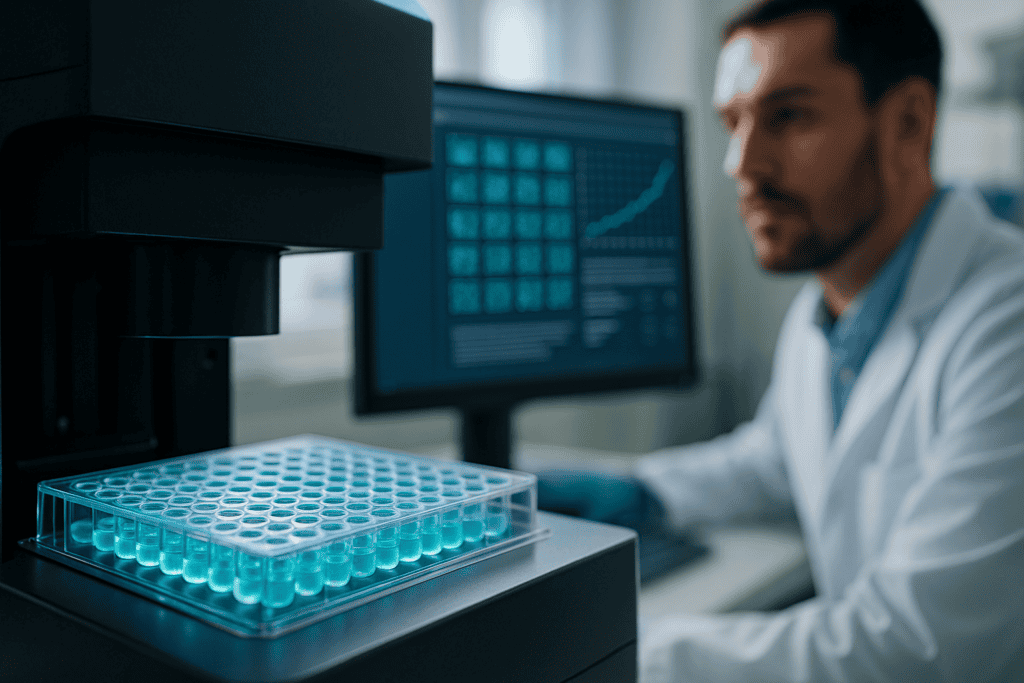
“`html
Scaling Without Sacrificing: High-Throughput 96-Well Monitoring Made Simple
In today’s rapidly evolving field of cell culture research, the demand for high-throughput and reproducible scientific data has never been more crucial. As laboratories strive to scale their operations without sacrificing data quality, adopting advanced technologies becomes imperative. High-throughput 96-well monitoring offers an efficient solution, paving the way for comprehensive cell analysis and innovation in workflows. This article delves into the challenges, advancements, and practical applications of high-throughput monitoring, equipping researchers, lab managers, and biotech professionals with the knowledge needed to enhance their cell culture techniques.
Challenges and Limitations of Traditional Approaches
For researchers conducting cell culture experiments, traditional monitoring methods often pose significant hurdles. Manual interventions can lead to variability, while the reliance on endpoint assays limits real-time insights into cellular dynamics. These challenges can affect data accuracy, reproducibility, and ultimately, the conclusions drawn from experimental studies.
- Manual handling increases the risk of contamination and variability.
- Endpoint assays lack the ability to monitor dynamic cellular processes in real-time.
- Reproducibility issues arise from inconsistent sample handling and environmental fluctuations.
With advancements in cell culture technology, it is essential to overcome these limitations to maintain the integrity of scientific research. Continue reading to explore technological advances and automation trends.
Technological Advances and Automation Trends
Automation in High-Throughput Monitoring
Recent technological developments have revolutionized high-throughput monitoring, facilitating seamless integration of automation in laboratory settings. Automated imaging systems provide continuous, real-time data collection, reducing the need for manual intervention and minimizing errors.
- Automation enhances reproducibility by offering consistent imaging conditions.
- Real-time monitoring allows for the observation of cellular dynamics within 96-well plates.
- Integration with data analysis software enables efficient interpretation of results.
By embracing these advancements, laboratories can enhance their productivity and maintain high standards of research integrity. Continue reading for practical examples and workflows using live-cell imaging.
Practical Examples and Workflows Using Live-Cell Imaging
Implementing Live-Cell Imaging
Live-cell imaging is a powerful technique that provides in-depth insights into cellular behavior over time. It enables researchers to gather quantitative data on cell migration, proliferation, and morphological changes without disturbing the culture environment. An example of a compact and efficient system for such applications is the zenCELL owl. This incubator-compatible device enables uninterrupted monitoring of cells within 96-well plates.
- Cell migration assays benefit from continuous monitoring of movement patterns.
- Proliferation studies are enhanced by tracking cell division in real-time.
- Organoid development can be observed to assess three-dimensional growth patterns.
Live-cell imaging streamlines workflows by eliminating the need for extensive manual observations, thus saving time and reducing potential for errors. Continue reading to learn how incubator-based imaging improves reproducibility and data quality.
“`
“`html
Enhancing Data Quality with Incubator-Based Imaging
Maintaining Consistent Environmental Conditions
Incubator-based imaging is a game-changing advancement for those working with live-cell imaging, as it allows researchers to maintain optimal culture conditions while observing cells directly within the incubator. By eliminating the need to transport cells to different locations for imaging, this technology minimizes environmental fluctuations and stress that could affect cellular responses.
- Ensure stability by maintaining consistent temperature and humidity levels within the incubator.
- Mitigate stress-related cellular changes by minimizing external disturbances during imaging sessions.
- Optimize data reliability through stable incubation environments and reduced manual handling.
With incubator-based imaging, laboratories can expect improvements in the consistency and reliability of their cell culture monitoring efforts.
Integrating Machine Learning for Enhanced Analysis
Data-Driven Insights with Artificial Intelligence
The integration of machine learning algorithms with high-throughput imaging systems is paving the way for more sophisticated data analysis. By leveraging AI, researchers can automate the interpretation of complex datasets, identifying patterns and trends that might otherwise go unnoticed.
- Utilize machine learning to analyze large volumes of image data efficiently.
- Employ predictive modeling to anticipate cellular outcomes and behaviors.
- Implement AI-driven anomaly detection for early identification of atypical cellular events.
This combination of AI and high-throughput imaging empowers researchers to harness deeper insights from their experiments, driving innovation and discovery in the field.
Real-World Case Studies: Successful Implementation
Case Study: Biotechnology Firm Revolutionizes Workflow
One biotech company implemented a comprehensive high-throughput 96-well monitoring system integrated with live-cell imaging and automation. This led to dramatic improvements in both productivity and data reliability. By using continuous monitoring, they significantly accelerated their drug discovery process and enhanced the accuracy of their cell-based assays.
- Real-time data acquisition eliminated the bottleneck caused by manual observations.
- Automated processes increased throughput by over 50% compared to traditional methods.
- Machine learning-based analysis allowed for the rapid identification of promising drug candidates.
These results highlight the transformative impact of adopting advanced monitoring technologies in a real-world laboratory setting.
Streamlining Data Interpretation and Reporting
From Raw Data to Actionable Insights
Efficient data analysis and visualization are critical components of successful high-throughput monitoring. With advanced software solutions, researchers can transform raw imaging data into actionable insights with ease. Visually intuitive dashboards and automated reporting tools simplify data interpretation, allowing for more informed decision-making.
- Leverage interactive dashboards to explore complex datasets visually.
- Utilize automated reports to streamline communication of findings.
- Enhance collaboration between teams by sharing data insights effortlessly.
This streamlined approach not only saves time but also improves the communication of research findings across different stakeholders.
Strategies for Optimizing High-Throughput Workflows
Maximizing Efficiency and Effectiveness
Optimizing workflows in high-throughput systems is key to maximizing laboratory productivity. By strategically planning experiments, utilizing parallel processing, and ensuring seamless data integration, researchers can achieve more consistent and reliable outcomes.
- Design experiments with clear objectives and streamlined processes to minimize errors.
- Utilize batch processing techniques to enhance throughput and reduce time to results.
- Integrate data management systems to ensure smooth data handling and sharing.
Through these strategies, laboratories can enhance their operational efficiency and achieve higher quality research outputs.
Overcoming Barriers to Adoption
Navigating Challenges in Implementing New Technologies
While the benefits of high-throughput monitoring are clear, some laboratories may face challenges when it comes to adopting new technologies. Common barriers include cost, system compatibility, and the need for training. However, these can be mitigated through careful planning and implementation strategies.
- Conduct a cost-benefit analysis to justify the investment in new technologies.
- Ensure compatibility with existing systems through modular and flexible solutions.
- Provide comprehensive training programs to facilitate smooth transitions for staff.
By proactively addressing these challenges, laboratories can successfully integrate advanced monitoring solutions into their workflows.
Future Directions in High-Throughput Monitoring
Anticipating the Next Innovations
The field of high-throughput 96-well monitoring is continuously evolving, with future directions likely to be shaped by advancements in nanotechnology, personalized medicine, and digital biology. These innovations will further refine the precision of cell culture analysis and open new avenues for medical research and therapeutic developments.
- Explore opportunities in nanotechnology to enhance cellular monitoring techniques.
- Adapt workflows to support personalized and precision medicine initiatives.
- Leverage digital biology to synthesize complex biological data into cohesive models.
Staying abreast of these developments will be crucial for researchers looking to remain at the forefront of scientific discovery.
Next, we’ll wrap up with key takeaways, metrics, and a powerful conclusion.
“`
“`html
Key Metrics for Success
Measuring the Impact of High-Throughput Systems
To truly understand the efficacy of high-throughput 96-well monitoring systems, laboratories must focus on specific metrics that highlight their impact. These key performance indicators allow researchers to assess the success of their workflows in real-time and adjust their strategies accordingly.
- Throughput Efficiency: Measure the number of assays processed over a given period to gauge operational capacity.
- Data Accuracy: Evaluate the reliability and consistency of results to ensure high-quality outputs.
- Process Optimization: Track workflow improvements and reduced turnaround times as indicators of enhanced productivity.
By focusing on these metrics, laboratories can gain insights into the performance of their high-throughput systems, ensuring that they meet research objectives efficiently and effectively.
Exploring Collaborative Innovations
Building a Network for Discovery
Interdisciplinary collaboration is an essential driver for innovation in high-throughput monitoring. By partnering with technology providers, academic institutions, and industry experts, laboratories can leverage a wider range of expertise and resources.
- Engage with cross-disciplinary teams to foster creativity and innovative solutions.
- Participate in collaborative research initiatives to access cutting-edge technology and findings.
- Utilize shared platforms for data exchange, promoting transparency and accelerated discovery.
Collaborative innovations not only bolster technological capabilities but also pave the way for groundbreaking scientific achievements.
Conclusion
The integration of incubator-based imaging and advanced machine learning algorithms within high-throughput 96-well monitoring systems represents a pivotal shift in the realm of laboratory research. Throughout this article, we’ve explored various strategies for enhancing data quality, integrating AI for insightful analysis, and overcoming adoption barriers. By maintaining consistent environmental conditions and employing intuitive software solutions, laboratories can substantially improve data reliability and research outcomes.
The successful implementation of these advanced technologies is transforming workflows in biotechnology firms and beyond, as evidenced by real-world case studies presented. More importantly, key metrics such as throughput efficiency, data accuracy, and process optimization offer invaluable insights that allow laboratories to stay competitive in an ever-evolving landscape.
As we look to the future, the anticipated innovations in nanotechnology, personalized medicine, and digital biology promise to further refine high-throughput monitoring capabilities. By staying informed and adaptable, laboratories are poised to harness the potential of these advancements, dynamically shaping the future of medical research and therapeutic development.
We invite researchers and industry leaders alike to embrace the shifts towards more agile, data-driven science. By leveraging the tools, strategies, and collaborations outlined in this article, the scientific community can accelerate discovery and innovation, transcending traditional boundaries in pursuit of transformative knowledge.
Join us on this journey of scientific exploration and technological evolution, where every data point brings us closer to answering the big questions in life sciences. Let us collectively build a future where high-throughput monitoring systems are not merely tools, but the cornerstone of discovery and understanding.
“`
Human Error is Obsolete: Maximizing Throughput with AI-Driven Cell Counting
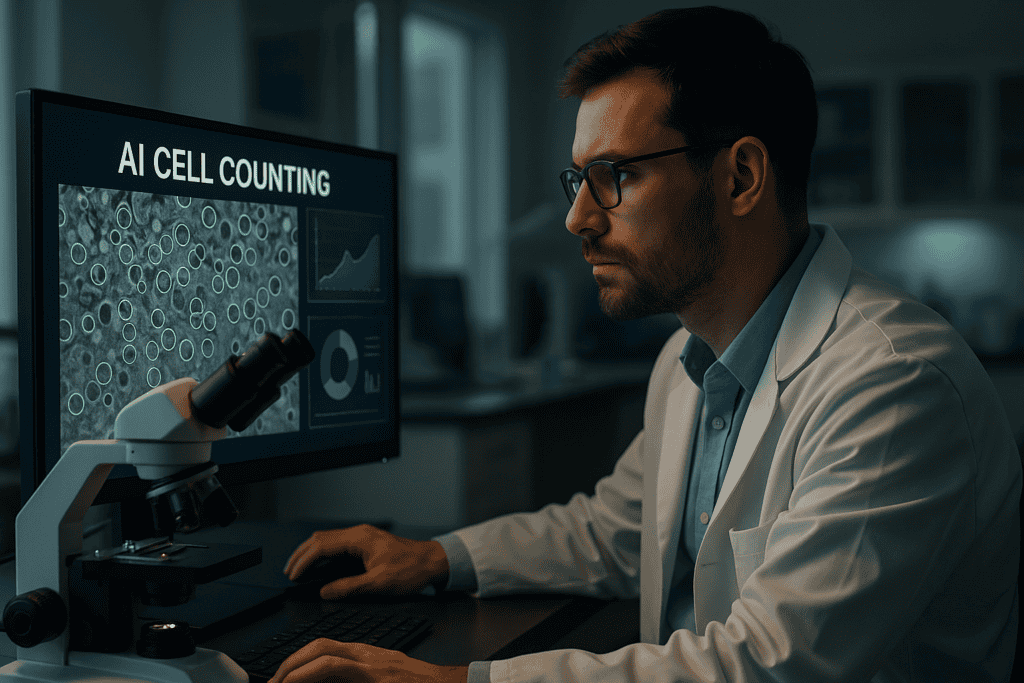
“`html
Human Error is Obsolete: Maximizing Throughput with AI-Driven Cell Counting
In the realm of modern cell culture research, precision and efficiency are more critical than ever. With increasing demands for high-throughput analysis, minimizing human error has become a pivotal objective for laboratories worldwide. This article delves into how AI-driven cell counting can maximize throughput and enhance data accuracy, making human error obsolete. We’ll explore common challenges in traditional cell counting, recent technological advances, and how AI-driven solutions, such as incubator-based imaging, are transforming workflows. Readers will also gain insights into practical applications and future trends in lab automation.
Challenges of Traditional Cell Counting Methods
The Human Factor in Cell Counting
Traditional cell counting methods often rely heavily on manual processes, which are prone to human error. Variability in technique and subjective analysis can lead to inconsistent results, affecting the reproducibility of experiments. Furthermore, manual counting is time-consuming and labor-intensive, making it unsuitable for high-throughput demands common in modern labs.
- Subjectivity and variability in manual counts
- Increased labor and time investment
- Limited scalability for high-throughput assays
Continue reading to explore more advanced insights and strategies.
Technological Advances and Automation Trends
AI-Driven Solutions in Cell Culture
The integration of artificial intelligence in cell counting offers a transformative solution to the shortcomings of manual methods. AI-driven systems enhance precision by eliminating subjective variability and significantly reducing counting time. These technologies are supported by machine learning algorithms, capable of identifying and classifying cells with high accuracy across a variety of assay conditions.
- Consistency in data through automated counting
- Scalability and efficiency in high-throughput applications
- Enhanced reproducibility and reliability
Continue reading to explore more advanced insights and strategies.
Practical Examples and Workflows Using Live-Cell Imaging
Integrating AI with Live-Cell Imaging
Live-cell imaging has become an indispensable tool in cell culture research, offering continuous monitoring of cellular processes. When combined with AI-driven analysis, live-cell imaging systems can provide real-time data that enhance experimental outcomes. A notable example is the zenCELL owl, a compact and incubator-compatible system, which facilitates seamless integration of AI in cell monitoring, thereby reducing potential human errors and improving data consistency.
- Real-time analysis with AI-enhanced imaging
- Reduction in manual intervention and error
- High-quality, reproducible data output
Continue reading to explore more advanced insights and strategies.
How Incubator-Based Imaging Improves Reproducibility and Data Quality
Maintaining Optimal Conditions
Incubator-based imaging allows for continuous observation of cell cultures under controlled environmental conditions, enhancing both data quality and reproducibility. By maintaining optimal temperature, humidity, and CO2 levels, these systems ensure that cells are kept in their ideal physiological state throughout the experiment. This approach minimizes variability caused by environmental fluctuations, presenting a significant advantage over traditional methods.
- Consistent environmental conditions
- Improved experimental reproducibility
- High data integrity and quality
Continue reading to explore more advanced insights and strategies.
Applications in Modern Cell Culture Research
From Migration Assays to Organoids
AI-driven cell counting and incubator-based imaging systems find diverse applications in cell culture experiments, from migration assays to organoid development. The enhanced precision and throughput offered by AI technologies allow researchers to conduct complex assays with greater ease and accuracy. High-throughput screening (HTS) benefits from automated systems that can analyze numerous samples simultaneously, leading to more efficient and comprehensive data acquisition.
- Accurate analyses in migration and proliferation assays
- Efficient study of biological processes in organoids
- Streamlined workflows for high-throughput screening
Continue reading to explore more advanced insights and strategies.
“`
“`html
Leveraging AI in Disease Modeling and Drug Discovery
Accelerating Innovations with AI
A key advantage of AI-driven cell counting is its application in disease modeling and drug discovery. Traditional methods often encountered limitations in data precision and experimental throughput, which could hamper the drug development process. AI systems, with their high-throughput capabilities, allow for the rapid analysis of numerous drug candidates, expediting the identification of promising therapies.
- Facilitates faster identification of therapeutic candidates
- Enhances data precision in disease modeling
- Reduces time to market with accelerated drug discovery processes
Enhancing Precision in Cytotoxicity Assays
AI Tools Delivering Unmatched Accuracy
In cytotoxicity assays, which are crucial for evaluating the effects of potential drug compounds, AI-driven cell analysis ensures precision that manual methods may lack. By automating the process, labs can reduce the risk of human error significantly, leading to more reliable data that can drive impactful research and development decisions.
- Reduces variability inherent in human-dependent methods
- Improves reliability and accuracy of cytotoxicity results
- Facilitates better-informed decision-making in drug trials
Optimizing Cultured Cell Viability Assessments
AI as a Catalyst for Efficient Viability Studies
Cell viability assessments, critical for understanding cellular responses to various conditions, are streamlined by AI technologies. AI-powered imaging platforms quickly and accurately detect viable cells, enhancing the throughput and precision of experiments. For example, automated systems like CellProfiler utilize AI algorithms to deliver precise viability metrics, supporting robust cellular assessments.
- Provides rapid, accurate assessments of cell viability
- Boosts throughput of viability assays
- Enables precise trend detection in cell health data
Case Study: Transforming Stem Cell Research with AI Integration
AI Solutions Revolutionizing Stem Cell Assays
Stem cell research often involves analyzing complex differentiation processes, which AI-driven technologies can monitor with unprecedented precision. In a landmark study, researchers integrated AI-driven imaging in their monitoring of stem cell cultures, achieving enhanced reproducibility and data accuracy compared to traditional approaches. This significant advancement not only saved time but also facilitated the identification of new differentiation pathways.
- Enables high-resolution monitoring of stem cell differentiation
- Increases assay reproducibility and accuracy
- Identifies novel biological pathways through precise data tracking
Scaling Up Lab Operations with Automated Systems
From Bench to Industrial-Scale Applications
Scalability is a critical demand in modern laboratories, where AI-driven cell counting and imaging systems offer a clear advantage. Automation allows labs to transition from small-scale experiments to large, industrial applications with greater ease. This scalability empowers labs to handle larger datasets and more extensive experiments without compromising on quality.
- Facilitates smooth transition to larger scale operations
- Ensures data consistency across expanded research projects
- Reduces operational costs through efficient resource allocation
Integrating AI with Other ‘Omics’ Technologies
Pioneering Integrated Approaches in Biological Research
A growing trend is the integration of AI-driven cell counting with various omics technologies, such as genomics and proteomics. This integration allows for a comprehensive analysis of cellular behavior, providing deeper biological insights. AI facilitates the correlation of cell counting data with genetic or protein expression profiles, offering a 360-degree view of the cellular landscape.
- Enhances data integration in multi-omics studies
- Provides holistic insights into cellular processes
- Facilitates novel discoveries through integrated data analysis
Streamlining Quality Control Processes with AI
Ensuring Consistency and Compliance
Quality control is paramount in cell culture research, ensuring that all procedures meet regulatory standards. AI systems provide a robust framework for enforcing quality control, with automated monitoring and reporting features that enhance compliance. This ensures that data integrity is maintained across all experimental runs, fostering trust and reliability in research outputs.
- Strengthens compliance with industry standards
- Facilitates automated quality monitoring and documentation
- Ensures consistent maintenance of data integrity
Next, we’ll wrap up with key takeaways, metrics, and a powerful conclusion.
“`
“`html
AI-Driven Predictive Analytics in Cellular Research
Forecasting to Stay Ahead
Predictive analytics powered by AI is transforming how researchers anticipate cellular behaviors and disease progressions. Through the analysis of historical data and real-time insights, AI models can forecast trends and outcomes, enabling preemptive action. This foresight is crucial for developing preventive strategies and tailoring interventions with greater precision, ultimately improving patient outcomes and advancing personalized medicine.
- Offers predictive insights into cellular responses
- Supports development of personalized therapeutic strategies
- Improves proactive planning in research and clinical settings
Sustainability in AI-Powered Laboratories
AI and Eco-friendly Practices Coalesce
The integration of AI in laboratories not only enhances operational efficiencies but also promotes sustainability. AI systems can optimize resource usage, reducing unnecessary waste and energy consumption. This sustainable approach aligns with global environmental goals and positions scientific research as a leader in eco-friendly innovations. By minimizing the carbon footprint and encouraging resource efficiency, AI is a vital player in creating environmentally responsible lab environments.
- Optimizes resource allocation for eco-friendly lab practices
- Reduces environmental impact of laboratory operations
- Contributes to global sustainability goals
The Future of AI in Cell Counting and Beyond
Unleashing Potential Through Technological Advancements
Looking to the horizon, the role of AI in cellular research continues to expand with rapidly advancing technologies. Innovations in machine learning algorithms and computational power herald a future where AI-driven cell counting and analysis become indispensable tools in biological research. These enhancements promise to unlock new frontiers in science, from unraveling complex biological puzzles to driving forward transformative medical breakthroughs.
- Pushes the boundaries of scientific inquiry
- Enables continuous innovation in biomedical research
- Drives forward the potential of personalized medicine
Conclusion
The transformative power of AI-driven cell counting lies in its ability to streamline processes, enhance precision, and drive highly impactful scientific research. From accelerating drug discovery and improving the reliability of cytotoxicity assays to optimizing cell viability studies and revolutionizing stem cell research, AI has proven itself to be an invaluable asset in modern laboratories. Furthermore, the integration of AI with other omics technologies and its role in predictive analytics fortify its position as an indispensable tool for comprehensive biological insights.
This evolution underscores the significance of AI in fostering scientific advancements and achieving breakthroughs that once seemed out of reach. The adoption of AI-powered systems not only increases efficiency and precision but also reduces operational costs, strengthens compliance with regulatory standards, and supports sustainable lab operations. Researchers can now explore uncharted territories with greater confidence, driven by the reliable data and predictive capabilities AI provides.
As we stand on the cusp of further AI innovations, the potential for these technologies to shape the future of cellular research continues to grow. This article highlights the limitless possibilities AI offers, urging scientists, researchers, and industry leaders to embrace these tools and integrate them into their workflows for maximum impact. Unite with cutting-edge technology, break through the constraints of traditional methods, and drive the future of science with AI as your ally. The journey towards unprecedented discovery begins here.
“`
The End of Scratch Variability: Automating Migration Assays for Gold-Standard Data
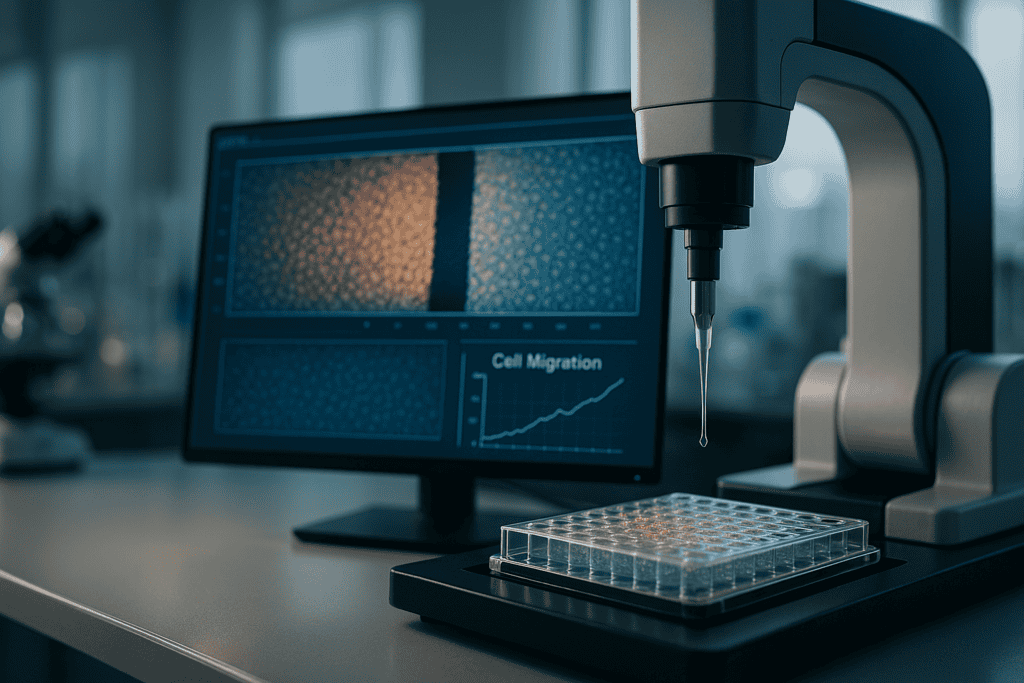
“`html
The End of Scratch Variability: Automating Migration Assays for Gold-Standard Data
The ever-evolving field of cell culture research continuously brings forward innovative methodologies to tackle age-old challenges. Among these, cell migration assays serve as a cornerstone in understanding biological processes such as wound healing, cancer metastasis, and tissue development. Historically, these tests have been susceptible to variability, often stemming from manual procedures like the scratch assay. With the advent of advanced technology, the integration of automated systems in cell culture workflows has sparked a revolution, reducing human error and enhancing data reliability. This article delves into the transition towards automation in migration assays, offering insights into how these innovations end scratch variability, ensure gold-standard data, and set the stage for future advancements.
Challenges and Limitations of Traditional Migration Assays
Sensitivity to Human Error
Traditional approaches to cell migration assays, particularly the scratch assay, have long been hindered by their reliance on manual intervention. The process of creating a “scratch” or wound on a cell monolayer to study migration is inherently prone to discrepancies. Researchers face challenges in standardizing the physical parameters such as scratch width and pressure applied, which vary between practitioners. This leads to inconsistencies in data and results, casting doubts on the reproducibility of findings.
- Variability in manual handling affects data reliability
- Inconsistent measurements complicate comparative analyses
- Subjective evaluation of assay results introduces bias
Limitations in Monitoring and Data Collection
Manual migration assays require periodic observation, often involving endpoint analysis that lacks real-time data acquisition. Traditional microscopy techniques necessitate the removal of samples from stable incubator environments, potentially disturbing the cellular state and affecting migration dynamics. This intermittent examination approach limits the ability to capture critical kinetic data, impeding comprehensive understanding.
- Infrequent observation overlooks key migratory behaviors
- Disturbance during sample handling impairs cell physiology
Technological Advances and Trends in Automation
Emergence of Automated Systems
The transition to automated systems in cell culture assays has brought about a new era of precision and consistency. These systems eliminate the variability introduced by manual operations through consistent protocol execution. Innovations such as robot-assisted scratch assays and programmable imaging stages provide a level of precision that manual efforts simply cannot match.
- Robotic platforms ensure uniform scratch creation
- Automated repeatability enhances reproducibility
- Consistent environmental control fosters reliable results
Continue reading to explore more advanced insights and strategies.
“`
“`html
Optimizing Real-Time Data Acquisition and Analysis
Advanced Imaging Technologies
One of the most significant advancements in migration assays is the integration of real-time imaging technologies. Automated platforms, equipped with state-of-the-art, high-resolution cameras, allow continuous monitoring of cell migration processes. These systems facilitate the acquisition of dynamic and intricate live-cell data, revealing nuanced behaviors of cell movement that were previously missed with periodic manual observation.
- High-resolution imaging captures detailed migration events
- Real-time data enables comprehensive kinetic analysis
Innovative Software Solutions
Software advancements complement the automation of imaging hardware, providing powerful tools for data processing and analysis. Machine learning algorithms and artificial intelligence are now utilized to interpret complex datasets automatically, reducing the workload on researchers and making precise, unbiased assessments possible. Such software can identify patterns and anomalies that might elude human analysis, further enhancing the assay’s informativeness.
- AI-driven analytics reduce human analysis time
- Pattern recognition improves data accuracy and depth
Ensuring Reliable Reproducibility Across Laboratories
Standardized Protocol Development
Automated systems facilitate the development of standardized experimental protocols, promoting reproducibility of results across different laboratories. These protocols ensure that every parameter, from incubation conditions to imaging intervals, remains consistent. Organizations and consortia are also working towards creating universal standards for data. This shift helps unify methodological approaches, providing a reliable framework for global collaboration.
- Standardized protocols enable cross-laboratory consistency
- Unified standards foster collaborative research efforts
Case Study: Collaborative Networks
Global initiatives in academic and commercial settings underscore the importance of standardization. A notable example includes a network of cancer research laboratories that adopted a unified automated system. This collaborative approach resulted in significantly reduced variability in assays across multiple sites, leading to breakthroughs in understanding metastatic pathways. Researchers reported increased speed and confidence in their data, sparking further innovations.
- Collaborative networks enhance data validity
- Joint efforts accelerate discovery and innovation
Automating Comprehensive Environmental Control
Precision in Microenvironment Regulation
Cell migration is sensitive to environmental conditions, which are critical in influencing experimental outcomes. Automated systems incorporate integrated environmental controls that maintain stable temperature, humidity, and CO2 levels, crucial for replicating in vivo conditions. Advanced chamber technologies mimic physiological environments more precisely than manual systems, preventing cellular stress and ensuring more physiologically relevant results.
- Improved microenvironment control boosts data relevance
- Stable conditions reduce external variability impact
Case Study: Physiological Replication
A leading biotechnology firm implemented an automated incubation system in their migration assays, replicating physiological conditions typically seen in in vivo research. By doing so, they observed a marked improvement in the migration rates and patterns that closely resembled in vivo observations. This approach not only enhanced research accuracy but also paved the way for developing novel therapeutic interventions based on more reliable data.
- Physiologically relevant conditions enhance validity
- Automation supports translational research initiatives
Integration of Multi-Modal Analytical Techniques
Leveraging Various Data Streams
By incorporating multiple analytic modalities, automated migration assays offer more comprehensive insights into cellular behavior. Techniques such as flow cytometry, spectrophotometry, and automated microscopy are integrated within these systems to provide multi-dimensional data. This convergence of technologies enriches understanding by correlating morphological changes with biochemical markers, facilitating a holistic view of cellular dynamics.
- Multi-modal analysis enriches cellular insights
- Diverse data streams enhance contextual understanding
Practical Implementation
In practical terms, integrating multi-modal platforms involves leveraging complementary technologies that speak to different aspects of cell behavior. Labs that successfully combine imaging with biochemical analysis often unlock insights into migration tied to specific cellular pathways or genetic markers. For instance, a research team studying neurodegeneration utilized an integrated platform to simultaneously assess cellular morphology and gene expression changes, significantly advancing their understanding of disease mechanisms.
- Combining technologies unlocks deeper insights
- Cross-technological approaches offer a more complete picture
Economical and Resource Efficiency in Automated Systems
Sustainable Lab Practices
Automated migration assays contribute significantly to cost and resource efficiency. By minimizing manual labor and optimizing reagent usage, laboratories can achieve substantial savings. Furthermore, the reliable data provided reduces the requirement for repetition of experiments, conserving both financial and material resources. Additionally, automation aligns with green lab initiatives, reducing waste and promoting sustainable practices.
- Resource efficiency contributes to reduced operational costs
- Sustainability initiatives benefit from automation efficiencies
Economic Case Study
In a pilot study conducted by a consortium of environmental labs, transitioning to automated cell migration assays showed a marked decrease in reagent consumption by over 30%. The initial investment in technology was offset within a year due to savings on consumables and labor hours. Furthermore, by reducing experimental repetition rates by 50%, the labs reported not only economic benefits but also enhanced sustainability in their operations.
- Sustained resource savings validate initial tech investments
- Economic gains coupled with environmental benefits
Next, we’ll wrap up with key takeaways, metrics, and a powerful conclusion.
“`
“`html
Augmenting Data Reliability with Enhanced Automated Controls
Incorporation of Quality Assurance Measures
As laboratories rely increasingly on automated systems, embedding quality assurance protocols within these systems becomes crucial. Automated self-checks, calibration routines, and error detection protocols can significantly enhance data reliability. These measures ensure that each experiment is performed under optimal conditions, providing precise and reproducible outputs.
- Automated checks maintain consistent operational standards
- Quality assurance minimizes the risk of data anomalies
Technological Advancements in Error Proofing
Innovations in automation technology have provided new methods for error detection and prevention. Sophisticated sensors and software algorithms now offer real-time monitoring, alerting laboratories to any discrepancies during the experiment. These advancements help reduce downtimes and improve the overall robustness of cell migration assays.
- Real-time monitoring identifies potential errors promptly
- Technological safeguards enhance overall lab efficiency
Promoting Educational Initiatives for Automated Assays
Training for Next-Generation Researchers
With the increasing complexity of automated systems, educational initiatives aimed at equipping researchers with necessary skills are important. Training programs focusing on utilizing these technologies allow for effective, maximum adoption. Encouraging knowledge sharing and workshops can cultivate an adaptable research community ready to tackle modern challenges within the field.
- Training initiatives build competence in automation technologies
- Workshops foster a collaborative and informed research culture
Access to Shared Knowledge Resources
Encouraging open access to documentation and shared resources helps broaden understanding and proficiency with automated assays. Shared databases and collaborative online platforms enable researchers to exchange insights and troubleshoot challenges collectively, enhancing both individual and group competencies in the field.
- Knowledge sharing platforms promote resource accessibility
- Collaborative tools streamline the learning curve for researchers
Conclusion
This journey through the innovative landscape of automated migration assays has unveiled the transformative impact of automated technologies on cellular research. From optimizing real-time data acquisition to advancing economic sustainability, the highlighted sections offer a comprehensive insight into how these tools revolutionize traditional methodologies.
The integration of advanced imaging and software solutions, along with standardized protocols, sets a new standard for reproducibility and accuracy. Multifaceted analytical approaches enrich our understanding, while automation-driven sustainability reinforces labs’ commitments to environmentally conscious practices.
Importantly, quality assurance and educational initiatives ensure that the benefits of automation are fully realized across the research community. By equipping researchers with the necessary skills and fostering a collaborative environment through shared resources, we can expedite the pace of scientific discovery.
The potential for automation in cell migration assays represents not simply an incremental upgrade but a foundational paradigm shift in research methodologies. As laboratories worldwide adopt these innovative practices, the scientific community moves closer toward achieving gold-standard data, enhancing the fidelity and relevance of their findings.
As you explore these emerging technologies, consider the long-term benefits of embracing automation within your own lab settings. By doing so, you not only drive better research outcomes but also contribute to a wider movement aimed at more precise, efficient, and sustainable scientific practices. Together, we can push the boundaries of knowledge and achieve remarkable breakthroughs that lay the groundwork for future achievements.
“`