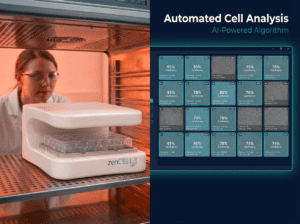
Improving Reproducibility in Cell Culture Using Incubator-Integrated Imaging
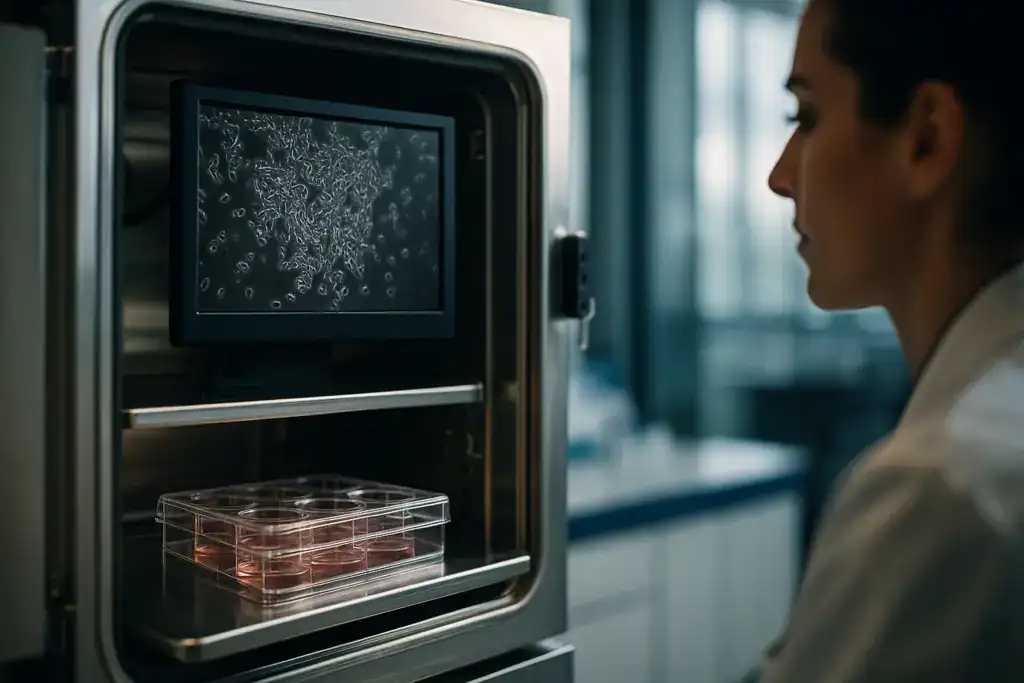
Improving Reproducibility in Cell Culture Using Incubator-Integrated Imaging
In the rapidly evolving field of cell culture research, ensuring reproducibility and data quality is more critical than ever. As researchers, lab managers, and biotech professionals strive to uncover new biological insights, traditional methods often fall short in consistency and reliability. This article delves into the modern challenges of cell culture, explores technological advances like incubator-integrated imaging, and highlights practical strategies to enhance reproducibility. Whether you’re managing a lab or advancing biotech innovations, uncover how cutting-edge tools are reshaping cell culture research.
Challenges in Traditional Cell Culture Approaches
Inherent Limitations and Varied Outcomes
Traditional cell culture techniques face several challenges that impede reproducibility. Variability in cell growth conditions, human error during handling, and the manual nature of data collection often lead to inconsistent results. Environmental fluctuations, such as changes in temperature, humidity, and CO2 levels, can further disrupt cell viability and data integrity. These variables result in significant gaps between experimental and theoretical reproducibility, undermining research findings.
- Environmental variability affects cell growth consistency.
- Manual data collection increases the risk of human error.
- Inconsistent handling leads to varied experimental outcomes.
Continúe leyendo para explorar información y estrategias más avanzadas.
Advancements in Technology and Automation
Revolutionizing Cell Culture Practices
The integration of innovative technologies and automation into cell culture practices marks a pivotal shift toward enhanced reproducibility. Automated systems minimize human involvement, thus reducing the likelihood of error and improving data reliability. Equipment such as incubator-integrated imaging systems facilitates continuous monitoring under controlled conditions, ensuring a consistent environment for cell growth. These technological advancements not only streamline workflows but also enhance data accuracy and reproducibility.
- Automation reduces human-related inaccuracies in data collection.
- Continuous monitoring ensures stable environmental conditions.
- Advanced imaging techniques offer real-time data insights.
Continúe leyendo para explorar información y estrategias más avanzadas.
Live-Cell Imaging in Practice: Workflow Enhancements
Real-World Applications and Integration
Incorporating live-cell imaging into everyday research workflows offers significant benefits. Researchers can now observe cellular processes in real-time, enabling a deeper understanding of dynamic biological activities. By integrating incubator-based imaging systems, laboratories witness improved workflow efficiency and data fidelity. The zenCELL owl, as an incubator-compatible live-cell imaging solution, provides compact, robust functionality, showcasing an exemplary model of contemporary imaging technology.
- Real-time observation enhances understanding of dynamic processes.
- Incubator-integrated imaging solutions improve workflow efficiency.
- Compact systems like zenCELL owl offer space-saving benefits without sacrificing quality.
Continúe leyendo para explorar información y estrategias más avanzadas.
Incubator-Based Imaging: Elevating Reproducibility
Consistent Monitoring and Enhanced Data Quality
Incubator-integrated imaging is a cornerstone for improving reproducibility in cell culture. By maintaining stable environmental conditions and allowing continuous observation, these systems ensure that cells are not disturbed during critical experiments. This approach not only preserves cell integrity but also provides high-resolution, time-lapse imaging that aids in tracking subtle cellular changes over time. The result is data with higher reproducibility, enabling researchers to draw more accurate and reliable conclusions.
- Maintained stability of culture conditions supports cell integrity.
- Continuous monitoring prevents experimental disturbances.
- High-resolution imaging captures subtle cellular changes.
Continúe leyendo para explorar información y estrategias más avanzadas.
Adopting Scalable Technologies for Enhanced Efficiency
Building Capacity with Scalable Imaging Systems
As research projects grow in complexity and scale, the need for scalable solutions in cytological imaging becomes evident. Scalable technology allows laboratories to quickly adapt to increasing demands without sacrificing quality. Incubator-integrated imaging systems such as the Livecyte and Clarity by Phasefocus exemplify scalable solutions. These systems offer modular configurations, enabling researchers to customize their setup according to specific needs and project requirements. The flexibility provided by scalable systems ensures that research can progress without the friction typically associated with upgrading or expanding traditional equipment.
- Opt for imaging systems that allow for modular expansion to align with laboratory needs.
Leveraging Data Analytics for Improved Decision Making
Turning Complex Data into Usable Insights
Integrating advanced data analytics into cell culture research transforms raw data into actionable insights. High-resolution images generated by incubator-integrated systems contain a wealth of information that, when properly analyzed, can reveal patterns and trends otherwise undetectable. By employing software tools for image analysis and data management, researchers can gain deeper insights into cellular behavior, identify anomalies, and make informed decisions more rapidly. Automation of data interpretation helps to limit human bias, reinforcing the reproducibility of results.
- Implement data analytics software to process and analyze imaging data efficiently.
Implementing Standardized Protocols for Consistency
Ensuring Uniformity Across Research Workflows
One of the significant challenges in cell culture research is maintaining uniformity across various experimental runs. Developing and implementing standardized protocols helps mitigate variability, thus enhancing reproducibility. These protocols should encompass all aspects of cell maintenance, from seeding to imaging and data analysis. Moreover, adherence to standardized procedures ensures that all team members are aligned, facilitating consistency in methodology and technique application. Sharing successful protocols can also contribute to the standardization of practices across research groups globally.
- Create and distribute clear, comprehensive protocols to ensure consistency in workflows.
Utilizing Real-Time Monitoring for Immediate Adjustments
Responsive Adjustments to Enhance Experimental Success
Real-time monitoring offered by incubator-integrated imaging systems empowers researchers to make informed adjustments during the experimental process. This capability allows for immediate modifications in response to environmental shifts or unexpected changes in cell behavior, minimizing potential disruptions. By correcting course in real-time, researchers can enhance the accuracy of their experiments, reduce wastage of precious resources, and improve overall success rates.
- Use real-time monitoring to quickly address issues as they arise, thereby optimizing experimental outcomes.
Supporting Collaborative Research with Cloud-Based Integration
Enhancing Connectivity and Data Sharing
Cloud-based integration in imaging systems promotes collaboration by enabling researchers to access and share data seamlessly across different locations and platforms. This technology facilitates the efficient exchange of information and insights, leading to more cohesive and collaborative research efforts. In multicenter studies, streamlined data sharing via cloud technologies ensures that collaborators contribute to and benefit from collective datasets, driving forward progress in a unified manner. This interconnected approach is essential in today’s globalized research environment.
- Implement cloud-based solutions for efficient data sharing and collaboration across research teams.
Incorporating Training and Skill Development
Building Expertise with Ongoing Education
A critical factor in utilizing advanced imaging technologies effectively lies in the skills and expertise of the personnel operating them. Therefore, investing in regular training and development programs ensures that lab personnel remain proficient with evolving technologies and methodologies. Such initiatives not only improve operational competence but also empower team members to drive innovation within their projects. Regular workshops, certification programs, and peer-based learning sessions can be beneficial in maintaining a high level of expertise across research teams.
- Regularly update and enhance lab staff skills through dedicated training programs on new technologies.
Enhancing Experimental Design Through Integrated Solutions
Strategizing Research with Comprehensive Tools
Integrating incubator-based imaging solutions within a wider suite of experimental design tools provides researchers with a comprehensive approach to study planning and execution. Comprehensive experimental design includes clearly defining objectives, selecting appropriate methodologies, and incorporating technological tools for accurate data collection and analysis. The strategic deployment of integrated solutions allows researchers to identify potential issues in advance, optimize resource allocation, and streamline the entire research process, resulting in a higher likelihood of achieving desired outcomes.
- Approach experimental design holistically by integrating advanced imaging tools from the outset.
A continuación, concluiremos con los puntos clave, métricas y una conclusión contundente.
“`
Facilitating Scalability with Flexible Equipment
Preparing for Future Expansion
Scalability is a hallmark of modern research laboratories, adapting them to the ever-evolving demands of science and technology. Flexible equipment solutions, such as adjustable imaging platforms and modular lab furnishings, play a critical role in facilitating this scalability. They allow research spaces to be efficiently reconfigured as project requirements change, ensuring that laboratories remain not only functional but also future-proof. The ability to scale up or down swiftly, with minimal disruption, supports dynamic research agendas and fosters an environment where innovation can flourish.
- Invest in flexible laboratory equipment to accommodate future growth and technological advancements.
Ensuring Data Integrity with Robust Management Systems
Enhancing Reliability Through Structured Frameworks
In research, ensuring the integrity of data is paramount for achieving reproducible and credible outcomes. Utilizing comprehensive data management systems enables researchers to maintain high standards of data quality and security. These systems offer structured frameworks for data entry, storage, and retrieval, along with comprehensive audit trails that document every interaction with the data. As a result, researchers can trust their datasets, streamline the replication of studies, and facilitate seamless information sharing with collaborators, thereby enhancing overall research quality.
- Develop and implement robust data management systems to ensure data integrity and traceability.
Harnessing the Power of Artificial Intelligence in Research
Automating Processes for Enhanced Outcomes
Artificial Intelligence (AI) is revolutionizing how research is conducted, opening doors to unparalleled analytical capabilities. By incorporating AI algorithms into imaging and data analysis processes, researchers can automate tasks previously prone to human error and labor-intensive outcomes. AI-driven tools can dynamically analyze imaging data, predict trends, and suggest potential pathways for exploration. This intelligent automation not only accelerates research timelines but also enhances the depth and accuracy of insights, empowering scientists to make groundbreaking discoveries with confidence and precision.
- Leverage AI technologies to automate and enhance research processes, increasing efficiency and accuracy.
Conclusión
Adopting scalable technologies in cell culture research encompasses integrating advanced imaging systems, embracing cloud-based solutions, and incorporating AI and data analytics. These strategies ensure laboratories are equipped to handle increasing demands and complexity without compromising on quality or efficiency. By fostering environments where adaptability and technological advancement go hand in hand, researchers can push the boundaries of discovery and innovation.
Scalable technologies not only enhance research capabilities but also promote collaboration and reproducibility, which are essential in the modern scientific landscape. Effective data management systems ensure that critical insights are preserved and shared effectively across research teams globally. Meanwhile, standardized protocols and ongoing staff training play a vital role in maintaining consistency, reducing variability, and improving overall research outcomes.
Incorporating these scalable solutions provides laboratories with the ability to adapt, grow, and thrive in an ever-changing field. Researchers are empowered to strategize efficiently, leveraging comprehensive toolsets that optimize their experimental design and execution. Through the integration of real-time monitoring and advanced AI-driven analytics, they can achieve more reliable and insightful results than ever before.
As research continues to evolve, so too must the tools and practices we employ. By adopting these innovations now, laboratories can stay at the forefront of discovery and remain prepared for the challenges of tomorrow’s scientific inquiries. Let us embrace scalability and technology with open minds and a forward-thinking attitude, ensuring our research not only survives but thrives. Take the first step by evaluating current processes and systems, and make strategic decisions to integrate scalable solutions, thus paving the way for a successful and productive future.
“`
Multiwell Plates for Automation Labs
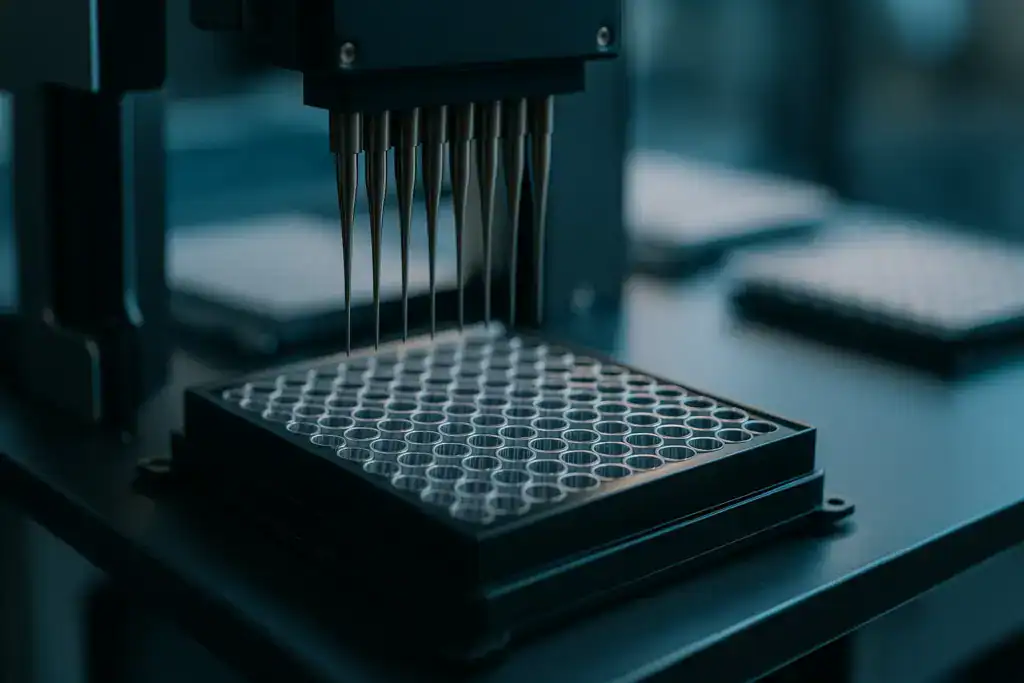
“`
Multiwell Plates for Automation Labs
The landscape of modern laboratories is rapidly transforming with the integration of automation technologies. Central to this shift are multiwell plates, crucial in facilitating high-throughput screenings and precise data collection. For researchers, lab managers, and biotech professionals, understanding the nuances of developing and utilizing these plates can greatly enhance workflow efficiency and research outcomes. This article delves into the development, production, and application of multiwell plates in automation laboratories, providing an authoritative guide for advanced lab settings.
Challenges with Traditional Multiwell Plate Approaches
The Limitations of Conventional Practices
Historically, traditional multiwell plates have posed several challenges: from issues with reproducibility to limitations in the scalability of experiments. Variability in materials and surface treatments often led to inconsistent results, impacting the reliability of data required for critical research decisions.
- Material Inconsistencies: Impact on data reliability and experiment replication.
- Surface Treatment Challenges: Incapable of supporting diverse assays uniformly.
- Scalability Limitations: Hindrances in expanding high-throughput screening (HTS) capabilities.
Avances tecnológicos y tendencias de automatización
Integrating Innovation in Lab Environments
The advent of automation in laboratory settings has necessitated the development of advanced multiwell plates tailored for robotic handling and high-speed data collection. Innovations in material science and engineering design have led to enhanced optical clarity, enabling more precise detection and analysis through techniques such as live-cell imaging.
- Advanced Material Selection: Using PS, PP, and COC for enhanced performance.
- Design for Manufacturing (DFM): Optimizing for automation compatibility and robustness.
- Optical Enhancements: Improved clarity for high-sensitivity detections.
Prototyping and Scale-Up for Precision and Reproducibility
From Prototypes to Industrial Production
To effectively transition from conception to production, a structured approach is vital. Initial prototyping involves selecting the right materials and testing surface treatments to meet specific research requirements. Scaling up involves meticulous process validation to ensure batch-to-batch consistency and compliance with regulated production standards.
- Prototyping Strategies: Iterative testing and refinement phases for optimal design.
- Scale-Up Process: Ensuring robust reproducibility and dimensional accuracy.
- Regulation Compliance: Emphasizing cGMP and GMP principles for quality management.
Continúe leyendo para explorar información y estrategias más avanzadas.
“`
“`
Customization in Multiwell Plate Design
Tailoring Plates for Specific Laboratory Needs
In the ever-evolving landscape of lab automation, customization of multiwell plates is paramount. Custom plate designs allow laboratories to cater to specific assay requirements, from specialized coating needs to unique well geometries. Companies like Greiner Bio-One and Corning have expanded their customization options, offering tailored solutions that enhance the adaptability of multiwell plates to diverse scientific applications. For example, the integration of specialized coatings, such as low-binding or tissue culture treatments, can significantly enhance the quality of cell-based assays.
- Consult with manufacturers to explore customization options.
Automation-Compatible Plate Readers and Handling Equipment
Ensuring Seamless Integration with Robotics
The integration of multiwell plates with automation systems hinges on compatibility with plate readers and handling equipment. Companies must ensure that their equipment can handle variations in plate design without compromising performance. For instance, BMG LABTECH and BioTek Instruments offer advanced plate readers optimized for various plate formats, providing consistent performance metrics essential for high-throughput screenings. These technologies support seamless data collection and synchronization with laboratory information management systems (LIMS).
- Regularly update lab equipment to ensure compatibility with the latest plate formats.
Data Management and Analytics in Automated Systems
Leveraging Software for Enhanced Data Interpretation
Harnessing the power of automated systems extends beyond hardware into sophisticated software solutions. Data management software is essential for collating, analyzing, and securely storing the vast amounts of data generated from high-throughput methods. Platforms such as LabWare and Thermo Fisher’s SampleManager LIMS provide robust analytics capabilities, enabling researchers to conduct detailed analysis and generate actionable insights quickly. This accelerates research timelines and ensures that data integrity is maintained across all stages of experimentation.
- Implement LIMS for streamlined data tracking and reporting.
Consideraciones Ambientales y Prácticas Sostenibles
Innovating with Eco-Friendly Materials and Processes
As laboratories aim to reduce their environmental impact, sustainable practices in the production and disposal of multiwell plates are gaining prominence. Many manufacturers are now focusing on the use of recyclable and biodegradable materials, such as compostable plastics or bio-based polymers. Furthermore, innovations in manufacturing processes, such as using solar energy and reducing water consumption, are aligning production methodologies with global sustainability goals.
- Opt for suppliers committed to sustainability initiatives and certifications.
Quality Control and Assurance in Production
Maintaining Consistency and Compliance
Quality control is a critical component in the production of multiwell plates, ensuring that each plate meets stringent standards. This involves comprehensive testing of material properties, dimensional accuracy, and surface treatment effectiveness. The adherence to ISO standards and the incorporation of automated inspection systems can significantly improve product consistency. For instance, using high-resolution cameras and AI-driven analysis helps in detecting defects or variations at early stages, minimizing wastage and ensuring high-quality outputs.
- Implement regular audits and employ AI for enhanced quality assessments.
Global Market Trends and Future Directions
Navigating Trends in a Evolving Landscape
The global market for multiwell plates is poised for robust growth driven by advancements in drug discovery and personalized medicine. Emerging markets in Asia-Pacific and increased funding for biotech research are further fueling this expansion. Companies investing in R&D for novel plate materials and formats stand to gain a competitive edge. Boston-based MatTek Corporation is an exemplar, having developed innovative multiwell platforms that support advanced tissue models, proving instrumental in toxicology screenings and disease modeling.
- Stay updated on market trends and align R&D efforts with emerging needs.
Case Study: Revolutionizing Cellular Assays
A Real-World Application of Multiwell Plates
In a collaborative project between a leading pharmaceutical company and a biotech startup, advanced multiwell plates played a pivotal role in revolutionizing a high-throughput drug screening process. By utilizing plates with custom coatings and tailored geometries, the teams achieved significant reductions in reagent usage and increased assay sensitivity. This resulted in a 30% improvement in overall throughput, leading to faster identification of potential drug candidates. This case demonstrates the transformative impact of well-chosen multiwell plate designs in critical research endeavors.
- Document and analyze case studies to uncover best practices and insights.
A continuación, concluiremos con los puntos clave, métricas y una conclusión contundente.
“`
“`
Multiwell Plate Innovations in Education
Empowering the Next Generation of Scientists
The integration of multiwell plates is not limited to high-level research labs and pharmaceutical companies but is also gaining traction in educational institutions. As educators strive to provide hands-on learning experiences, multiwell plates have become invaluable teaching tools in biology and chemistry curriculums. They offer students the opportunity to engage with real-world laboratory techniques, enhancing their understanding of assay development and data analysis. By introducing students to these tools early on, institutions can foster a generation of scientists who are adept in modern lab practices.
- Incorporate multiwell plates in educational curriculums to enhance practical learning experiences.
Cost-Effectiveness and Economic Impact
Balancing Innovation with Budget Constraints
While multiwell plates present numerous advantages in innovation and customization, their economic impact cannot be ignored. Institutions are constantly balancing the need for advanced technology with budgetary constraints. Cost-effective solutions, such as investing in durable, reusable plates and opting for bulk purchasing, can mitigate expenditure while maintaining quality and functionality. Moreover, companies providing scalable solutions or subscription models offer laboratories economically viable options to access cutting-edge tools without significant upfront costs.
- Evaluate bulk purchasing and subscription models for cost savings.
The Role of Multiwell Plates in Clinical Research
Accelerating Clinical Trials and Diagnostics
Multiwell plates play a crucial role in clinical research by streamlining processes, particularly in drug testing and diagnostic applications. Their capacity for high-throughput screening accelerates the identification of therapeutic candidates and enhances the precision of diagnostic testing. The versatility of multiwell plates allows for extensive testing on a microliter scale, reducing reagent consumption, and ensuring reproducibility—critical factors in fast-paced clinical environments. As personalized medicine continues to grow, multiwell plates will be indispensable in the nuanced requirements of individual patient data and treatment strategies.
- Utilize multiwell plates for efficient, high-throughput diagnostics in clinical settings.
Conclusión
The journey through the evolving landscape of multiwell plates underscores their transformational role across a spectrum of scientific applications. From customization in design to their seamless integration into automated systems, multiwell plates have redefined laboratory processes, empowering both research advancements and educational paradigms. As laboratories pivot towards eco-friendly practices, multiwell plates reinforce their significance through sustainable manufacturing solutions.
The versatility of multiwell plates, as demonstrated through real-world applications and market trends, portrays a promising horizon for scientific innovation. By accommodating unique laboratory needs, ensuring compatibility with robotic handlers, and facilitating superior data management, these plates not only enhance experimental efficiency but also drive down operating costs by minimizing resource usage. Furthermore, the burgeoning markets and ongoing research in plate technology accentuate the dynamic future of multiwell plates, ensuring their relevance and indispensability in modern science.
In closing, embracing the advancements in multiwell plate technology is not merely an option but a strategic imperative for laboratories aiming to remain at the forefront of scientific discovery. By investing in this critical tool, laboratories can achieve unparalleled precision and efficiency, paving the way for accelerated discoveries and breakthroughs. We urge scientists, educators, and industry leaders to continue exploring and implementing the insights and innovations offered by multiwell plates, ensuring we are equipped for the challenges of tomorrow's scientific endeavors.
“`
Cómo los métodos de filtración de suero influyen en la composición de las proteínas
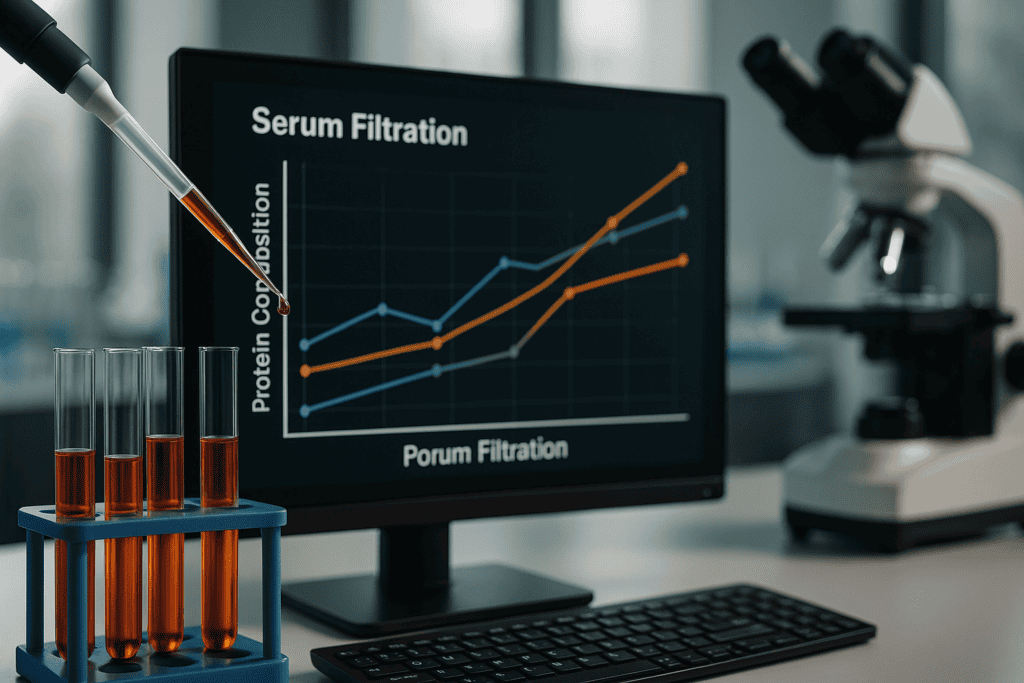
Cómo los métodos de filtración de suero influyen en la composición de las proteínas
La ciencia detrás de la filtración de suero
Comprensión de las técnicas de filtración
La filtración de suero se implementa principalmente para eliminar partículas no deseadas, microbios y posibles contaminantes que podrían interferir con los experimentos de cultivo celular. Las metodologías de filtración comunes incluyen la filtración por membrana, la filtración en profundidad y la filtración de flujo tangencial. Cada uno de estos métodos emplea diferentes mecanismos y tamaños de poro para lograr diversos niveles de eficiencia de filtración, lo que a su vez puede afectar la composición proteica del suero a través de fuerzas de cizallamiento, unión de proteínas y exclusión por tamaño.
- Filtración por membrana: Utiliza una membrana porosa para separar físicamente materiales basándose en el tamaño.
- Filtración de profundidad: Incorpora un medio grueso que captura partículas a lo largo de su matriz.
- Filtración de flujo tangencial: Permite que el líquido fluya a través de la superficie, utilizando la dinámica de flujo cruzado para una separación más efectiva.
Continúe leyendo para explorar información y estrategias más avanzadas.
Influencia en la Composición de Proteínas
Impacto de las fuerzas cortantes
Las fuerzas de cizallamiento ejercidas durante los procesos de filtración pueden contribuir a la desnaturalización y degradación de las proteínas, lo que lleva a un cambio en el perfil proteico del suero. Esto es particularmente relevante para filtros con tamaños de poro reducidos, donde la presión y la turbulencia aumentan. Estas fuerzas mecánicas pueden alterar proteínas sensibles, como las citoquinas y los factores de crecimiento, afectando la función biológica de los cultivos celulares que dependen de vías de señalización proteica precisas.
- Las proteínas críticas para el crecimiento celular pueden ser filtradas selectivamente.
- Los cambios en los niveles de citoquinas podrían influir en los estudios de respuesta inmunitaria.
Filtración y Control de Calidad de Suero
Garantizar la Consistencia y la Fiabilidad
Los procesos de filtración requieren estrictas medidas de control de calidad para mantener la consistencia entre lotes. La composición proteica de los productos séricos puede fluctuar debido a diferentes técnicas o condiciones de filtración, incluidas la temperatura y las tasas de flujo. Las pruebas de lotes y la documentación exhaustiva son esenciales para identificar variaciones y garantizar la consistencia del producto, lo cual es crucial para la reproducibilidad experimental en los laboratorios.
- Realiza ensayos de proteínas regulares después de la filtración para evaluar los cambios.
- Utilice los registros por lotes para rastrear los parámetros y resultados de la filtración.
Continúe leyendo para explorar información y estrategias más avanzadas.
Aplicaciones en Cultivo Celular e Inmunología
Adaptación de la Filtración para Aplicaciones Específicas
En cultivos celulares y estudios inmunológicos, el uso previsto del suero dicta la especificación de los métodos de filtración. Por ejemplo, los cultivos primarios podrían requerir un régimen de filtración que retenga factores de crecimiento críticos, mientras que la producción de anticuerpos podría priorizar la eliminación de mediadores inmunes específicos. Adaptar las estrategias de filtración según la aplicación garantiza que el suero conserve la composición proteica adecuada para los resultados biológicos deseados.
- Determinar el perfil proteico requerido para tipos celulares o estudios específicos.
- Adapte los procesos de filtración para preservar la integridad proteica funcional.
Continúe leyendo para explorar información y estrategias más avanzadas.
Avances en la tecnología de filtración
Monitoreo y Documentación Continuos
Los avances en tecnología, como el uso de sistemas de imagenología de células vivas compatibles con incubadoras como el zenCELL owl, permiten el monitoreo en tiempo real del comportamiento celular y la documentación de los efectos del suero o reactivos. Estos sistemas proporcionan documentación visual de las condiciones del cultivo celular y ayudan a mejorar la reproducibilidad de los flujos de trabajo biológicos a través de la observación continua, ofreciendo ventajas significativas en la evaluación de los impactos de la filtración del suero.
- Mejora de la comprensión del comportamiento celular bajo diferentes condiciones de filtración.
- Documentación mejorada para la trazabilidad y reproducibilidad.
Continúe leyendo para explorar información y estrategias más avanzadas.
“`
Soluciones de Filtración Innovadoras
Explorando Tecnologías Emergentes
A medida que evolucionan las necesidades científicas, también lo hacen las tecnologías que las respaldan. Las innovaciones en la filtración de suero se alinean con las tendencias más amplias en biotecnología, con el objetivo de mejorar tanto la eficacia como la precisión. Los avances recientes se centran en minimizar la pérdida de proteínas al tiempo que se mejora la selectividad mediante la aplicación de materiales de membrana especializados y diseños de filtración inteligentes. Considérese, por ejemplo, el uso de membranas asimétricas que proporcionan un gradiente de tamaños de poro, mejorando la separación de moléculas en función del tamaño y preservando al mismo tiempo proteínas sensibles típicamente vulnerables a las fuerzas de cizallamiento o la desnaturalización.
- Aprovechar membranas especializadas para personalizar la retención de proteínas y la eficiencia de filtración.
Impacto en las Vías de Señalización de Proteínas
Mantener la integridad de las proteínas clave
Las consecuencias de la filtración son particularmente pronunciadas en las vías de señalización de proteínas, que desempeñan funciones fundamentales en la comunicación celular. Cuando proteínas clave como las citoquinas o las quimiocinas se alteran o eliminan inadvertidamente, los efectos pueden propagarse por los resultados experimentales, lo que lleva a datos mal interpretados. Por lo tanto, los protocolos de filtración eficaces deben equilibrar la eliminación de componentes no deseados y la preservación de estructuras proteicas esenciales para una señalización precisa.
- Mapear redes de señalización de proteínas para identificar y preservar proteínas críticas durante la filtración.
Optimización de la Filtración a través de la Personalización
Enfoques personalizados para necesidades diversas
Cada entorno de investigación puede requerir requisitos de filtración únicos basados en distintos objetivos experimentales. Al emplear un enfoque personalizado para la filtración de suero, los investigadores pueden alinear sus métodos con objetivos específicos. Esto puede implicar la coalescencia de diferentes etapas de filtración o el uso de procesos combinatorios, como la integración de la centrifugación con la filtración, para aumentar la pureza y la retención de proteínas. Un ejemplo podría implicar la modificación de las tasas de flujo o las presiones en la filtración de flujo tangencial, asegurando la retención de moléculas de proteína más grandes que son cruciales para la proliferación de un cultivo determinado.
- Personaliza los parámetros de flujo para maximizar la retención de proteínas críticas.
Aprovechando el análisis de datos para la filtración
Mejorando la exactitud a través de información digital
Con la llegada de las herramientas digitales, el análisis de datos se utiliza cada vez más para optimizar y monitorear la eficacia de la filtración. Al utilizar análisis de alta resolución, como la espectroscopía o la cromatografía, los investigadores pueden obtener información completa sobre la actividad de las proteínas en el suero después de la filtración. Estas herramientas facilitan una mejor comprensión de la varianza del panorama proteico, equipando a los científicos con datos que informan ajustes más precisos a las condiciones de filtración.
- Incorpore análisis de datos para refinar los procesos de filtración basándose en datos empíricos de composición proteica.
Estrategias para la producción consistente por lotes
Asegurar la Uniformidad entre Lotes Experimentales
Un desafío crítico en el uso de suero en laboratorio es mantener la consistencia entre diferentes lotes. La variabilidad puede provenir de diferencias naturales en el material de origen o de fluctuaciones en los procesos de filtración. Para garantizar la reproducibilidad, es vital implementar medidas de control estadístico de procesos, evaluando rutinariamente los lotes contra puntos de referencia definidos de contenido proteico. Esto se puede lograr mediante el muestreo regular de lotes y la comparación con perfiles de referencia estandarizados utilizando herramientas como ELISA o espectrometría de masas.
- Desarrolla puntos de referencia rigurosos para el contenido de proteínas basados en datos históricos.
Estudio de Caso: Optimización de la Filtración en la Fabricación de Suero
Aplicaciones y Resultados en el Mundo Real
Pensemos en una empresa biofarmacéutica especializada en productos séricos diseñados para la investigación con células madre. Mediante una revisión estratégica de los procesos de filtración y la aplicación de los conocimientos obtenidos a partir del análisis de datos, la empresa logró aumentar la retención de factores de crecimiento esenciales en un 20%. Esto se consiguió optimizando la etapa de filtración de flujo tangencial para minimizar las fuerzas de cizallamiento sobre las proteínas. En consecuencia, la eficacia del producto mejoró, lo que condujo a un aumento del 15% en la fiabilidad del producto entre los clientes de investigación, lo que ilustra los beneficios comerciales y científicos de los procesos de filtración optimizados.
- Auditar y refinar las etapas de filtración para mejorar la retención de proteínas críticas.
Direcciones Futuras en la Filtración de Suero
Senderos pioneros hacia un mayor control
El futuro de la filtración de sueros ve una convergencia con la nanotecnología y la bioingeniería. Nuevas metodologías están destinadas a proporcionar un control aún más fino sobre los componentes proteicos, ofreciendo una especificidad sin precedentes. Los avances esperados incluyen matrices de filtración diseñadas a nanoescala para dirigirse a firmas moleculares particulares, adaptándose a la dinámica de fluidos en tiempo real para una separación óptima e integrando IA para ajustes predictivos. Dichas innovaciones están allanando el camino para avances exponenciales en la fidelidad y eficacia de la investigación biomédica.
- Explore filtros nano-ingenierizados para una selectividad y precisión superiores.
A continuación, concluiremos con los puntos clave, métricas y una conclusión contundente.
“`
“`
Avances en el control de calidad
Garantizar altos estándares en filtración
Las medidas de control de calidad en el contexto de la filtración de suero se están mejorando con tecnologías de vanguardia para garantizar que se mantengan los más altos estándares. Esto incluye la implementación de sistemas de monitoreo automatizado que utilizan datos en tiempo real para asegurar que cada etapa del proceso de filtración cumpla con los puntos de referencia de calidad predefinidos. Las herramientas innovadoras de aseguramiento de la calidad, como los marcos de tecnología analítica de procesos (PAT), permiten un escrutinio continuo, ayudando a identificar y rectificar rápidamente cualquier desviación de la norma, salvaguardando así la integridad del proceso de filtración.
- Integrar sistemas de monitoreo en tiempo real para asegurar el cumplimiento de los estándares de calidad.
Consideraciones Éticas en la Filtración de Suero
El equilibrio entre el avance científico y la responsabilidad
Si bien las tecnologías de filtración de suero ofrecen un inmenso potencial para el avance científico, también requieren una cuidadosa consideración ética. Es fundamental garantizar que los materiales de origen del suero se obtengan, procesen y utilicen de manera responsable. El cumplimiento de las normas éticas no solo aborda las preocupaciones humanitarias, sino que también mejora la credibilidad y la aceptación de los hallazgos científicos. La transparencia en el abastecimiento, junto con una rigurosa adhesión a las normas bioéticas, garantiza que estas técnicas innovadoras contribuyan de manera positiva y sostenible al progreso científico.
- Priorizar el abastecimiento y procesamiento éticos en los protocolos de filtración.
El Camino por Delante: Innovación Colaborativa
Sinergizar Esfuerzos para un Mayor Impacto
El futuro de la filtración de sueros estará marcado por esfuerzos colaborativos que unan a investigadores, desarrolladores de tecnología y legisladores. Estas colaboraciones son fundamentales para transformar tecnologías de filtración innovadoras en herramientas confiables que puedan satisfacer diversas necesidades científicas a nivel mundial. Al fomentar un entorno donde se fomenta el intercambio interdisciplinario, las partes interesadas pueden superar colectivamente los desafíos actuales, impulsar avances tecnológicos y garantizar que los beneficios de la filtración avanzada de sueros sean ampliamente accesibles.
- Fomentar las colaboraciones interdisciplinarias para los avances tecnológicos.
Conclusión
Al explorar la evolución de las tecnologías de filtración de suero, surgen varias conclusiones clave. La importancia de las soluciones de filtración innovadoras para preservar proteínas esenciales, mejorar la confiabilidad experimental y optimizar los resultados generales de la investigación se destaca prominentemente. Las tendencias emergentes en biotecnología, junto con herramientas digitales sofisticadas, están revolucionando la forma en que abordamos la filtración de suero, asegurando una mayor precisión y eficacia en los experimentos científicos.
A medida que profundizamos en el impacto de la filtración sérica en las vías de señalización de proteínas, se hace evidente la importancia de mantener la integridad de las proteínas clave. La personalización de los procesos de filtración proporciona soluciones a medida que se alinean con los requisitos experimentales únicos, enfatizando que no existe una solución universal en la investigación biotecnológica. La producción consistente por lotes y el abastecimiento ético subrayan aún más el compromiso con el rigor científico y la responsabilidad social.
La importancia de aprovechar el análisis de datos para refinar los procesos de filtración no puede ser exagerada, ya que proporciona información empírica que impulsa el ajuste fino y la optimización de estos procesos. Los estudios de caso y los avances prospectivos resaltan los beneficios tangibles y el futuro prometedor de la filtración de suero.
Este artículo buscó arrojar luz sobre las intrincadas dinámicas y los enfoques de vanguardia que definen la filtración de sueros hoy en día. Al mantener altos estándares éticos, adoptar tecnologías innovadoras y fomentar redes de colaboración, la comunidad científica está preparada para desbloquear nuevas posibilidades en la investigación y la aplicación.
Para los investigadores, profesionales de la salud y expertos de la industria, el imperativo ahora es continuar defendiendo estas metodologías avanzadas. Que este sea un llamado a la acción: adopten las innovaciones de vanguardia en filtración de suero con la vista puesta en prácticas éticas y progreso colaborativo. Juntos, podemos impulsar el campo de la biotecnología hacia logros aún mayores.
“`
Imágenes de células vivas en terapia celular y génica: Gestión de fases críticas de cultivo

“`
Imágenes de células vivas en terapia celular y génica: Gestión de fases críticas de cultivo
En los campos de rápida evolución de la terapia celular y génica, mantener un control preciso sobre las condiciones del cultivo celular es primordial. Entre estas, la imagenología de células vivas se destaca como una herramienta indispensable, que ofrece información sin precedentes sobre la dinámica celular. Este artículo profundiza en el papel de la imagenología de células vivas en la optimización de fases críticas de cultivo, proporcionando una guía completa para investigadores y profesionales de la biotecnología comprometidos con el avance de su trabajo en terapias celulares y génicas.
Desafíos tradicionales en el cultivo y monitoreo celular
Limitaciones de las técnicas de observación convencionales
Los métodos estándar de observación de cultivos celulares han incluido inspecciones manuales periódicas y ensayos de punto final, los cuales están plagados de varias limitaciones. Estos métodos pueden introducir variabilidad e inconsistencia, principalmente debido a la naturaleza intermitente de la adquisición de datos. Además, la manipulación manual aumenta el riesgo de contaminación y las observaciones discontinuas pueden pasar por alto eventos celulares transitorios críticos para la comprensión de los mecanismos celulares.
- Alto riesgo de contaminación por manipulación manual frecuente
- Potencial de perder eventos celulares significativos pero transitorios
- Variabilidad en los datos debido a intervalos de observación inconsistentes
Continúe leyendo para explorar información y estrategias más avanzadas.
Tendencias de tecnología y automatización en imagenología de células vivas
Avances que facilitan la eficiencia del flujo de trabajo
Los avances tecnológicos recientes han revolucionado la imagen de células vivas, convirtiéndola en una piedra angular para la investigación efectiva de terapias celulares y génicas. Los sistemas automatizados ahora permiten el monitoreo continuo de cultivos, asegurando así la adquisición constante de datos de alta calidad. La automatización reduce la intervención manual, mitigando los riesgos de contaminación y mejorando la reproducibilidad de los experimentos. Estas mejoras son cruciales para estudios que van desde la biología celular básica hasta aplicaciones terapéuticas complejas.
- La automatización garantiza la captura de datos consistente y de alta calidad
- La reducción de la intervención manual disminuye los riesgos de contaminación
- Reproducibilidad y fiabilidad mejoradas de los resultados experimentales
Continúe leyendo para explorar información y estrategias más avanzadas.
Integración de la imagenología de células vivas en flujos de trabajo de cultivo
Aplicaciones Prácticas y Beneficios
Integrar la imagenología de células vivas en los flujos de trabajo de cultivo ofrece numerosas ventajas prácticas. Permite el monitoreo en tiempo real de la salud, morfología y comportamiento de las células bajo diversas condiciones. Por ejemplo, en el cribado de alto rendimiento (HTS), donde la velocidad y la precisión son cruciales, la imagenología de células vivas proporciona datos cinéticos críticos que pueden guiar la toma de decisiones y facilitar la rápida identificación de posibles candidatos terapéuticos.
- Monitoreo en tiempo real de la salud y morfología celulares
- Crítico para la recopilación de datos precisa en el cribado de alto rendimiento
- Mejora los procesos de toma de decisiones y la identificación de candidatos
Continúe leyendo para explorar información y estrategias más avanzadas.
Innovaciones con Soluciones de Imagen Basadas en Incubadoras
Mejora de la calidad de los datos y la reproducibilidad experimental
La imagen basada en incubadora, como el sistema zenCELL owl, representa una innovación significativa en la tecnología de imagen de células vivas. Estos sistemas están diseñados para integrarse perfectamente en los entornos de cultivo celular, proporcionando una recopilación de datos ininterrumpida mientras mantienen condiciones de cultivo óptimas. Dichas plataformas admiten la monitorización continua, minimizan las perturbaciones y garantizan datos de alta calidad y reproducibles, acelerando así los resultados de la investigación en terapia celular y génica.
- Integración perfecta con entornos de cultivo celular
- Mantiene condiciones óptimas para la recopilación continua de datos
- Mejora la reproducibilidad y acelera los resultados de la investigación
Continúe leyendo para explorar información y estrategias más avanzadas.
“`
“`
Aprovechamiento del software de análisis de imágenes para una mejor interpretación de datos
Automatización del Procesamiento de Datos para Mejores Perspectivas
Uno de los avances más convincentes en la imagenología de células vivas es la integración de un sofisticado software de análisis de imágenes. Estas herramientas automatizan el procesamiento de vastos conjuntos de datos generados por monitoreo continuo, transformando datos biológicos complejos en información útil. El análisis automatizado de imágenes mejora la precisión de las mediciones relacionadas con el recuento de células, las tasas de proliferación y los cambios morfológicos, reduciendo así el error humano y la interpretación subjetiva.
- Utilice software de análisis de imágenes para automatizar y estandarizar el procesamiento de datos.
Imagen confocal y multifotónica: una mirada más profunda
Técnicas Avanzadas de Imagen para Análisis Detallado
Las tecnologías de imagen confocal y multifotónica brindan una profundidad de campo invaluable, lo cual es particularmente beneficioso para examinar muestras biológicas más gruesas. Estas técnicas permiten a los investigadores capturar imágenes de alta resolución de células en tres dimensiones, ofreciendo una perspectiva sin precedentes sobre la arquitectura celular y las interacciones dentro de su microambiente. Este método ha sido fundamental para observar la dinámica de células vivas en complejos modelos de terapia génica.
- Adopte técnicas de imagen avanzadas para explorar estructuras celulares complejas.
Imagen en tiempo real en la investigación de células madre
Monitoreo de la Diferenciación y el Desarrollo
En la investigación de células madre, la obtención de imágenes de células vivas en tiempo real ofrece una ventaja decisiva, ya que permite a los científicos monitorear la diferenciación y el desarrollo de las células madre a medida que ocurren. Esta capacidad es esencial para comprender las vías de diferenciación celular y para optimizar los protocolos que aumentan la eficiencia y seguridad de las terapias con células madre. Por ejemplo, los investigadores pueden rastrear los cambios en la morfología y la expresión génica de las células a lo largo del tiempo, proporcionando datos cruciales para los avances terapéuticos.
- Implementar monitoreo en tiempo real para seguir la diferenciación de células madre a lo largo del tiempo.
Cribado de Alto Contenido (HCS) en el Descubrimiento de Fármacos
Acelerando el desarrollo de fármacos con imágenes de células vivas
El cribado de alto contenido combina la imagenología de células vivas con el análisis automatizado, acelerando el proceso de descubrimiento de fármacos al facilitar el análisis simultáneo de procesos celulares complejos en miles de pocillos. Este enfoque ha sido fundamental para identificar nuevos candidatos a fármacos para terapias celulares y génicas, permitiendo a los investigadores analizar la viabilidad celular, la proliferación y la apoptosis en reacción a compuestos terapéuticos potenciales en tiempo real.
- Utilice métodos de cribado de alto contenido para mejorar la eficiencia del descubrimiento de fármacos.
Medicina Personalizada y Terapias de Precisión
Personalización de Tratamientos a través de Conocimientos Celulares
En el ámbito de la medicina personalizada, la imagen de células vivas proporciona la capacidad de monitorizar de cerca cómo las células individuales derivadas de pacientes responden a tratamientos específicos, permitiendo la adaptación de las terapias para maximizar la eficacia y minimizar los efectos adversos. Por ejemplo, los oncólogos pueden utilizar la imagen de células vivas para evaluar la respuesta de las células cancerosas a la quimioterapia, ajustando los tratamientos para adaptarlos mejor a las necesidades individuales de los pacientes.
- Utilizar imágenes de células vivas para personalizar y optimizar tratamientos específicos para el paciente.
Desafíos y Soluciones en Imagenología de Células Vivas
Superación de obstáculos técnicos y biológicos
Si bien la microscopía de células vivas es una herramienta poderosa, no está exenta de desafíos. La imagen de células vivas puede complicarse por factores como la fototoxicidad, la fotoblanqueo y el gran volumen de datos producidos. Sin embargo, se están desarrollando continuamente herramientas y técnicas innovadoras para abordar estos problemas. Por ejemplo, el uso de técnicas de imagen de baja intensidad de luz y sistemas avanzados de gestión de datos puede mitigar estos desafíos, permitiendo procesos de imagen más sostenibles y manejables.
- Utilice metodologías avanzadas de imagen para reducir la fototoxicidad y gestionar el volumen de datos de forma eficaz.
Estudio de Caso: Mejora de la Terapia con Células CAR-T
Utilización de imágenes de células vivas para transformar la inmunoterapia
En un estudio de caso innovador, los investigadores aprovecharon la imagenología de células vivas para optimizar la terapia de células T con receptores de antígenos quiméricos (CAR). Al observar las interacciones de las células CAR-T en tiempo real, pudieron refinar las modificaciones genéticas para mejorar la eficacia y reducir los efectos secundarios. La imagenología de células vivas permitió la observación de la capacidad de las células CAR-T para dirigirse y matar células cancerosas de manera efectiva, lo que llevó a optimizaciones del protocolo que mejoraron significativamente los resultados de los pacientes.
- Aplicar imágenes de células vivas a la inmunoterapia para mejorar los protocolos y resultados de tratamiento.
A continuación, concluiremos con los puntos clave, métricas y una conclusión contundente.
“`
“`
Integración de imágenes de células vivas con inteligencia artificial
Mejora de la interpretación de datos a través del aprendizaje automático
La integración de la inteligencia artificial con la imagenología de células vivas está revolucionando la interpretación de datos empleando sofisticados algoritmos para identificar y analizar patrones más allá de la percepción humana. Los modelos de aprendizaje automático pueden predecir el comportamiento celular, automatizar el análisis de imágenes y optimizar el procesamiento de datos, haciendo posible gestionar e interpretar el voluminoso cúmulo de información generada. Al aprender de vastos conjuntos de datos, la IA puede mejorar la precisión en la predicción de las vías de desarrollo celular, la evaluación de la eficacia de fármacos e incluso contribuir a planes de tratamiento personalizados.
- Incorpore modelos de aprendizaje automático para mejorar el análisis de datos y las capacidades de predicción.
Consideraciones Éticas en Imagenología de Células Vivas
Abordar los desafíos de privacidad y seguridad de datos
Al igual que con cualquier tecnología que maneja datos sensibles, las imágenes de células vivas deben gestionarse con cuidado para garantizar la privacidad y la protección de los datos. Con la integración de células derivadas de pacientes en el proceso terapéutico, la protección de la información del paciente se vuelve crucial. El desarrollo de métodos sólidos de cifrado de datos y la adhesión a estrictos estándares éticos son pasos necesarios para mantener la confianza y garantizar el manejo seguro de datos biológicos y de imagen dentro de los marcos de imágenes de células vivas.
- Desarrollar protocolos éticos estrictos para salvaguardar la integridad y privacidad de los datos.
El Futuro de la Imagenología de Células Vivas en Biotecnología
Rompiendo barreras y dando forma a nuevos horizontes
El futuro de la microscopía de células vivas está preparado para desbloquear oportunidades sin precedentes en biotecnología y medicina. Tecnologías emergentes como la nanosscopía, la microscopía de súper resolución y los modelos impulsados por IA continúan ampliando las fronteras de lo que es posible en la investigación celular. A medida que estas innovaciones evolucionan, el potencial para desentrañar las complejidades de los mecanismos celulares allanará el camino para enfoques terapéuticos novedosos y una comprensión más profunda de la patología y prevención de enfermedades.
- Explore tecnologías emergentes para impulsar avances en terapia celular y génica.
Conclusión
Los avances en la imagenología de células vivas han presentado oportunidades transformadoras en la terapia celular y génica, ofreciendo una visión granular de los paisajes celulares y sus dinámicas. Los puntos clave de esta exploración resaltan la importancia de aprovechar sofisticado software de análisis de imágenes, monitoreo en tiempo real y técnicas de cribado de alto contenido para mejorar la precisión y eficiencia de la investigación. La integración de metodologías avanzadas como la imagenología confocal y multifotónica, junto con IA y aprendizaje automático, acentúa aún más la forma en que procesamos e interpretamos grandes volúmenes de datos para obtener mejores perspectivas.
En un mundo cada vez más adaptado a la personalización, la imagen de células vivas se sitúa a la vanguardia de la medicina personalizada, proporcionando información invaluable que guía los tratamientos específicos para cada paciente. Los desafíos como la fototoxicidad y la gestión de datos se están abordando a través de técnicas innovadoras, lo que subraya la naturaleza dinámica del campo y su compromiso de superar las barreras existentes.
A medida que el potencial de la imagenología de células vivas continúa desarrollándose, su papel en el desarrollo de terapias de vanguardia es indiscutible. Los investigadores y los médicos están mejor equipados que nunca para optimizar los protocolos de tratamiento, reducir los efectos adversos y ampliar los límites de la atención médica. La integración de consideraciones éticas garantiza que, si bien son transformadores, estos avances se ejecutan de manera responsable y sostenible.
A medida que nos adentramos en una era caracterizada por la medicina de precisión, la imagenología de células vivas seguirá siendo fundamental. La búsqueda incesante de conocimiento y la mejora de las tecnologías de imagen prometen un horizonte de avances en la comprensión del comportamiento celular y el desarrollo de terapias innovadoras. Abracemos estos avances, asegurándonos de que continuamos explorando y aprovechando todo el potencial de la imagenología de células vivas, impulsando el progreso en biotecnología y medicina.
Mantente a la vanguardia, involúcrate con las tecnologías emergentes y haz contribuciones impactantes al fascinante campo de la imagenología de células vivas y sus vastas aplicaciones.
“`
Gold vs. ITO Electrodes Comparison
“`
Gold vs. ITO Electrodes Comparison
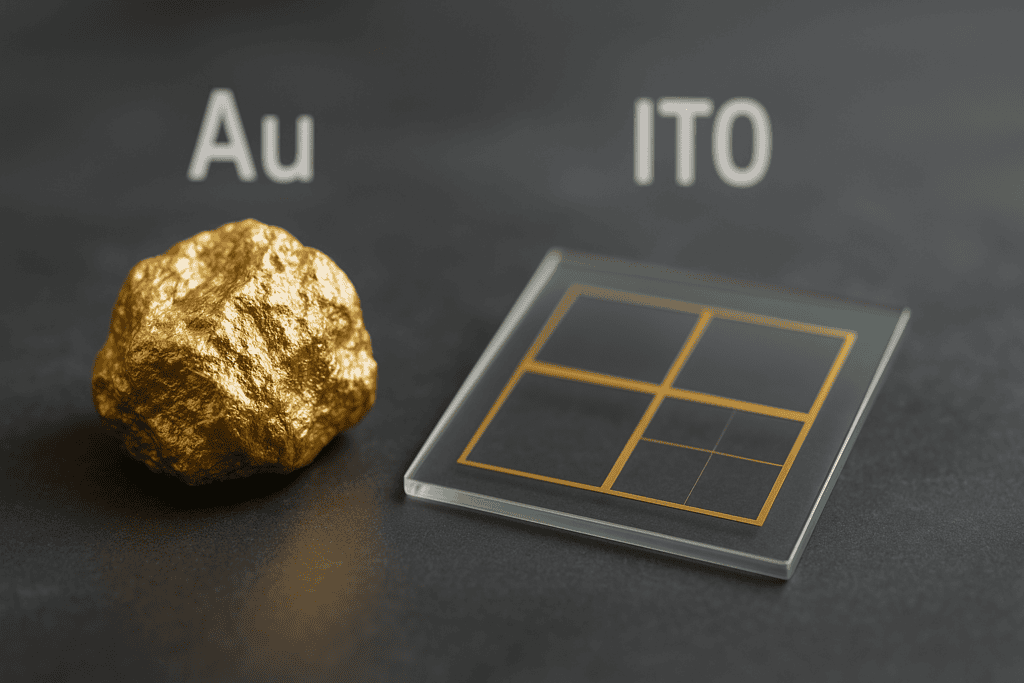
In the rapidly evolving field of biosensors and electronics, choosing the right substrate for electrodes is crucial. Among the most debated comparisons is between gold (Au) and indium tin oxide (ITO). Both materials have unique attributes that cater to specific applications, making the Gold vs. ITO electrodes comparison a vital consideration in design for applications ranging from diagnostics to consumer electronics. This article aims to provide an in-depth analysis of these materials, focusing on their properties, applications, and the challenges faced by professionals in biotech and related fields.
Material Characteristics and Properties
Conductivity and Transparency
Both gold and ITO have distinct conductive properties that make them suitable for various applications. Gold is a noble metal known for its excellent electrical conductivity and resistance to oxidation. Conversely, ITO, a transparent conductive oxide, provides a unique combination of electrical conductivity and optical transparency.
- Gold offers superior conductivity, invaluable in high-frequency applications.
- ITO is highly transparent, making it ideal for touch screens and optical devices.
Stability and Surface Chemistry
The stability and surface chemistry of electrode materials are pivotal in determining their suitability for specific applications. Gold, renowned for its chemical inertness, provides a stable environment conducive to biological assays. ITO, although less stable, excels in applications where transparency is critical, but may require surface treatment for biological compatibility.
- Gold’s resistance to corrosion makes it a preferred choice for long-term applications.
- ITO requires careful handling and often needs surface modifications to enhance bioactivity.
Applications in Diagnostics and Electronics
Gold Electrodes in Biosensors and Electrochemical Assays
Gold electrodes are widely utilized in biosensors due to their high conductivity and stable surface chemistry. They play a crucial role in electrochemical assays where sensitivity and specificity are paramount.
- Highly effective in enzyme-linked immunosorbent assays (ELISA).
- Commonly used in glucose sensors where high conductivity is required.
ITO Electrodes in Optoelectronic Devices
ITO’s dual functionality as a conductive and transparent material makes it a backbone material in optoelectronic devices. It is extensively employed in applications such as OLED displays and solar cells.
- ITO’s transparency is critical for touch-sensitive applications.
- Used in light-emitting devices where the aesthetic and functional transparency is crucial.
Technological Advances and Material Innovations
Nanostructuring and Surface Modifications
Recent advances in nanostructuring have opened new avenues for both gold and ITO electrodes, enhancing their functionalities. Gold nanoparticles can increase surface area, improving sensitivity in biosensors. Meanwhile, ITO can benefit from nanostructuring for improved adhesion and conductivity.
- Nanostructured gold surfaces increase specificity and sensitivity.
- ITO nano-coatings can improve both conductivity and surface roughness.
Flexible and Printed Electronics
The move towards flexible and printed electronics has spurred innovations in both gold and ITO electrodes. Ink formulations of these materials allow for low-cost, scalable production methods suitable for modern electronic applications.
- Gold inks facilitate high-resolution, low-temperature printing.
- ITO is being explored in flexible substrates for use in wearable technology.
Continúe leyendo para explorar información y estrategias más avanzadas.
“`
“`
Cost and Economic Considerations
Balancing Quality and Expense
When selecting electrode materials, cost-effectiveness is a major factor driving decision-making in various industries. Gold, while offering superior performance, comes at a higher price due to its scarcity and demand in the market. On the other hand, ITO, though more abundant, presents cost challenges due to the intricate production processes involved in its manufacture.
- Gold’s high cost often limits its use to applications where its unique benefits outweigh expense.
- ITO provides a cost-saving alternative for large-scale implementations despite initial processing costs.
Sustainability and Environmental Impact
Evaluating Long-Term Consequences
Both gold and ITO have environmental ramifications that must be considered. Gold mining has significant ecological consequences, prompting a need for recycling and recovery efforts. Conversely, the extraction and disposal of indium, a component of ITO, also presents environmental challenges. Innovations in sustainable sourcing and recycling are crucial for minimizing ecological impact.
- Opt for recycled gold whenever possible to reduce environmental impact.
- Pursue advancements in indium recycling to enhance ITO sustainability.
Performance in Hybrid Systems
Synergizing Material Strengths
The combination of gold and ITO in hybrid systems can exploit the advantageous properties of both materials, creating superior electrode systems for multifaceted applications. For instance, gold-ITO hybrids can enhance both the electrical conductivity and transparency necessary for advanced optoelectronic devices.
- Utilize gold-ITO hybrids to maximize efficiency in complex electronic systems.
Regulatory and Standardization Challenges
Navigating Worldwide Compliance
Implementing electrodes in sensitive industries such as healthcare requires adherence to stringent regulatory standards. Both gold and ITO need to meet compliance criteria concerning purity, consistency, and safety across global markets. Understanding these regulations is essential for successful product commercialization.
- Ensure thorough understanding of international standards for electrode materials.
- Regularly update compliance knowledge to adhere to evolving industry regulations.
Technological Disruptions and Future Prospects
Exploring Cutting-edge Innovations
The future of electrode materials is heavily influenced by technological advancements. Emerging disruptions, such as the development of biodegradable gold or advances in ITO alternatives, like graphene, hold promise for the next generation of electronics and biosensors. Keeping abreast of these innovations is key to staying competitive.
- Monitor emerging technologies to leverage new materials in future projects.
- Consider investing in research for novel electrode alternatives.
Comparative Longevity and Maintenance
Ensuring Durability and Reliability
The longevity of electrode materials is vital for ensuring reliability and reducing maintenance costs. Gold’s corrosion resistance generally offers a longer lifespan, but ITO electrodes can also be robust when combined with protective encapsulation techniques.
- Choose gold for applications where minimal maintenance is necessary.
- Use encapsulation strategies to boost the longevity of ITO electrodes.
Customization and Scalability in Manufacturing
Tailoring Solutions for Diverse Needs
Both gold and ITO can be customized for specific applications, but scalability often dictates the choice. Gold, with its excellent malleability, is often easier to work with for custom design work, while ITO offers scalability for larger production runs, such as those needed for consumer electronics.
- Opt for gold when detailed, small-batch customization is required.
- Choose ITO for scalable production where economies of scale are crucial.
A continuación, concluiremos con los puntos clave, métricas y una conclusión contundente.
“`
“`
Market Trends and Consumer Preferences
Adapting to Evolving Requirements
The demand for electrode materials has witnessed considerable shifts with the continuous evolution of consumer preferences and technological advancements. As smart devices proliferate, there is an increasing need for materials that can deliver both performance and cost-efficiency. Users and manufacturers alike prioritize materials that provide a combination of durability, energy efficiency, and environmental sustainability.
- Pay attention to industry reports to understand market trends influencing material demand.
- Factor consumer preferences in product offerings to gain competitive advantage.
Integration in Developing Technologies
Aligning with Future Innovations
For researchers, engineers, and manufacturers, anticipating technological shifts is crucial for the integration of electrodes in future developments. As industries pivot toward smarter, more connected technologies, materials like gold and ITO must be assessed for compatibility with emerging systems, such as wearables and IoT devices, where reliability and performance are paramount.
- Investigate potential applications in emerging fields like bioelectronics and flexible devices.
- Collaborate with tech innovators to align material developments with upcoming technological needs.
Investment and R&D Considerations
Backing Futuristic Solutions
Investing in research and development is vital for driving the future use of gold and ITO in innovative applications. By funding cutting-edge projects, companies can stay ahead in the competitive landscape. The pursuit of novel manufacturing processes and resource-efficient production methods will pave the way for the next generation of electrode materials that meet diverse industry demands.
- Encourage investments in R&D to discover new applications for gold and ITO.
- Focus on innovations that enhance material performance and environmental sustainability.
Conclusión
In the exploration of gold versus ITO electrodes, a comprehensive understanding of their unique characteristics, benefits, and constraints has been achieved. Gold continues to be highly valued for its excellent conductivity and corrosion resistance, ideal for high-end applications where quality justifies the cost. Meanwhile, ITO represents a cost-effective alternative with a beneficial role in large-scale electronics due to its transparency and conductivity. By integrating both materials, industries can capitalize on their strengths to drive innovation, particularly in optoelectronic and advanced hybrid systems.
This article underscores the critical considerations beyond mere material selection, including sustainability, regulatory compliance, and market trends, which are pivotal in modern manufacture and application. As environmental impact becomes an increasing concern, efforts in recycling and sustainable sourcing for materials like gold and indium are paramount. Furthermore, staying abreast of technological disruptions, such as biodegradable alternatives and graphene, is necessary to keep pace with the fast-evolving landscape.
The future of electrode technology lies at the intersection of performance, economic viability, and environmental responsibility. As industries move forward, the strategies to combine superior conductivity, cost efficiency, and ecological considerations become essential for seizing new opportunities. Companies are encouraged to invest in research and strategize for customization and scalability that align with global market demands.
To those in the field or considering a venture into electrode technologies, the need to continue learning and adapting cannot be overstressed. Whether it’s pushing the boundaries of innovation or achieving stringent compliance standards, the ultimate goal should be to enhance the overall impact of materials on technology and society. As the landscape changes, proactive adaptation will ensure success and sustainability. Now is the time to delve into these issues, ensuring that chosen solutions meet future needs and contribute positively to both the industry and the environment.
“`
Serum-related considerations when moving from 2D to 3D cell culture
“`
Serum-related considerations when moving from 2D to 3D cell culture
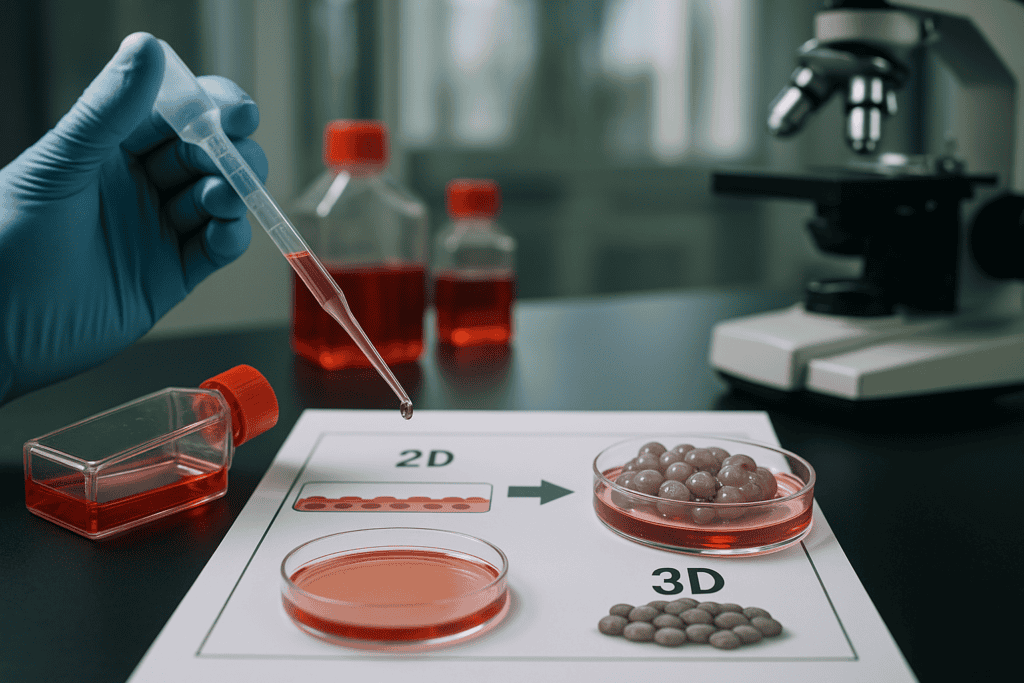
As cell culture techniques evolve, the transition from 2D to 3D cell culture systems presents researchers with unique opportunities and challenges. One critical factor in this transition is the selection and management of serum components. Understanding serum-related considerations is essential for achieving reliable and reproducible results, particularly when shifting from the simplicity of 2D monolayers to the complex environments of 3D cell cultures. This article delves into the key serum-related aspects that need attention, including lot-to-lot variability, quality parameters, and compatibility with various cell types.
Understanding Serum’s Role in Cell Culture
Biological Function and Importance
Serum provides vital nutrients, hormones, and growth factors that are crucial for cell survival and proliferation in vitro. In traditional 2D cultures, fetal bovine serum (FBS) is commonly used due to its rich composition. However, the transition to 3D systems, which more closely mimic physiological conditions, necessitates a reevaluation of serum components. Understanding the functional role of serum in supporting complex 3D environments is critical for experimental success.
- FBS is commonly utilized for its rich nutritional profile.
- Serum provides essential growth factors and hormones.
- The transition to 3D cultures may require adjustments in serum composition.
Continúe leyendo para explorar información y estrategias más avanzadas.
Challenges of Serum Variability
Lot-to-Lot Variability and Its Impact
One of the biggest concerns with serum is the lot-to-lot variability that can affect experimental outcomes. This is particularly crucial in 3D cell cultures where the consistency of the biological environment is paramount. Variability in serum can lead to discrepancies in cell growth rates and behavior, which can significantly impact the reproducibility of results. Researchers must implement strategies to manage this variability effectively.
- Document serum batch details and characteristics for reproducibility.
- Consider batch reservation services to ensure consistent supply.
- Regular testing and validation of serum batches are recommended.
Continúe leyendo para explorar información y estrategias más avanzadas.
Quality Control Measures
Ensuring High-Quality Standards
The integrity and quality of serum are paramount in complex 3D cell culture experiments. Implementing rigorous quality control measures can mitigate risks associated with contamination and variability. Utilizing services like batch testing and documentation can enhance the reliability of biological experiments, promoting successful research outcomes.
- Sterility and endotoxin levels should be regularly monitored.
- Batch documentation aids in traceability and quality assurance.
- Custom biological sourcing can provide tailored serum options.
Continúe leyendo para explorar información y estrategias más avanzadas.
Optimizing Serum for Different Cell Types
Compatibility and Suitability Considerations
As different cell types have unique requirements, selecting the appropriate serum is vital. The complex nature of 3D environments can amplify discrepancies caused by incompatible serum components. Tailoring serum selection based on the specific cellular requirements can enhance cell viability and functionality in 3D systems.
- Different cell types may require specific serum components.
- Comparative testing of different sera can identify optimal formulations.
- Consider the physiological mimicry when transitioning to 3D cultures.
Continúe leyendo para explorar información y estrategias más avanzadas.
Leveraging Technology for Monitoring and Documentation
Incubator-Compatible Live-Cell Imaging
Advanced technologies, such as the zenCELL owl, an incubator-compatible live-cell imaging system, offer real-time monitoring of cell behavior in 3D cultures. These systems can provide valuable data regarding serum or reagent effects, aiding in documentation and enhancing reproducibility. Continuous monitoring helps researchers dynamically adjust parameters, ensuring optimal experimental outcomes.
- Live-cell imaging supports continuous observation of culture dynamics.
- Real-time data can be invaluable for adaptability and precision.
- Documentation of serum effects aids in achieving reproducible results.
Continúe leyendo para explorar información y estrategias más avanzadas.
“`
“`
Developing Effective Serum-Free Alternatives
Reducing Dependency on Traditional Serum
The complexity and variability associated with animal-derived serum have driven significant interest in serum-free culture systems. Reducing serum dependency can enhance experimental reproducibility and align with ethical considerations regarding animal use. Serum-free media, supplemented with defined growth factors and nutrients, present a viable solution for many 3D culture applications. The shift towards serum-free alternatives supports more controlled experimental setups and can streamline the transition from research to clinical applications.
- Evaluate commercially available serum-free media tailored for specific cell types.
- Customize media formulations to meet unique experimental needs.
- Ensure that the transition does not compromise the integrity of cell morphology and function.
Integration of Hydrogels for Serum Support
Simulación de Condiciones Fisiológicas
Hydrogels, used in combination with or as alternatives to traditional serum, can enhance the 3D culture environment by providing a more physiologically relevant matrix. These biomaterials offer a scaffold that mimics the extracellular matrix, supporting cellular functions such as proliferation, differentiation, and migration. Integrating hydrogels with cell culture systems allows for precise modulation of mechanical and biochemical properties, fostering better simulation of in vivo conditions for 3D cultures.
- Select hydrogels based on mechanical properties compatible with specific cell types.
- Combine hydrogels with defined growth factors to replace traditional serum components.
- Test various hydrogel concentrations and compositions to optimize cell behavior and performance.
Advanced Biofabrication Techniques
Utilizing 3D Bioprinting for Serum Optimization
3D bioprinting innovatively addresses the challenges in serum component distribution within 3D cultures. By using precision deposition techniques, researchers can fabricate complex tissue constructs that maintain optimal growth environments, bypassing some variability issues inherent to traditional serum use. This technology enables the precise placement of cells and biomaterials, creating more uniform and functional tissue analogs.
- Incorporate bioprinting to design scaffold geometries that improve nutrient flow.
- Experiment with combinations of bio-inks and biochemical supplements.
- Leverage bioprinting to minimize serum use by directly embedding essential factors into the scaffold.
Establishing Protocols for Serum Banking
Maintaining Consistent Experimental Conditions
Serum banking and management are critical for maintaining consistency across experimental runs. Proper protocols for serum collection, storage, and usage help mitigate the effects of variability and ensure that researchers have access to reliable and consistent materials. Setting up an in-house serum banking system allows for better control and traceability, contributing to more reproducible results across multiple studies.
- Create a standardized protocol for serum collection and storage conditions.
- Implement labeling systems for traceability, including batch number and date.
- Regularly evaluate stored serum for quality indicators such as sterility and nutrients.
Navegando por los marcos regulatorios
Ensuring Compliance and Quality Standards
Understanding the regulatory requirements surrounding serum use in 3D cell cultures is crucial for research and commercial applications. Complying with guidelines from authorities such as the FDA and EMA helps maintain high-quality standards and facilitates the transition from lab to market. Adhering to these regulations not only supports ethical and safe research practices but also builds trust with stakeholders by ensuring that experimental conditions meet stringent quality control measures.
- Familiarize with relevant guidelines and implement compliance checks.
- Document all procedures and materials used in serum preparation.
- Engage with regulatory bodies early in the research process to streamline approval paths.
Case Studies: Successful Transitions from 2D to 3D
Real-World Applications and Outcomes
Analyzing case studies from various laboratories can offer valuable insights into the successful transition from 2D to 3D cell cultures. For instance, a notable study involved the use of serum-free hydrogels in creating a human liver model, significantly enhancing cell viability and function compared to traditional methods. These results underscore the potential for advanced serum strategies to improve experimental outcomes reliably.
- Review case studies to identify successful strategies and common pitfalls.
- Apply learnings from peer research to inform your experimental design.
- Adapt successful methodologies to cater to your specific research goals and cell types.
Collaborative Platforms for Serum Research
Harnessing Collective Knowledge for Innovation
Joining collaborative platforms and networks facilitates the sharing of insights and strategies concerning serum use in 3D cultures. These networks foster innovation by bringing together interdisciplinary expertise, allowing researchers to collectively address challenges and develop novel solutions. By pooling resources and knowledge, collaboration can accelerate progress in optimizing serum components for complex cell culture systems.
- Engage with professional networks and forums focusing on cell culture advancements.
- Participate in workshops and conferences dedicated to tissue engineering and biomaterials.
- Contribute to collaborative research initiatives and publications.
A continuación, concluiremos con los puntos clave, métricas y una conclusión contundente.
“`
“`
Technological Innovations in Serum-Free Media
Pioneering Tools and Techniques
Recent technological advancements have significantly propelled the development of next-generation serum-free media. Utilizing cutting-edge tools such as metabolomics and high-throughput screening, researchers can now finely tune the composition of cell culture media. This precision enables the facilitation of more accurate mimicking of in vivo conditions, enhancing the physiological relevance of 3D cultures.
- Leverage metabolomics to analyze cellular metabolic requirements for tailored media solutions.
- Implement high-throughput screening to rapidly evaluate the efficacy of various media formulations.
- Adopt bioinformatics approaches to predict optimal growth conditions based on cellular genetic profiles.
Ethical Considerations in Serum Research
Balancing Scientific Goals with Ethical Standards
As the scientific community moves towards more advanced 3D cell culture systems, ethical considerations must remain at the forefront. The use of animal-derived products, such as traditional serum, in research is under scrutiny. Adopting serum-free alternatives aligns with the growing emphasis on reducing animal testing while advancing scientific innovation.
- Adhere to ethical guidelines that minimize the use of animal-derived components in research.
- Educate researchers and stakeholders about the benefits of serum-free and ethically sourced media.
- Promote transparency in research methodologies to foster trust and acceptance.
Future Directions in Serum Optimization
Exploring Uncharted Territories
The journey toward optimizing serum use in 3D cell cultures is an evolving frontier. As technologies and methodologies continue to innovate, the future holds promising directions for these efforts. The integration of artificial intelligence and machine learning could revolutionize the customization of culture systems, predicting cellular responses with unprecedented accuracy and efficacy.
- Explore the potential of AI-driven solutions for designing serum-free media.
- Investigate next-generation biomaterials that may serve as more effective serum substitutes.
- Encourage interdisciplinary research to push the boundaries of 3D culture applications.
Conclusión
Throughout this exploration of serum-related considerations in transitioning from 2D to 3D cell culture systems, several pivotal insights have emerged. The shift towards serum-free alternatives not only enhances reproducibility and ethical alignment but also supports improved experimental control and application in clinical settings. The integration of hydrogels and advanced biofabrication techniques, such as 3D bioprinting, exemplifies the innovative spirit driving these advancements. Furthermore, established protocols for serum banking and understanding of the regulatory landscapes ensure that the research maintains not only consistency and reliability but also compliance with high-quality standards.
The rapid progression of technological tools and collaborative platforms has further empowered the research community, enabling the pooling of collective knowledge to confront complex challenges with creativity and rigor. Case studies of successful transitions and the emphasis on empathizing ethical considerations highlight the potential for serum-free and optimized media to revolutionize cell culture practices. This paradigm shift underscores a future where scientific innovation and ethical responsibility synergistically thrive.
As we move forward, the opportunities for groundbreaking discoveries in 3D cell cultures continue to expand. By embracing interdisciplinary collaboration, leveraging cutting-edge methodologies, and maintaining a commitment to ethical research practices, we stand at the cusp of transforming fundamental scientific approaches. Let this journey inspire a reimagined perspective on serum use and advancements in cell culture technologies, motivating continued exploration and innovation in a rapidly evolving field. In this era of biotechnological advancement, our collective efforts will undoubtedly pave the way for more precise, ethical, and impactful scientific outcomes.
“`
Why Endpoint Microscopy Fails: The Shift Toward Continuous Cell Monitoring
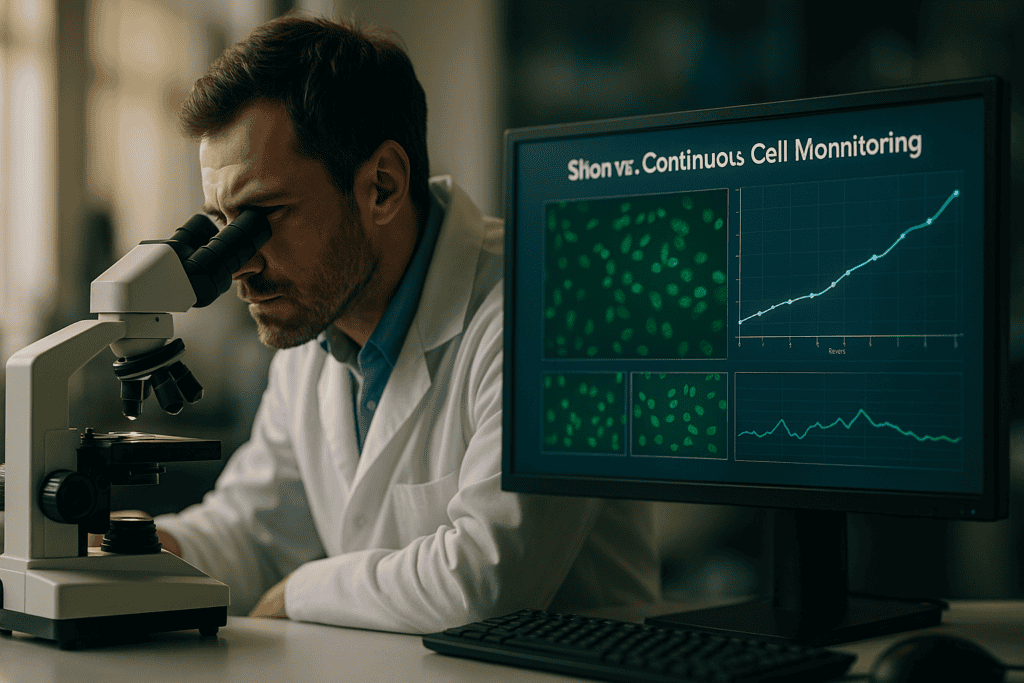
Why Endpoint Microscopy Fails: The Shift Toward Continuous Cell Monitoring
The landscape of cell culture research has evolved significantly over the past few decades, driven by the need for more accurate, high-resolution data and improved experimental reproducibility. Traditional endpoint microscopy, once the gold standard for cellular analysis, is increasingly proving inadequate for research demands that require real-time insights into cellular dynamics. The shift toward continuous cell monitoring is reshaping cell culture workflows, providing researchers with unprecedented access to quantitative, dynamic data. This article will delve into the shortcomings of endpoint microscopy, the technological advancements driving continuous monitoring, and practical implementations within modern laboratories.
Challenges and Limitations of Traditional Endpoint Microscopy
Static Snapshots vs. Dynamic Cellular Processes
Endpoint microscopy traditionally involves taking fixed snapshots of cellular events at specific time points. While useful for a broad overview, this approach falls short of capturing the dynamic nature of live cells. Cells do not operate in static modes; their behavior—migrations, mitoses, and responses to stimuli—requires observation over time to truly understand the complexities of cellular mechanisms. Consequently, relying solely on endpoint data can lead to misinterpretations and potentially skewed results.
- Missed transient cellular events
- Limited temporal resolution
- Potential for artifacts due to sample preparation
Manual Operation and Human Error
Traditional microscopy methods heavily rely on manual operation, which introduces significant opportunities for human error. Variabilities in staining, focusing, and image capture can result in inconsistent data, reducing reproducibility across experiments. The lack of automated image acquisition can also result in data gaps and a lack of continuity, particularly important in long-term studies.
- Operator-dependent variability
- Time-consuming processes
Avances tecnológicos y tendencias de automatización
Embracing Automation in Cell Imaging
Technological innovations in microscopy have led to significant strides in automation, facilitating the shift to continuous cell monitoring. Automated systems not only enhance reproducibility but also improve data consistency by minimizing human interaction. Moreover, real-time data acquisition allows researchers to observe cellular processes as they unfold, reducing the likelihood of missing critical events.
- Automated focusing and imaging
- Consistent and unbiased data collection
Impact of Incubator-based Imaging Systems
Incubator-based imaging systems, such as the zenCELL owl, are at the forefront of this technological transition. Designed to work within the controlled environment of an incubator, these systems enable continuous imaging without disrupting the cell culture conditions. This real-time monitoring capability is crucial in providing insights into cell behavior that could otherwise be lost with traditional endpoint methods.
- Non-invasive and real-time
- Maintains optimal cell conditions
Continúe leyendo para explorar información y estrategias más avanzadas.
“`
Benefits of Continuous Cell Monitoring
Gaining High-Resolution Temporal Data
Continuous cell monitoring provides granular, high-resolution temporal data, crucial for unraveling the intricate dynamics of cellular processes. Unlike endpoint microscopy which captures cells at a single time point, continuous monitoring systems can record activity as it happens, allowing researchers to visualize and quantify cellular responses in real-time. For instance, understanding the stages of cell proliferation or apoptosis becomes more accessible and accurate; researchers can pinpoint exact times when changes occur, offering deeper insights into the kinetics of these processes.
- Utilize continuous data to track cellular changes accurately.
- Improve predictive modeling of cellular behavior.
Integration with Artificial Intelligence
Leveraging AI for Enhanced Data Analysis
The integration of Artificial Intelligence (AI) with continuous cell monitoring systems has revolutionized data analysis. AI algorithms can process vast quantities of temporal data, highlighting trends and anomalies that might be missed by human analysis. For instance, machine learning models can be trained to automatically detect structural changes in cells, identify patterns in cell migration paths, or predict cellular response to treatments, significantly enhancing the analytical power of researchers.
- Implement AI-driven analytics to enhance data interpretation.
- Reduce manual data processing time significantly.
Applications in Drug Discovery
Accelerating Pipeline with Real-Time Insights
In drug discovery, understanding how cells react to compounds over time is critical. Continuous monitoring provides valuable insights into drug efficacy and toxicity in dynamic cellular environments. For example, researchers can assess how a cancer drug influences tumor cell morphology and proliferation over several days, a process that is cumbersome with endpoint methods. This capability can streamline drug screening processes and improve success rates in preclinical trials.
- Shorten drug development timelines with real-time observation.
- Enhance the accuracy of efficacy and safety assessments.
Enhancing Reproducibility in Research
Reducing Variability Through Standardization
Reproducibility is a cornerstone of scientific research, yet traditional microscopy often falls short due to manual variability. Continuous monitoring systems offer automated workflows that standardize data collection, reducing discrepancies between experiments. Furthermore, these systems allow for the storage of large data sets, providing robust backups that facilitate data sharing and transparency across research teams, an essential factor in verifying experimental outcomes.
- Adopt standardized protocols to ensure consistency.
- Utilize comprehensive data archiving for improved reproducibility.
Case Study: Continuous Monitoring in Cancer Research
Driving Innovations with Real-Time Data
A prominent example of the impact of continuous monitoring can be seen in cancer research at the Cellular Dynamics Institute. Researchers employed incubator-based imaging systems to track the real-time invasion of cancer cells in 3D culture models. This approach provided unprecedented insights into the mechanisms of metastasis, revealing critical windows of drug susceptibility that were previously overlooked with static imaging methods.
- Leverage real-time data to uncover novel therapeutic targets.
- Improve intervention strategies through dynamic monitoring.
Practical Considerations for Implementation
Adapting Lab Infrastructure for Continuous Systems
Transitioning to continuous cell monitoring requires careful planning and infrastructure adaptation. Researchers must ensure their laboratories are equipped with the necessary technology, such as stable incubators compatible with imaging systems like zenCELL owl. Additionally, training staff on new software and workflows is crucial to maximize the efficacy of the technology. Collaboration with technology providers can also assist in customizing systems to meet specific research needs.
- Invest in compatible technology and infrastructure upgrades.
- Prioritize training to optimize system usage.
Preparing for Future Developments
Anticipating Innovations in Real-Time Monitoring
The field of cell monitoring is rapidly evolving, with continuous advancements anticipated as new technologies emerge. Developments in microscopy hardware, AI, and computational biology will further push the boundaries of real-time cellular analysis. Staying informed about these advancements and being prepared to integrate them can keep laboratories at the forefront of research innovation, ensuring they contribute effectively to cutting-edge discoveries.
- Stay updated with technological advancements.
- Be adaptable to integrate new tools and methodologies.
A continuación, concluiremos con los puntos clave, métricas y una conclusión contundente.
“`
“`
Overcoming Challenges in Continuous Monitoring
Addressing Data Overload and Analysis Bottlenecks
Continuous cell monitoring offers numerous advantages, but it also introduces challenges, especially in data handling. With continuous acquisition, the volume of data generated can be overwhelming, potentially leading to storage and processing bottlenecks. To mitigate these issues, laboratories should invest in scalable storage solutions and adopt efficient data management strategies that ensure seamless data flow from acquisition to analysis. Utilizing cloud-based platforms and automated data processing tools can significantly enhance efficiency, enabling researchers to focus more on interpretative insights rather than logistical hurdles.
- Implement scalable data storage solutions to manage large data volumes.
- Utilize cloud-based platforms for improved data handling and analysis.
The Financial Aspect of Adopting Continuous Monitoring
Justifying the Investment in Innovative Technologies
Integrating continuous cell monitoring technologies into research can require substantial financial investment. Nevertheless, the long-term benefits often outweigh the initial costs. Enhanced data accuracy, improved experimental reproducibility, and quicker research cycles can result in cost savings and increased research throughput. To justify the investment, laboratories can conduct a cost-benefit analysis, highlighting how these technologies can enable groundbreaking research that attracts funding and partnerships.
- Conduct cost-benefit analysis to evaluate long-term gains.
- Pursue collaborations and funding to offset initial costs.
Looking Ahead: The Evolution of Cell Monitoring
Predicting Future Trends and Opportunities
As technology continues to evolve, the field of cell monitoring is expected to see transformative advances. We anticipate a convergence of technologies such as AI, machine learning, and advanced imaging techniques that will provide even more sophisticated insights into cellular processes. The integration of these innovations will likely refine research methodologies, creating unprecedented opportunities for discovery in fields ranging from cancer research to regenerative medicine.
- Embrace convergence of emerging technologies for research enhancement.
- Explore new frontiers in cellular analysis for groundbreaking discoveries.
Conclusión
In conclusion, continuous cell monitoring marks a significant advancement over traditional endpoint microscopy, offering profound benefits across multiple dimensions of cell research. From gaining high-resolution temporal data that provides real-time insights, to the integration of Artificial Intelligence for enhanced data analysis, the shift toward continuous monitoring is both impactful and necessary for modern scientific inquiry.
As seen in various applications such as drug discovery and cancer research, continuous monitoring not only accelerates research timelines but also enhances reproducibility and accuracy. This systematic approach reduces manual variability, ultimately supporting the reliability and validity of experimental outcomes. While challenges such as data management and initial financial investments must be addressed, the potential for innovation and research breakthroughs makes these challenges worth overcoming.
As the field progresses, the importance of staying informed about new technological advancements becomes even more pressing. By continually adapting and integrating emerging tools and methodologies, laboratories can remain at the forefront of scientific innovation, contributing significantly to our understanding of complex cellular processes.
For researchers, laboratory managers, and stakeholders, now is the time to embrace the shift toward continuous cell monitoring. By doing so, you position your research to leverage the full spectrum of insights that this technology affords, ultimately paving the way for groundbreaking discoveries and advancements. Stay informed, be adaptable, and strive for excellence in every experiment. Together, let us imagine a future where cell monitoring reaches its full potential, transforming not just scientific understanding but the very fabric of healthcare and therapy development.
“`
Design Criteria for Impedance Multiwell Plates
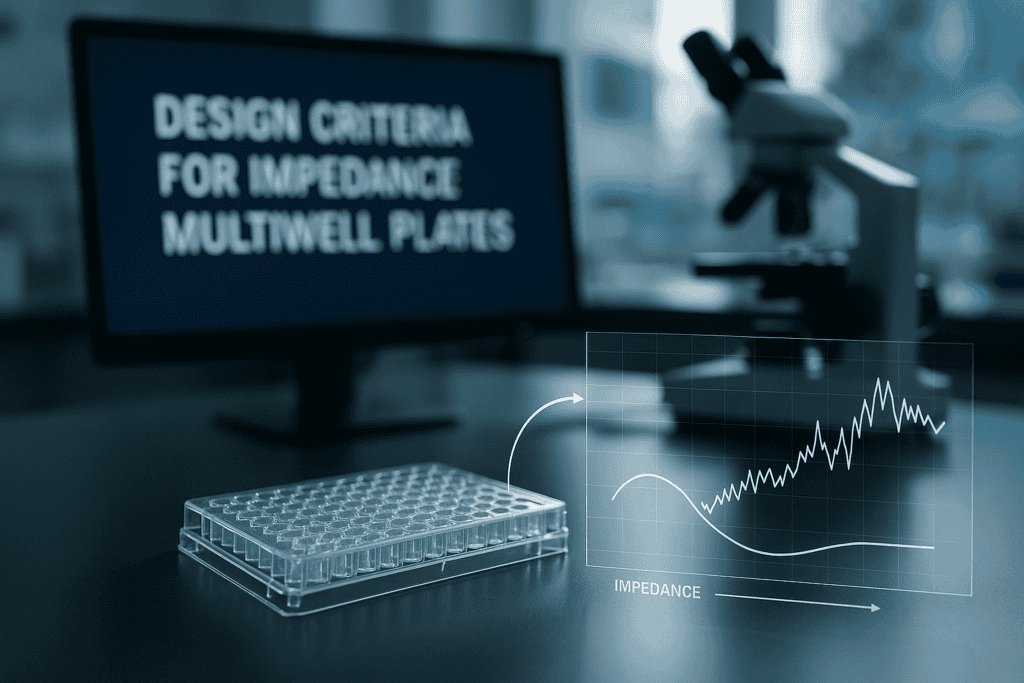
“`
Design Criteria for Impedance Multiwell Plates
In the fast-evolving landscape of life sciences, the demand for precise, repeatable, and efficient laboratory practices is ever-increasing. Impedance multiwell plates represent a key technological advancement, offering robust solutions for high-throughput screening, cell proliferation studies, and electrophysiology assays. Understanding the design criteria of these advanced plates is paramount for researchers, lab managers, and biotech professionals seeking to enhance experimental accuracy and productivity.
This article delves into the essential aspects of designing impedance multiwell plates, from material selection and surface treatment to manufacturing processes that uphold cGMP and GMP standards. The insights provided herein are geared towards empowering professionals to make informed decisions that align with their experimental and regulatory needs.
Development of Laboratory Plastic Products
Multiwell Plate Design Considerations
The development of laboratory plastic products, particularly impedance multiwell plates, necessitates a meticulous approach to design-for-manufacturing (DFM). Key considerations include selecting appropriate well formats, such as 6–384 wells, and tailoring design specifications to support various cell culture applications.
- Focus on multiwell formats to accommodate diverse assay requirements.
- Ensure compatibility with both automated and manual handling systems.
Material Selection and Surface Treatments
The selection of materials plays a critical role in defining the performance of impedance multiwell plates. Polystyrene (PS), polypropylene (PP), and cyclic olefin copolymer (COC) are commonly used for their optical clarity and chemical resistance. Surface treatments, including tissue culture (TC) treatment or specialized coatings, further enhance cell attachment and assay performance.
- Choose materials based on optical and biological requirements.
- Consider surface modifications for improved cell interaction.
Tooling and Scale-Up Strategies
From Prototyping to Production
Transitioning from early prototypes to full-scale production requires strategic planning and precision. Initial prototyping is essential to refine design attributes and ensure functionality. Pilot tooling facilitates small-batch production to validate design parameters before scaling up to pre-series and industrial-scale tooling.
- Iterate designs through prototyping to optimize performance.
- Utilize pilot tooling for verifying design metrics.
Ensuring Reproducibility and Dimensional Accuracy
Consistency across batches is a non-negotiable criterion in manufacturing impedance multiwell plates. This demands a robust and scalable production process that maintains dimensional accuracy and reproducibility. Engaging in thorough process validation ensures these parameters are met, adhering to stringent quality standards.
- Focus on achieving high reproducibility across production runs.
- Implement rigorous process validation procedures.
Injection Molding and Process Control
Key Manufacturing Techniques
Injection molding stands at the core of manufacturing impedance multiwell plates, offering precision, scalability, and cost-effectiveness. The process control strategies employed are crucial for ensuring that each batch meets predefined quality criteria, supporting the stringent demands of regulated environments.
- Adopt consistent injection molding practices for quality assurance.
- Leverage advanced process control systems for improved outcomes.
Process Validation and Documentation
In regulatory-focused environments, the emphasis on process validation and documentation cannot be overstated. A robust documentation system captures every aspect of the manufacturing process, from raw material inspection to final quality checks, ensuring traceability and compliance with cGMP and GMP standards.
- Maintain comprehensive batch documentation for regulatory compliance.
- Implement change control and risk management protocols.
Continúe leyendo para explorar información y estrategias más avanzadas.
“`
“`
Environmental Considerations in Manufacturing
Sustainable Practices in Plate Production
As the life sciences industry moves towards greater sustainability, manufacturers of impedance multiwell plates are integrating eco-friendly practices and materials. This shift not only addresses regulatory pressures but also caters to the growing demand from environmentally conscious consumers. Utilizing recyclable materials and minimizing waste during the injection molding process play crucial roles in this transition.
- Choose sustainable, recyclable materials wherever feasible.
- Implement waste reduction strategies during production.
Energy Efficiency in the Manufacturing Process
Energy consumption is a critical component of the manufacturing process, particularly for energy-intensive procedures like injection molding. Manufacturers can significantly reduce their carbon footprint by employing high-efficiency machinery and optimizing production schedules to reduce idle time. For instance, some facilities have successfully integrated renewable energy sources, further enhancing their sustainability profile.
- Invest in energy-efficient injection molding equipment.
- Incorporate renewable energy sources to power production.
Técnicas avanzadas de aseguramiento de la calidad
Implementing Automated Quality Control Systems
Quality control is paramount in ensuring the reliability and safety of impedance multiwell plates. Automated systems equipped with machine vision and artificial intelligence (AI) can detect defects and inconsistencies with greater precision. These technologies enable real-time inspections, reducing the likelihood of human error and improving overall production consistency.
- Deploy AI-driven inspection tools for enhanced defect detection.
- Utilize real-time data analytics to monitor quality metrics continuously.
Statistical Process Control (SPC) Measures
Statistical process control (SPC) is a valuable methodology applied to monitor and control production processes through statistical techniques. By charting variations and trends in manufacturing data, SPC allows for timely adjustments that prevent potential deviations from quality standards, ensuring each batch of plates meets the stringent requirements of life sciences applications.
- Adopt SPC to actively monitor production quality.
- Train staff on interpreting SPC data for proactive process control.
Supply Chain Management and Logistics Optimization
Optimizing Material Flow and Inventory Control
Effective supply chain management is vital for maintaining the quality and availability of laboratory products. Strategies such as just-in-time (JIT) inventory systems and lean supply chain principles reduce waste and ensure timely delivery of raw materials and finished products. These practices are increasingly being adopted to streamline material flow and minimize holding costs.
- Implement JIT for efficient inventory management.
- Apply lean principles to streamline supply chain operations.
Enhancing Distribution Efficiency
The global reach of scientific research requires efficient distribution channels to deliver impedance multiwell plates worldwide. Advanced logistics solutions, including route optimization software, ensure timely and safe delivery of products. These systems can also reduce transportation costs and emissions, aligning with environmental commitments.
- Utilize logistics software to optimize delivery routes.
- Partner with reliable distributors to ensure supply chain integrity.
Regulatory Compliance and Certification
Navigating Complex Regulatory Landscapes
Compliance with regional and international standards is essential for the manufacture of impedance multiwell plates. This includes adhering to ISO regulations and maintaining certificates like CE marking for products distributed within the European Economic Area. Manufacturers must stay abreast of evolving guidelines to ensure continuous compliance.
- Keep updated with international and local regulatory changes.
- Achieve and maintain relevant quality certifications.
Maintaining Robust Documentation Practices
Documenting every stage of production is not only a regulatory requirement but also an essential practice for troubleshooting and continuous improvement. Manufacturers use electronic documentation systems to maintain detailed records of materials, processes, and inspections, which helps streamline audits and ensure traceability.
- Adopt electronic documentation for comprehensive record-keeping.
- Regularly review documentation practices to identify improvements.
Customer-Centric Product Development
Incorporating Feedback into Design Enhancements
Customer feedback is crucial in refining the design and functionality of impedance multiwell plates. By actively seeking and analyzing end-user insights, manufacturers can prioritize enhancements that align with user expectations and market needs, improving product adoption and customer satisfaction.
- Collect and analyze user feedback to guide product improvements.
- Engage with customers during the product development process.
Custom Plate Solutions for Diverse Applications
To meet the diverse needs of life sciences professionals, custom impedance multiwell plates offer tailored solutions for specific applications. Flexibility in design enables adaptations in well formats, coatings, and sensor integrations. For instance, researchers studying novel cell growth patterns benefit from plates specifically designed to accommodate their unique assays.
- Offer customizable plate options to meet specialized needs.
- Collaborate with clients to develop tailored solutions.
A continuación, concluiremos con los puntos clave, métricas y una conclusión contundente.
“`
“`
Innovation Driven Manufacturing
Embracing Automation in Production
The advent of automation in manufacturing presents significant opportunities for improving efficacy and productivity in impedance multiwell plate production. By integrating robotics and advanced automation technologies, manufacturers can achieve precision and uniform quality while reducing human labor costs. Automated systems also allow for scaling up operations swiftly to meet increasing demand without compromising quality or performance.
- Integrate robotics to enhance production speed and precision.
- Utilize automated systems for scalable manufacturing processes.
Investing in Research and Development (R&D)
Continual investment in research and development is crucial for staying at the forefront of innovation within the life sciences industry. By funding R&D initiatives, manufacturers can explore new materials, technologies, and methodologies that enhance the performance and applicability of impedance multiwell plates. This commitment to innovation not only drives competitive advantage but also enriches the scientific community with advanced tools.
- Dedicate resources to ongoing R&D for product advancement.
- Explore novel materials and technologies for enhanced plate performance.
Conclusión
In summary, the manufacturing and development of impedance multiwell plates stands at the confluence of sustainability, innovation, and customer-centric priorities. By harnessing sustainable practices such as the use of recyclable materials and energy-efficient machinery, manufacturers are reducing their environmental footprint, thereby addressing both consumer expectations and regulatory mandates. Advanced quality assurance systems like AI-driven inspections and Statistical Process Control not only uphold rigorous standards but also facilitate continuous improvement through real-time feedback.
Simultaneously, optimizing supply chain logistics and adopting robust regulatory compliance protocols ensure that manufacturers remain competitive in an ever-evolving global market. By aligning operational practices with evolving environmental and societal expectations, the industry fosters a conducive atmosphere for innovation and excellence. Customer engagement throughout the product development lifecycle further tailors manufacturing efforts to real-world applications, enabling customized solutions that meet diverse scientific needs.
As we look towards the future, the integration of automation and cutting-edge research holds promise for unprecedented advancements. Manufacturers committed to these strategic priorities will not only drive scientific discovery but also contribute significantly to global sustainability goals. In doing so, they position themselves as leaders in the life sciences industry, providing essential tools that empower researchers worldwide to push the boundaries of knowledge.
For manufacturers and researchers alike, the opportunity beckons to participate in this dynamic evolution. By embracing innovation, sustainability, and collaboration, we collectively pave the way for a healthier, more sustainable world. Let this be a clarion call to invest in transformative technologies and practices that will shape the future of science. Together, let’s drive progress and create lasting impact, one multiwell plate at a time.
“`
Managing raw material risk during rapid project scaling

“`
Managing raw material risk during rapid project scaling
Understanding Raw Material Variability
Lot-to-Lot Variability in Biological Materials
Biological raw materials, such as fetal bovine serum (FBS) and bovine serum, are inherently variable due to their biological origin. This variability poses significant challenges during project scaling, where consistent performance is critical. Each lot of FBS can differ in growth factors, cytokines, and other serum content critical to cell culture success.
- Ensure rigorous lot testing and documentation to verify consistency across batches.
Continue reading to explore more advanced insights and strategies surrounding raw material management.
Quality Control Measures
Establishing Robust Testing Protocols
Implementing stringent quality control measures helps mitigate risks associated with raw materials. Testing protocols should be standardized to assess critical attributes such as sterility, endotoxin levels, and growth performance. Using incubator-compatible live-cell imaging systems, such as those referenced on zencellowl.com, can continuously monitor cell behavior and document serum effects, enhancing reproducibility and documentation accuracy.
- Adopt consistent quality assurance processes to identify batch variations early.
Continue reading to explore more advanced insights and strategies surrounding raw material management.
Traceability and Documentation
The Role of Comprehensive Record Keeping
Maintaining detailed records of raw material sources and characteristics is crucial for identifying sources of variability. Proper traceability allows researchers to pinpoint differences in experimental outcomes correlated with specific raw material lots. When working with human-derived biologicals, for example, donor variability adds an additional layer of complexity.
- Ensure raw material traceability to facilitate root cause analysis and process optimization.
Continue reading to explore more advanced insights and strategies surrounding raw material management.
Strategies for Risk Minimization
Batch Reservation and Testing Services
Batch reservation and proactive testing services provide a strategic approach to manage raw material risk during rapid scaling. By securing and testing larger quantities of a single lot, researchers can minimize variables affecting experimental reproducibility. These services align with comprehensive planning to counter potential disruptions.
- Plan for batch reservation to ensure continuous availability and performance predictability.
Continue reading to explore more advanced insights and strategies surrounding raw material management.
Long-Term Project Stability
Role of Custom Sourcing in Stability
Custom biological sourcing, as seen with suppliers like SeamlessBio, allows labs to tailor materials per specific experimental needs, thus supporting long-term project stability. Custom solutions can address unique requirements in terms of biological composition and regulatory compliance.
- Opt for custom biological sourcing to tailor materials for specific applications.
Continue reading to explore more advanced insights and strategies surrounding raw material management.
“`
“`
Integrating Digital Solutions for Enhanced Visibility
Leveraging Technology to Track and Manage Raw Materials
Incorporating digital solutions, such as enterprise resource planning (ERP) systems and laboratory information management systems (LIMS), can revolutionize the management of raw material logistics and quality. These technologies provide comprehensive data access, enabling more efficient tracking of raw material conditions and origins through advanced dashboards and reports. For instance, cloud-based platforms can offer real-time alerts for potential issues, reducing time to resolution and improving transparency across departments.
- Implement integrated digital tools to centralize material data and facilitate collaboration.
Supplier Relationship Management
Building Strategic Partnerships for Reliable Supply Chains
Developing strong relationships with raw material suppliers is pivotal in managing risk. By engaging suppliers as strategic partners, organizations can collaboratively work towards quality improvements and prompt issue resolution. A notable example is the establishment of supplier scorecards which assess performance metrics and drive accountability. Additionally, fostering open communication channels can help both parties preemptively address shared concerns, ensuring a consistent supply chain.
- Establish clear communication lines and performance metrics with all suppliers.
Regulatory Compliance and Best Practices
Adhering to Standards to Mitigate Legal Risks
The life sciences industry is heavily regulated, demanding rigorous compliance with standards such as cGMP and ISO certifications. Adopting a proactive stance on regulatory compliance serves to enhance credibility and minimize legal risks in expansion phases. Organizations should conduct regular audits and incorporate compliance frameworks to maintain adherence. For instance, pre-emptive compliance checks can save costs associated with potential penalties and recalls.
- Regularly review and audit processes to align with evolving regulatory requirements.
Optimizing Inventory Management
Achieving Balance Between Stock Levels and Demand
Efficient inventory management is crucial during scaling to avoid both shortages and overstocking. Implementing just-in-time (JIT) strategies or safety stock calculations can optimize stock levels, reducing waste and freeing up capital. This approach has been successfully adopted by companies like Tesla, which utilizes JIT inventory in its supply chain to meet the high demands of production scaling without compromising on efficiency.
- Utilize inventory management tools to predict demand and adjust stock levels accordingly.
Predictive Analytics in Risk Management
Using Data-Driven Insights for Future Planning
Predictive analytics is a powerful tool for anticipating raw material needs and identifying potential risk factors. By analyzing historical data, organizations can forecast trends and prepare for fluctuations in material availability. This approach was employed by Unilever to predict changes in raw material costs and adjust procurement strategies accordingly, demonstrating its effectiveness in mitigating financial risk.
- Implement data analytics platforms to harness insights for strategic decision-making.
Employee Training and Development
Empowering Teams to Manage Scaling Challenges Effectively
Investing in employee training ensures that staff are well-equipped to handle the complexities of raw material management during scaling. Providing continuous education on the latest industry practices and technologies fosters a culture of innovation and adaptability. A prime example is Johnson & Johnson, which regularly updates its workforce on best practices and new technologies, thereby improving overall project performance.
- Establish regular training programs to keep staff informed and skilled.
Continuous Improvement and Feedback Systems
Promoting an Agile Approach through Iterative Processes
Adopting a mindset of continuous improvement can lead to sustained project success in rapidly changing environments. Encouraging feedback loops and iterative process enhancements can identify bottlenecks and implement changes swiftly. Companies like Toyota have thrived using the Kaizen approach, instilling continuous improvement at every organizational level.
- Incorporate regular feedback mechanisms to refine processes and enhance efficiency.
A continuación, concluiremos con los puntos clave, métricas y una conclusión contundente.
“`
“`
Leveraging Strategic Sourcing
Enhancing Raw Material Procurement Strategies
Strategic sourcing is crucial for effectively navigating the complexities of raw material procurement during rapid scaling. By analyzing spend data and supplier markets, organizations can identify cost-saving opportunities and consolidate their supplier base. This method streamlines procurement processes and enhances negotiation capabilities, fostering better supplier relationships and ensuring cost efficiency. A good practice is to implement a category management approach, which allocates resources based on the strategic importance of materials.
- Adopt strategic sourcing methodologies to optimize procurement efficiency and cost-effectiveness.
Advanced Supply Chain Technologies
Revolutionizing Supply Chain Operations with Innovations
Emerging technologies such as blockchain and Internet of Things (IoT) devices are transforming supply chains by delivering unprecedented levels of transparency and control. Blockchain can provide detailed insights into raw material journeys, enhancing traceability and reducing fraud. Meanwhile, IoT devices facilitate real-time monitoring of storage conditions, helping maintain material integrity. By integrating these advanced technologies, companies can improve their supply chain resilience and agility, critical factors in supporting rapid scaling.
- Incorporate blockchain and IoT technologies to enhance supply chain transparency and efficiency.
Risk Management Frameworks
Implementing Structured Approaches to Navigate Uncertainties
Effective risk management frameworks are essential to preemptively address potential disruptions. These frameworks involve identifying possible risks, assessing their impact, and developing mitigation strategies. For example, scenario planning allows organizations to prepare for various market conditions, thus ensuring continuity. By embedding risk management into organizational culture, businesses can build resilience and adapt more swiftly to changes, providing a competitive edge in fast-paced environments.
- Develop comprehensive risk management frameworks to anticipate and mitigate supply chain risks.
Conclusión
In summary, successfully managing raw material risk during rapid project scaling requires a multifaceted approach, combining digital integration, strategic supplier partnerships, regulatory compliance, optimized inventory management, predictive analytics, and proactive employee development. Enhancing procurement strategies through strategic sourcing, leveraging advanced supply chain technologies, and implementing robust risk management frameworks are pivotal steps in mitigating risks and ensuring seamless growth.
This article has outlined actionable insights for organizations eager to excel in managing raw material challenges. By adopting these strategies, companies can not only safeguard their operations against disruptions but also achieve greater efficiencies and cost savings, thereby driving sustainable growth. Each section of this guide has highlighted practical tools and methodologies that are critical for maintaining and enhancing supply chain integrity.
As the pace of business continues to accelerate, seizing these opportunities to refine and enhance raw material management is crucial. We encourage organizations to thoughtfully integrate these strategies into their operations, fostering a resilient and adaptable supply chain infrastructure. With the right tools, technologies, and team in place, your organization can confidently face the future, turn challenges into opportunities, and thrive in the competitive landscape of the life sciences industry.
Let this be the catalyst for your journey towards excellence in raw material risk management. Embrace innovation and foresight, and take decisive action today. Your commitment to these principles will not only mitigate risks but also propel your organization towards sustained success and leadership in your field.
“`
Early Detection of Cell Culture Contamination Through Continuous Live-Cell Imaging
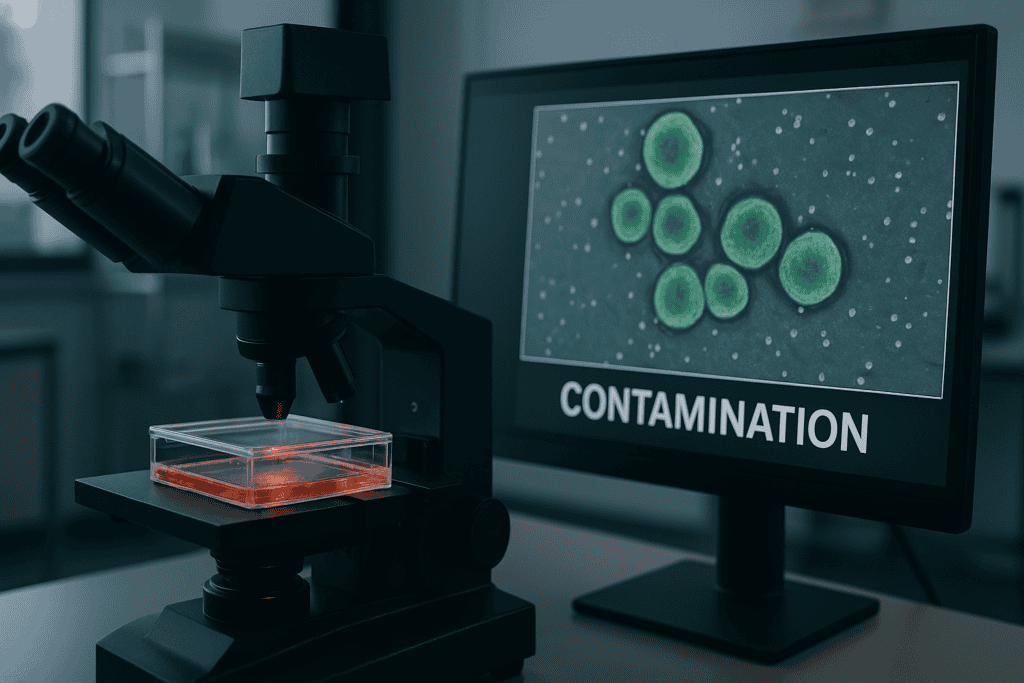
“`
Early Detection of Cell Culture Contamination Through Continuous Live-Cell Imaging
In the realm of cell culture research, maintaining uncontaminated and healthy cultures is paramount for accurate experimental outcomes. However, the detection of contamination, whether microbial or cross-contamination, remains a persistent challenge. Early detection of cell culture contamination through continuous live-cell imaging offers a cutting-edge solution that promises to enhance research reliability and efficiency. This article delves into the significance, challenges, and technological advances of live-cell imaging, providing researchers, lab managers, and biotech professionals with an in-depth understanding of its applications and benefits in modern laboratories.
Challenges in Traditional Cell Culture Monitoring
Limitations of Conventional Methods
Traditional methods of assessing cell culture health often rely on intermittent inspections and dated techniques such as manual microscopy and pH indicator tests. These approaches, while foundational, are fraught with limitations that hinder timely detection of contaminants. Manual inspections are time-consuming and subjective, leading to inconsistencies in detection efficiency. Additionally, the use of endpoint assays restricts researchers to periodic observations, potentially missing critical early signs of contamination, which can compromise experimental integrity.
- Inconsistent results due to human error and subjective analysis.
- Delayed detection of contamination impacting experimental timelines.
- Constraints in continuous monitoring with periodic manual inspections.
Advances in Live-Cell Imaging Technology
Revolutionizing Detection with Automation
The advent of sophisticated live-cell imaging technologies is bridging the gap left by traditional methods. Automated, continuous live-cell imaging systems facilitate real-time monitoring of cell cultures, allowing researchers to identify contamination much earlier than previously possible. This technological advancement transforms how cells are observed, as continuous imaging captures dynamic changes that static imaging could overlook.
- Real-time imaging enhances early detection of contamination.
- Reduced manual intervention increases reproducibility.
- Automation allows for capturing subtle and rapid cellular changes.
Implementing Live-Cell Imaging in Laboratory Workflows
Practical Integration and Benefits
Integrating live-cell imaging into laboratory workflows requires adaptation but offers substantial benefits. For instance, the zenCELL owl, a compact and incubator-compatible live-cell imaging system, exemplifies how embedding such technology can streamline cell culture monitoring. It allows for real-time observation within the incubator environment, maintaining optimal conditions for cell growth and minimizing disruptions. This results in higher data quality and reproducibility, essential for robust scientific findings.
- Seamless integration into existing workflows with minimal disruption.
- Continuous monitoring ensures high-quality data capture.
- Incubator-friendly design maintains stable culture conditions.
Continúe leyendo para explorar información y estrategias más avanzadas.
“`
“`
Unlocking the Potential of Real-Time Data Analytics
Enhancing Cell Culture Monitoring with Data-Driven Insights
The integration of continuous live-cell imaging technologies in laboratories goes hand in hand with advanced data analytics. Real-time data analytics enables the transformation of raw imaging data into actionable insights. By leveraging AI and machine learning algorithms, researchers can identify patterns and predict potential contamination events even before they become apparent through visual inspection. This analytical approach adds a new dimension to cell culture monitoring, allowing for predictive maintenance and preventive interventions.
- Utilize AI-powered analytical tools to enhance the reliability of contamination detection.
- Implement predictive models to anticipate contamination and adjust protocols proactively.
Case Study: Enhancing Research Precision with Live-Cell Imaging
Real-World Application Demonstrates Improved Outcomes
A leading biotech firm implemented continuous live-cell imaging to enhance its stem cell research. By integrating this technology, they achieved a 40% reduction in experimental downtime caused by contamination. The system facilitated early detection, allowing for timely intervention and preserving valuable research integrity. This case study emphasizes the importance of adopting innovative imaging solutions to maintain high standards of research quality.
- Consider real-world success stories to guide technological investments in laboratory settings.
- Implement imaging systems with proven track records to ensure continuity and efficiency in research.
Maximizing Efficiency with Scalable Solutions
Adjustable Imaging Systems for Diverse Laboratory Needs
Not all laboratories are identical, and scalability is a significant factor when considering live-cell imaging solutions. Modular systems, such as the Olympus Scan^R or the IncuCyte S3, offer flexibility to accommodate various research scales and complexities. These systems can easily be expanded or tailored to meet specific laboratory requirements, offering the adaptability needed to tackle diverse research challenges.
- Opt for modular imaging systems that can grow with your lab’s needs.
- Evaluate the potential for future scalability when selecting imaging technologies.
Ensuring Data Security and Compliance
Safeguarding Research Integrity in the Digital Age
As laboratory workflows become increasingly digital, ensuring data security and regulatory compliance becomes paramount. Live-cell imaging systems store vast amounts of data, which needs to be protected against unauthorized access and loss. Adopting robust cybersecurity measures and complying with regulations such as GDPR or HIPAA is critical to maintaining the integrity and confidentiality of research data, thus safeguarding scientific findings.
- Enforce strong encryption and access control policies for data generated by imaging systems.
- Stay informed about the latest compliance requirements relevant to your research area.
Training and Skill Development for Research Personnel
Empowering Researchers with the Necessary Skills
The successful implementation of live-cell imaging relies heavily on the competency of the research personnel. Investing in comprehensive training programs helps laboratory staff to effectively use these advanced technologies. Workshops, online courses, and collaborative projects provide opportunities for skill enhancement, ensuring researchers can maximize the potential of live-cell imaging tools while minimizing operational errors.
- Encourage continuous learning and professional development among laboratory personnel.
- Partner with technology providers for hands-on training and support.
Evaluating TCO (Total Cost of Ownership)
Understanding the Investment Value in Imaging Systems
When considering live-cell imaging systems, evaluating the total cost of ownership (TCO) is crucial. Beyond the initial purchase price, laboratories should account for installation costs, ongoing maintenance, software updates, and potential downtime. A comprehensive TCO analysis helps in making informed decisions, demonstrating the long-term value and financial viability of adopting continuous live-cell imaging systems.
- Conduct a detailed TCO analysis to understand the financial commitment of imaging systems.
- Consider both direct and indirect costs associated with the technology adoption.
Fostering Collaborative Research with Imaging Platforms
Enabling Cross-Disciplinary Collaboration Through Shared Access
Live-cell imaging platforms can also serve as a catalyst for cross-disciplinary collaboration. By providing shared access to imaging data and cloud-based platforms, researchers from multiple disciplines can collaborate and contribute insights, fostering a more cohesive and integrated research environment. This collaborative approach enhances innovation and accelerates the pace of discovery.
- Promote a culture of openness and collaboration across different research teams.
- Utilize shared platforms to integrate findings and perspectives from diverse fields.
A continuación, concluiremos con los puntos clave, métricas y una conclusión contundente.
“`
“`
Leveraging Automation in Live-Cell Imaging
Streamlining Workflows for Enhanced Productivity
Automation in live-cell imaging presents a transformative opportunity for laboratories seeking to improve efficiency and accuracy. By automating repetitive and time-consuming tasks, researchers can focus more on data analysis and interpretation. Advanced imaging systems now include automated features, such as image acquisition and analysis scripts, which minimize human error and ensure consistency in data collection. Moreover, integrated software platforms simplify image processing and interpretation, further enhancing productivity in research settings.
- Adopt imaging systems with built-in automation capabilities to simplify workflows.
- Explore software solutions that integrate with existing laboratory platforms for seamless operation.
Integrating Live-Cell Imaging into Existing Workflows
Navigating Compatibility and Flexibility Challenges
The integration of live-cell imaging systems into pre-existing laboratory workflows can pose challenges, especially regarding compatibility and adaptability. However, these challenges can be addressed through careful planning and selection of versatile imaging technologies. By opting for solutions that offer seamless integration with current lab equipment and data systems, researchers can ensure minimal disruption to ongoing projects. Additionally, ensuring flexibility in imaging systems allows labs to adapt to evolving research needs while maintaining workflow cohesiveness.
- Evaluate imaging systems for compatibility with current laboratory infrastructure.
- Choose flexible solutions that can be tailored to fit unique research demands.
Advancements and Future Directions in Live-Cell Imaging
Embracing Innovation for Next-Generation Research
The field of live-cell imaging continues to evolve rapidly, with advancements enhancing the resolution, speed, and scope of data acquisition. Future directions point towards integrating more sophisticated AI algorithms and machine learning techniques, allowing for real-time pattern recognition and data interpretation. Additionally, as quantum and digital imaging technologies advance, researchers can anticipate new levels of image clarity and detail, further unlocking insights into cell behavior and biology.
- Stay updated on emerging technologies that could redefine live-cell imaging applications.
- Invest in ongoing research and development to pioneer new methodologies in imaging.
Conclusión
From real-time monitoring to enhanced collaboration and predictive analytics, continuous live-cell imaging presents myriad possibilities for modern scientific research. The integration of automation and advanced data analytics within imaging platforms allows researchers to transcend traditional boundaries, driving efficiency, and innovation.
This comprehensive approach to live-cell imaging undeniably elevates research standards, ensuring high levels of data accuracy and process reliability. As laboratories continue to embrace digital transformation within their workflows, the importance of securing data and maintaining regulatory compliance remains paramount, offering peace of mind while exploring groundbreaking discoveries.
Investing in live-cell imaging systems is not merely an enhancement of existing infrastructures but a vital step toward empowering researchers with unprecedented observational capabilities. As the scientific community strives towards more ambitious goals, leveraging high-resolution imaging technologies to elucidate complex biological processes is critical.
The journey of continuous improvement in live-cell imaging techniques is ongoing, spurred by rapid technological progress and inter-disciplinary collaboration. Laboratories that adopt this mindset position themselves at the forefront of scientific advancement, nurturing an environment where innovation thrives.
As we stand at the cusp of a new era in biological research, let us continue to embrace and explore these sophisticated imaging technologies. May our collective endeavors in uncovering cellular mysteries inspire future generations of scientists, paving the way towards revolutionary discoveries that redefine our understanding of life itself. Seize the potential of live-cell imaging and allow its technologies to transform the trajectory of your research.
“`